People ask me whether a relaxation massage truly does anything for their stress, or whether it only feels nice for an hour and then wears off. It is a fair question, and I hear it often. From my Castro Valley practice, I can tell you the calm goes deeper than the hour on my table, because what happens during a Swedish massage reaches the part of you that runs your stress response. The pleasant feeling is real, and so is the physical shift underneath it.
Where Stress Settles First In The Body
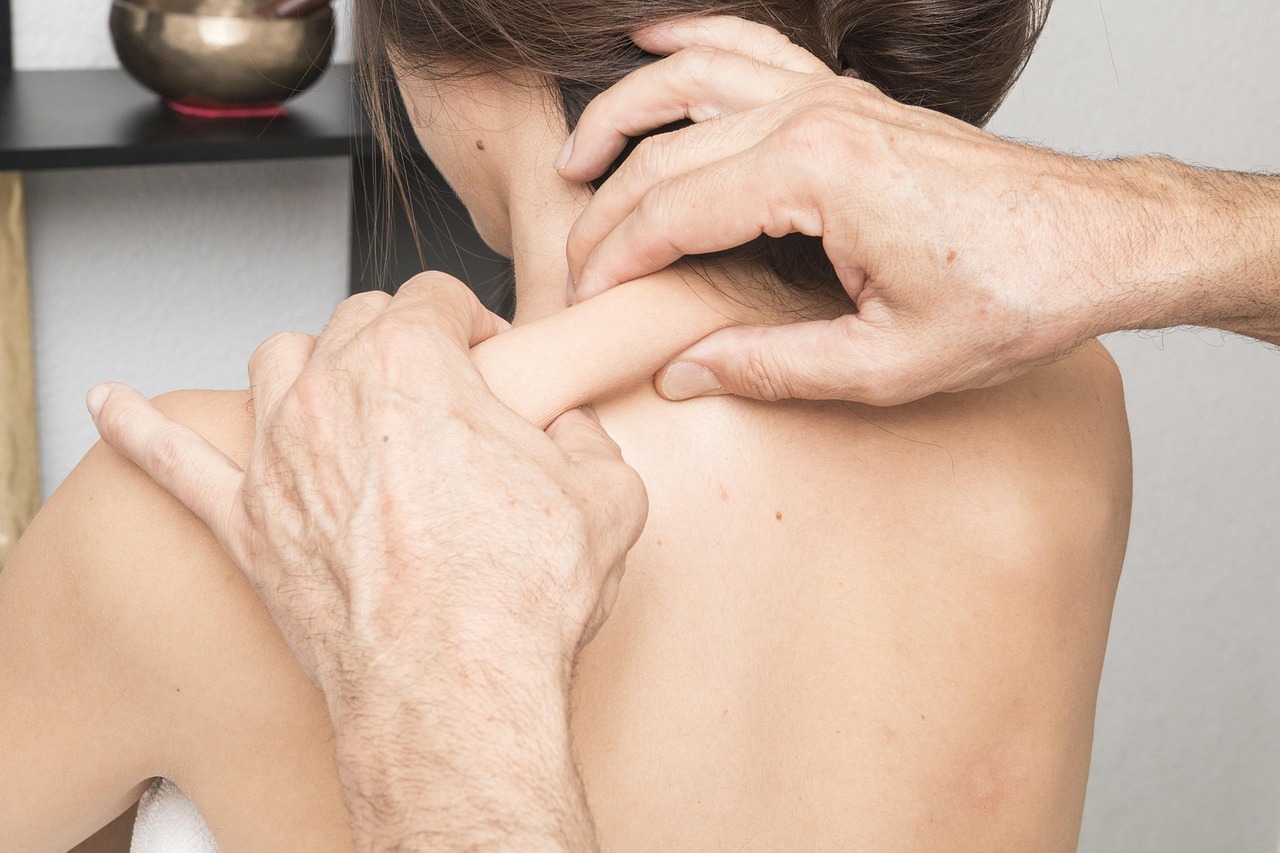
Stress finds the same places in most of us, and I see those places before a client says a word. The jaw clenches through the night, so people wake with a sore face and a dull ache near the ears, often without knowing they grind. The upper traps, the broad muscles that run from the neck out to the shoulders, sit lifted and hard, as though the shoulders forgot how to come down. The muscles that move the ribs stay tight too, which keeps the breath high and shallow up in the chest instead of low and slow in the belly. I press along the base of the skull and feel cords that have been holding for weeks. When I name these spots, most people recognize their own body in the description right away.
Why Your Stress Switch Stays On
Your nervous system has a branch built for emergencies, the sympathetic side, and it fires the moment something feels threatening. That response is meant to switch on, do its job, and switch back off. Modern stress rarely lets it switch off. Deadlines, worry, and a full schedule keep the alarm humming low across days and weeks, and the body never gets the all-clear. Held long enough, that braced state stops feeling like stress and starts feeling like your normal. The tight jaw and lifted shoulders become the baseline you carry without noticing.
How Swedish Massage Changes The Signal
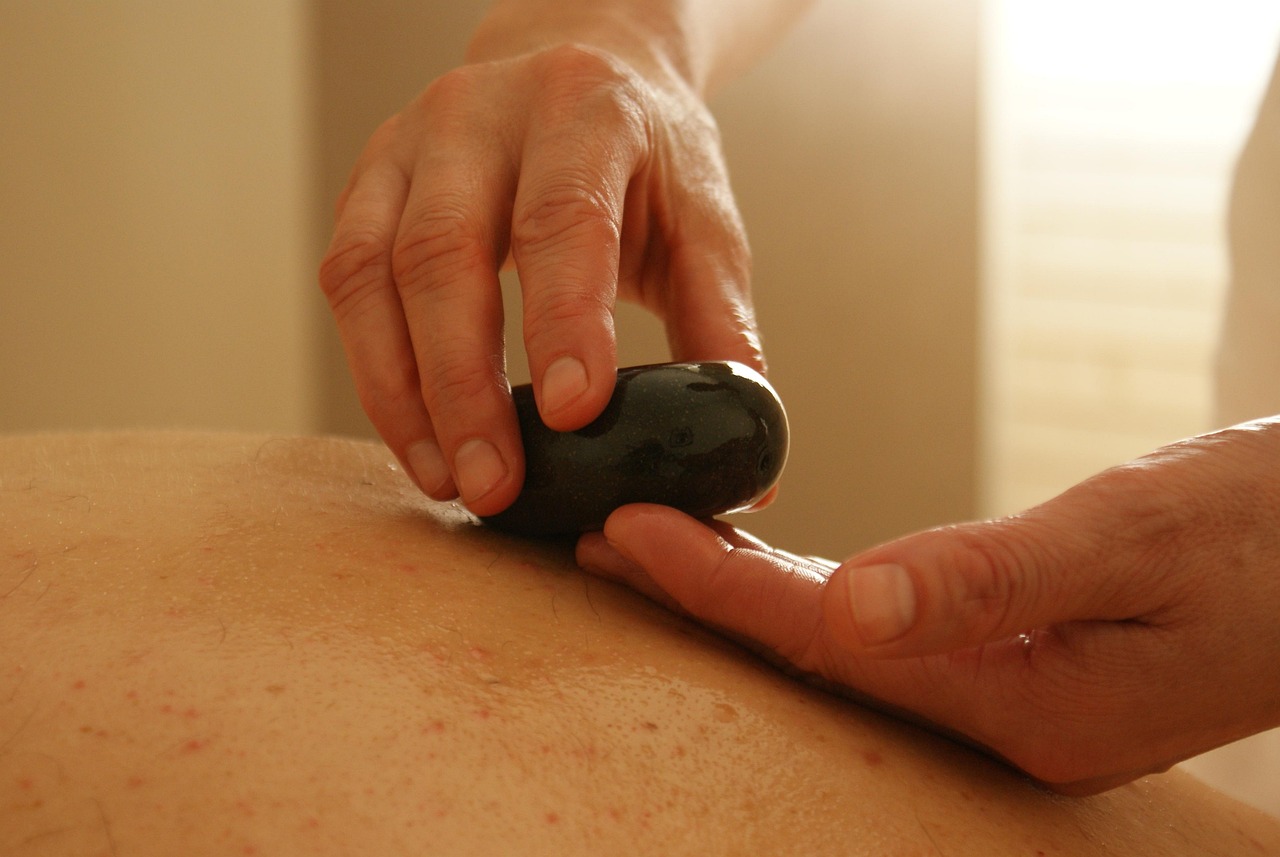
Swedish massage speaks to the other branch, the parasympathetic side, the one in charge of rest and digestion. Slow, flowing, rhythmic strokes and steady contact with your skin send a stream of calm input up to your nervous system, and it begins to read the situation as safe. As that signal lands, the guarded muscles soften on their own, without my forcing them. I give your body the steady, repeated signal that lets it stop bracing. The breath drops lower, the shoulders ease down, and the jaw lets go of a grip it has held so long you stopped feeling it.
Why The Calm Has To Be Practiced
One session resets your system for a while, and many people leave feeling lighter than they have in months. The effect holds for a stretch and then daily stress builds the tension back. Calm responds to repetition the way strength responds to training. Regular sessions, paired with small habits between visits like slower breathing and real rest, teach your body the way back to that settled state more readily each time. Massage supports your medical and mental-health care here, and it works alongside that care rather than in place of it.
Let's Give Your Nervous System Somewhere To Land
You came in carrying a clenched jaw, lifted shoulders, and a breath stuck high in your chest, and those are the exact patterns Swedish massage is built to ease. If your stress has been running with no off switch, I would like to help you find one. Call me at (510) 409-8598 and we will set up a session. You can expect a quiet room, unhurried hands, and time to let your body remember what calm feels like.