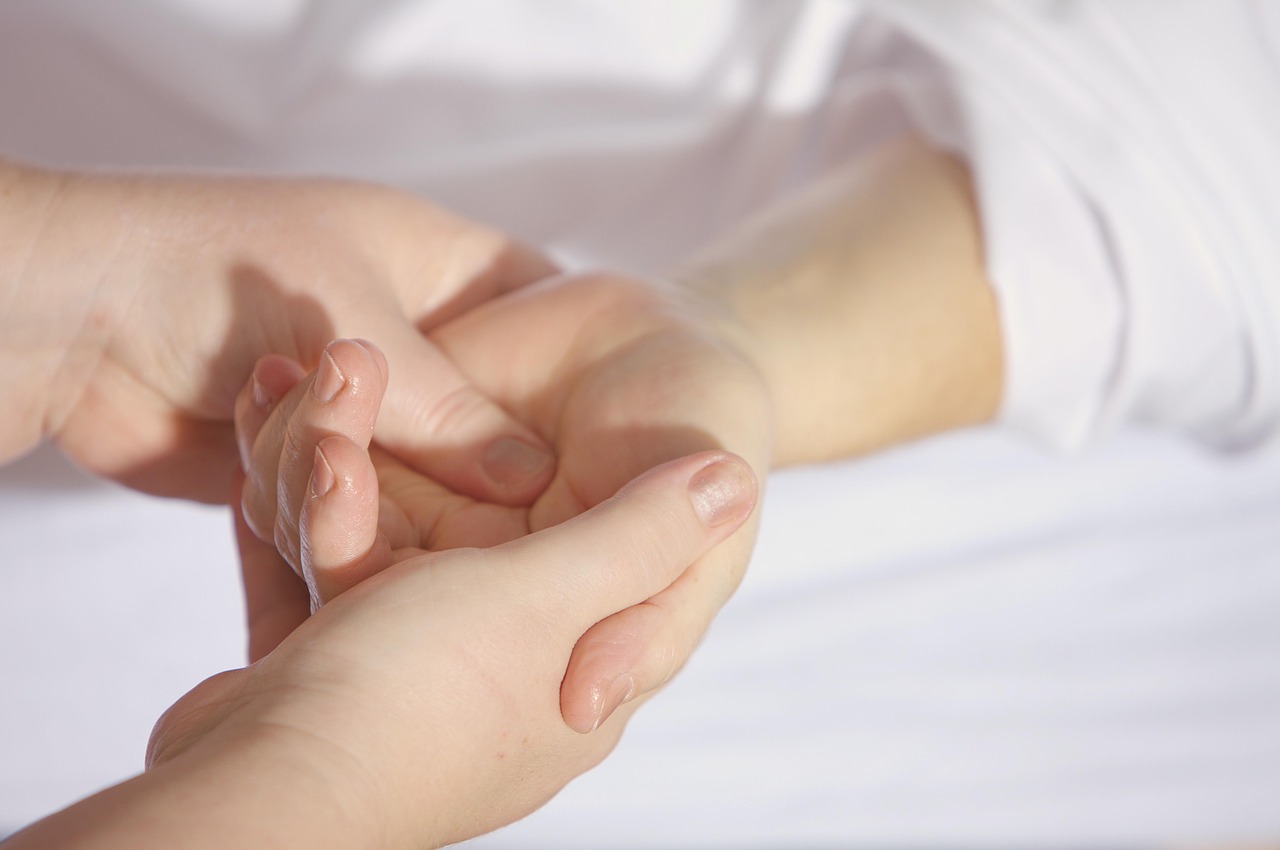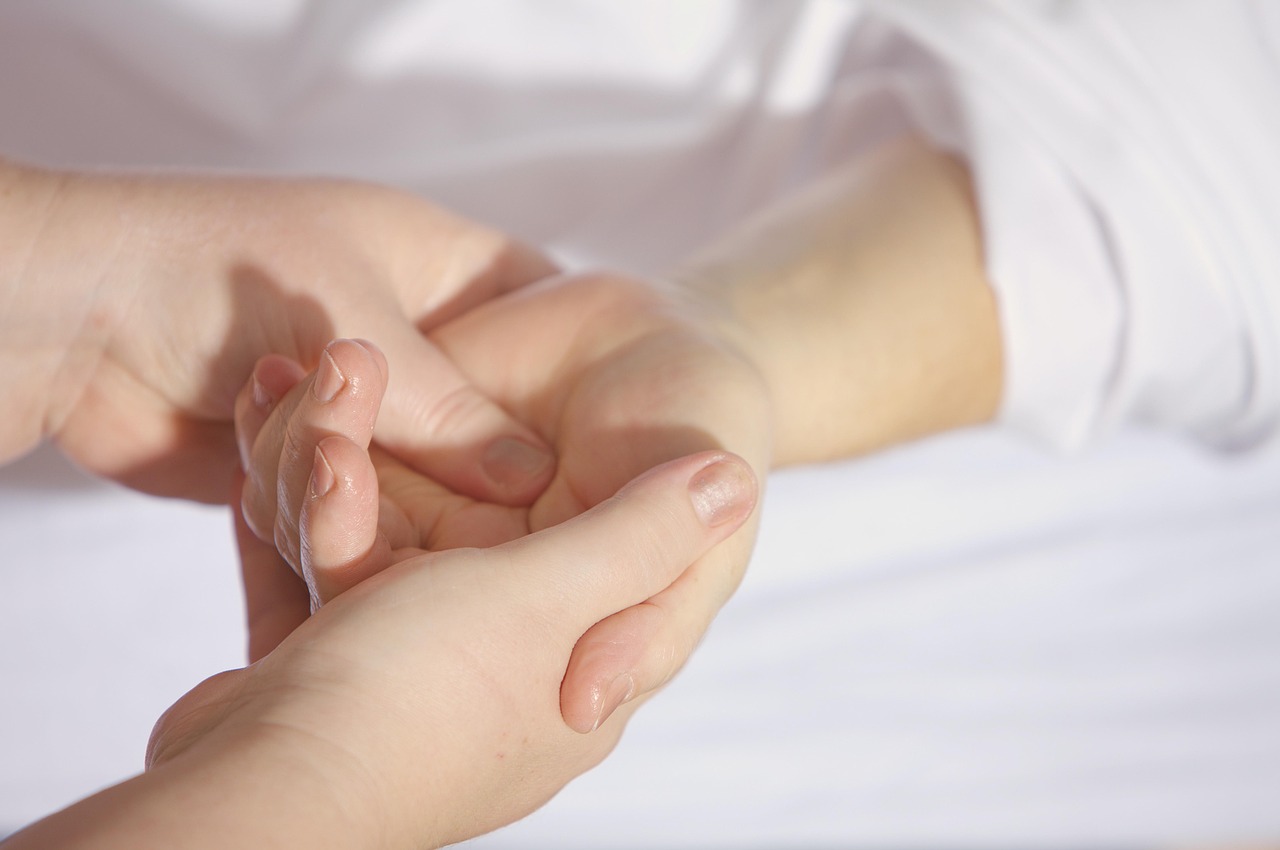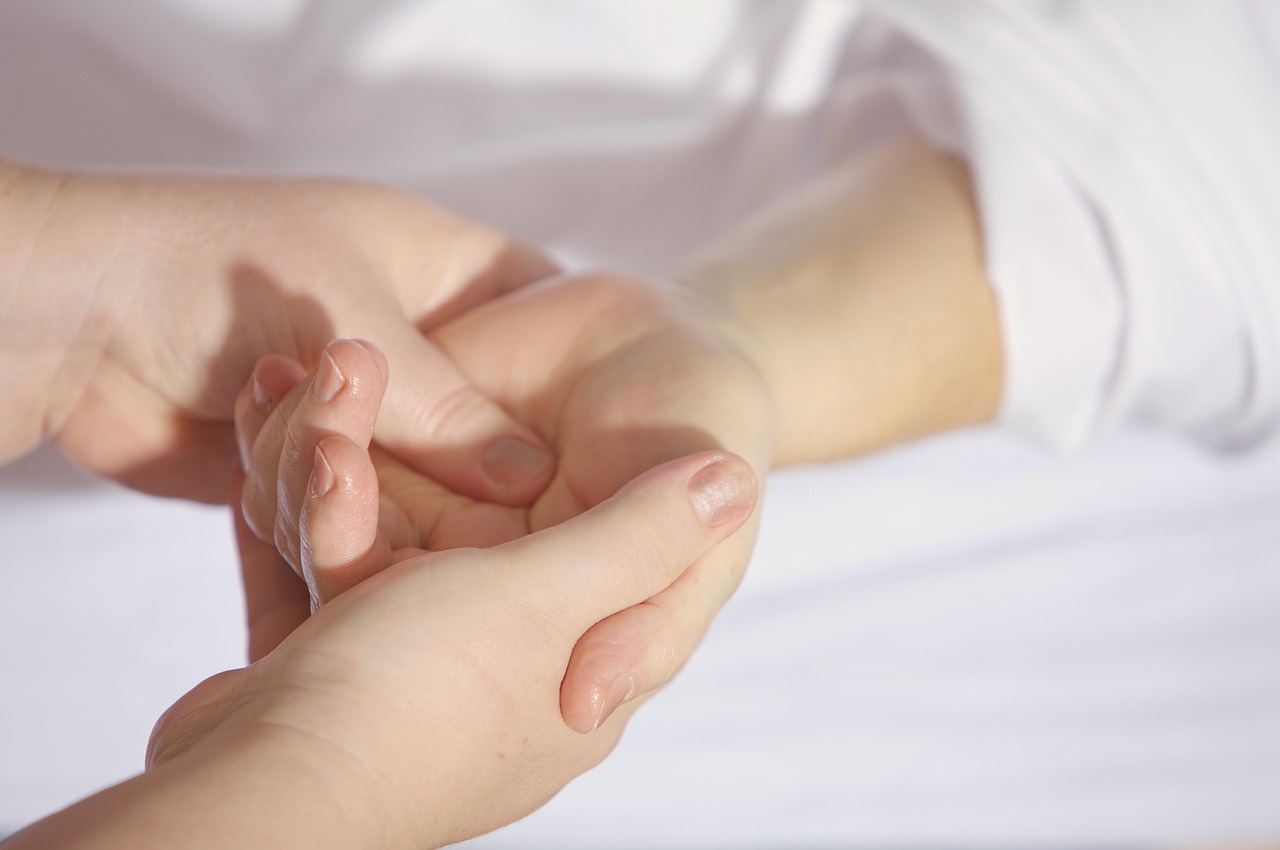
Your shoulders sit up near your ears by the end of an anxious day. Ongoing stress keeps your muscles braced, and held long enough, that brace starts to feel like your normal. I'm Geri León, a massage therapist in Castro Valley, and I work on that hold with long, flowing Swedish strokes.
Why Anxiety Shows Up in Your Muscles
Your muscles tighten almost as a reflex under stress, and while the stress keeps coming, they stay guarded. That tension commonly gathers across your shoulders and neck. When stress never lets up, the part of your nervous system built for threat can stay switched on until the brace no longer registers as stress at all. That is why the tightness seems to have no start date, and why it slowly becomes the way you sit and stand.
Muscle tension is one of the physical symptoms of anxiety, right alongside cold or sweaty hands. Some people also notice a pounding pulse or short breath, and others find that sleep gets harder. A tight neck and cold hands on the same afternoon come from one response, so when I ease that tension, I am working on one of the ways anxiety shows up in your body.
What Swedish Strokes Do
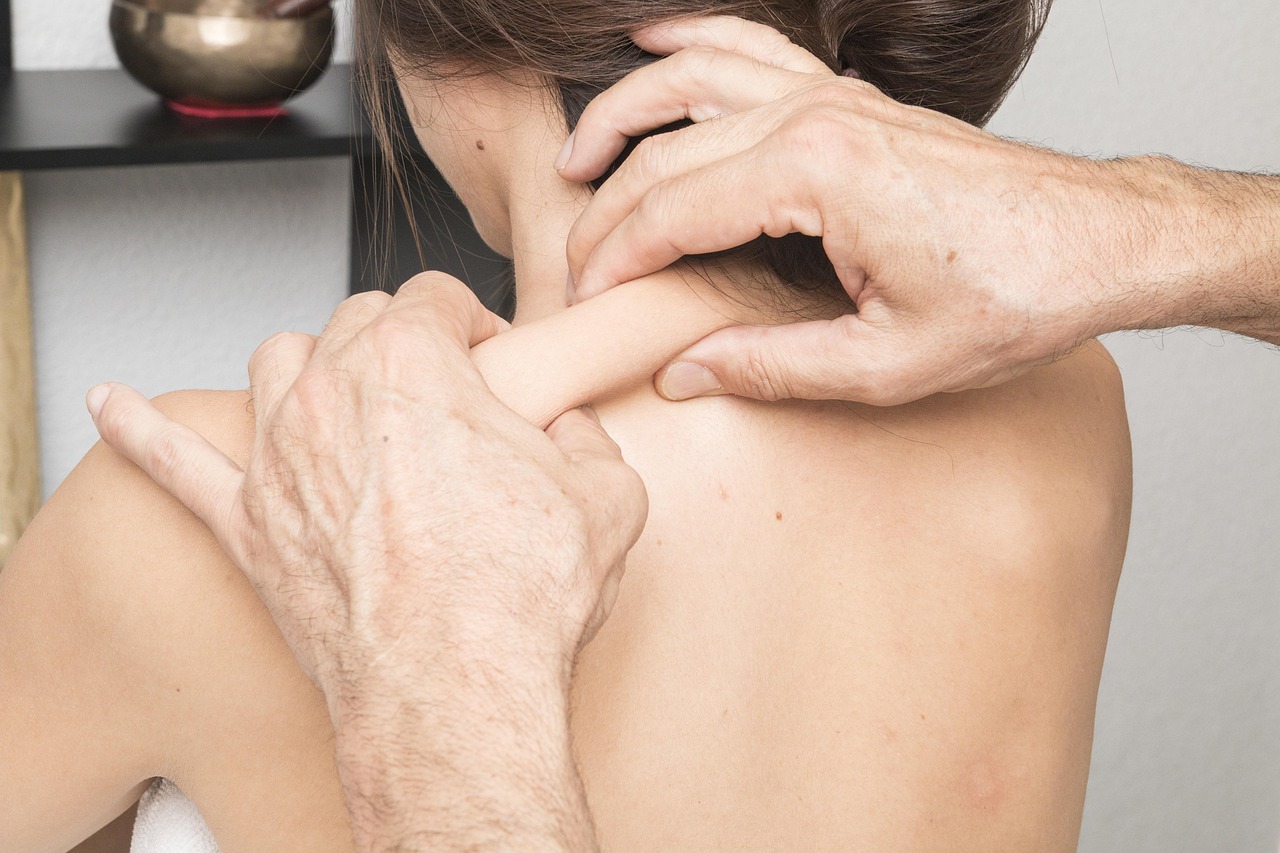
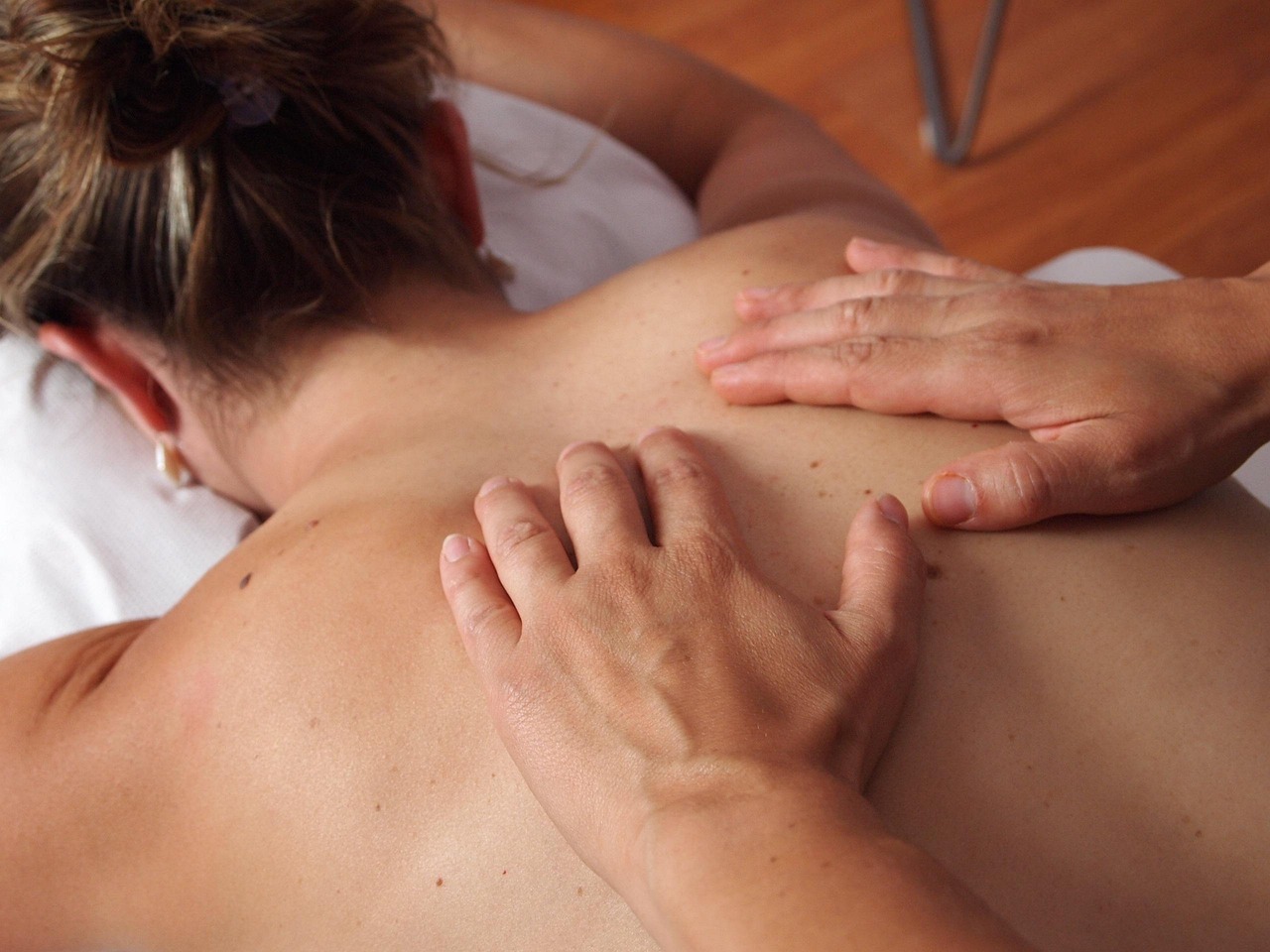
Swedish massage is built on long, even gliding strokes, with kneading added along the way. I open with long gliding strokes, called effleurage, that sweep up your back and across your shoulders to warm the muscles. Once the muscles are warm, I add kneading, known as petrissage, across your shoulders and the top of your back. You choose light or firm pressure, and because I keep checking how it feels, you can ask for more or less at any point.
Why It Helps Beyond a Pleasant Break
That steady hold is more than ordinary stiffness in your shoulders. Chronic tension in the neck and shoulders is tied to tension-type headaches. Your body also has its own settling side, the rest and digest system, which relaxes you after a stretch of stress. Easing that hold is the real work of your session, not a side effect of lying still.
If You Can't Relax on Cue
You do not have to arrive calm or relax on command. With an anxious client, I keep the routine predictable and tell you before each change of position, because knowing what comes next makes it easier to settle. If your breathing goes shallow or your shoulders brace under my hands, I ease the pressure and ask how you are doing. A pause is a normal part of your session, and stopping is always fine. You are welcome to talk the whole time or stay silent, whichever helps you settle.
Your First Visit
Your first session starts with questions about your health history and the areas you want help with. I also ask where you tend to hold tension, so you can point me to your shoulders or the top of your neck first. You can leave your underwear on, and you are draped throughout your session. A sheet covers you throughout, with only one part of your body uncovered at a time. If you are not sure what to wear or what happens next, those are good questions to ask before we begin, and I answer each one in plain terms. After your session, I give you a few aftercare tips to take home with you.
One Therapist From Start to Finish
I give every session myself and shape it around how your body feels that day. Call me, Geri León, at (510) 409-8598 to book Swedish massage at my Castro Valley practice. I'm glad to answer any questions about the visit when you call.