Months of soreness wear on a person in ways that are hard to describe to anyone who hasn't lived through them. Sleep turns shallow, and you start planning ordinary days around whichever side of your body is hurting that morning. I'm Geri León, a massage therapist here in Castro Valley, and people often reach me after a run of massages that each eased things for about two days. That pattern usually points toward something other than the muscle everyone keeps working on. Myofascial release addresses the connective tissue wrapped around those muscles, and it's one of the few kinds of bodywork done without any oil at all.
Your Muscles Sit Inside One Connected Layer
Fascia is the connective tissue that surrounds your muscles, and it doesn't stop at the point where one muscle ends and the next begins. It forms one continuous sheet through the body, tying together regions that you would never think of as related. Layers of it glide over one another every time you reach for a high shelf or turn your head to check a blind spot. While that movement happens without any effort, you have no reason to notice it happening at all. My first task in a session involves finding the places where the easy movement has stopped.
Guarding an Injury Changes the Tissue Around It
Restrictions form for reasons that seem unremarkable at the time they are happening. After a strain your body protects the area, and the tissue around it thickens across the months you spend favoring that side. Holding one position for long stretches produces a similar result, and desk work in Castro Valley generates plenty of it. Inflammation adds to the picture as well, and layers that once slid freely against each other begin sticking. None of this announces itself on the day it begins, which explains why the ache later seems to appear without any cause you can name.
Pain Often Appears Away From Its Source
Connective tissue carries pain-sensing nerve endings of its own, which is worth knowing when nothing about your soreness seems to add up. An area can hurt while the muscle underneath it tests fine, and that mismatch keeps people searching in the wrong place for months. That sheet runs continuously through the body, so tension held in one region can pull somewhere a fair distance away. A sore shoulder sometimes traces back to a restriction lower down the back that nobody has thought to examine. I assess how your tissue moves under my hands before I decide where the session should focus.
Dry Skin Is Part of How This Works
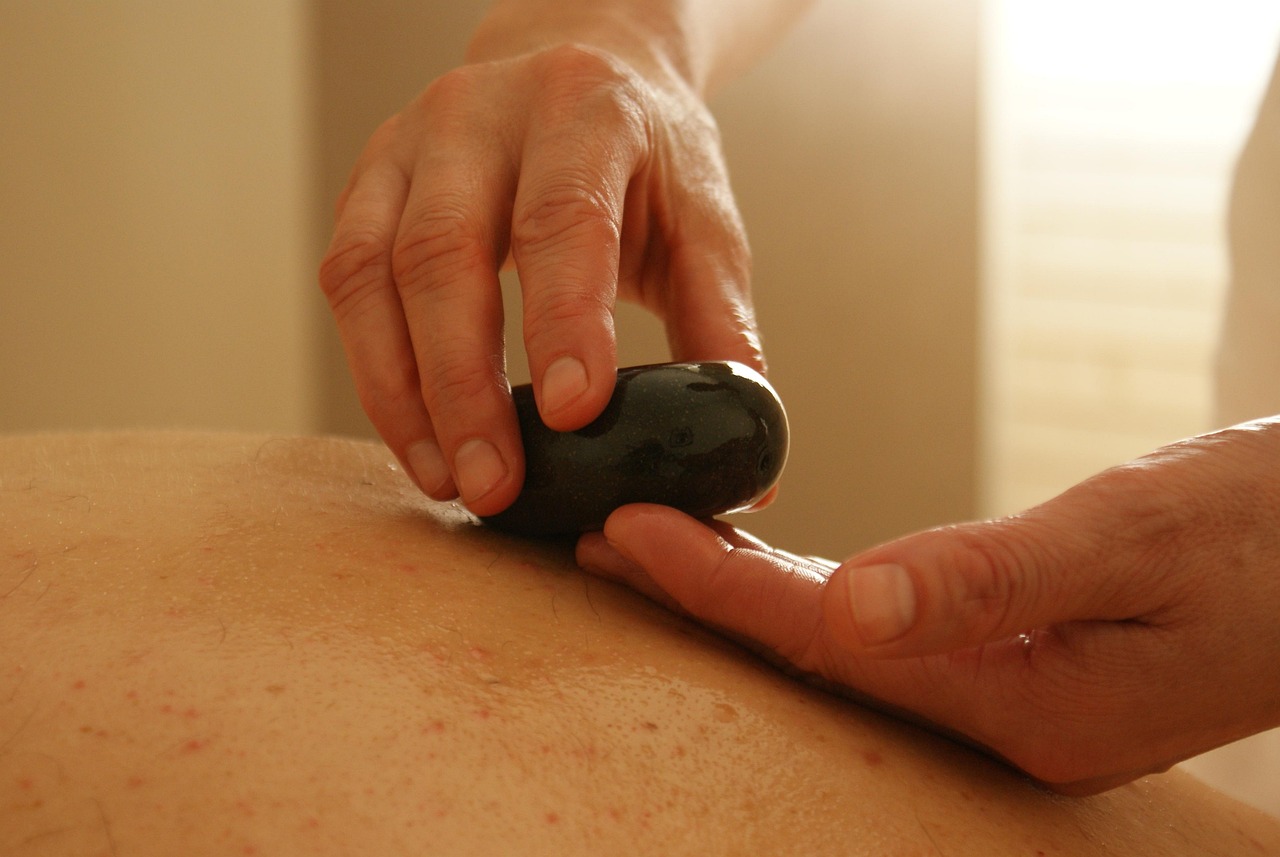
Myofascial work happens on dry skin, without the oil or lotion used in a table massage. A lubricated palm travels across the surface of the skin, and that travel is what prevents contact with the layer underneath. Dry contact is what allows a hand to hold the skin and take up the slack in the tissue underneath it. The pressure I use stays gentle to moderate, and I keep it in one place instead of stroking back and forth. Tissue softens slowly under contact like that, so a single restricted area can take a minute or more before it gives.
Relief Arrives in Stages
You may find more room in the area before you climb off the table. Movement returns first, and comfort improves over the day or two that follow. Some people notice mild soreness afterward, and it settles on its own within a day or two. Setting the pressure is something we do together, and asking me to ease off is always welcome at any point. How many visits help you depends on how long the soreness has been there and on what set it off originally.
Tell Me What You Have Already Tried
If your soreness has outlasted several massages already, that history tells me more than anything you could point to on your back. Call me, Geri León, at (510) 409-8598, and describe how long it's been going on and what you've done about it so far. We can talk through whether myofascial release suits what you're dealing with before you commit to booking a session. My office is here in Castro Valley, and I'm glad to answer questions on the phone before you book anything at all.