By two thirty in the afternoon, most of a Hayward office has held the same posture for about six hours. Shoulders have climbed toward ears and almost nobody in the room has registered it happening. The people who notice are usually the ones already dealing with a neck that aches every evening. I'm Geri León, a board certified massage therapist based in Castro Valley, and I bring seated massage into Hayward workplaces. Someone at your company has been handed the job of doing something for the team, and you may be reading this because that someone is you. What follows is what your staff gets out of the hour.
Six Hours at a Keyboard Adds Up
Holding the head forward over a screen asks the muscles along the back of the neck to work steadily all day long. Those muscles never get the break your legs get when you stand up for coffee. Typing loads the forearms and the small muscles of the hands at the same time. Sitting for hours also shortens the front of the hips. The load is steady rather than heavy, which is what makes it so easy to ignore. By late afternoon plenty of your staff are stiff and sore and have stopped noticing that they are.
A Chair Session Takes the Load Off the Neck
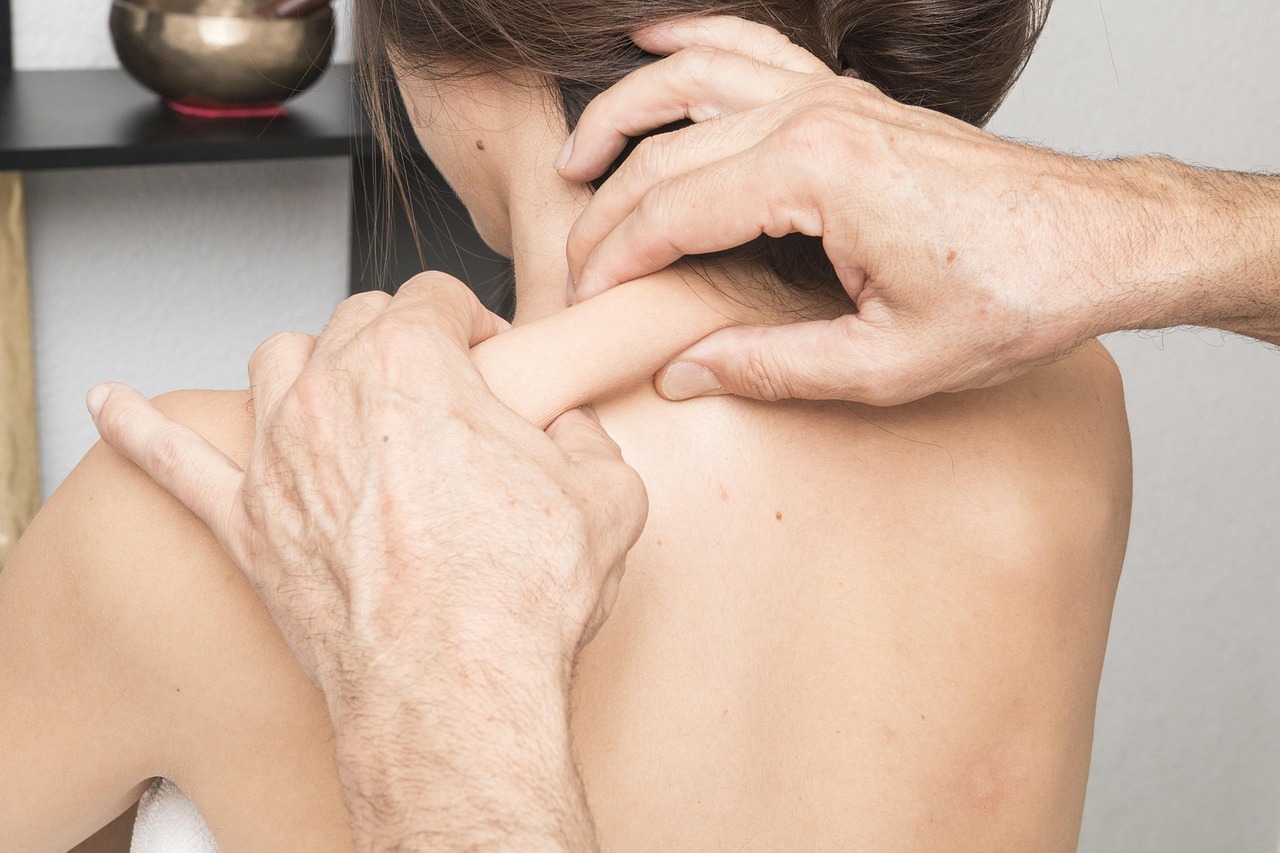
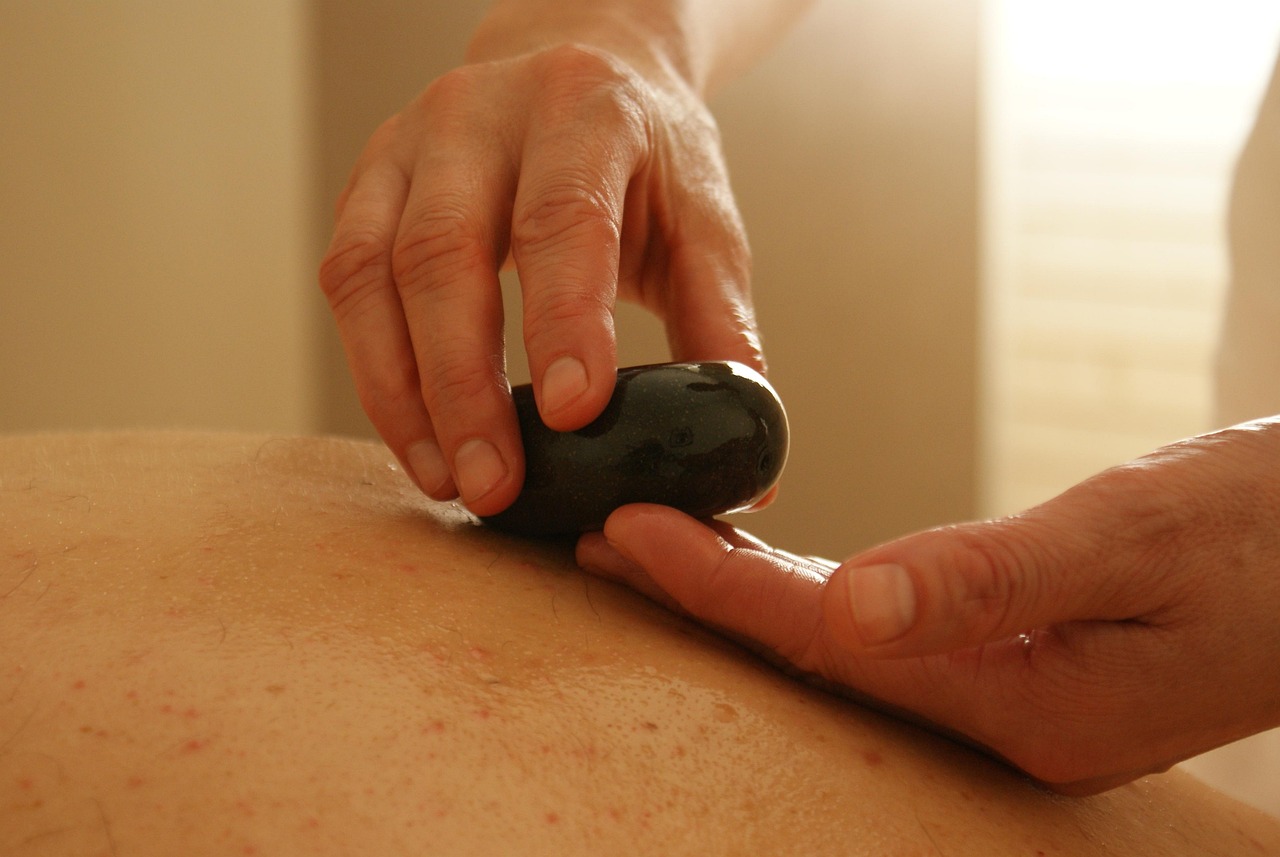
The chair I bring holds the head in a padded cradle and supports the forearms on rests. Those neck muscles stop holding the head up for the first time since morning, and that unloading is what makes a short session worth the time. Forearms rest on supports as well, which matters for anyone who spends the day typing. Nobody changes clothes and nothing goes on the skin, so no private room is needed anywhere in your building. Working through clothing means compression and kneading rather than gliding strokes, since gliding needs skin contact to work.
The Room During a Rotation
I set up in a corner of a conference room or anywhere with a door that partly closes. Roughly fifteen minutes per person is the figure I plan around, which lets you divide your headcount into hours without much arithmetic. People come in one at a time from a posted schedule. A corner away from foot traffic works better than the middle of an open floor. The session happens in a shared room where the rest of the office can see it, and people who skipped the sign-up tend to ask about the next one.
Making the Sign-Up Work for Everyone
Sign-up sheets fill with the same confident people who sign up for everything else. I'd rather see named time slots that anyone can claim without announcing it in a meeting. A shared document works as well as a sheet on the wall and draws less attention. Some of your staff won't want to be touched at work, and that's a reasonable position for anyone to hold. Nobody should have to explain a decision to skip, and I never ask why.
The Second Visit Goes Further
A first rotation is mostly people finding out what this is. Half of them have never sat in a massage chair and spend a few minutes settling in. On a second visit they arrive knowing what they want worked on and they say so before sitting down. That shortens the settling-in time and puts more of the slot toward the work itself. A standing rotation gives me a working knowledge of your team that one afternoon can't.
Tell Me Your Headcount and Your Room
Call me, Geri León, at (510) 409-8598 and tell me how many people you have and what space you can spare. From those two answers I can tell you how many hours a full rotation takes and which part of the day suits it best. Plenty of people call me while the idea is still an idea and nobody has approved anything yet. I can give you the numbers you'd need for the conversation with whoever signs off. My practice is based in Castro Valley, and I'd be glad to talk through what your Hayward office would need.