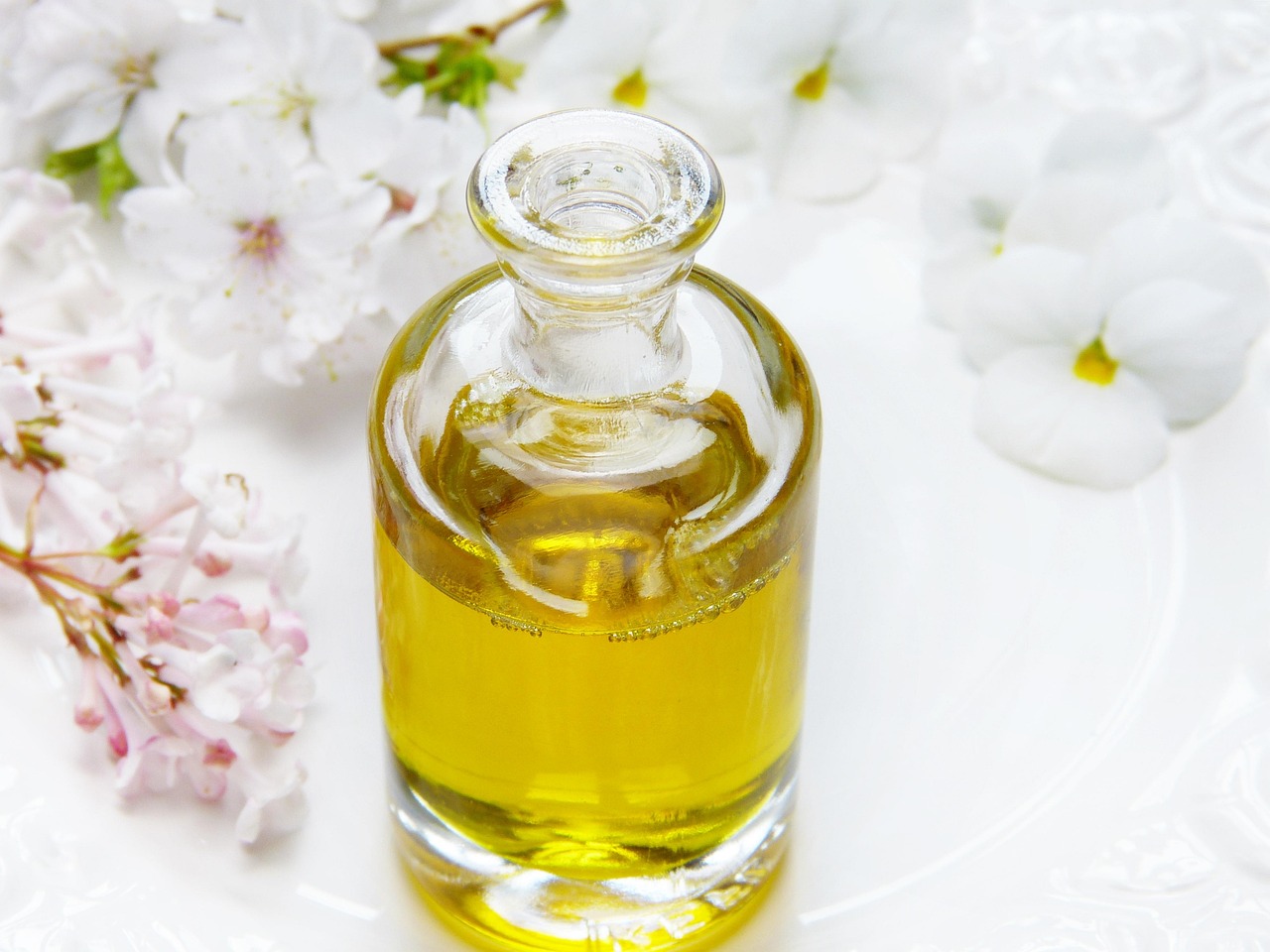
Some weeks leave your shoulders sitting up near your ears and your jaw sore by Thursday. A bottle stands on my table before your session begins, and what goes into it depends on the week you've had. No two bottles on my shelf get combined the same way twice. I'm Geri León, a board certified massage therapist working here in Castro Valley, and I mix every aromatherapy blend for the person on the table rather than pouring from something premixed. Two decisions go into that bottle, and one of them is yours to make.
The Question That Comes First
Before I open anything I ask what you need this hour to do for you. Someone hoping to sleep through the night needs a different mix than someone whose jaw has been locked up since Monday. Anybody worn down by a stretch of hard shifts needs something different again. The question sounds ordinary, and your answer changes what I reach for on the shelf. Plenty of people tell me they've never been asked it in a massage room. You know more about your own week than I could learn from your back alone.
The Carrier Underneath the Scent
Carrier oil makes up the bulk of every blend I mix, and the scented part is a small share of it. The carrier sets how my hands move across tight muscle and how fast your skin takes the oil in. Hours later at home, it's the carrier you notice in how your skin feels. Having enough glide is what lets me keep the work slow, and a frazzled nervous system responds to slow far better than it responds to brisk. Skin that runs dry takes oil in quickly and needs more of it across a full hour. Picking a carrier is a decision about pace as much as about skin type.
A Short Route to the Emotional Brain
Smell reaches the emotional centers of your brain without passing through the relay station that handles your other senses. Sight and sound both travel through the thalamus first, and scent skips that step. That's one reason a smell registers before you've decided anything about it. The same pathway explains why a scent can pull up a memory before you can name it. Lavender's calming character comes mainly from two compounds named linalool and linalyl acetate. I'll tell you what's going in the bottle before any of it reaches you.
Warm Oil and a Steady Pace
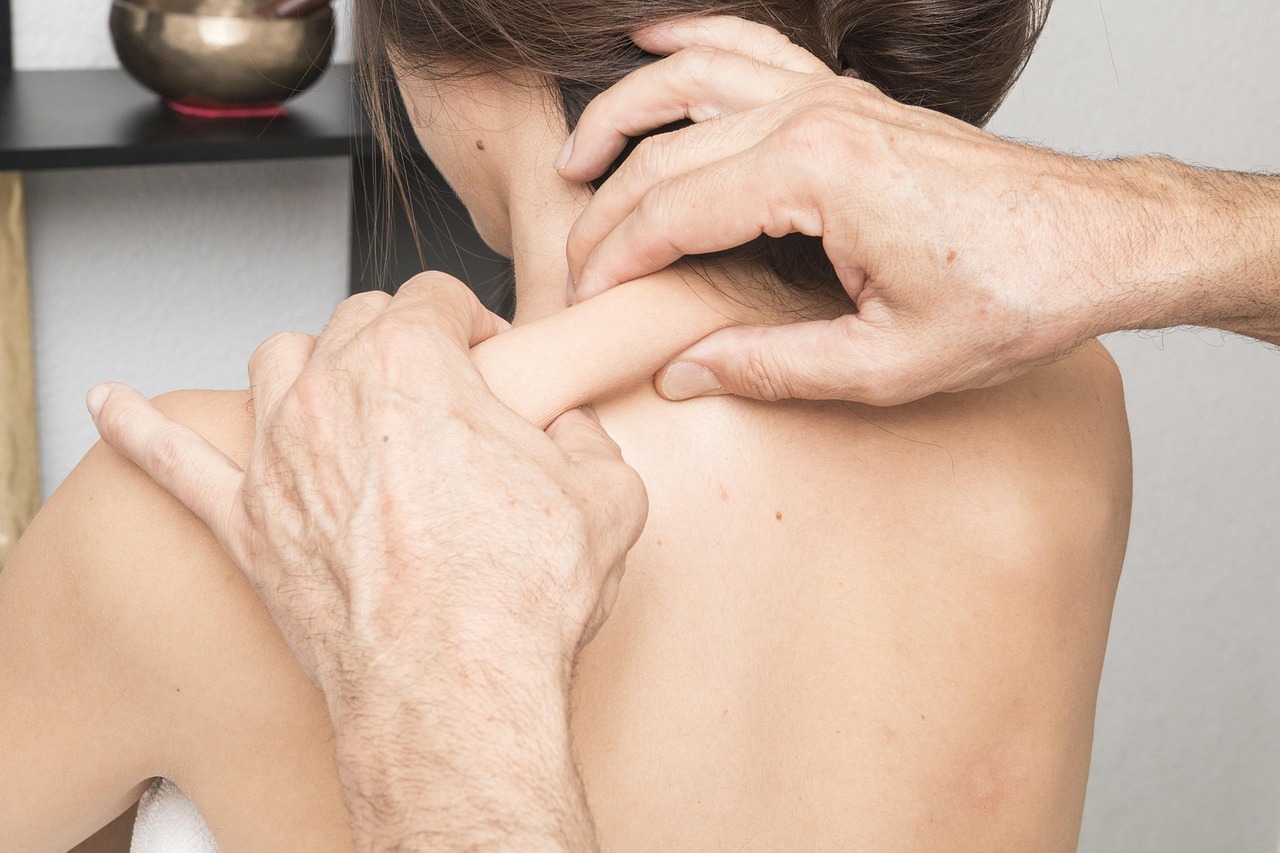
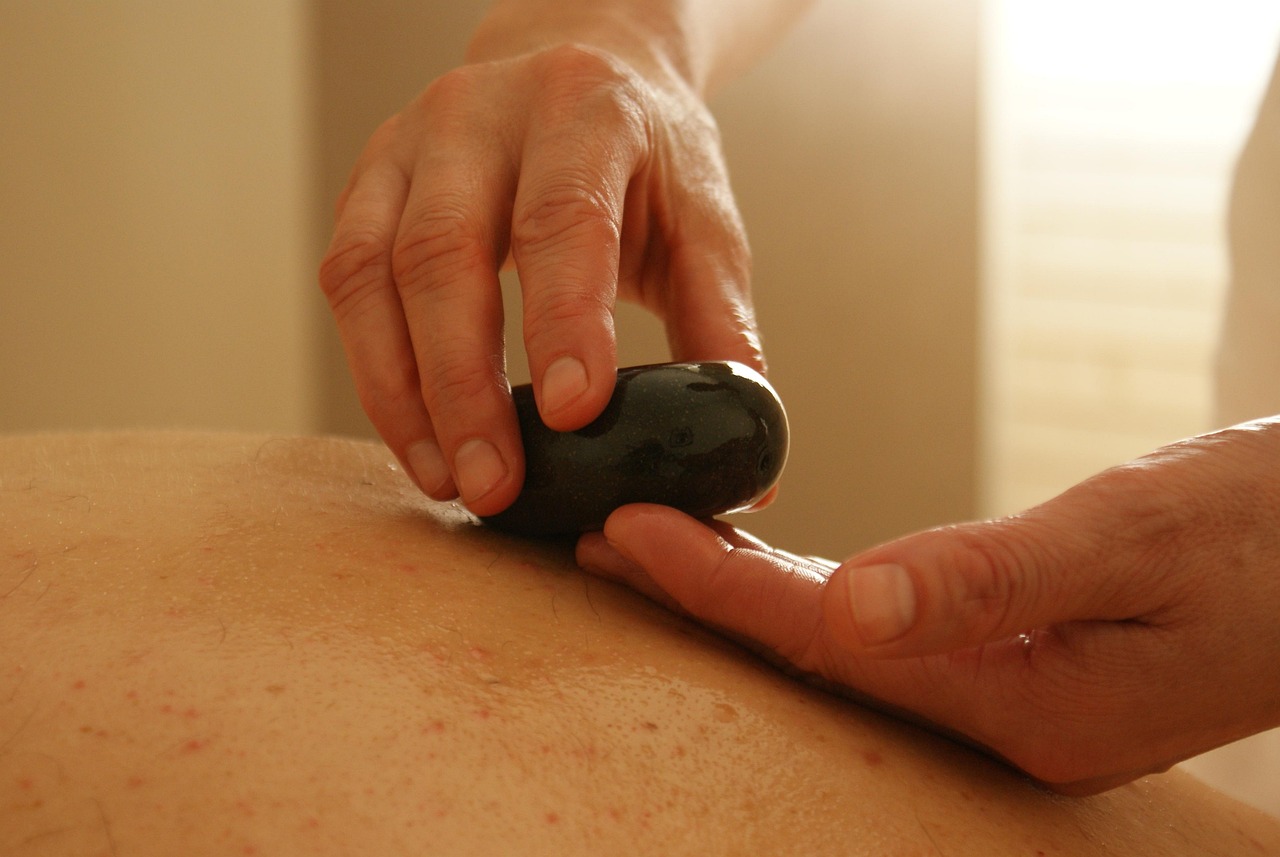
I warm the blend between my palms before it reaches your back or your shoulders. Aromatic compounds lift more readily from warm oil than from cool oil, which is why the scent reaches you as soon as my hands do. My hands stay unhurried across the areas holding the most tension, which is usually the neck and upper back on people who sit all day. Slower passes give your shoulders time to come down from where they've been sitting all week. Tell me at any point if the scent is stronger than you want, because that adjustment is an easy one to make mid-session.
Matching the Blend to Your Afternoon
An evening blend and a midday blend aren't the same choice. Cold-pressed citrus oils, bergamot especially, can leave skin more reactive to sunlight for hours after a session ends. That reaction has little to do with how sensitive your skin normally is. If you're heading straight into an afternoon outdoors, I'll build with something else. It's a small adjustment, and it's the difference between a blend chosen for anybody and one chosen for you.
Tell Me What the Hour Is For
Call me, Geri León, at (510) 409-8598 and tell me how your week has treated you. You don't need to know a single oil by name before you dial, because the mixing is my part of this. Plenty of first-time clients call without knowing what they want, and that's a normal place to start. We'll settle on the blend together here in Castro Valley before you're anywhere near the table. Come with an answer to one question only, which is how you'd like to feel when our session is complete.