 When you ask which therapist treats tennis elbow best, you're really asking how to avoid wasting weeks on the wrong person. That outer-elbow pain has worn out its welcome, and you want it handled by someone who understands it. From my Castro Valley practice, I work with San Leandro clients sorting through exactly that worry. The honest answer is a set of things a good therapist should know and do.
What Tennis Elbow Is At The Elbow
Tennis elbow is a tendon problem at the lateral epicondyle, the bony bump on the outside of your elbow where your wrist extensor tendons anchor. Early irritation can involve some inflammation, though a stubborn, long-running case is usually a tendon stuck in failed healing instead. That distinction shapes what helps. A therapist who understands it won't simply hammer the sore spot and hope.
Why The Forearm Is The Worksite
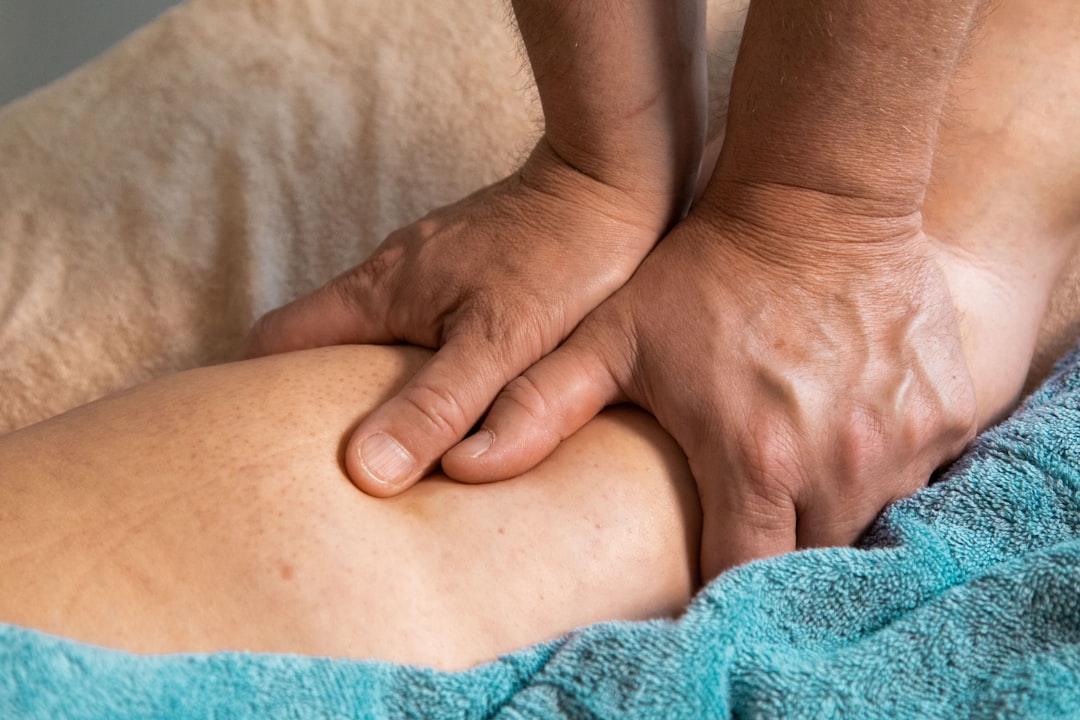
Here's what people don't expect about a sore elbow. The muscles driving the problem sit in your forearm, not at the elbow itself. Every time you grip something, your wrist extensor muscles pull on that lateral epicondyle tendon. A skilled therapist spends the session working the belly of the forearm, easing the muscles that load the tendon, rather than grinding away at the tender point that's begging to be left alone.
The Question A Good Therapist Asks
This is the detail that separates real expertise from guesswork-free marketing. Tendons remodel in response to load, so the most useful question your therapist asks has little to do with tennis. I usually look at how you hold your phone, grip your tools, and steer your car, since those small all-day holds reload the tendon far more often than a weekend sport does. A therapist who never asks about your daily grip is treating half the problem.
How Skilled Hands Calibrate The Work
An irritable tendon doesn't want maximum pressure. It wants pressure matched to where it sits that day. A strong sports massage therapist checks in about pressure, watches for guarding, and paces the work to how the tissue is responding rather than chasing depth for its own sake. Soreness should ease within a day, and a good therapist welcomes your feedback the whole way through.
Knowing When To Point You Elsewhere
A therapist worth choosing also knows the limits of the work. Massage eases the muscular load on the tendon, and it works alongside your doctor or physical therapist rather than replacing either. If your pain sharpens, spreads, or refuses to budge, the right therapist encourages a medical evaluation instead of selling you another session. That honesty is part of good care.
Let's Talk Through Your Elbow
If outer-elbow pain has been shaping how you grip, lift, and work, the right starting point is a real conversation. Look back through this article if the daily-grip idea made you rethink your own habits, then call me at (510) 409-8598. I'll talk through what your elbow has been doing and help you decide whether this work fits your situation.
When you ask which therapist treats tennis elbow best, you're really asking how to avoid wasting weeks on the wrong person. That outer-elbow pain has worn out its welcome, and you want it handled by someone who understands it. From my Castro Valley practice, I work with San Leandro clients sorting through exactly that worry. The honest answer is a set of things a good therapist should know and do.
What Tennis Elbow Is At The Elbow
Tennis elbow is a tendon problem at the lateral epicondyle, the bony bump on the outside of your elbow where your wrist extensor tendons anchor. Early irritation can involve some inflammation, though a stubborn, long-running case is usually a tendon stuck in failed healing instead. That distinction shapes what helps. A therapist who understands it won't simply hammer the sore spot and hope.
Why The Forearm Is The Worksite
Here's what people don't expect about a sore elbow. The muscles driving the problem sit in your forearm, not at the elbow itself. Every time you grip something, your wrist extensor muscles pull on that lateral epicondyle tendon. A skilled therapist spends the session working the belly of the forearm, easing the muscles that load the tendon, rather than grinding away at the tender point that's begging to be left alone.
The Question A Good Therapist Asks
This is the detail that separates real expertise from guesswork-free marketing. Tendons remodel in response to load, so the most useful question your therapist asks has little to do with tennis. I usually look at how you hold your phone, grip your tools, and steer your car, since those small all-day holds reload the tendon far more often than a weekend sport does. A therapist who never asks about your daily grip is treating half the problem.
How Skilled Hands Calibrate The Work
An irritable tendon doesn't want maximum pressure. It wants pressure matched to where it sits that day. A strong sports massage therapist checks in about pressure, watches for guarding, and paces the work to how the tissue is responding rather than chasing depth for its own sake. Soreness should ease within a day, and a good therapist welcomes your feedback the whole way through.
Knowing When To Point You Elsewhere
A therapist worth choosing also knows the limits of the work. Massage eases the muscular load on the tendon, and it works alongside your doctor or physical therapist rather than replacing either. If your pain sharpens, spreads, or refuses to budge, the right therapist encourages a medical evaluation instead of selling you another session. That honesty is part of good care.
Let's Talk Through Your Elbow
If outer-elbow pain has been shaping how you grip, lift, and work, the right starting point is a real conversation. Look back through this article if the daily-grip idea made you rethink your own habits, then call me at (510) 409-8598. I'll talk through what your elbow has been doing and help you decide whether this work fits your situation.
San Leandro, CA - Which Sports Massage Therapist Treats Tennis Elbow Best?
SYNOPSIS: Geri León explains plantar fasciitis relief starts in the calf, where releasing tension reduces strain on the heel and improves long-term mobility. Let skilled hands help you.
Choosing The Right Help For Tennis Elbow
BY: Geri León, Geri León
When you ask which therapist treats tennis elbow best, you're really asking how to avoid wasting weeks on the wrong person. That outer-elbow pain has worn out its welcome, and you want it handled by someone who understands it. From my Castro Valley practice, I work with San Leandro clients sorting through exactly that worry. The honest answer is a set of things a good therapist should know and do.
What Tennis Elbow Is At The Elbow
Tennis elbow is a tendon problem at the lateral epicondyle, the bony bump on the outside of your elbow where your wrist extensor tendons anchor. Early irritation can involve some inflammation, though a stubborn, long-running case is usually a tendon stuck in failed healing instead. That distinction shapes what helps. A therapist who understands it won't simply hammer the sore spot and hope.
Why The Forearm Is The Worksite
Here's what people don't expect about a sore elbow. The muscles driving the problem sit in your forearm, not at the elbow itself. Every time you grip something, your wrist extensor muscles pull on that lateral epicondyle tendon. A skilled therapist spends the session working the belly of the forearm, easing the muscles that load the tendon, rather than grinding away at the tender point that's begging to be left alone.
The Question A Good Therapist Asks
This is the detail that separates real expertise from guesswork-free marketing. Tendons remodel in response to load, so the most useful question your therapist asks has little to do with tennis. I usually look at how you hold your phone, grip your tools, and steer your car, since those small all-day holds reload the tendon far more often than a weekend sport does. A therapist who never asks about your daily grip is treating half the problem.
How Skilled Hands Calibrate The Work
An irritable tendon doesn't want maximum pressure. It wants pressure matched to where it sits that day. A strong sports massage therapist checks in about pressure, watches for guarding, and paces the work to how the tissue is responding rather than chasing depth for its own sake. Soreness should ease within a day, and a good therapist welcomes your feedback the whole way through.
Knowing When To Point You Elsewhere
A therapist worth choosing also knows the limits of the work. Massage eases the muscular load on the tendon, and it works alongside your doctor or physical therapist rather than replacing either. If your pain sharpens, spreads, or refuses to budge, the right therapist encourages a medical evaluation instead of selling you another session. That honesty is part of good care.
Let's Talk Through Your Elbow
If outer-elbow pain has been shaping how you grip, lift, and work, the right starting point is a real conversation. Look back through this article if the daily-grip idea made you rethink your own habits, then call me at (510) 409-8598. I'll talk through what your elbow has been doing and help you decide whether this work fits your situation.