 Chronic tension often develops gradually. Long hours at a desk, repetitive movements, stress, or past injuries can cause muscles to tighten and posture to shift over time. When the body remains in this state, discomfort becomes routine, and alignment begins to suffer. In Castro Valley, many clients seek massage therapy as a natural way to address ongoing tension and support better balance in the body.
I work with clients experiencing tight shoulders, neck stiffness, lower back discomfort, or hip imbalance. Massage therapy provides focused care designed to release muscle tightness while supporting healthier posture and movement patterns.
Understanding Chronic Tension
Chronic tension occurs when muscles remain contracted for extended periods. This can restrict circulation, limit mobility, and place uneven pressure on joints. Over time, these imbalances may affect posture and contribute to recurring discomfort.
Tension often shows up in the neck, shoulders, lower back, and hips. However, tightness in one area can influence other parts of the body. For example, restricted hip movement may affect the lower back, while shoulder tension may impact neck alignment.
How Massage Supports Alignment
Massage therapy helps release tight muscles and improve flexibility. When tension decreases, the body can move more freely and maintain better posture. Improved circulation also supports tissue health and muscle recovery.
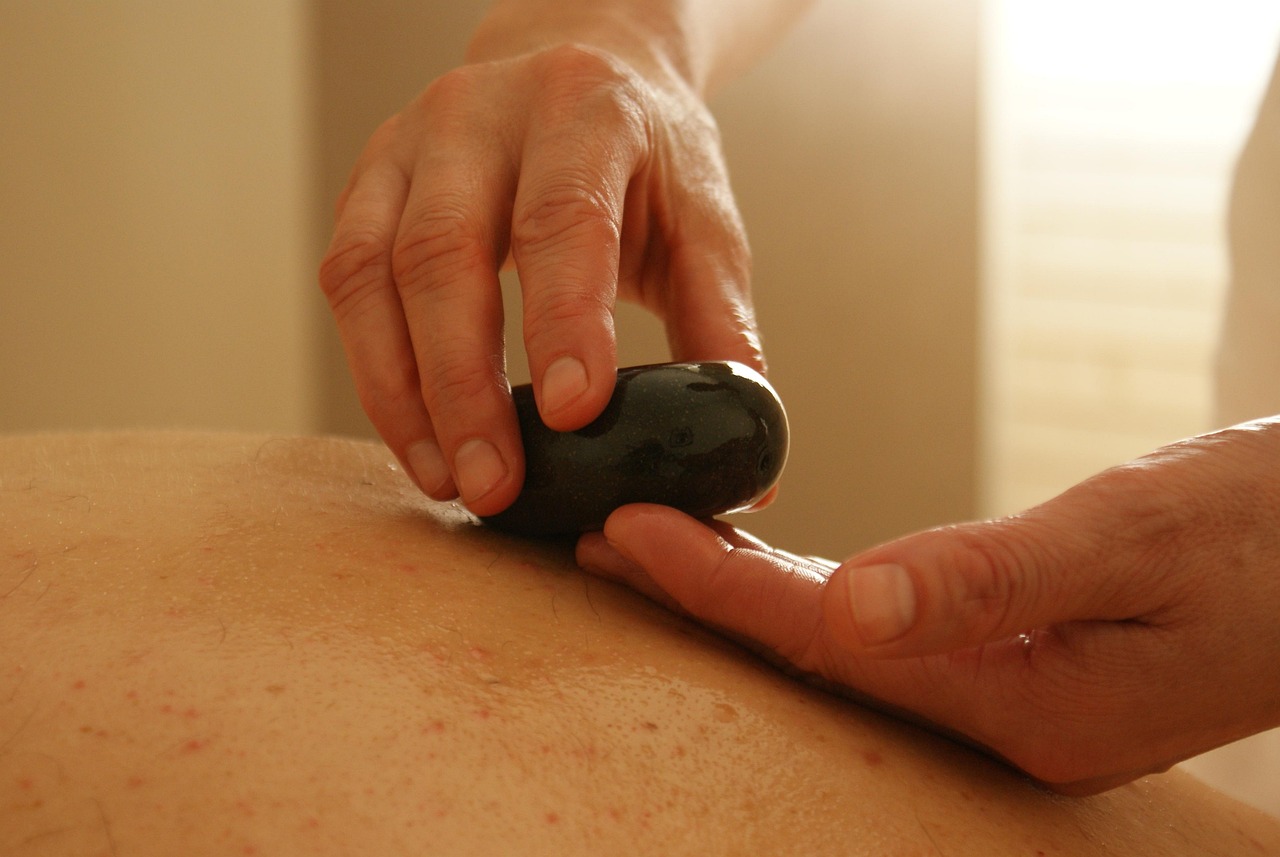
I often incorporate techniques such as myofascial release, compression, trigger point work, and stretching to address areas contributing to imbalance. By focusing on both the primary area of discomfort and related muscle groups, massage therapy supports a more balanced structure.
Improving Posture and Daily Comfort
Poor posture is frequently linked to muscle imbalance. When certain muscles become tight and others weaken, the body compensates. This compensation can create strain and discomfort throughout the day.
Massage therapy helps restore flexibility in tight muscles, allowing the body to settle into a more neutral alignment. Many clients report feeling taller, lighter, and more balanced after regular sessions. Improved posture often reduces strain during daily activities.
Reducing Stress-Related Tension
Emotional stress often contributes to chronic tension. The body may respond to stress by tightening muscles, especially in the shoulders and upper back. Over time, this pattern becomes habitual.
Massage therapy supports relaxation by calming the nervous system and encouraging deeper breathing. As the body relaxes, muscle tension begins to release. Addressing both physical and stress-related factors allows for more comprehensive support.
A Personalized Approach to Alignment
Everybody has unique tension patterns. I begin each session by discussing where you feel discomfort and how it affects your daily life. Pressure and techniques are adjusted based on your comfort level and goals.
By tailoring each session, massage therapy becomes a targeted approach rather than a general treatment. This individualized focus helps support lasting improvements in both comfort and alignment.
Restore Balance Through Massage Therapy
Chronic tension does not have to become a permanent part of daily life. Massage therapy offers a supportive way to release tightness, improve posture, and encourage healthier movement.
Chronic tension often develops gradually. Long hours at a desk, repetitive movements, stress, or past injuries can cause muscles to tighten and posture to shift over time. When the body remains in this state, discomfort becomes routine, and alignment begins to suffer. In Castro Valley, many clients seek massage therapy as a natural way to address ongoing tension and support better balance in the body.
I work with clients experiencing tight shoulders, neck stiffness, lower back discomfort, or hip imbalance. Massage therapy provides focused care designed to release muscle tightness while supporting healthier posture and movement patterns.
Understanding Chronic Tension
Chronic tension occurs when muscles remain contracted for extended periods. This can restrict circulation, limit mobility, and place uneven pressure on joints. Over time, these imbalances may affect posture and contribute to recurring discomfort.
Tension often shows up in the neck, shoulders, lower back, and hips. However, tightness in one area can influence other parts of the body. For example, restricted hip movement may affect the lower back, while shoulder tension may impact neck alignment.
How Massage Supports Alignment
Massage therapy helps release tight muscles and improve flexibility. When tension decreases, the body can move more freely and maintain better posture. Improved circulation also supports tissue health and muscle recovery.
I often incorporate techniques such as myofascial release, compression, trigger point work, and stretching to address areas contributing to imbalance. By focusing on both the primary area of discomfort and related muscle groups, massage therapy supports a more balanced structure.
Improving Posture and Daily Comfort
Poor posture is frequently linked to muscle imbalance. When certain muscles become tight and others weaken, the body compensates. This compensation can create strain and discomfort throughout the day.
Massage therapy helps restore flexibility in tight muscles, allowing the body to settle into a more neutral alignment. Many clients report feeling taller, lighter, and more balanced after regular sessions. Improved posture often reduces strain during daily activities.
Reducing Stress-Related Tension
Emotional stress often contributes to chronic tension. The body may respond to stress by tightening muscles, especially in the shoulders and upper back. Over time, this pattern becomes habitual.
Massage therapy supports relaxation by calming the nervous system and encouraging deeper breathing. As the body relaxes, muscle tension begins to release. Addressing both physical and stress-related factors allows for more comprehensive support.
A Personalized Approach to Alignment
Everybody has unique tension patterns. I begin each session by discussing where you feel discomfort and how it affects your daily life. Pressure and techniques are adjusted based on your comfort level and goals.
By tailoring each session, massage therapy becomes a targeted approach rather than a general treatment. This individualized focus helps support lasting improvements in both comfort and alignment.
Restore Balance Through Massage Therapy
Chronic tension does not have to become a permanent part of daily life. Massage therapy offers a supportive way to release tightness, improve posture, and encourage healthier movement.
Castro Valley, CA - Massage Therapy for Chronic Tension and Body Alignment
SYNOPSIS: Learn how massage therapy in Castro Valley, CA, supports relief from chronic tension and promotes better body alignment. Discover how personalized techniques help reduce tightness and improve posture.
Massage Care for Chronic Tension and Poor Alignment
BY: Geri León, Geri León
Chronic tension often develops gradually. Long hours at a desk, repetitive movements, stress, or past injuries can cause muscles to tighten and posture to shift over time. When the body remains in this state, discomfort becomes routine, and alignment begins to suffer. In Castro Valley, many clients seek massage therapy as a natural way to address ongoing tension and support better balance in the body.
I work with clients experiencing tight shoulders, neck stiffness, lower back discomfort, or hip imbalance. Massage therapy provides focused care designed to release muscle tightness while supporting healthier posture and movement patterns.
Understanding Chronic Tension
Chronic tension occurs when muscles remain contracted for extended periods. This can restrict circulation, limit mobility, and place uneven pressure on joints. Over time, these imbalances may affect posture and contribute to recurring discomfort.
Tension often shows up in the neck, shoulders, lower back, and hips. However, tightness in one area can influence other parts of the body. For example, restricted hip movement may affect the lower back, while shoulder tension may impact neck alignment.
How Massage Supports Alignment
Massage therapy helps release tight muscles and improve flexibility. When tension decreases, the body can move more freely and maintain better posture. Improved circulation also supports tissue health and muscle recovery.
I often incorporate techniques such as myofascial release, compression, trigger point work, and stretching to address areas contributing to imbalance. By focusing on both the primary area of discomfort and related muscle groups, massage therapy supports a more balanced structure.
Improving Posture and Daily Comfort
Poor posture is frequently linked to muscle imbalance. When certain muscles become tight and others weaken, the body compensates. This compensation can create strain and discomfort throughout the day.
Massage therapy helps restore flexibility in tight muscles, allowing the body to settle into a more neutral alignment. Many clients report feeling taller, lighter, and more balanced after regular sessions. Improved posture often reduces strain during daily activities.
Reducing Stress-Related Tension
Emotional stress often contributes to chronic tension. The body may respond to stress by tightening muscles, especially in the shoulders and upper back. Over time, this pattern becomes habitual.
Massage therapy supports relaxation by calming the nervous system and encouraging deeper breathing. As the body relaxes, muscle tension begins to release. Addressing both physical and stress-related factors allows for more comprehensive support.
A Personalized Approach to Alignment
Everybody has unique tension patterns. I begin each session by discussing where you feel discomfort and how it affects your daily life. Pressure and techniques are adjusted based on your comfort level and goals.
By tailoring each session, massage therapy becomes a targeted approach rather than a general treatment. This individualized focus helps support lasting improvements in both comfort and alignment.
Restore Balance Through Massage Therapy
Chronic tension does not have to become a permanent part of daily life. Massage therapy offers a supportive way to release tightness, improve posture, and encourage healthier movement.