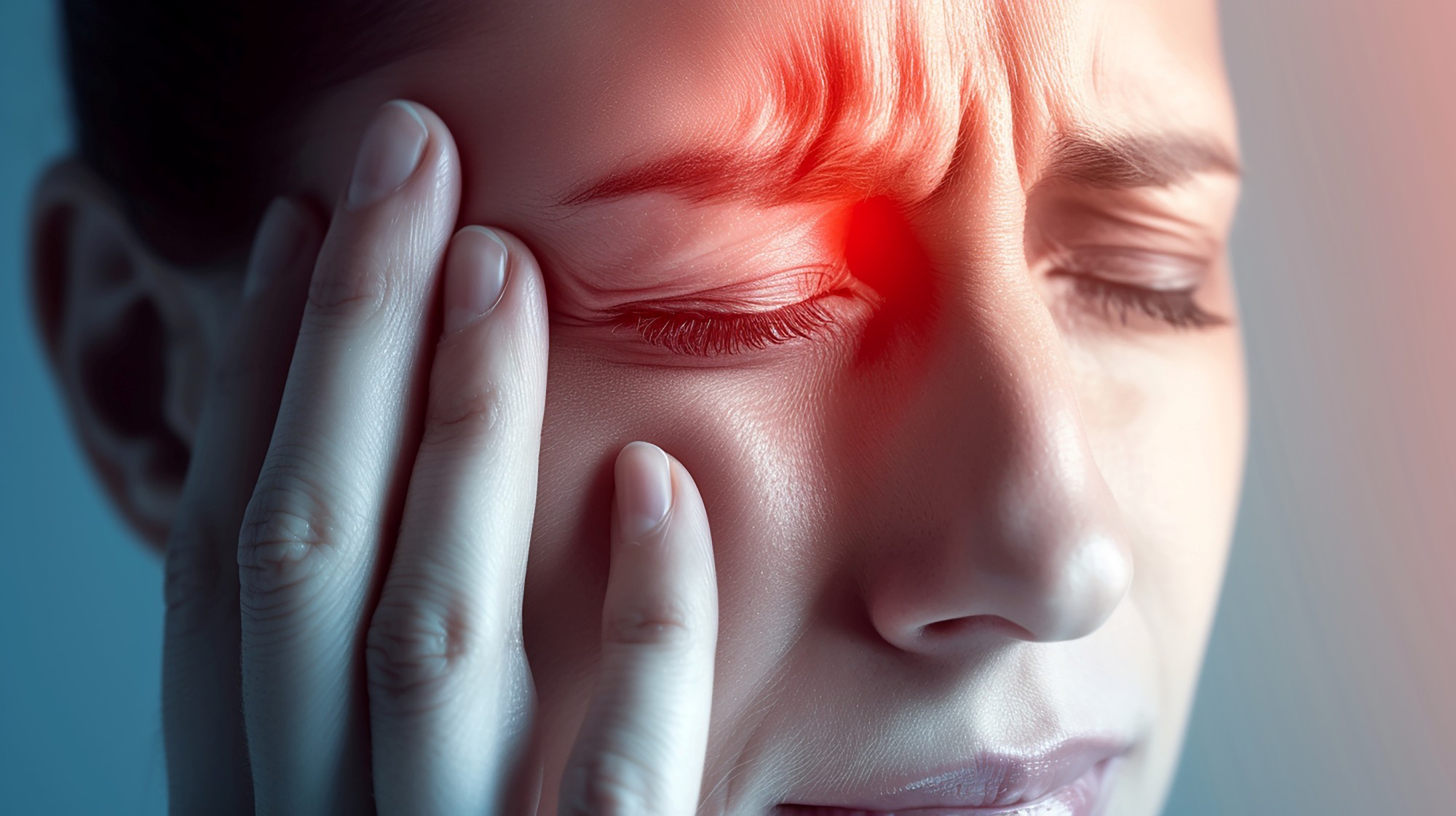
 Migraine sufferers often seek alternatives to medication for managing pain and preventing attacks. Massage therapy helps ease muscle tension, reduce stress, and improve blood flow, especially around the neck and shoulders.
Techniques such as craniosacral therapy and trigger point massage can lower the frequency and severity of migraines. These approaches also promote relaxation, which is key to migraine prevention.
Reducing Muscle Tension in Key Areas
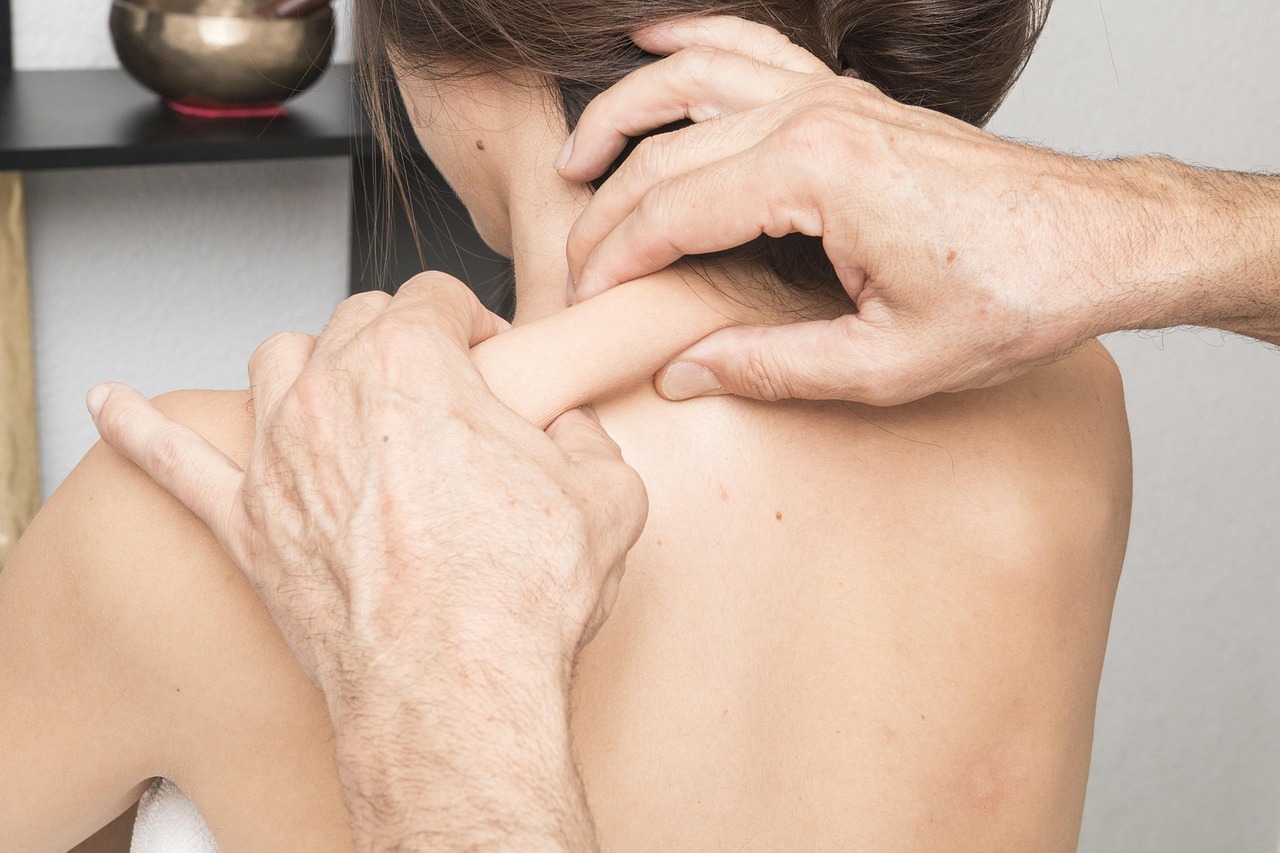
One common trigger for migraines is muscle tension, especially in the neck, shoulders, and upper back. Tight muscles in these areas can constrict blood vessels and nerves, leading to headache pain. Massage therapy targets these tense muscles with techniques like deep tissue and trigger point massage, loosening knots, and improving circulation. By releasing tension, massage can reduce pressure on nerves and promote relaxation, potentially preventing migraine onset.
Enhancing Blood Flow and Oxygenation
Improved circulation plays a vital role in migraine management. Massage stimulates blood flow, which increases oxygen delivery to brain tissues and helps clear out metabolic waste. Restricted blood flow has been linked to migraine symptoms, so enhancing circulation can ease vascular constriction and reduce headache intensity. Regular massage sessions can support overall vascular health, contributing to fewer migraine episodes over time.
Activating the Parasympathetic Nervous System
Migraines often worsen with stress and anxiety, which activate the sympathetic nervous system, the body’s “fight or flight” response. Massage encourages activation of the parasympathetic nervous system, responsible for “rest and digest” functions. This shift promotes deep relaxation, lowers heart rate, and decreases stress hormone levels, helping to alleviate migraine symptoms and improve coping mechanisms during attacks.
Targeting Specific Pressure Points
Certain massage techniques focus on acupressure points believed to influence headache relief. For example, applying gentle pressure to points around the base of the skull, temples, and between the eyebrows can ease tension and stimulate endorphin release. Therapists trained in these methods incorporate them into sessions tailored to migraine sufferers, offering non-invasive, drug-free symptom management.
Supporting Overall Well-being
Beyond addressing immediate migraine symptoms, massage therapy contributes to overall wellness. Improved sleep, reduced anxiety, and better posture are all benefits that can indirectly reduce migraine frequency. By creating a regular routine of self-care and relaxation, massage helps individuals manage their condition more effectively and improve their quality of life.
When massage becomes part of their routine wellness plan, clients notice fewer headaches. Therapists tailor each session to individual triggers and sensitivities. Reducing muscle tension leads to less pressure on nerves linked to migraine symptoms. Over time, massage becomes an effective way to support neurological and physical well-being.
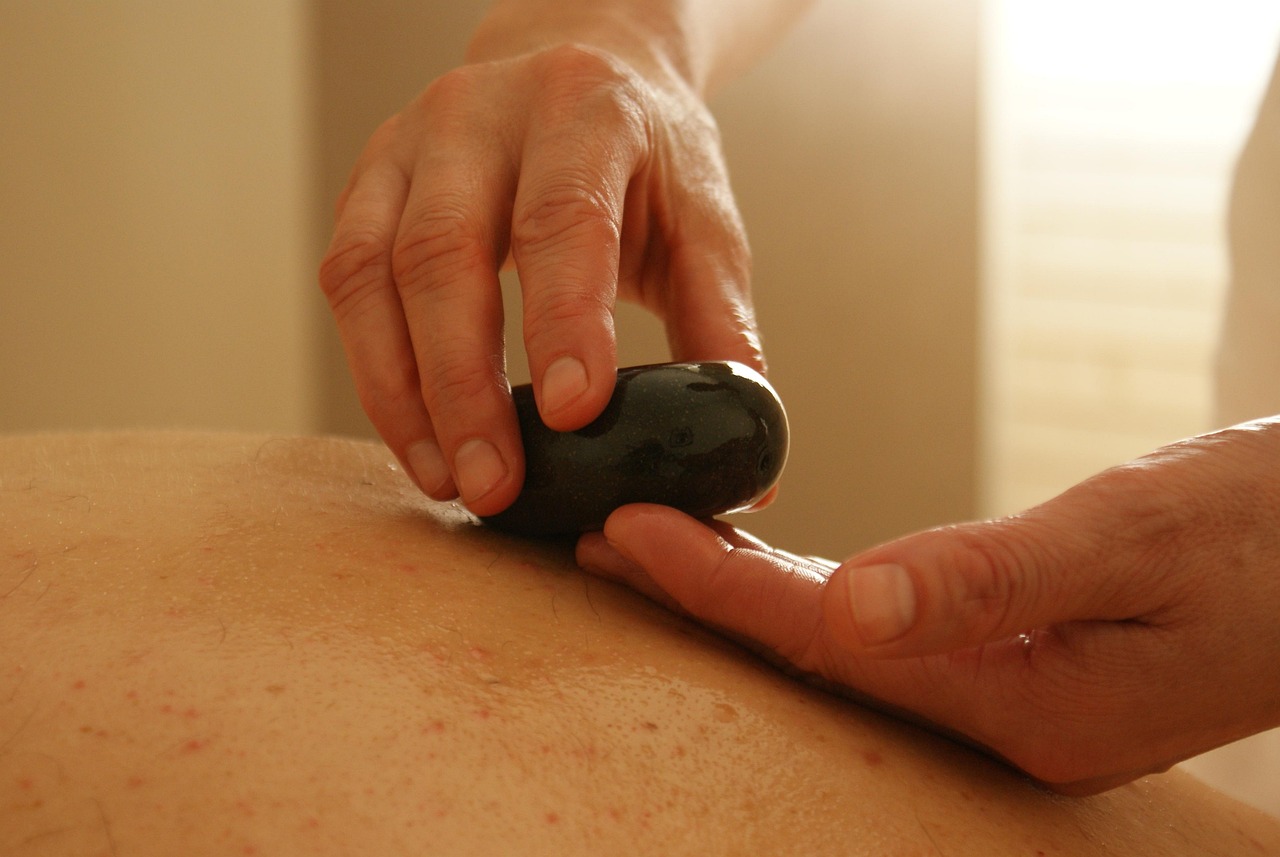
My name is Geri León, and I am a certified massage therapist specializing in a diverse range of massage techniques and therapeutic services. With a holistic approach to well-being, I offer treatments such as acupressure, hot stones, and prenatal massages. My expertise extends to providing relief for specific conditions like carpal tunnel syndrome, trauma aftercare, and post-surgery rehabilitation. Whether it's alleviating headaches, addressing sciatica, or supporting postpartum recovery, I tailor each session to meet the unique needs of my clients. While we’re based in Castro Valley, we’re only a short drive from Pleasanton. Contact me today to schedule your personalized massage session if you're ready to experience rejuvenation and relief.
Migraine sufferers often seek alternatives to medication for managing pain and preventing attacks. Massage therapy helps ease muscle tension, reduce stress, and improve blood flow, especially around the neck and shoulders.
Techniques such as craniosacral therapy and trigger point massage can lower the frequency and severity of migraines. These approaches also promote relaxation, which is key to migraine prevention.
Reducing Muscle Tension in Key Areas
One common trigger for migraines is muscle tension, especially in the neck, shoulders, and upper back. Tight muscles in these areas can constrict blood vessels and nerves, leading to headache pain. Massage therapy targets these tense muscles with techniques like deep tissue and trigger point massage, loosening knots, and improving circulation. By releasing tension, massage can reduce pressure on nerves and promote relaxation, potentially preventing migraine onset.
Enhancing Blood Flow and Oxygenation
Improved circulation plays a vital role in migraine management. Massage stimulates blood flow, which increases oxygen delivery to brain tissues and helps clear out metabolic waste. Restricted blood flow has been linked to migraine symptoms, so enhancing circulation can ease vascular constriction and reduce headache intensity. Regular massage sessions can support overall vascular health, contributing to fewer migraine episodes over time.
Activating the Parasympathetic Nervous System
Migraines often worsen with stress and anxiety, which activate the sympathetic nervous system, the body’s “fight or flight” response. Massage encourages activation of the parasympathetic nervous system, responsible for “rest and digest” functions. This shift promotes deep relaxation, lowers heart rate, and decreases stress hormone levels, helping to alleviate migraine symptoms and improve coping mechanisms during attacks.
Targeting Specific Pressure Points
Certain massage techniques focus on acupressure points believed to influence headache relief. For example, applying gentle pressure to points around the base of the skull, temples, and between the eyebrows can ease tension and stimulate endorphin release. Therapists trained in these methods incorporate them into sessions tailored to migraine sufferers, offering non-invasive, drug-free symptom management.
Supporting Overall Well-being
Beyond addressing immediate migraine symptoms, massage therapy contributes to overall wellness. Improved sleep, reduced anxiety, and better posture are all benefits that can indirectly reduce migraine frequency. By creating a regular routine of self-care and relaxation, massage helps individuals manage their condition more effectively and improve their quality of life.
When massage becomes part of their routine wellness plan, clients notice fewer headaches. Therapists tailor each session to individual triggers and sensitivities. Reducing muscle tension leads to less pressure on nerves linked to migraine symptoms. Over time, massage becomes an effective way to support neurological and physical well-being.
My name is Geri León, and I am a certified massage therapist specializing in a diverse range of massage techniques and therapeutic services. With a holistic approach to well-being, I offer treatments such as acupressure, hot stones, and prenatal massages. My expertise extends to providing relief for specific conditions like carpal tunnel syndrome, trauma aftercare, and post-surgery rehabilitation. Whether it's alleviating headaches, addressing sciatica, or supporting postpartum recovery, I tailor each session to meet the unique needs of my clients. While we’re based in Castro Valley, we’re only a short drive from Pleasanton. Contact me today to schedule your personalized massage session if you're ready to experience rejuvenation and relief.
Pleasanton, CA - Can Massage Therapy Services Help With Migraine Headaches?
SYNOPSIS: California residents explore whether massage therapy services can provide real relief for migraine headaches through specialized treatment methods with certified massage therapist Geri León.
Explaining How Massage Therapy Services Can Help
BY: Geri León, Geri León
Migraine sufferers often seek alternatives to medication for managing pain and preventing attacks. Massage therapy helps ease muscle tension, reduce stress, and improve blood flow, especially around the neck and shoulders.
Techniques such as craniosacral therapy and trigger point massage can lower the frequency and severity of migraines. These approaches also promote relaxation, which is key to migraine prevention.
Reducing Muscle Tension in Key Areas
One common trigger for migraines is muscle tension, especially in the neck, shoulders, and upper back. Tight muscles in these areas can constrict blood vessels and nerves, leading to headache pain. Massage therapy targets these tense muscles with techniques like deep tissue and trigger point massage, loosening knots, and improving circulation. By releasing tension, massage can reduce pressure on nerves and promote relaxation, potentially preventing migraine onset.
Enhancing Blood Flow and Oxygenation
Improved circulation plays a vital role in migraine management. Massage stimulates blood flow, which increases oxygen delivery to brain tissues and helps clear out metabolic waste. Restricted blood flow has been linked to migraine symptoms, so enhancing circulation can ease vascular constriction and reduce headache intensity. Regular massage sessions can support overall vascular health, contributing to fewer migraine episodes over time.
Activating the Parasympathetic Nervous System
Migraines often worsen with stress and anxiety, which activate the sympathetic nervous system, the body’s “fight or flight” response. Massage encourages activation of the parasympathetic nervous system, responsible for “rest and digest” functions. This shift promotes deep relaxation, lowers heart rate, and decreases stress hormone levels, helping to alleviate migraine symptoms and improve coping mechanisms during attacks.
Targeting Specific Pressure Points
Certain massage techniques focus on acupressure points believed to influence headache relief. For example, applying gentle pressure to points around the base of the skull, temples, and between the eyebrows can ease tension and stimulate endorphin release. Therapists trained in these methods incorporate them into sessions tailored to migraine sufferers, offering non-invasive, drug-free symptom management.
Supporting Overall Well-being
Beyond addressing immediate migraine symptoms, massage therapy contributes to overall wellness. Improved sleep, reduced anxiety, and better posture are all benefits that can indirectly reduce migraine frequency. By creating a regular routine of self-care and relaxation, massage helps individuals manage their condition more effectively and improve their quality of life.
When massage becomes part of their routine wellness plan, clients notice fewer headaches. Therapists tailor each session to individual triggers and sensitivities. Reducing muscle tension leads to less pressure on nerves linked to migraine symptoms. Over time, massage becomes an effective way to support neurological and physical well-being.
My name is Geri León, and I am a certified massage therapist specializing in a diverse range of massage techniques and therapeutic services. With a holistic approach to well-being, I offer treatments such as acupressure, hot stones, and prenatal massages. My expertise extends to providing relief for specific conditions like carpal tunnel syndrome, trauma aftercare, and post-surgery rehabilitation. Whether it's alleviating headaches, addressing sciatica, or supporting postpartum recovery, I tailor each session to meet the unique needs of my clients. While we’re based in Castro Valley, we’re only a short drive from Pleasanton. Contact me today to schedule your personalized massage session if you're ready to experience rejuvenation and relief.