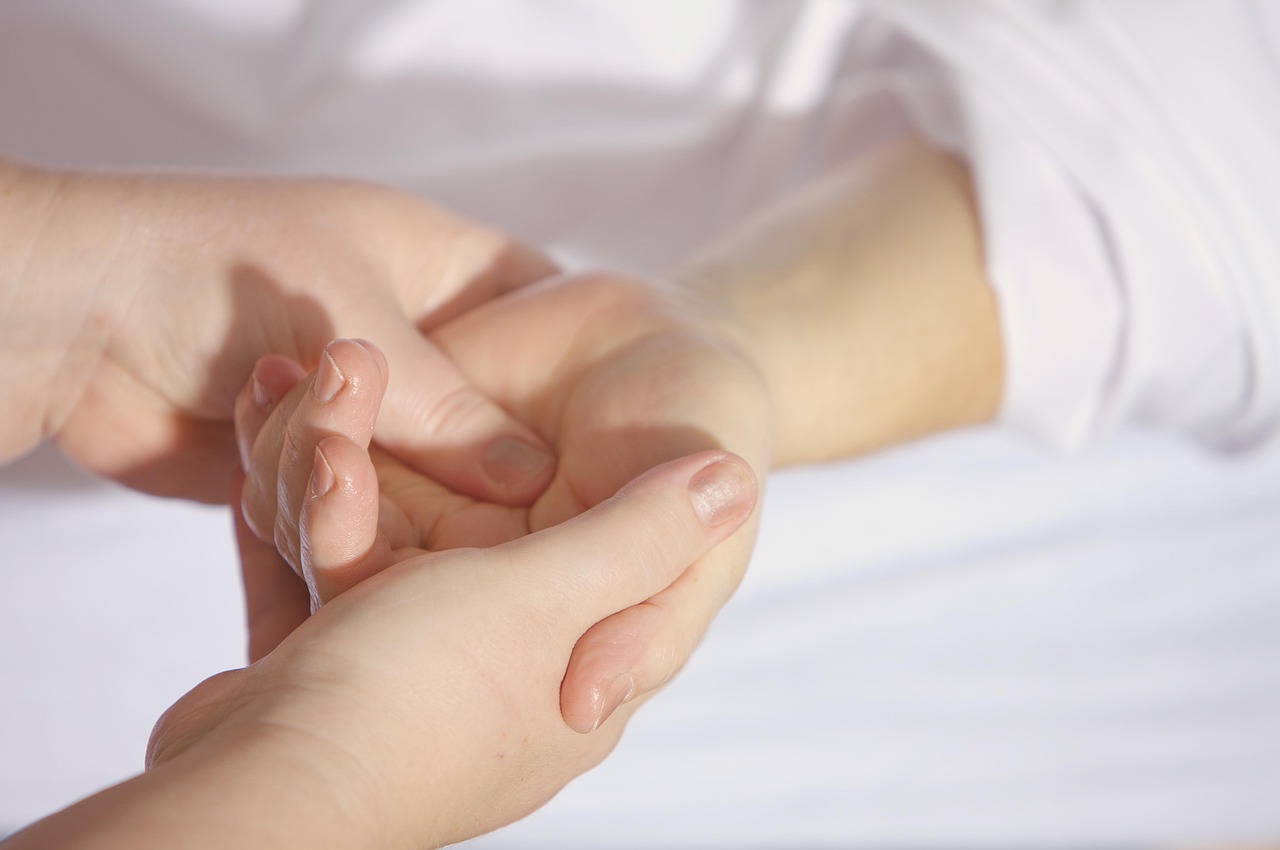
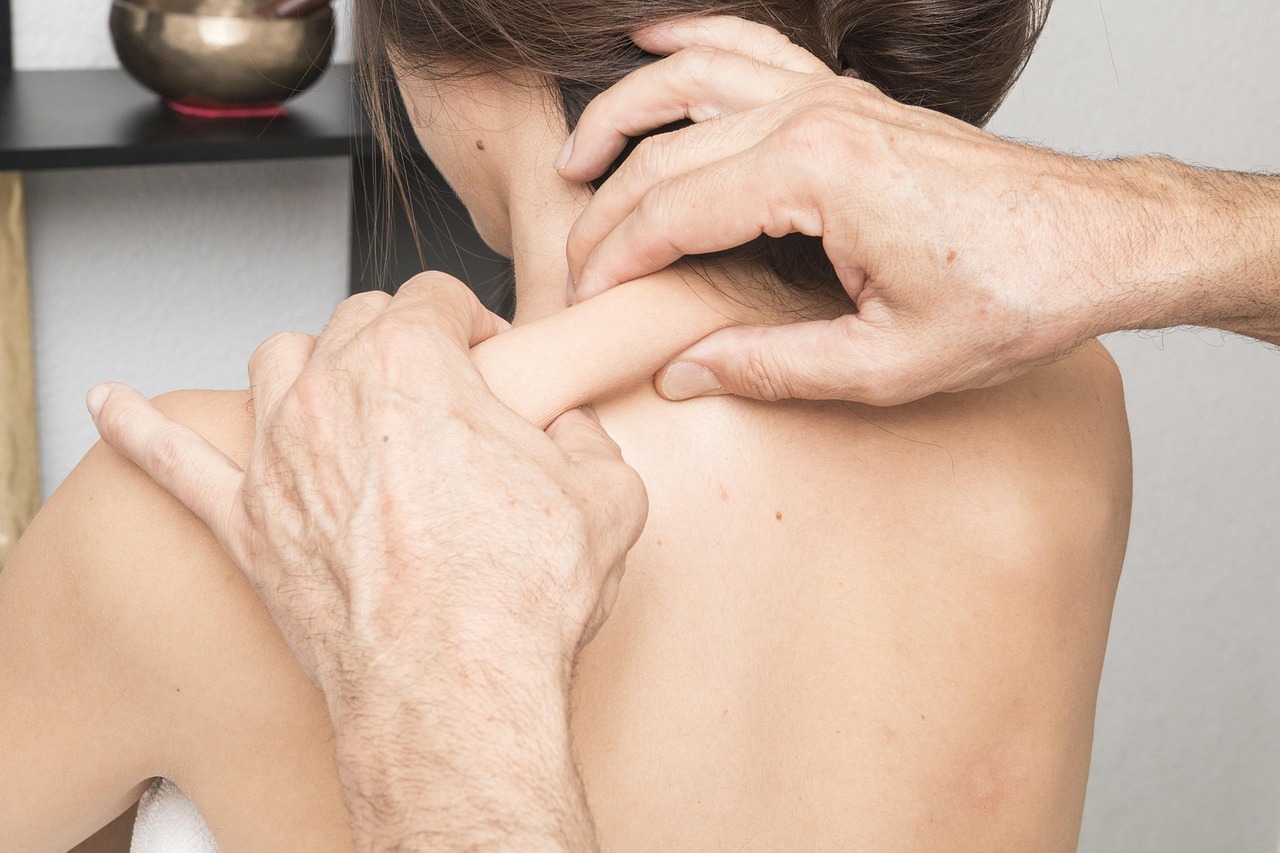
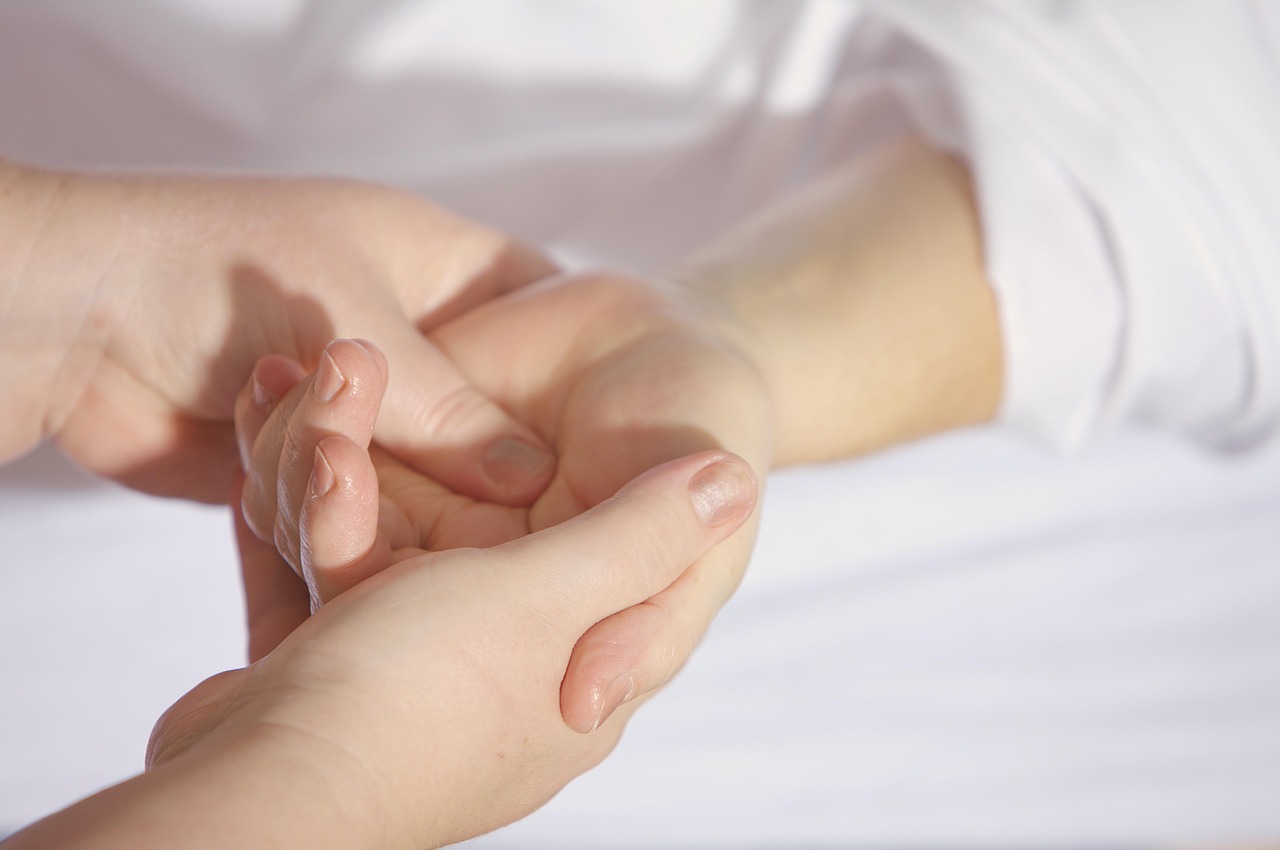
 Thai massage, also known as "Nuad Bo-Rarn" in its traditional form, spans over 2,500 years. Originating from India and popularized in Thailand, this ancient practice combines acupressure, yoga, and Zen Shiatsu. Unlike many other types of massage, Thai massage is performed with the recipient fully clothed and not using oils or lotions.
Key Techniques of Thai Massage
Thai massage utilizes a variety of techniques, making it a unique experience. Here are some key techniques used:
Thai massage, also known as "Nuad Bo-Rarn" in its traditional form, spans over 2,500 years. Originating from India and popularized in Thailand, this ancient practice combines acupressure, yoga, and Zen Shiatsu. Unlike many other types of massage, Thai massage is performed with the recipient fully clothed and not using oils or lotions.
Key Techniques of Thai Massage
Thai massage utilizes a variety of techniques, making it a unique experience. Here are some key techniques used:
- Pressure Points: Therapists apply firm, rhythmic pressure along the body's "Sen" lines (energy lines) using their thumbs, hands, elbows, knees, and feet.
- Stretching: Thai massage incorporates yoga-like stretches to improve flexibility, relieve joint and muscle tension, and enhance the flow of energy.
- Compression: Therapists use gentle, rhythmic compression along the body's energy lines to relax the body and prepare it for stretching.
- Positioning: Throughout the massage, therapists guide recipients through a series of postures, similar to yogic asanas, to enhance the effectiveness of the massage.
- Active Individuals and Athletes: With its emphasis on stretching and joint mobilization, Thai massage can help improve flexibility, relieve muscle tension, and promote quicker recovery from workouts or sporting activities.
- Individuals with Desk Jobs: If you spend much of your day sitting, you might suffer from stiffness and pain in the neck, shoulders, and back. The stretching and pressure techniques in Thai massage can help alleviate these discomforts, improving posture and ergonomics.
- Stress and Anxiety Sufferers: Thai massage's rhythmic, meditative nature can help calm the mind and reduce stress, making it beneficial for those with high stress levels or anxiety.