Most people with stubborn back pain have already been handed exercises. Maybe from a doctor, maybe from the internet, maybe from a previous course of therapy. And they've done them, more or less, without much changing.
There's often a specific reason those exercises underdelivered, and it explains what manual therapy adds.
The Stiffness Nobody Mentions
Chronic back pain does something to the area over time. Muscles tighten protectively. Individual spinal segments stop contributing their normal share of motion. Tissue becomes restricted. The whole region starts moving as one rigid block rather than a coordinated series of parts.
That stiffness is both caused by the pain and a cause of continuing pain.
Why Exercise Alone Struggles With It
Here's the practical problem. A spinal segment that's stopped moving doesn't start moving just because you're doing a strengthening program. You can build core strength around a stiff, guarded back and still have a stiff, guarded back.
Worse, exercising a painful back that won't move well often means doing the exercises poorly, compensating with other areas, and getting limited benefit from work that would otherwise help.
What The Hands-On Work Does
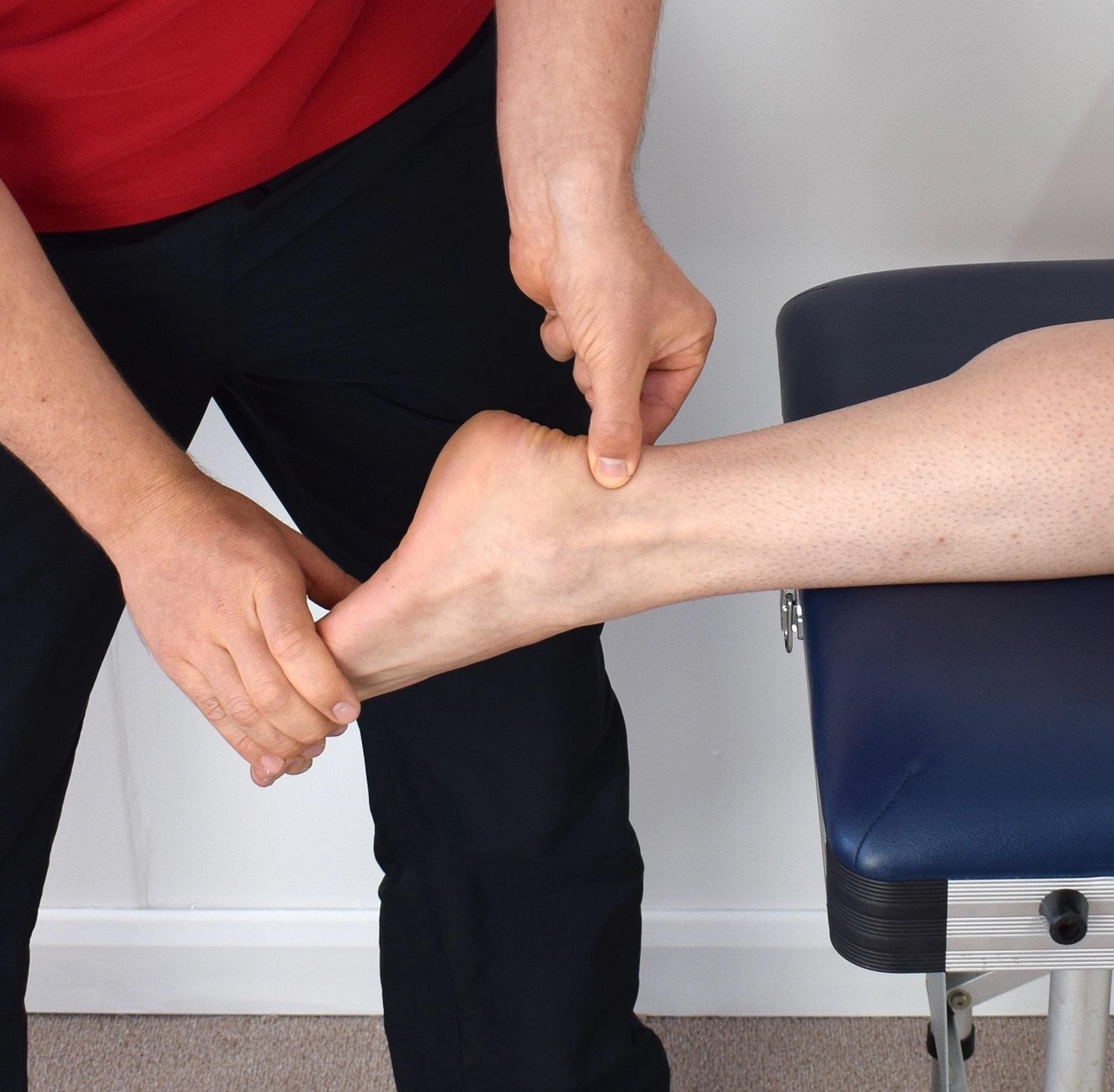
A therapist assesses how individual segments move, then uses specific techniques to mobilize the restricted ones and release guarded tissue.
- Restores motion to segments that have stopped contributing
- Releases muscles stuck in protective contraction
- Frees restricted soft tissue limiting movement
- Reduces pain enough that active work becomes productive
That last one is the real function. It opens the door for everything else.
Why There's Often No Single Culprit
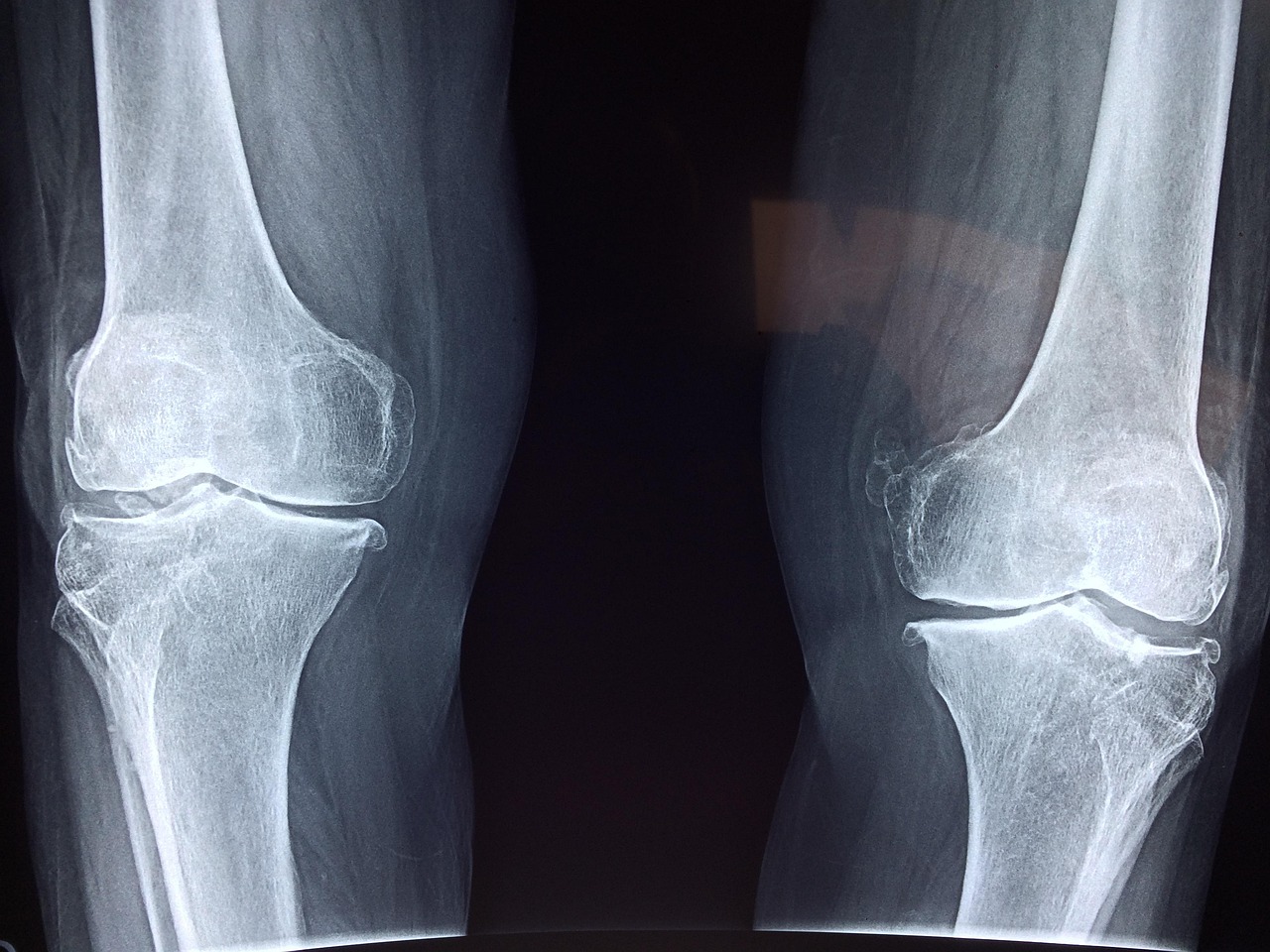
Worth understanding if you've been frustrated by vague answers. For most chronic lower back pain, there isn't one identifiable structure to blame. Imaging shows disc changes and arthritis in plenty of people who feel fine, and sometimes shows very little in people who hurt daily.
That mismatch is discouraging if you want a clean diagnosis, but it reframes things usefully. If there's no single broken part, then treatment aimed at hunting for one will keep disappointing. What helps instead is addressing the stiffness, the weakness, and the daily loading together.
Why It Isn't Enough By Itself
Being honest. Hands-on treatment alone produces improvement that fades over the following weeks. You've restored motion without changing why the area stiffened.
So it pairs with strengthening for the core and hips, movement retraining, and changes to the daily habits loading your spine. That combination is what holds.
What To Expect
Weeks of consistent work rather than a dramatic single session. Anyone promising to fix months of back pain in one visit is overselling it.
Back pain that exercises haven't touched? Modern Medicine of Tucson, AZ can combine both halves. Reach us by phone or the online booking form.