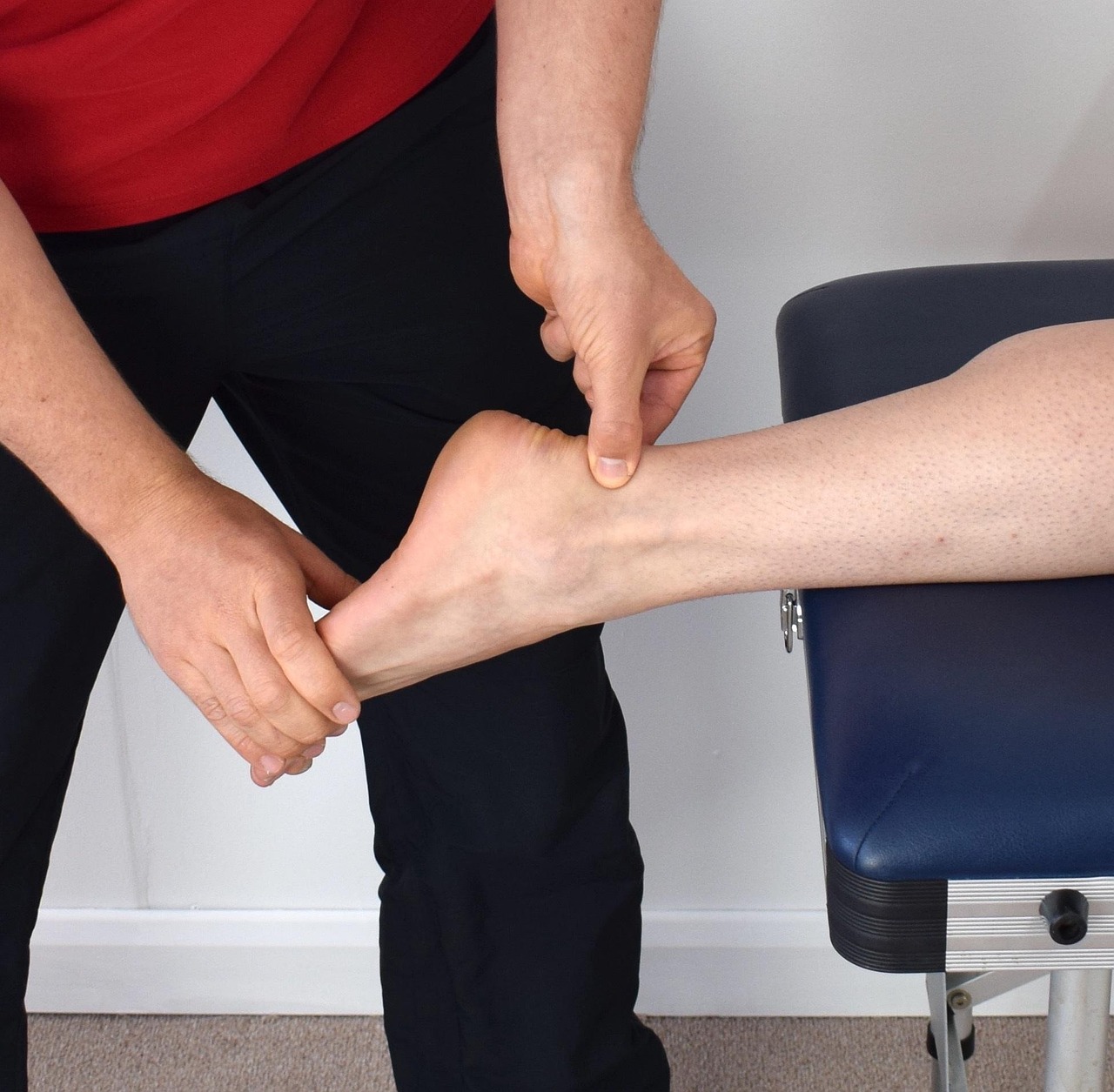
Ask a clinician one question about tendon pain and you'll learn most of what matters: how long has it been going on? Two weeks and six months are not the same condition, even in the same tendon, and treating them the same way is why so many people stay stuck.
Two Weeks Versus Six Months
A recently irritated tendon has genuine inflammation involved. Backing off, managing the irritation, and letting it settle often does the job.
A tendon that's hurt for months is a different animal. The inflammation has largely resolved and been replaced by something structural. The fibers inside have become disorganized and the tendon has lost capacity. It can't handle what it used to.
Same location, same name, completely different problem.
Why That Distinction Matters So Much
Because the treatment that works for one fails for the other. Rest and anti-inflammatories suit an acute flare. Apply them to a chronic tendon and you calm the symptoms while the underlying tissue stays exactly as weak, which is why it flares the moment you resume normal life.
That mismatch explains many cases of tendon pain that's lasted a year.
Where This Shows Up Most
The pattern plays out in the same handful of places. Achilles tendons in runners and walkers. Elbows in anyone who grips and twists all day. Shoulders in people who work or train overhead. Knee tendons below the kneecap in anyone doing repeated jumping or squatting.
Different locations, identical story. Something got loaded faster than it could adapt; the tissue started breaking down, and the usual advice never addressed the capacity problem underneath.
Treating The Chronic Version
Loading it. Controlled, progressive load is what drives a tendon to rebuild, and it's the best-supported treatment in this area.
- Starting at what your tendon tolerates today
- Building gradually across weeks, not days
- Slow, controlled movement, which loads tissue effectively
- Strengthening the attached muscle alongside it
- Managing total activity so you're not undoing the work
Discomfort during the exercises is expected. Sharp pain, or worse pain the next morning, means back off the dose.
The Instinct You Have To Override
Deliberately loading something sore feels wrong. Every protective instinct says do less. But for a chronic tendon, protection is precisely what's kept you here.
What Else Gets Sorted
The activity that overloaded it in the first place needs addressing, whether that's technique, tool fit, or how quickly you ramped something up. Otherwise, you rebuild the tendon and immediately overload it again.
Tendon pain you've been managing for months? Modern Medicine of Tucson, AZ can treat what you actually have. Reach us by phone or the online booking form.