People with hip joint trouble often bring up their socks first. The hip doesn’t want to bend that far anymore, so they sit on the edge of the bed and work at it. Getting out of a low car seat is another one. So is the walk up Tumamoc Hill that used to be easy and now leaves a deep ache in the front of the hip for the rest of the day. If that’s been going on for months, there’s a good chance the problem is inside the joint.
Surgery isn’t usually where this ends up. Plenty of people who come in thinking they need a new hip end up doing fine with therapy.
Figuring Out If It’s the Joint
Where you feel it says a lot. A sore spot on the outside of the hip is usually a tendon or a bursa. If it’s more in the buttock, the lower back could be the source. Joint pain is different. Most people feel it in the groin, or they rub the front of the hip when they describe it.
It’s often stiff too. Mornings are rough, and so is standing up after a movie. Turning quickly to grab something can send a sharp twinge through it.
What Wears on the Hip Joint
Inside, the hip is a ball sitting in a socket. Both surfaces are coated in slick cartilage, and there’s a firmer rim of cartilage around the edge of the socket that helps keep the ball snug. When the pain is long-term, it’s usually from one of these:
- Arthritis, where the smooth cartilage wears thin over time
- A tear in the ring of cartilage around the socket
- Hip impingement, where the bones are shaped in a way that makes them pinch during certain movements
- Old injuries that changed how the joint moves
How Non-Surgical Care Helps
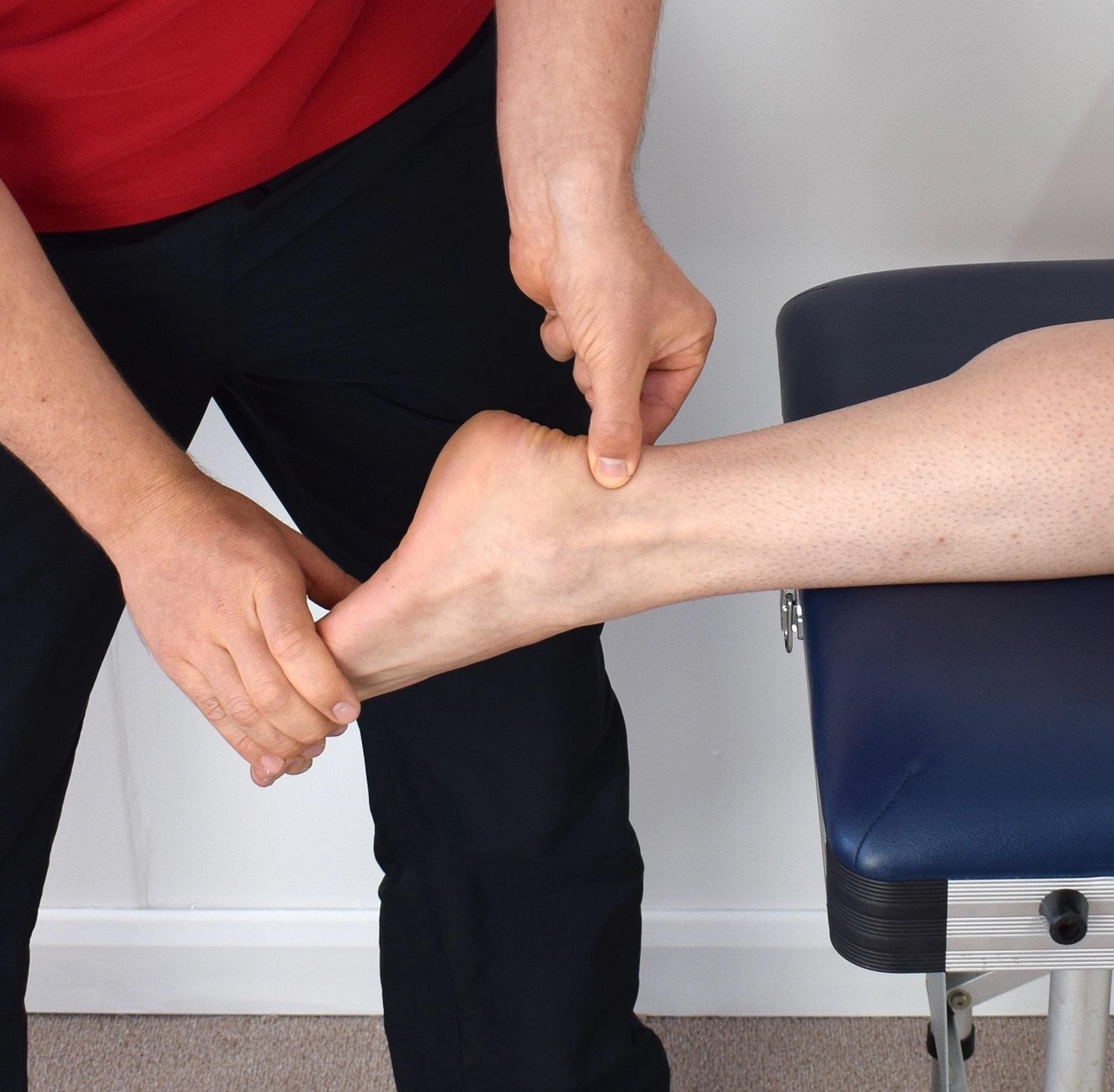
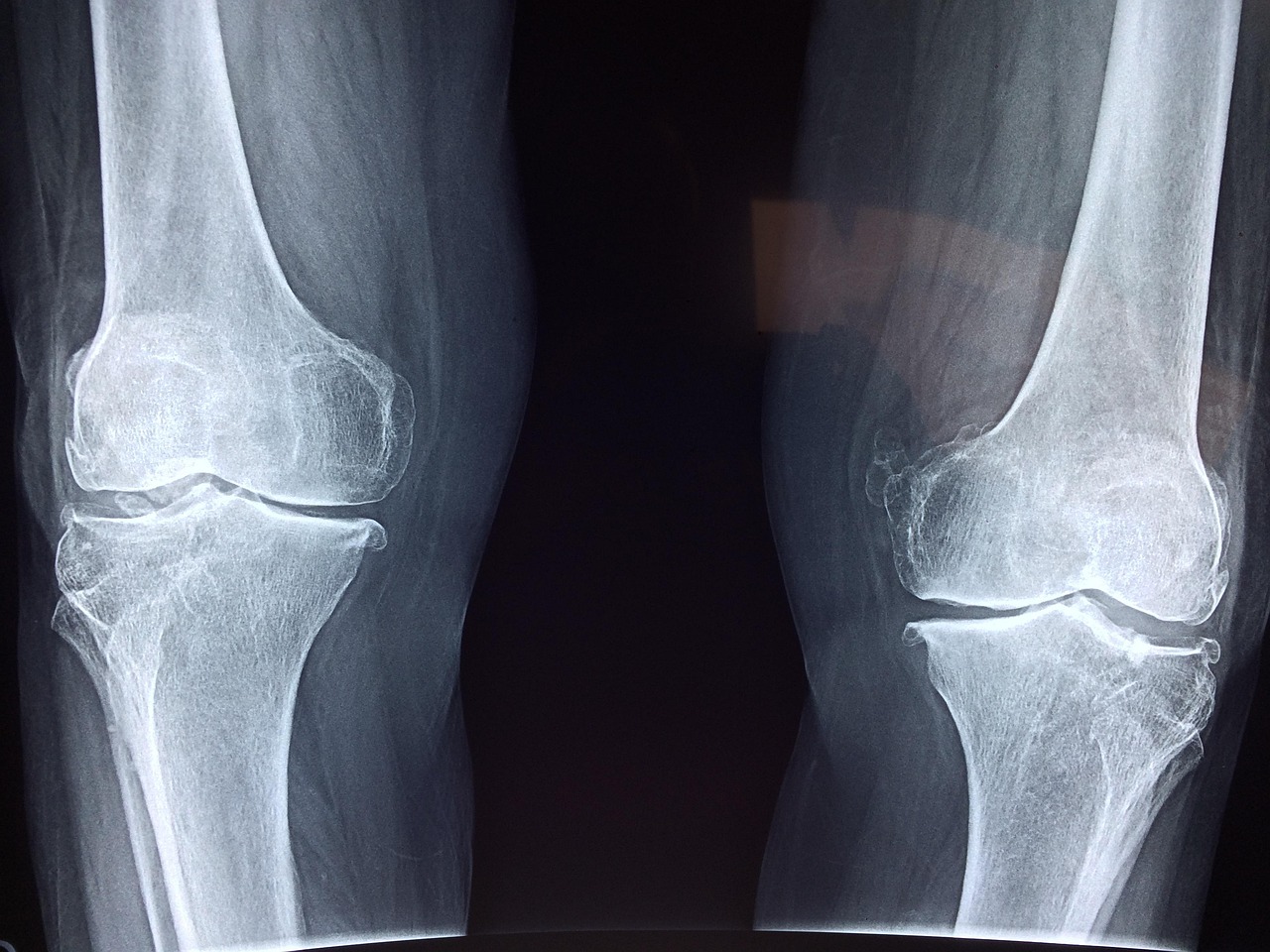
We start by watching you move. We’ll check how far the hip bends and rotates, test your strength, and watch you walk and squat. An X-ray tells us how worn the joint is.
After that, most of the work happens in physical therapy. Strong glute and thigh muscles take a lot of pressure off the joint, so strengthening is a big piece. We also work on gentle stretching to keep the hip from stiffening up more. If impingement or a tear is involved, we’ll teach you which positions to avoid for now, like deep squats or sitting very low.
You may need to trade a few activities for a while. A stationary bike or the pool is a lot easier on a sore hip than pounding the pavement. If the pain is still too much to exercise through, we can talk about an injection to settle the joint down first.
How Long It Takes
Hips are slow to change. Give it several weeks of steady work before you judge how it’s going. If the joint is worn down a lot and therapy isn’t helping, we’ll tell you straight and talk about seeing a surgeon.
Let’s Take Care of That Hip
If your hip has been aching for months, come see our team at Modern Medicine of Tucson, AZ. We’ll find out what’s going on in the joint and help you move with less pain.