"I've been dizzy" isn't enough information to act on. That phrase covers several genuinely different problems, and the one you have determines whether you're looking at a fix in a couple of visits or weeks of retraining.
Which is why a good evaluation spends real time on how you'd describe it.
The Words Point Different Directions
Spinning, where the room visibly moves around you, points toward the inner ear. Lightheaded or faint points elsewhere entirely, often toward circulation or blood pressure. Unsteady, where nothing spins but you feel like you might tip over, frequently points toward weakness, stiff joints, or changes in foot sensation.
Three descriptions, three different workups, three different treatments. It's worth paying attention to which one actually fits before you walk in.
Timing Narrows It Further
- Brief violent spinning with head position changes, lasting under a minute
- Severe vertigo lasting hours or days, often after an illness
- Constant unsteadiness present for weeks without episodes
- Symptoms that started after a head injury
- Gradual imbalance worsening across months or years
Each pattern suggests a different cause. The first one in particular has a treatment that works quickly.
Where It Resolves Fast
That brief spinning triggered by rolling over in bed has a specific cause and a specific fix. Crystals in the inner ear have shifted somewhere they don't belong, sending false movement signals when you change head position.
A repositioning maneuver relocates them. Many people improve dramatically in one or two visits, which makes the months people spend enduring it particularly unfortunate.
When It Takes Longer
Other causes need your brain to recalibrate around faulty input, and that happens through repeated, graded exposure to the movements that challenge your balance. Weeks rather than minutes, but it works.
Gaze stabilization drills train your eyes to hold steady during head movement. Strengthening addresses the physical side of staying upright.
The Part That Isn't The Inner Ear At All
Worth knowing, because it gets missed constantly. Plenty of unsteadiness has nothing to do with the ear. Weak legs, stiff ankles that can't adjust to uneven ground, reduced sensation in the feet, slowed reactions that make catching a stumble harder.
Your brain uses information from your muscles and joints as one of its three balance inputs, alongside the inner ear and your eyes. Degrade that input and you'll feel unsteady no matter how well your ear is working. That version responds to strengthening and mobility work rather than anything aimed at the ear.
Why Avoidance Prolongs It
Adaptation requires exposure. Avoid the movements that make you dizzy and your brain never gets the information it needs to recalibrate, so nothing changes. The instinct to hold still is understandable and it keeps people stuck for months.
What An Evaluation Involves
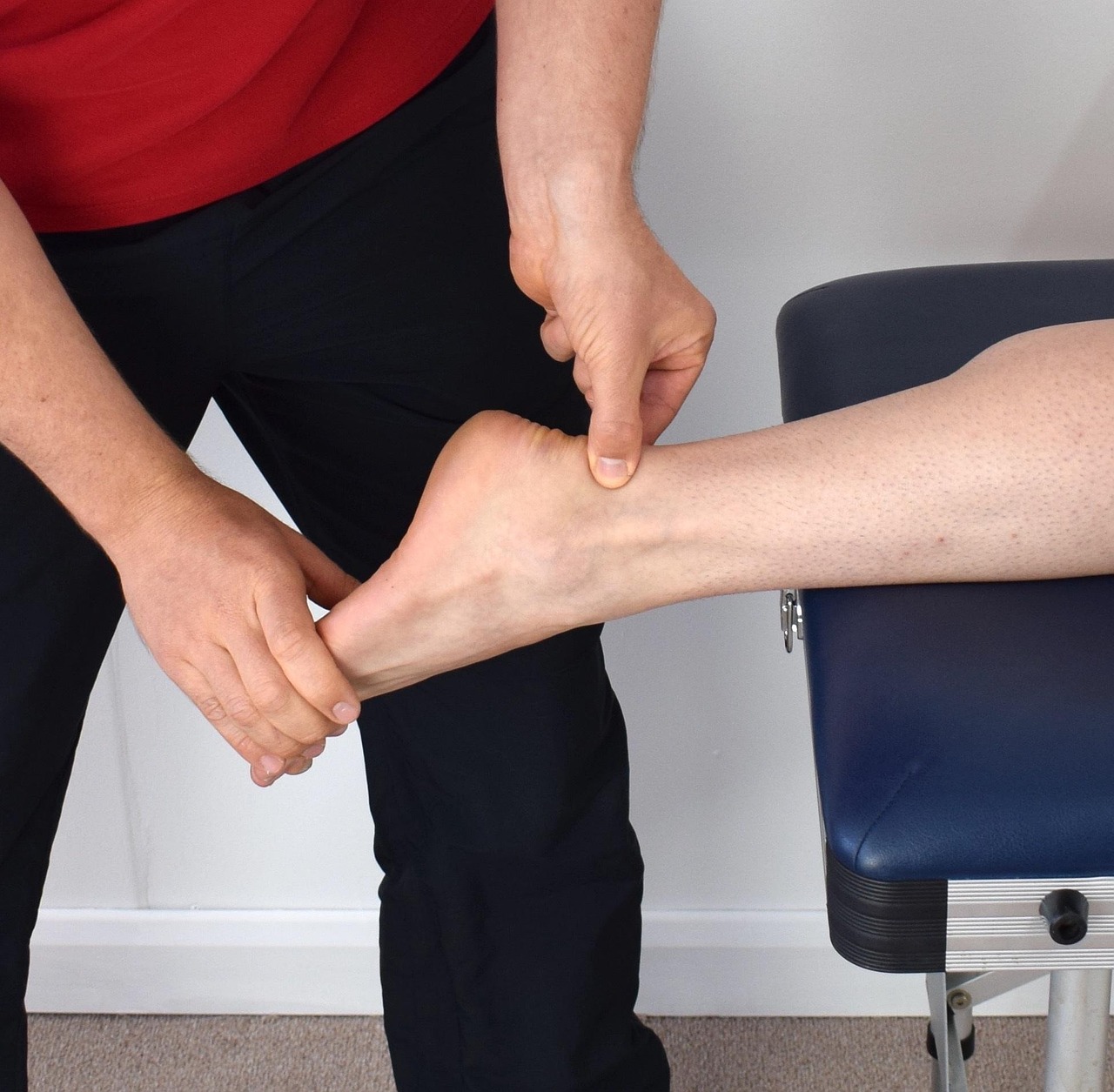
Detailed questions about triggers and timing, testing specific eye movements, moving your head through particular positions to see what reproduces symptoms, and assessing your balance and walking. That workup separates an effective plan from guesswork.
Dizziness you've been living with? Modern Medicine of Tucson, AZ can identify which kind you have. Call or book through the online form.