Hearing the words degenerative disc disease can be scary. People read it on an MRI report and picture their spine crumbling. That’s not really what it means. It’s a name for changes that happen to the discs in almost everyone’s spine as they get older. For some people, those changes cause real pain. For a lot of others, they cause none at all. When they do hurt, there’s usually a lot we can do without surgery.
What’s Happening to the Discs
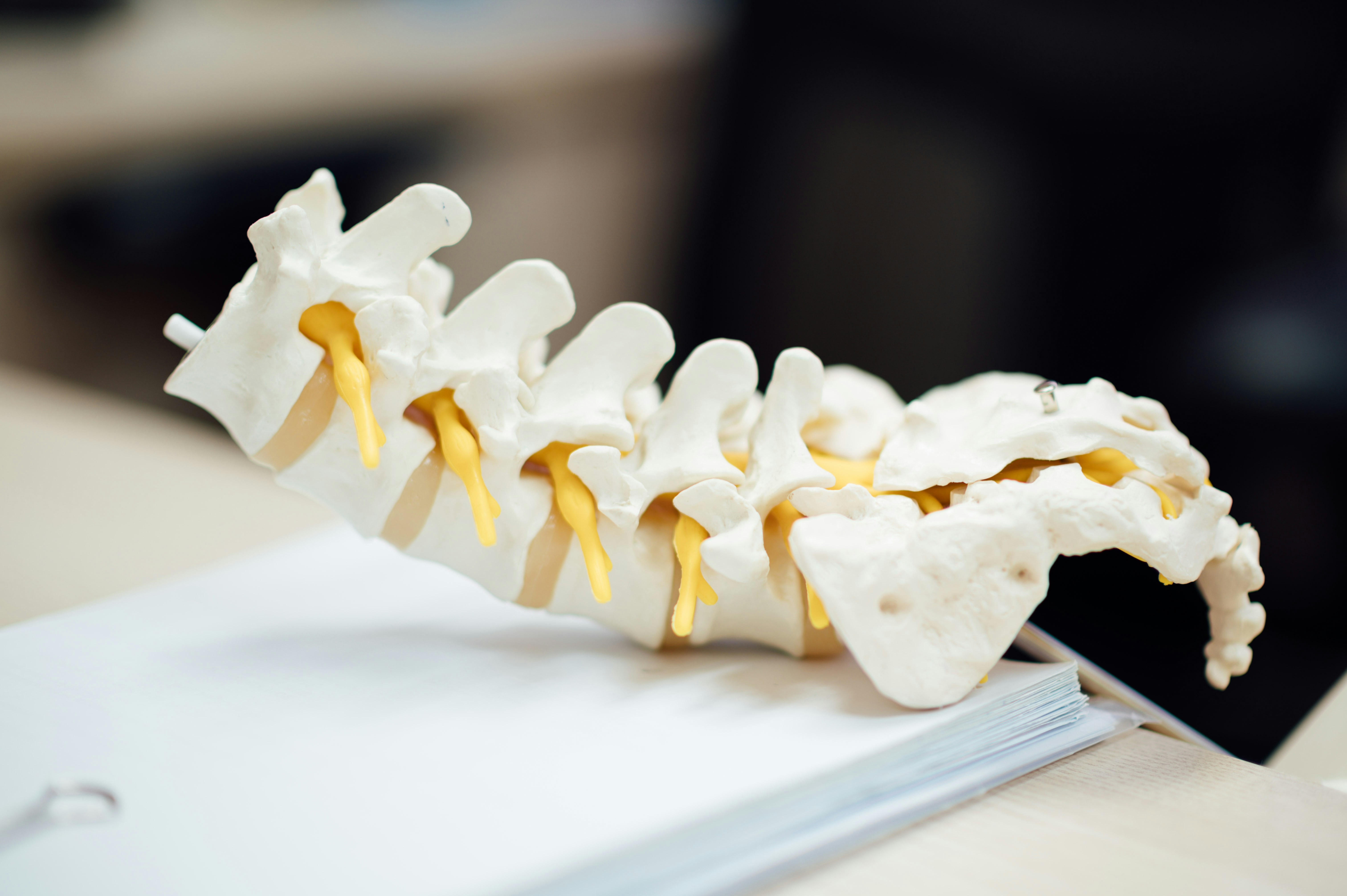
Between the bones in your spine are rubbery discs that act as cushions. Each one has a tough outer layer and a softer center. When you’re young, they hold a lot of water and stay thick and springy. Over the years, they slowly dry out and get thinner. Small cracks can form in the outer layer.
That’s the degeneration part. Nearly everyone has some of it by middle age. It just happens faster for some people than others.
Why It Hurts for Some People
Pain can come from the disc itself, especially if the outer layer has small tears. It can also come from what happens around the disc. As it flattens, the bones get closer together, and the small joints in the back of the spine take on more pressure. Those joints can get arthritic and stiff. Sometimes the space for the nerves gets tighter too.
People with painful disc changes often notice:
- An ache in the lower back or neck that comes and goes
- Pain that gets worse with sitting, bending, or lifting
- Feeling better when walking or changing positions
- Flare-ups that last a few days or weeks, then settle down
- Pain, tingling, or numbness down an arm or leg if a nerve is involved
What Speeds It Up
Age is the biggest factor. Genes play a role too, so if your parents had back trouble, you might be more likely to have it. Smoking makes discs break down faster. So do heavy lifting jobs, past back injuries, and carrying extra weight.
How We Treat It
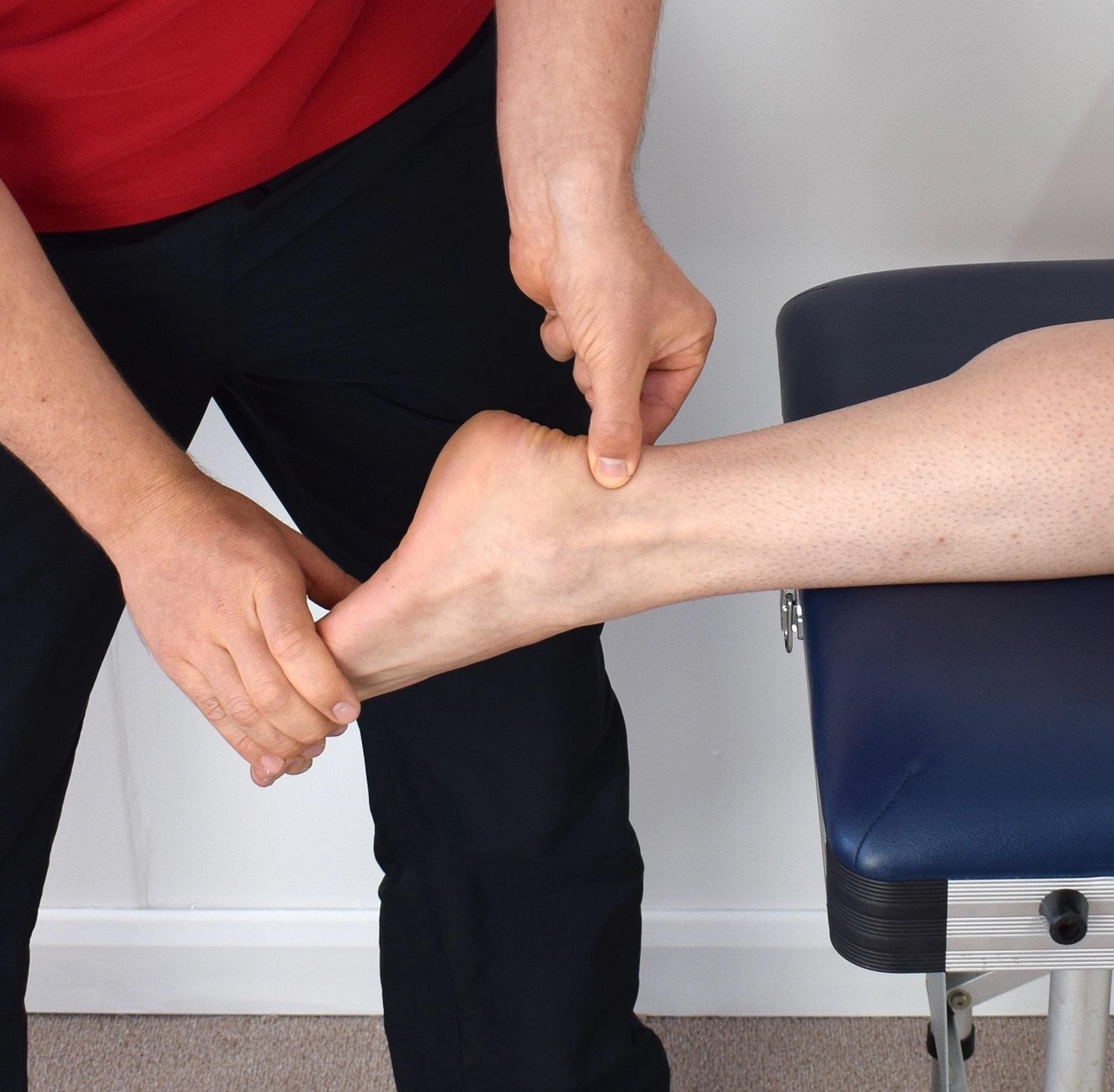
We’ll start with questions about your pain and what sets it off. Then we look at how your spine moves, test your strength and reflexes, and go over any imaging you’ve had.
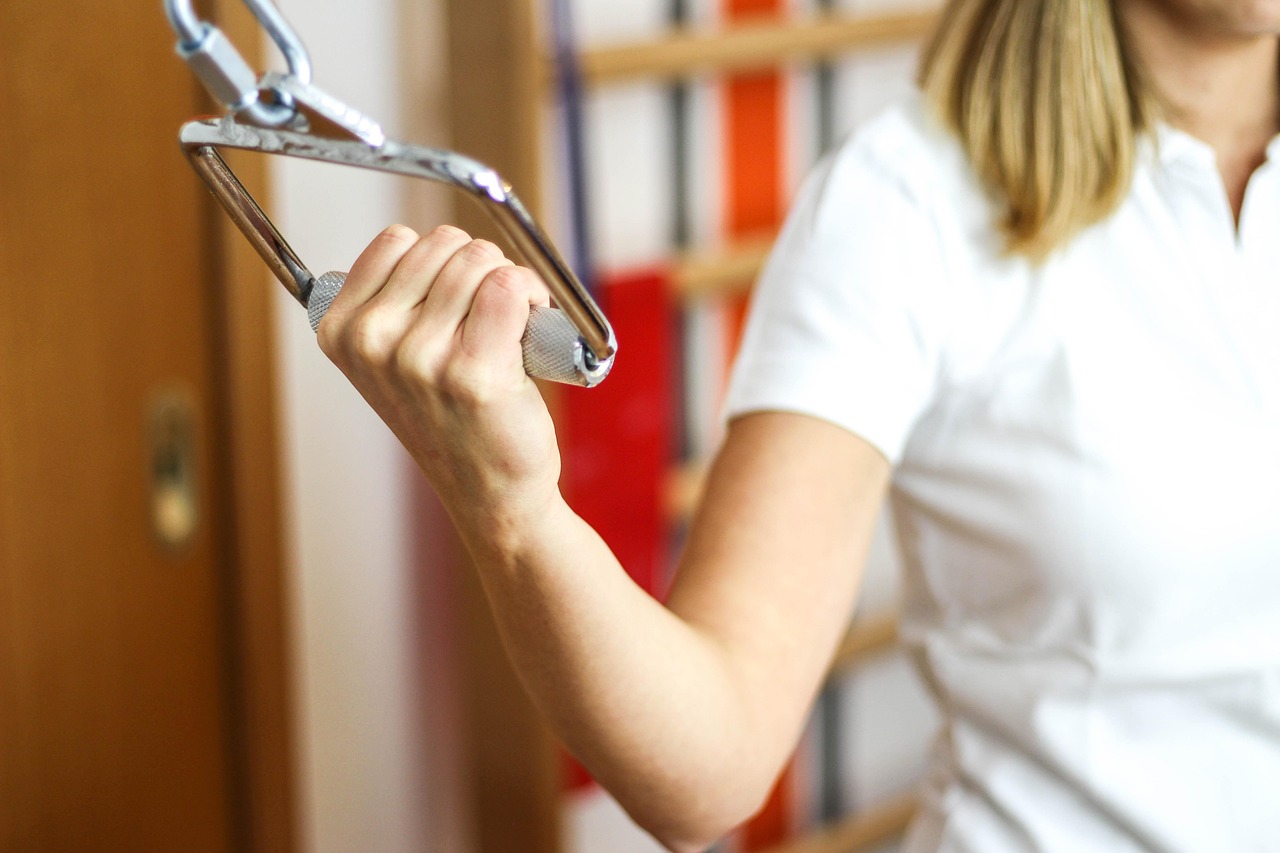
Physical therapy is the main treatment for most people. We work on strength in your core, hips, and upper back so those muscles can take some of the load off the discs. We’ll also find positions that ease your pain. Staying active matters, and walking is often one of the best things you can do.
We’ll look at your daily habits, too. Taking breaks from sitting, lifting with your legs, and setting up your desk better can all cut down on flare-ups.
If pain stays high, an injection may help calm things down. Surgery is only considered when other options haven’t worked, or there’s serious nerve trouble.
If you’ve been told you have degenerative disc disease and your back or neck still hurts, come see our team at Modern Medicine of Tucson, AZ. We’ll explain what your results mean and help you move with less pain.