SYNOPSIS: This article covers your possible balance problems, how treatment targets the joints and muscles behind them, and why getting ahead of a fall matters more than reacting to one.
How Orthopedic Care Improves Your Balance
BY: Josh Adams, Modern Medicine of Tucson, AZ
The Orthopedic Side of Balance Problems
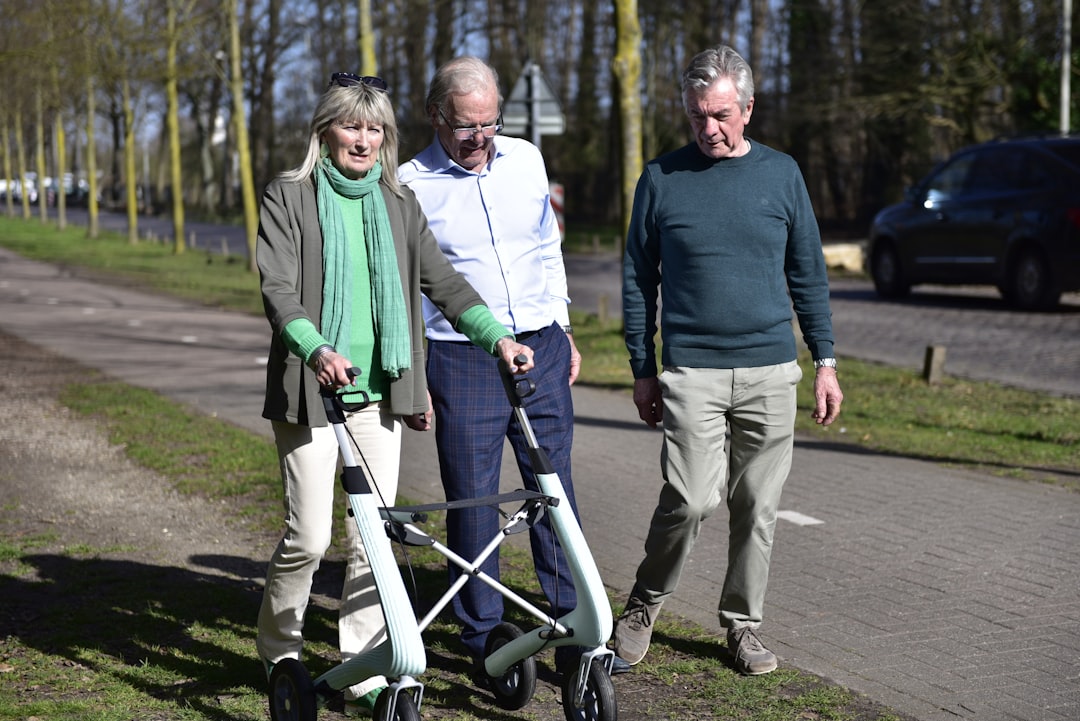
People often think balance is mostly an inner ear thing. That's part of it. But a huge share of balance trouble traces back to the parts orthopedic care actually treats. The body keeps you upright through joints that bend and adjust, muscles that hold you, and sensors in the feet and ankles that read the ground. When any of that breaks down, steadiness goes with it.
What tends to be behind it:
Hip or knee weakness that leaves you slow to catch a misstep
Stiff ankles that can't adjust to uneven ground
An old foot injury that changed how you push off
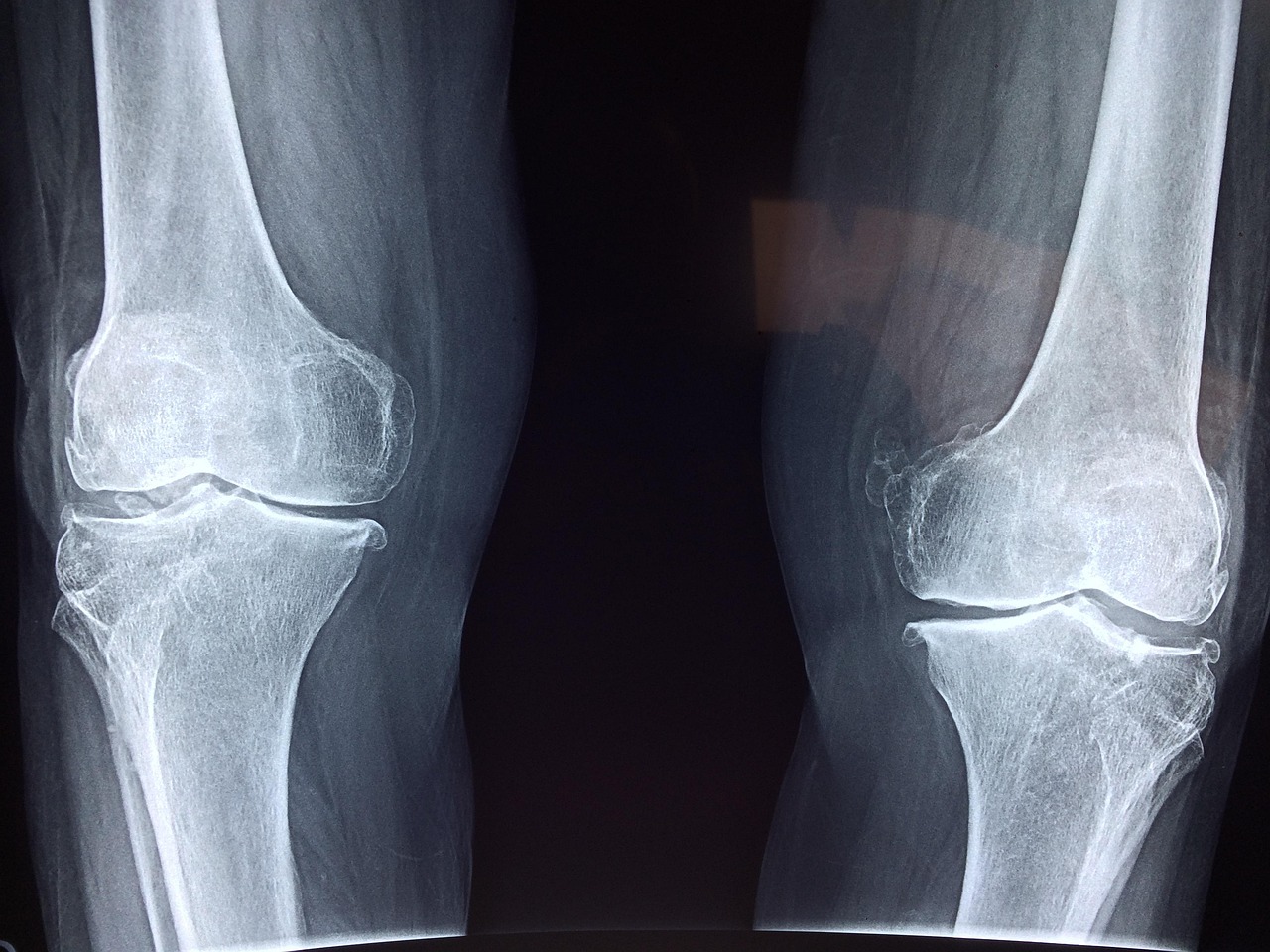
Arthritis in the lower body is limiting the small corrections your joints make
A back or hip problem that quietly throws off your gait
Weak glutes letting the pelvis drop side to side as you walk
The pattern matters too. Balance issues that get worse on stairs point in one direction. Issues that show up on uneven ground point to another. Stiffness that's worst in the morning suggests something different than weakness that builds over the day. A real evaluation reads those clues.
How Treatment Targets the Mechanics
Once the weak links are clear, the work gets specific. Generic exercise sheets don't move the needle here. The plan has to match what's actually causing your unsteadiness.
The work usually involves:
Restoring motion in stiff ankles, knees, or hips that should adjust quickly
Strengthening the hip and glute muscles that steer the leg
Rebuilding calf and foot strength for the push-off and landing of each step
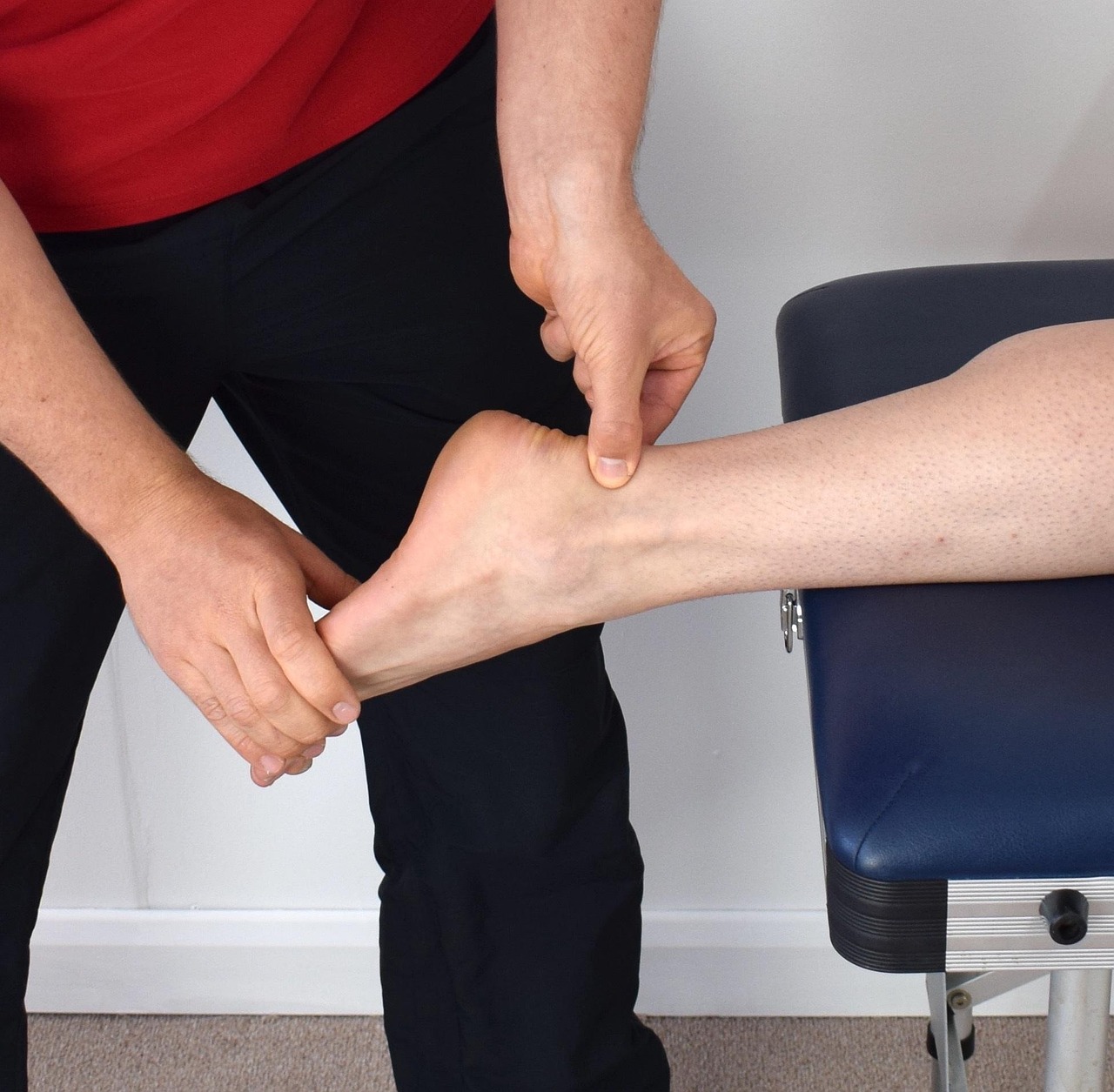
Hands-on work on joints that have lost their natural movement
Drills that train the body to react and correct under different conditions
Practice on the exact terrain or movements giving you trouble
The hip work tends to do more than people expect. Weak hips make every step less controlled, and a lot of balance trouble in older adults traces straight back to that. Fix it and the rest of the chain works better.
There's also the matter of confidence. People who feel unsteady move differently. Smaller steps. Less push-off. Less trust in the foot landing where it should. That guarded gait actually makes balance worse over time. Rebuilding strength and motion lets you walk normally again, which is half the battle.
Why Getting Ahead of It Matters
Here's the part worth being plain about. A fall is not a small thing. A broken hip or wrist can pull you out of normal life for months, and the recovery sometimes doesn't bring back everything you had. Even a near-miss tends to shift how you move, and that shift usually means doing less, which leads to more weakness, which leads to a higher chance of the next stumble.
The window to act easily is before any of that happens. Building strength and restoring joint motion takes weeks. It's straightforward work. Doing it now, while everything's still mostly working, beats trying to claw it back after a fall has already changed things.
People put this off because nothing has gone wrong yet. That's the right reason to start, not the reason to wait.
Modern Medicine of Tucson, AZ, evaluates balance problems and builds plans to help patients stay steady and prevent falls. Call today to schedule an evaluation.
“Best Orthopedic Surgeon in Tucson, AZ”
Top Rated Local Orthopedic Surgeon / Doctor / Clinic / Specialist
Pima County : Tucson, Oro Valley, Catalina Foothills, AZ
This article covers ACL reconstruction recovery for athletes, including what the months after surgery actually look like, and how guided rehab gets yo…
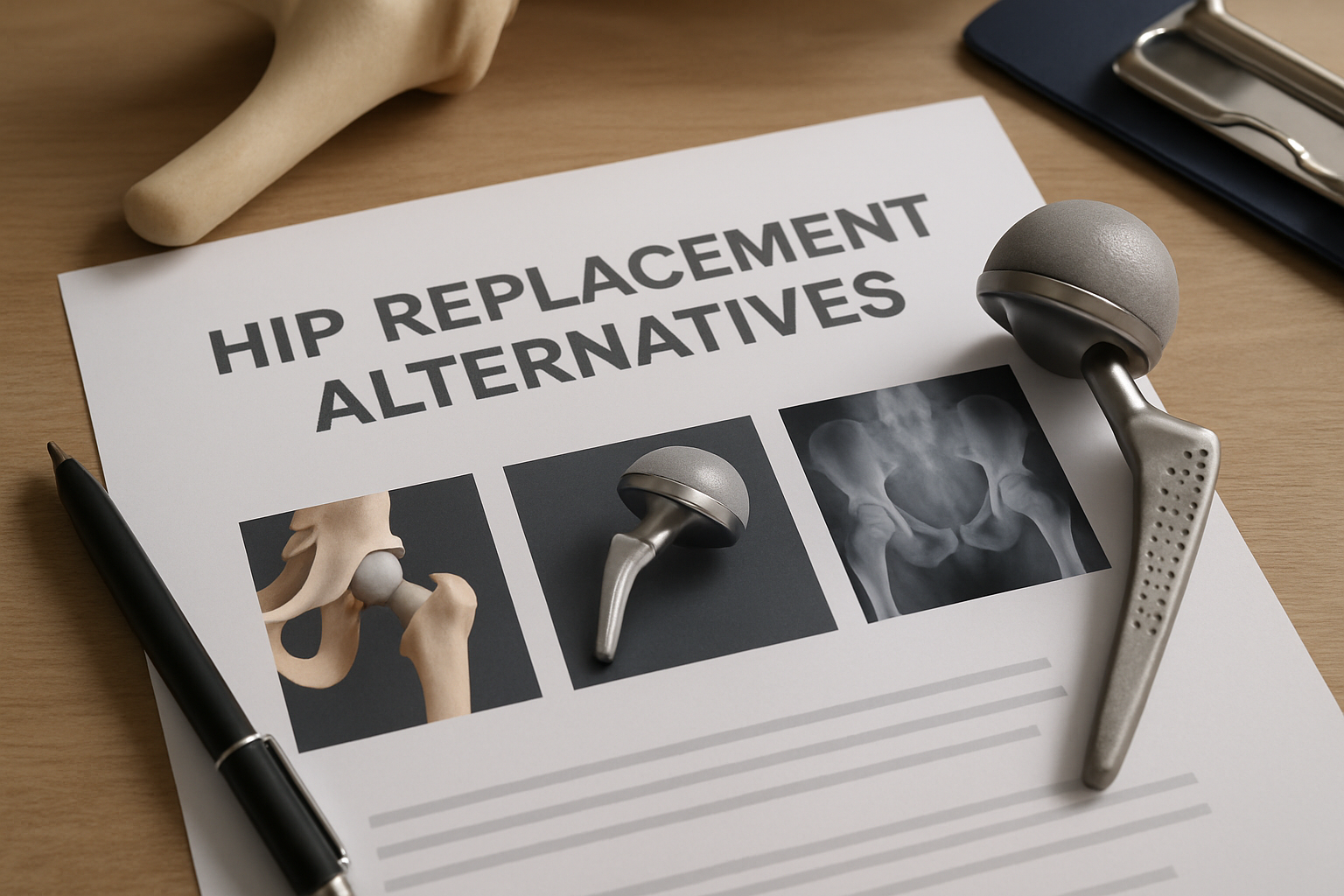
This article covers hip replacement alternatives for aging adults near Oro Valley, why hip pain limits so much of the day, and the non-surgical care t…
This article covers sports medicine for athletes and weekend warriors in Tucson, the injuries we treat most, and how we get you back to your sport wit…
This article covers non-surgical knee replacement alternatives in Tucson, why not every worn knee needs a new joint, and the treatments that cut pain …
“Best Orthopedic Surgeon in Tucson, AZ”
Top Rated Local Orthopedic Surgeon / Doctor / Clinic / Specialist
Pima County : Tucson, Oro Valley, Catalina Foothills, AZ
CityScoop is the top ranked local business news network in the United States. Established in 2008, CityScoop has been providing local communities with high quality news about local businesses and their most recent projects.