SYNOPSIS: This article covers which injuries can heal without surgery, what sports medicine does to make that possible, and how to know if it's right for you. Do what makes sense for you.
Sports Medicine Injury Recovery Without Surgery
BY: Josh Adams, Modern Medicine of Tucson, AZ
Hear surgery after an injury and the math starts running. The cost. The downtime. The recovery that drags on for months. Worth knowing before you accept it as the only option. Plenty of injuries that seem headed for the operating room never actually need to get there. The right care, started early, can change the whole direction of things.
Not every injury. Some genuinely need surgery, and a good clinic will tell you that straight. But the gap between what gets operated on and what actually requires it is wider than most people think.
Injuries That Can Heal Without Surgery
A lot of injuries that sound bad respond well to conservative care, especially when caught before they get worse. The ones that often dodge the operating room:
Partial rotator cuff tears that rebuild through strengthening
Meniscus tears that settle with rehab instead of a scope
Disc problems in the back that calm down with the right work
Tendon injuries that rebuild through progressive loading
Ligament sprains that heal solid with proper rehab
Joint pain that eases once the mechanics get fixed
The pattern holds across all of it. The body has real capacity to heal when you give it the right conditions, and surgery isn't the only way to create those conditions.
What Sports Medicine Does to Make That Possible
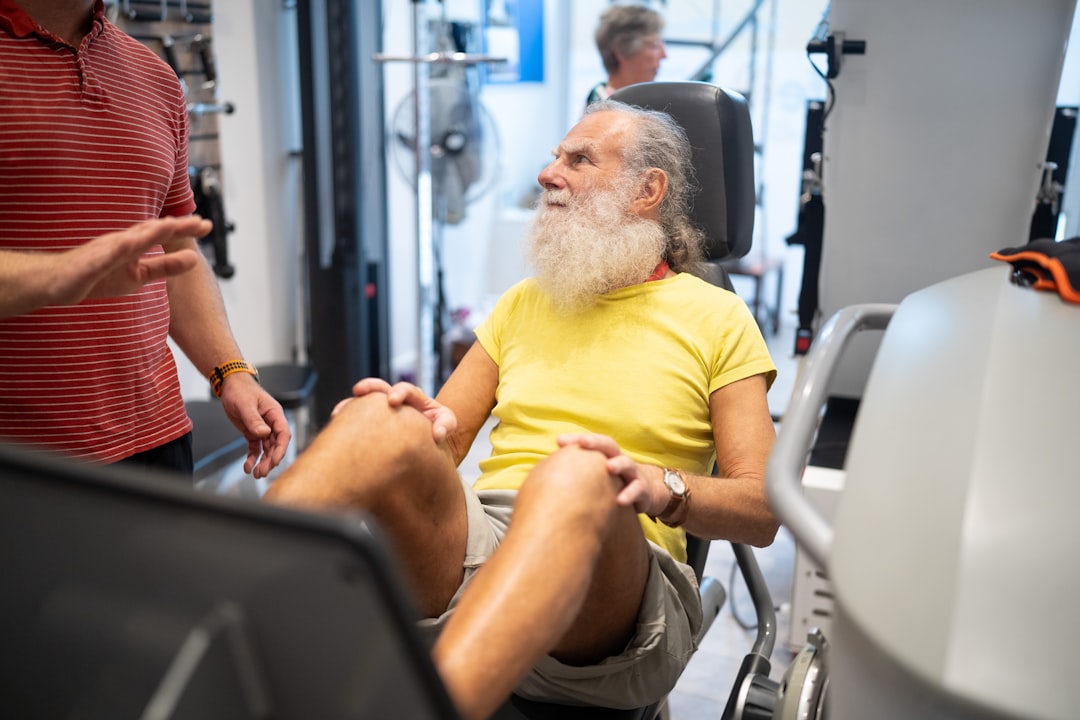
Skipping surgery isn't about ignoring the injury. It's active, targeted work that gives the body what it needs to recover on its own. That's what sports medicine is built around.
The plan usually involves:
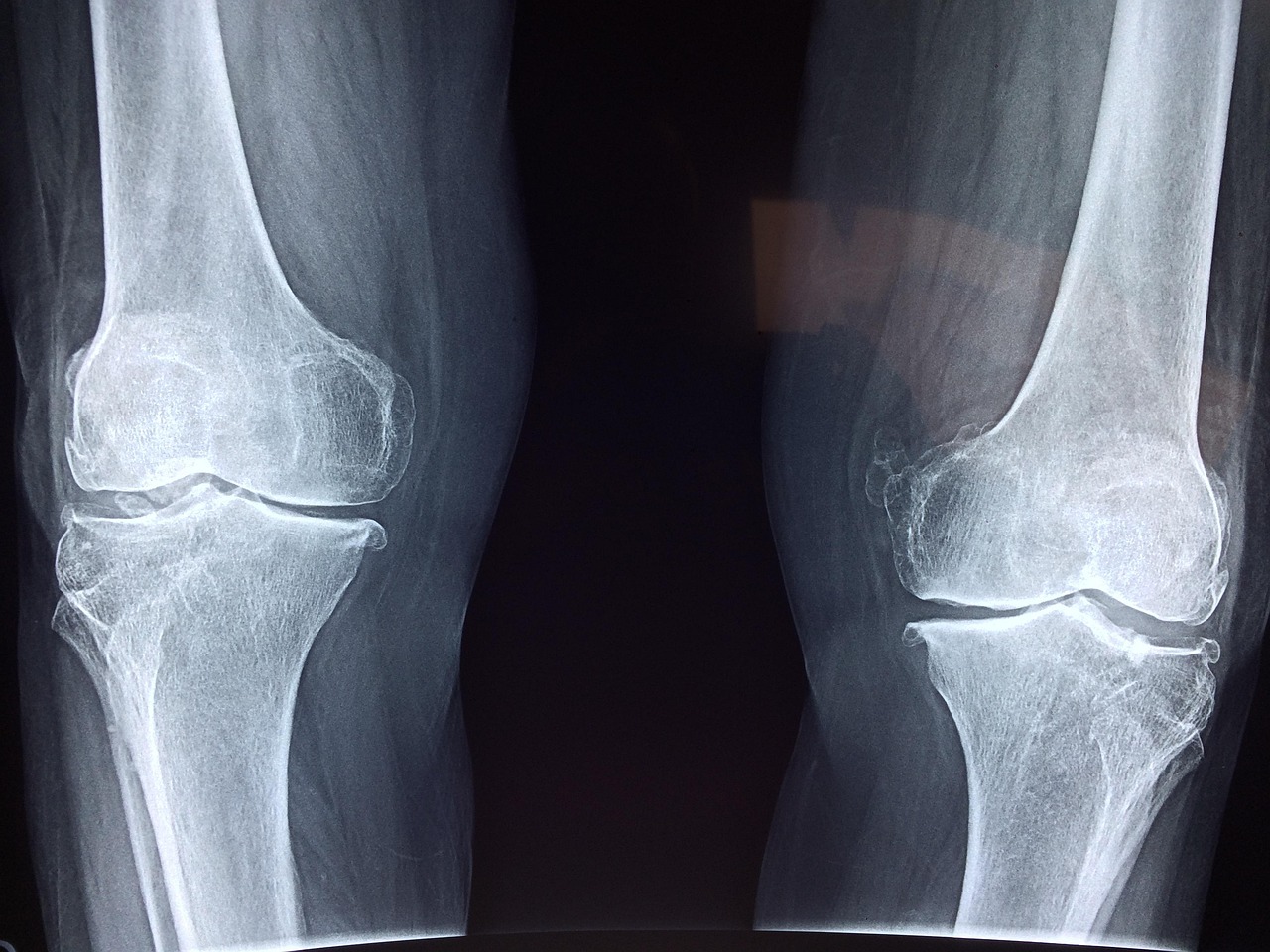
A real diagnosis up front, so the work fits the actual injury
Progressive loading that rebuilds tissue strength the right way
Strengthening the muscles around the injured area
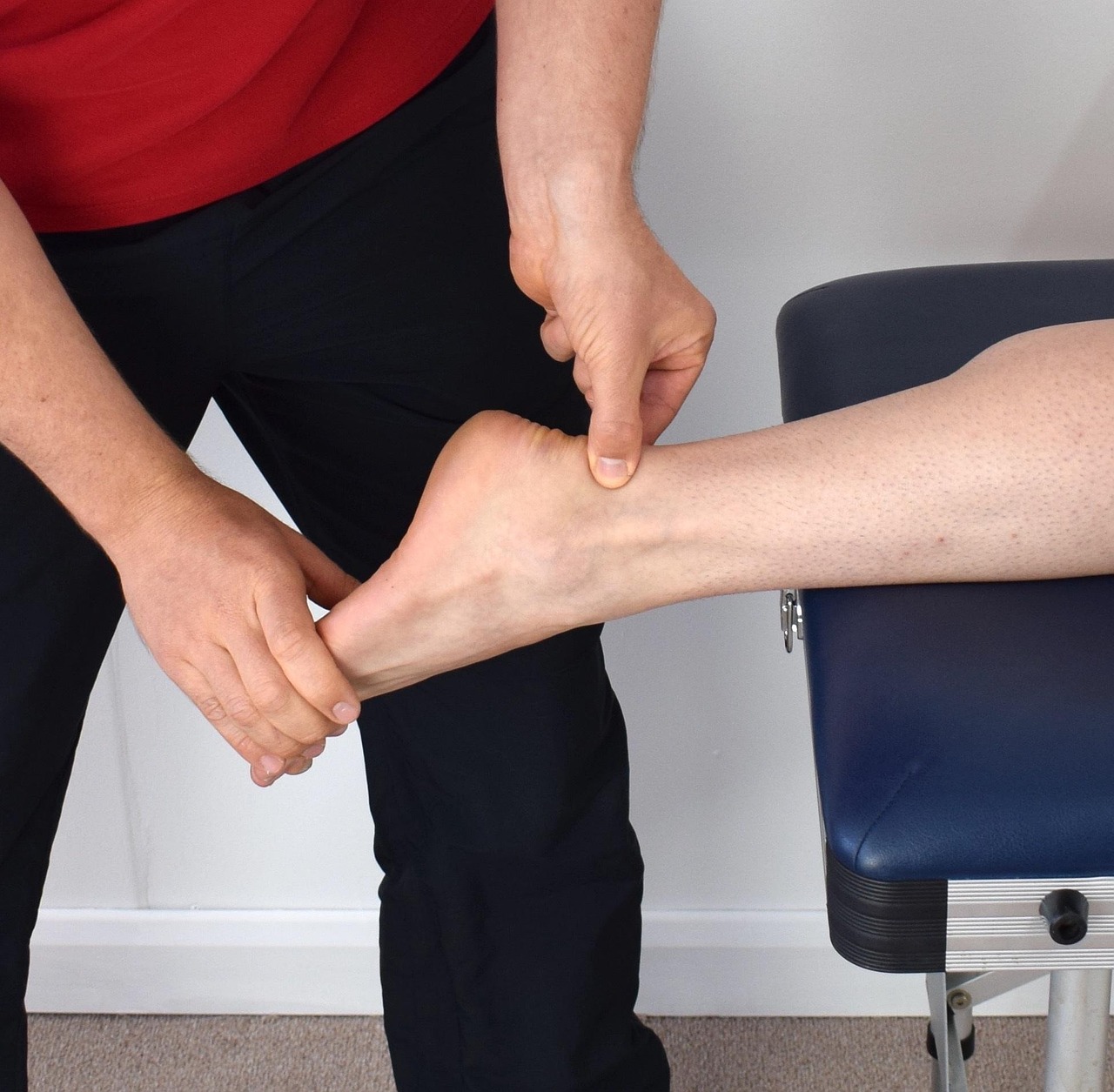
Hands-on treatment to restore motion and ease pain
Fixing the weakness or mechanics that caused the problem
A staged return that doesn't reinjure it
Progressive loading is the engine of the whole thing. Tendons, muscles, and some ligaments and cartilage tissue get stronger when stressed correctly. Done right, that's often what tips an injury from surgical toward healing on its own.
Why Trying This First Usually Makes Sense
Even when surgery might end up necessary, starting with conservative care rarely costs you anything. If it works, you've dodged the operation. If it doesn't, you've lost little, and you often head into surgery stronger from doing the rehab first.
Going straight to the operating room cuts the other way. Surgery carries real risk, real cost, and a recovery that's often longer than the conservative route. Picking it for something that didn't need it is a setback, not a shortcut.
There's a timing angle too. The earlier you start proper treatment, the better the odds of avoiding surgery altogether. Injuries left to linger or played through can worsen until surgery is the only option left. Acting early keeps more doors open.
How to Know If It's Right for You
The honest answer is that it depends on the injury, how bad it is, and your goals. A complete tear is a different situation than a partial one. Someone who needs to cut and pivot at full speed has different needs than someone who wants to walk pain-free. The only way to know your real options is a proper evaluation that looks at your specific case, not a default assumption that surgery is coming.
Modern Medicine of Tucson, AZ, evaluates injuries and builds conservative treatment plans aimed at recovery without surgery where it's possible. Call today to schedule an evaluation.
“Best Orthopedic Surgeon in Tucson, AZ”
Top Rated Local Orthopedic Surgeon / Doctor / Clinic / Specialist
Pima County : Tucson, Oro Valley, Catalina Foothills, AZ
This article covers ACL reconstruction recovery for athletes, including what the months after surgery actually look like, and how guided rehab gets yo…
This article covers hip replacement alternatives for aging adults near Oro Valley, why hip pain limits so much of the day, and the non-surgical care t…
This article covers sports medicine for athletes and weekend warriors in Tucson, the injuries we treat most, and how we get you back to your sport wit…
This article covers non-surgical knee replacement alternatives in Tucson, why not every worn knee needs a new joint, and the treatments that cut pain …
“Best Orthopedic Surgeon in Tucson, AZ”
Top Rated Local Orthopedic Surgeon / Doctor / Clinic / Specialist
Pima County : Tucson, Oro Valley, Catalina Foothills, AZ
CityScoop is the top ranked local business news network in the United States. Established in 2008, CityScoop has been providing local communities with high quality news about local businesses and their most recent projects.