 When Back Pain Won't Go Away
Most people remember exactly when it started. A bad lift. A long drive. Something at work. The back flared, they rested it, and it mostly went away. Then it came back. Took longer to settle the second time. Then it just stopped settling.
That is a different problem than a sore back after a hard day. The tissue may be fine now. The pain is still there. Morning, noon, workday, bedtime. It has worked its way into how the person sleeps, how they get up, and how they think about a Saturday. Most people do not realize how much they have adjusted until someone asks why they stopped doing something.
What Is Driving It
The spine is not one structure. It is several working together. Discs, facet joints, vertebrae, muscles, ligaments. One piece fails and the others cover for it. The covering creates new stress. New stress creates new pain. This compounds over months quietly.
Common drivers include:
- Disc degeneration reduces the cushioning between vertebrae and loads the joints above and below it
- Facet joint arthritis produces deep aching pain that is worst first thing in the morning and after long stretches of sitting
- Muscle imbalances pulling the spine out of position and stressing the same levels over and over
- SI joint dysfunction that feels like low back pain and gets treated as such without ever improving
Most people have more than one of these going on. That is why the same stretch or the same rest routine helps for a day and then stops helping.
Why Rest Does Not Fix It
It quiets things down. That is about it.
The disc does not fix itself with rest. The arthritic facet joint does not change. The muscle pulling the spine out of position is still pulling when the person gets back up and starts moving again. The movement habits loading the spine incorrectly have not gone away.
Rest is fine for a bad flare. Relying on it as the main strategy just lets things keep deteriorating in the background while the person waits for a change that is not coming.
What Orthopedic Care Does
It starts with understanding how the pain behaves, not just where it lives.
Stiffness that loosens up after moving around in the morning is a different picture than pain that builds all day and is worse by evening. Pain that shoots into the leg is different again. Those patterns point to specific structures and specific treatment needs.
Depending on what the evaluation finds, care might include:
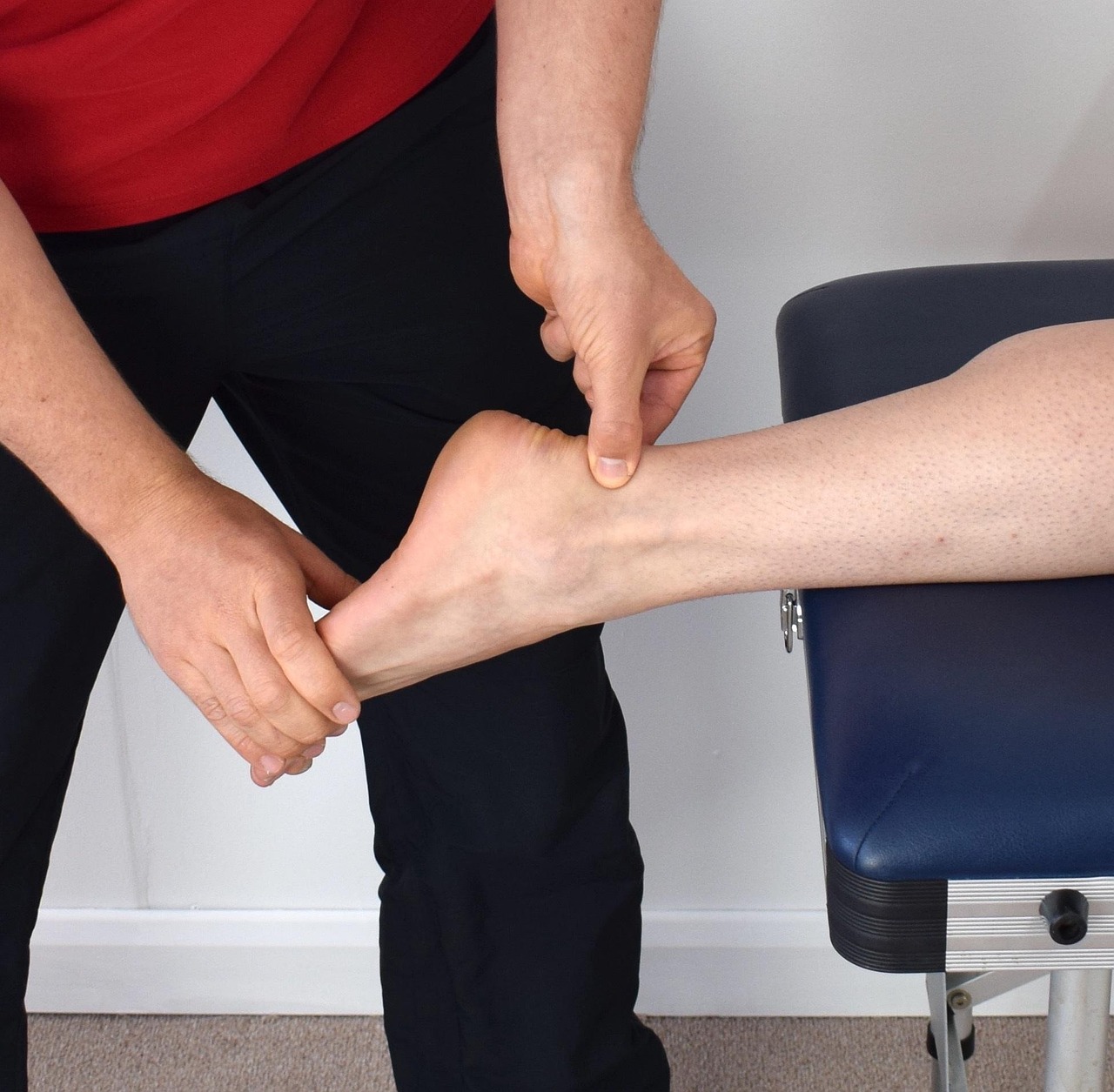
- Manual therapy to get the joint moving and reduce the protective muscle guarding around it
- Targeted injections for facet joint or nerve root involvement that has not responded to other care
- Physical therapy is working on the deep spinal stabilizers and how the person moves day to day
- A home program that addresses posture and movement between appointments, so progress does not reset each week
When to Stop Waiting It Out
Every month of unmanaged chronic back pain adds another layer. The movement patterns get more ingrained. The muscles compensating for the problem get more fatigued. The window for straightforward treatment narrows.
If chronic back pain has been limiting daily life, contact Modern Medicine of Tucson, AZ to schedule a consultation and assessment.