 A Fall Leaves More Than Bruises
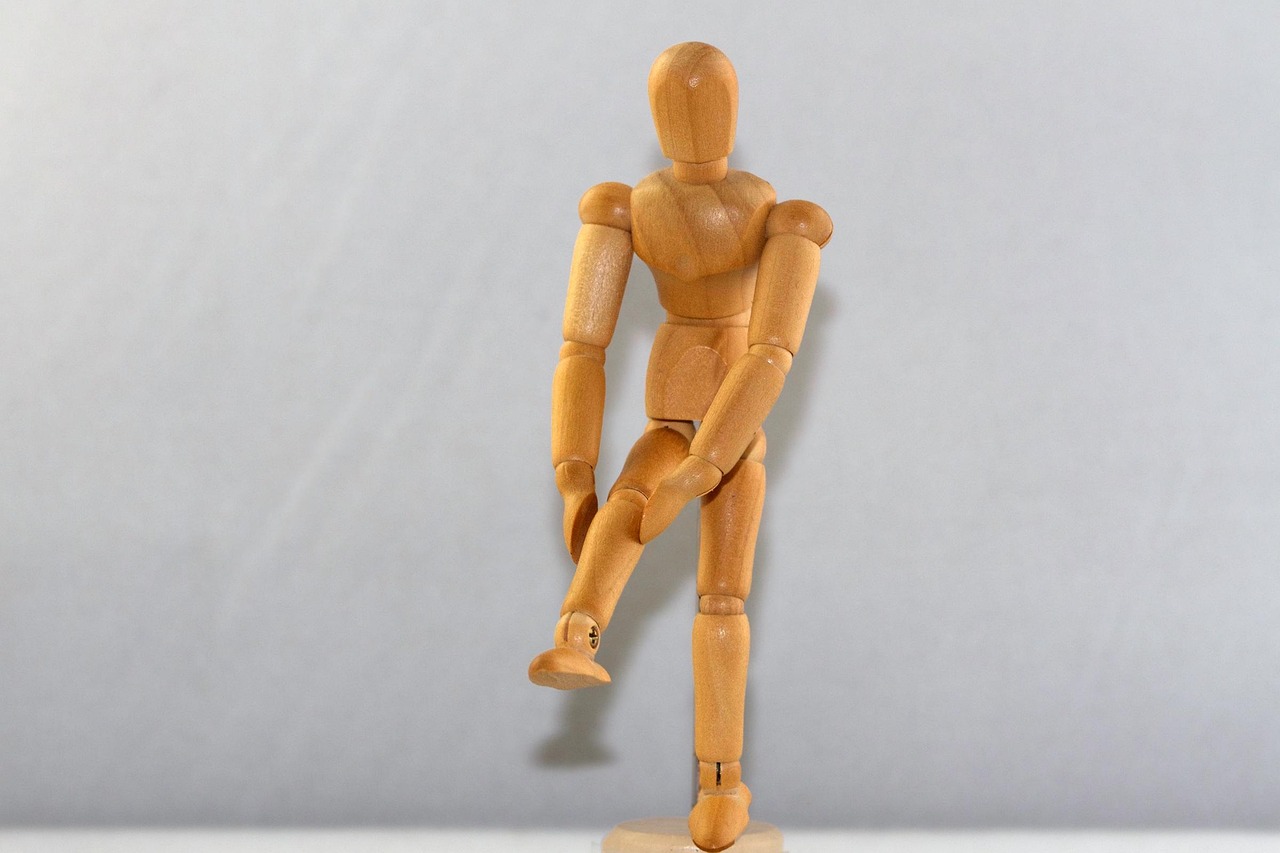
The physical part is obvious. Soreness, bruising, a joint that took impact it was not ready for. Those things get attention right away.
What gets less attention is everything else. The hesitation before stepping off a curb. The hand that reaches for the wall without thinking. The decision to skip the errand because the parking lot feels too risky.
Mobility changes after a fall. Sometimes dramatically. Sometimes in ways so gradual that the person does not notice how much smaller their daily range has gotten until someone else points it out.
What the Body Does After a Fall
Muscles tighten around areas that were hurt. Movement patterns shift to avoid repeating the experience. The nervous system turns up its threat response around balance and unexpected shifts in weight. These are protective in the short term and they make sense.
The problem is they do not switch off on their own. The guarding stays. The restrictions stay. The hesitation around uneven ground or unfamiliar surfaces stays. And because the person is moving less freely, strength drops further. The thing that would most help restore confidence becomes harder to access.
What Falls Usually Reveal
Most falls have contributing factors that were already present before the fall happened.
- Weakness in the hip or ankle that reduced the ability to catch a stumble in time
- A balance deficit that had been quietly building for months
- Reduced sensation in the feet, affecting how the ground feels underfoot
- Medication side effects that nobody connected to unsteadiness
- Home hazards that had always been there but had not been a problem until they were
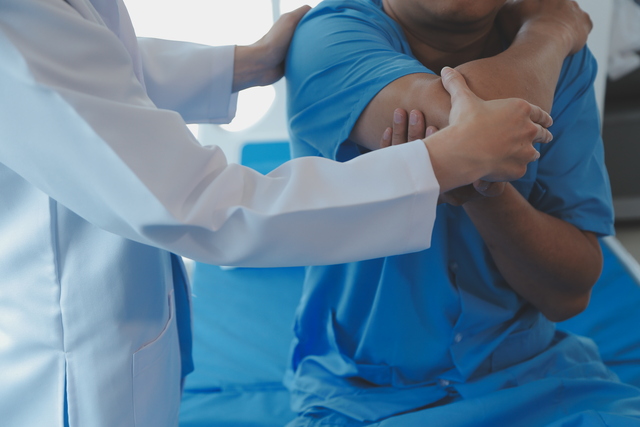
Physical therapy after a fall looks at all of these. Not just the injury itself, but the conditions that made the fall possible in the first place. That is where real prevention starts.
What Physical Therapy Addresses
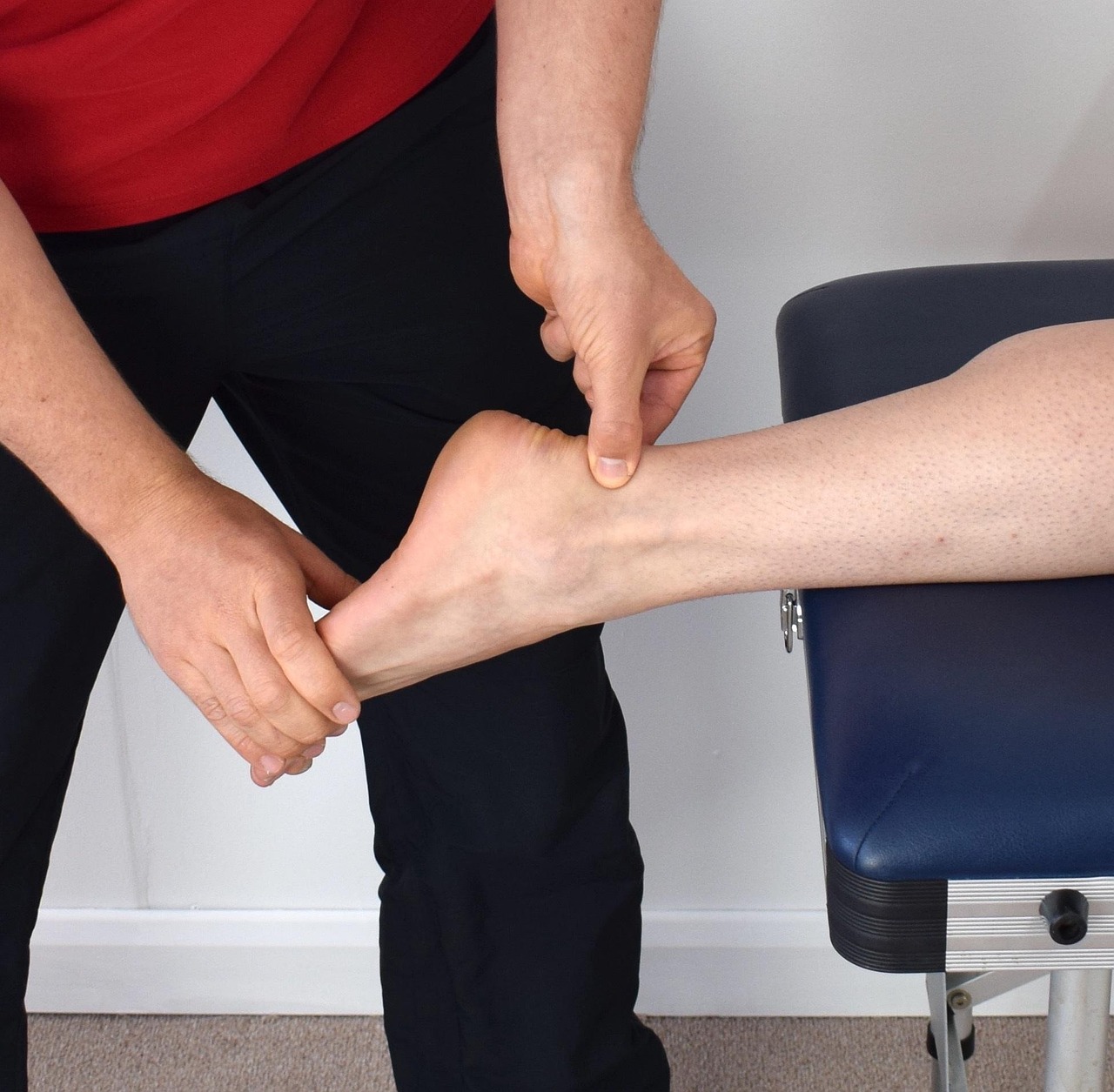
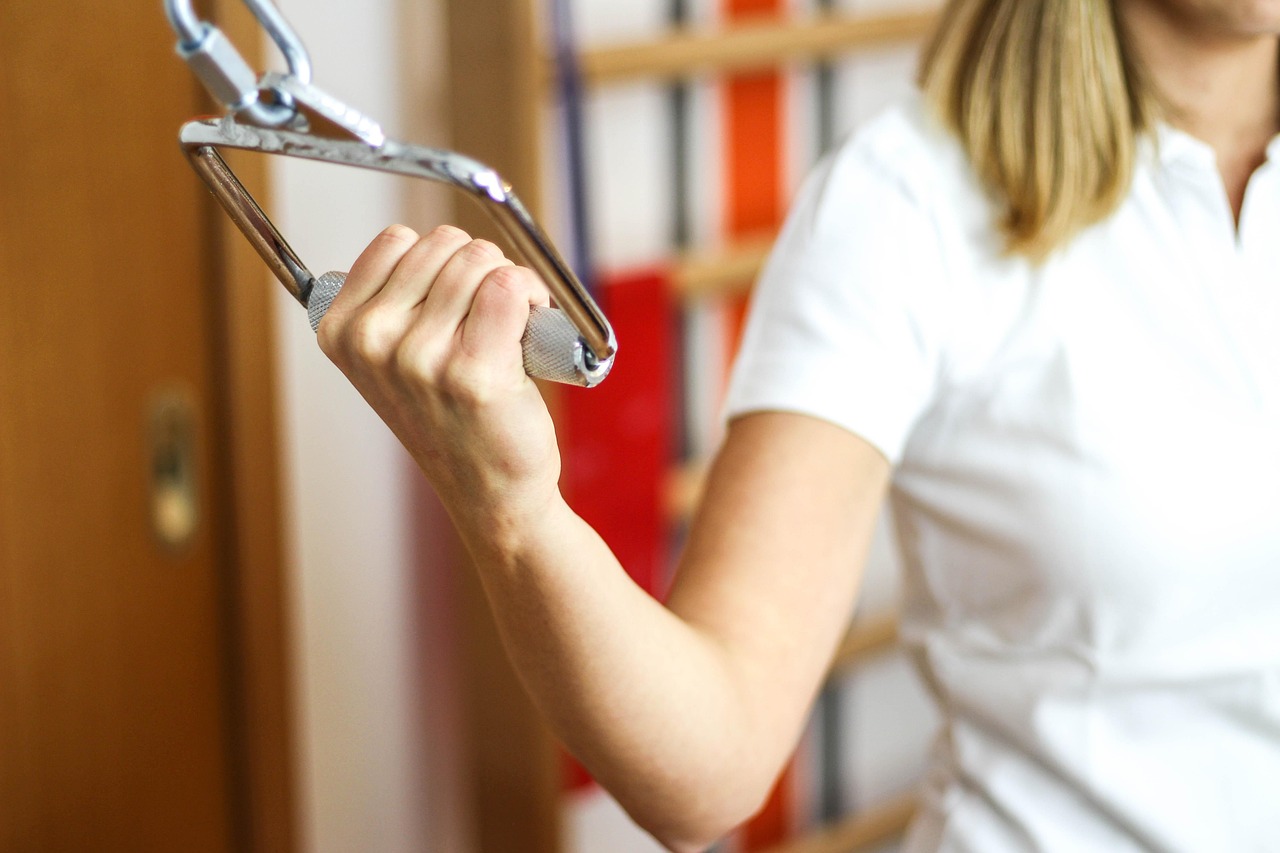
Mobility work restores the range of motion in joints that tightened during the guarded phase. Strength work rebuilds the hip, knee, and ankle support that balance depends on. Balance retraining works on the body's ability to detect position and make corrections before a stumble becomes something worse.
Gait retraining addresses the walking pattern that shifted after the fall. Short steps, slower pace, wider stance. These feel safe, but they are actually less stable than a normal confident walking pattern and they tire people out faster than they should.
The program also works on practical daily skills:
- Getting up from the floor safely
- Managing uneven ground and outdoor surfaces
- Navigating the house in low light
- Carrying things while walking without losing stability
- Stepping over thresholds and curbs with confidence
These are the situations that actually come up on an ordinary day. The rehab needs to reflect that.
Getting Moving Again Sooner
Falls do not have to lead to a permanently smaller life. The right care at the right time gets people back to moving freely and confidently.
If you or someone you know is recovering from a fall, contact Modern Medicine of Tucson, AZ to see how Physical Therapy can help.