 Physical Therapy
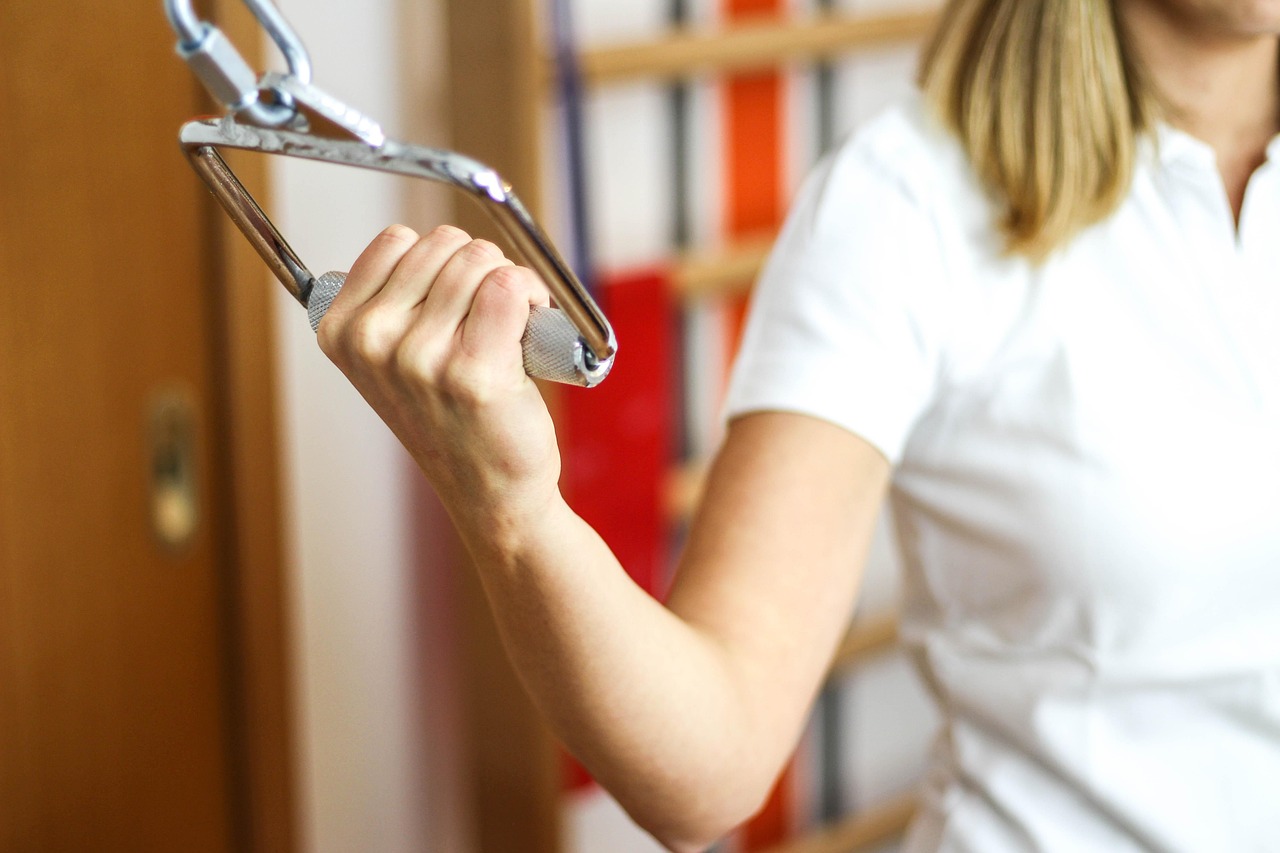
Most joint pain has a mechanical component. Something is weak, moving wrong, or loading unevenly. Physical therapy goes after that directly.
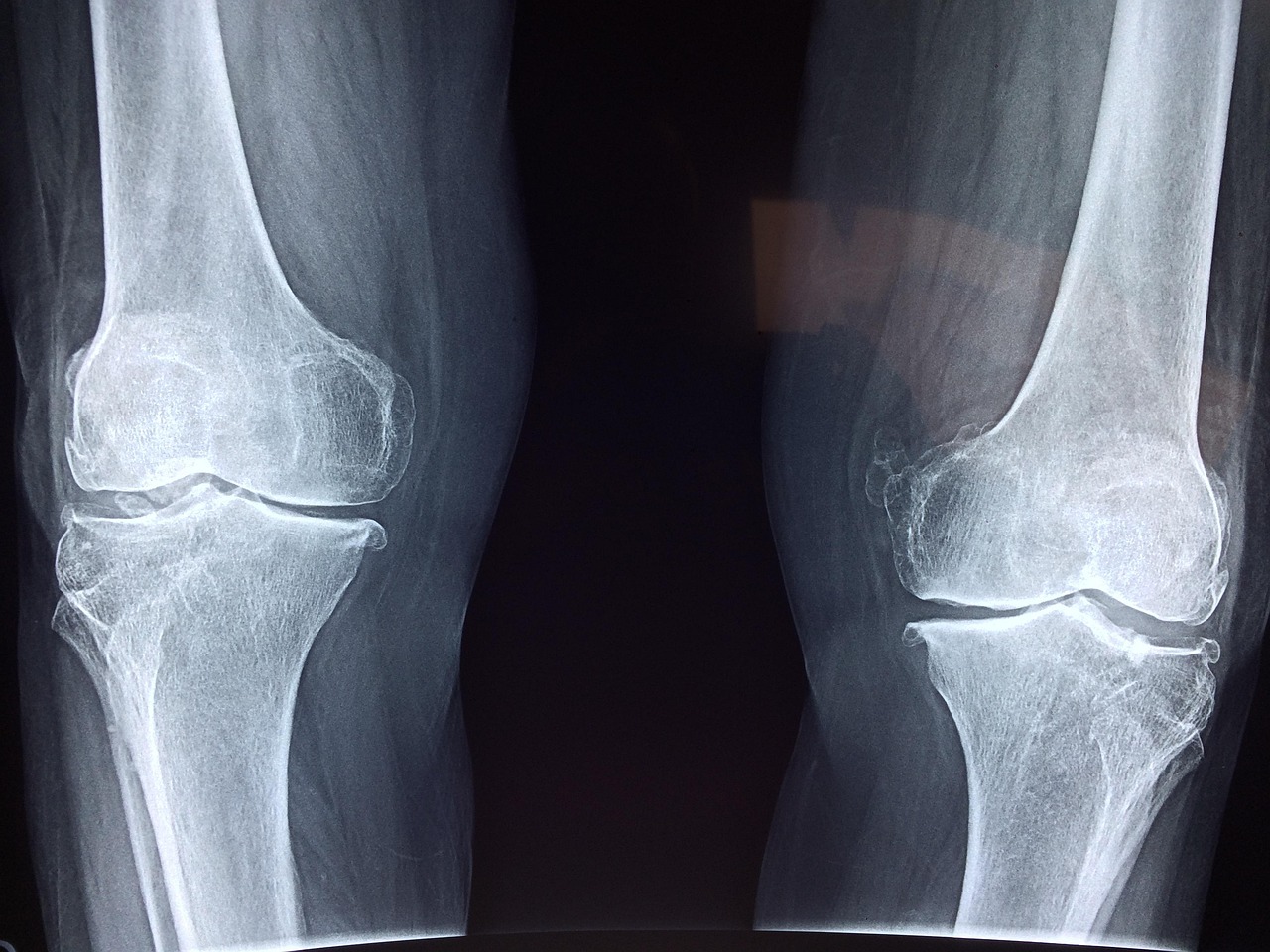
For a knee with early osteoarthritis, quad and hip strengthening takes the load off the damaged cartilage. For a shoulder with impingement, retraining the rotator cuff changes the mechanics, causing the pinching. For a hip with tendinopathy, progressive loading of the irritated tendon drives repair rather than continued breakdown.
The program gets built around what the evaluation finds. A specific sequence matched to the joint, the diagnosis, and what the patient needs to get back to.
For many patients, physical therapy alone is enough. Pain drops, function improves, and surgery never enters the conversation.
Manual Therapy
When a joint has stiffened or the surrounding tissue has lost quality, exercises alone do not always move things fast enough.
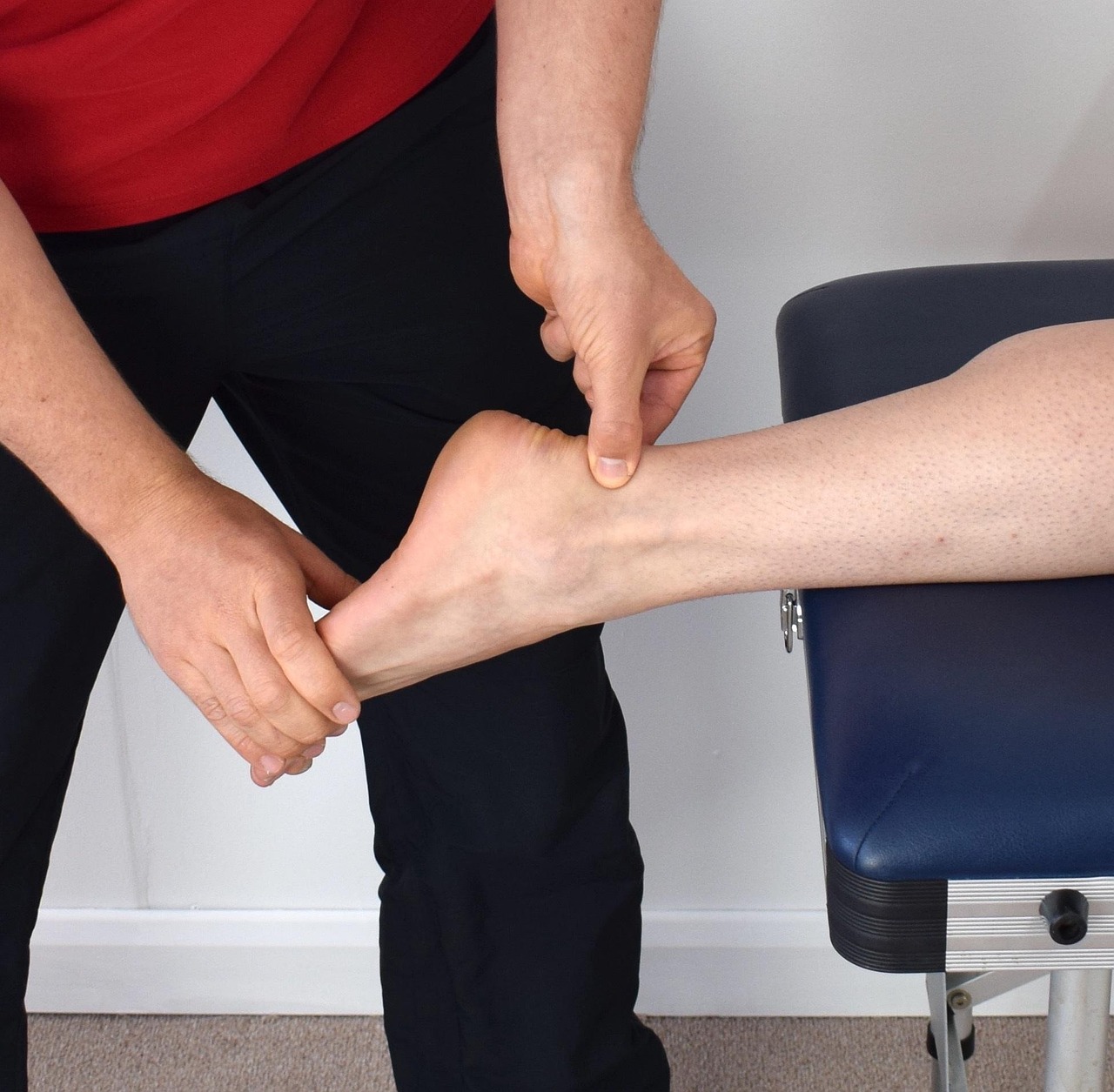
Manual therapy works directly on the joint and soft tissue. Mobilization restores movement at the joint level. Soft tissue work addresses muscle restrictions that are limiting range and causing pain. Dry needling reaches deeper tension that surface work cannot access.
This is not a relaxation massage. It has a specific mechanical purpose. The goal is to change how the joint moves so that the exercise work following it is actually effective.
Manual therapy tends to produce faster early progress. It is usually combined with physical therapy rather than used on its own.
Corticosteroid Injections
When inflammation inside a joint is the primary driver of pain, getting it under control directly changes what rehab can accomplish.
A joint too inflamed to tolerate exercise does not respond well to physical therapy. Swelling inhibits muscle activation. Movement stays guarded. Progress stalls before it starts.
Corticosteroid injections reduce inflammation at the source. For knee and hip osteoarthritis, shoulder bursitis, and facet joint pain, a well-placed injection can shift the pain level enough that rebuilding strength and correcting movement becomes possible.
The injection is not the treatment. It is what makes the treatment possible.
Hyaluronic Acid Injections
In joints where cartilage loss has reduced natural lubrication, movement becomes rougher and more painful than the structural damage alone explains.
Hyaluronic acid restores some of that lubrication. The joint moves more smoothly. Friction decreases. For knee osteoarthritis in particular, this can produce meaningful relief and improved mobility that lasts well beyond the injection itself.
Not every patient is a candidate. The degree of cartilage loss and the specific joint involved determine whether it fits into the plan.
Platelet-Rich Plasma
For conditions where tissue repair is the goal rather than just inflammation control, PRP takes a different approach.
A small amount of the patient's own blood is processed to concentrate growth factors and injected into the affected area. Tendinopathy, partial ligament tears, and early cartilage damage tend to respond best.
Results take weeks to months. But for the right patient with the right diagnosis, it drives genuine tissue healing rather than just symptom management.
Getting the Right Care in Oro Valley
Non-surgical options work best before degeneration has gone too far. The window is real and does not stay open indefinitely.
If joint pain has been limiting daily life, reach out to Modern Medicine of Tucson, AZ to schedule an orthopedic evaluation.
Physical Therapy
Most joint pain has a mechanical component. Something is weak, moving wrong, or loading unevenly. Physical therapy goes after that directly.
For a knee with early osteoarthritis, quad and hip strengthening takes the load off the damaged cartilage. For a shoulder with impingement, retraining the rotator cuff changes the mechanics, causing the pinching. For a hip with tendinopathy, progressive loading of the irritated tendon drives repair rather than continued breakdown.
The program gets built around what the evaluation finds. A specific sequence matched to the joint, the diagnosis, and what the patient needs to get back to.
For many patients, physical therapy alone is enough. Pain drops, function improves, and surgery never enters the conversation.
Manual Therapy
When a joint has stiffened or the surrounding tissue has lost quality, exercises alone do not always move things fast enough.
Manual therapy works directly on the joint and soft tissue. Mobilization restores movement at the joint level. Soft tissue work addresses muscle restrictions that are limiting range and causing pain. Dry needling reaches deeper tension that surface work cannot access.
This is not a relaxation massage. It has a specific mechanical purpose. The goal is to change how the joint moves so that the exercise work following it is actually effective.
Manual therapy tends to produce faster early progress. It is usually combined with physical therapy rather than used on its own.
Corticosteroid Injections
When inflammation inside a joint is the primary driver of pain, getting it under control directly changes what rehab can accomplish.
A joint too inflamed to tolerate exercise does not respond well to physical therapy. Swelling inhibits muscle activation. Movement stays guarded. Progress stalls before it starts.
Corticosteroid injections reduce inflammation at the source. For knee and hip osteoarthritis, shoulder bursitis, and facet joint pain, a well-placed injection can shift the pain level enough that rebuilding strength and correcting movement becomes possible.
The injection is not the treatment. It is what makes the treatment possible.
Hyaluronic Acid Injections
In joints where cartilage loss has reduced natural lubrication, movement becomes rougher and more painful than the structural damage alone explains.
Hyaluronic acid restores some of that lubrication. The joint moves more smoothly. Friction decreases. For knee osteoarthritis in particular, this can produce meaningful relief and improved mobility that lasts well beyond the injection itself.
Not every patient is a candidate. The degree of cartilage loss and the specific joint involved determine whether it fits into the plan.
Platelet-Rich Plasma
For conditions where tissue repair is the goal rather than just inflammation control, PRP takes a different approach.
A small amount of the patient's own blood is processed to concentrate growth factors and injected into the affected area. Tendinopathy, partial ligament tears, and early cartilage damage tend to respond best.
Results take weeks to months. But for the right patient with the right diagnosis, it drives genuine tissue healing rather than just symptom management.
Getting the Right Care in Oro Valley
Non-surgical options work best before degeneration has gone too far. The window is real and does not stay open indefinitely.
If joint pain has been limiting daily life, reach out to Modern Medicine of Tucson, AZ to schedule an orthopedic evaluation.
Oro Valley, AZ - Orthopedic Services That Help Avoid Surgery for Joint Pain
SYNOPSIS: This article covers non-surgical options for your joint pain, including physical therapy, manual therapy, different kinds of injections, structured rehabilitation, and more.
Orthopedic Care Without Having Any Surgery
BY: Josh Adams, Modern Medicine of Tucson, AZ
Physical Therapy
Most joint pain has a mechanical component. Something is weak, moving wrong, or loading unevenly. Physical therapy goes after that directly.
For a knee with early osteoarthritis, quad and hip strengthening takes the load off the damaged cartilage. For a shoulder with impingement, retraining the rotator cuff changes the mechanics, causing the pinching. For a hip with tendinopathy, progressive loading of the irritated tendon drives repair rather than continued breakdown.
The program gets built around what the evaluation finds. A specific sequence matched to the joint, the diagnosis, and what the patient needs to get back to.
For many patients, physical therapy alone is enough. Pain drops, function improves, and surgery never enters the conversation.
Manual Therapy
When a joint has stiffened or the surrounding tissue has lost quality, exercises alone do not always move things fast enough.
Manual therapy works directly on the joint and soft tissue. Mobilization restores movement at the joint level. Soft tissue work addresses muscle restrictions that are limiting range and causing pain. Dry needling reaches deeper tension that surface work cannot access.
This is not a relaxation massage. It has a specific mechanical purpose. The goal is to change how the joint moves so that the exercise work following it is actually effective.
Manual therapy tends to produce faster early progress. It is usually combined with physical therapy rather than used on its own.
Corticosteroid Injections
When inflammation inside a joint is the primary driver of pain, getting it under control directly changes what rehab can accomplish.
A joint too inflamed to tolerate exercise does not respond well to physical therapy. Swelling inhibits muscle activation. Movement stays guarded. Progress stalls before it starts.
Corticosteroid injections reduce inflammation at the source. For knee and hip osteoarthritis, shoulder bursitis, and facet joint pain, a well-placed injection can shift the pain level enough that rebuilding strength and correcting movement becomes possible.
The injection is not the treatment. It is what makes the treatment possible.
Hyaluronic Acid Injections
In joints where cartilage loss has reduced natural lubrication, movement becomes rougher and more painful than the structural damage alone explains.
Hyaluronic acid restores some of that lubrication. The joint moves more smoothly. Friction decreases. For knee osteoarthritis in particular, this can produce meaningful relief and improved mobility that lasts well beyond the injection itself.
Not every patient is a candidate. The degree of cartilage loss and the specific joint involved determine whether it fits into the plan.
Platelet-Rich Plasma
For conditions where tissue repair is the goal rather than just inflammation control, PRP takes a different approach.
A small amount of the patient's own blood is processed to concentrate growth factors and injected into the affected area. Tendinopathy, partial ligament tears, and early cartilage damage tend to respond best.
Results take weeks to months. But for the right patient with the right diagnosis, it drives genuine tissue healing rather than just symptom management.
Getting the Right Care in Oro Valley
Non-surgical options work best before degeneration has gone too far. The window is real and does not stay open indefinitely.
If joint pain has been limiting daily life, reach out to Modern Medicine of Tucson, AZ to schedule an orthopedic evaluation.