 How Most People Hurt Their Knees
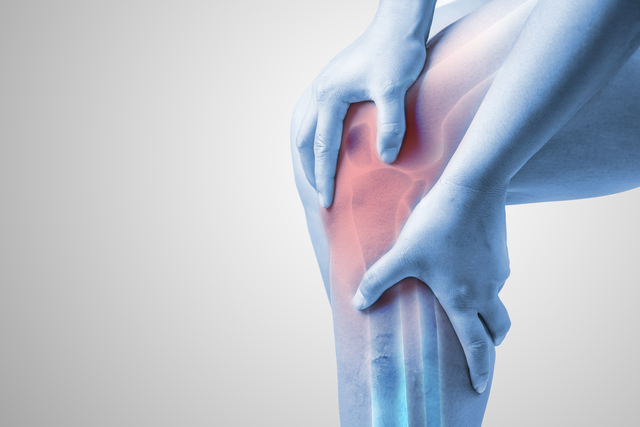
Many knee injuries start during everyday movement, not just sports. You step off a curb, and the knee twists. You squat to grab a box and feel a sharp twinge. Some injuries start during a quick change of direction in pickleball or basketball. Others build from repeated stress during running, kneeling, or stair climbing.
- Twisting on a planted foot: Pain after a pivot, cut, or sudden turn
- Hard landing: Pain after a jump, fall, or missed step
- Overuse from running or walking: Ache that ramps up over weeks
- Deep kneeling or squats: Pain around the kneecap during bending
- Direct impact: Soreness and swelling after a bump or collision
- Weakness after time off: Pain after restarting workouts too fast
What A Physical Therapist Looks For First
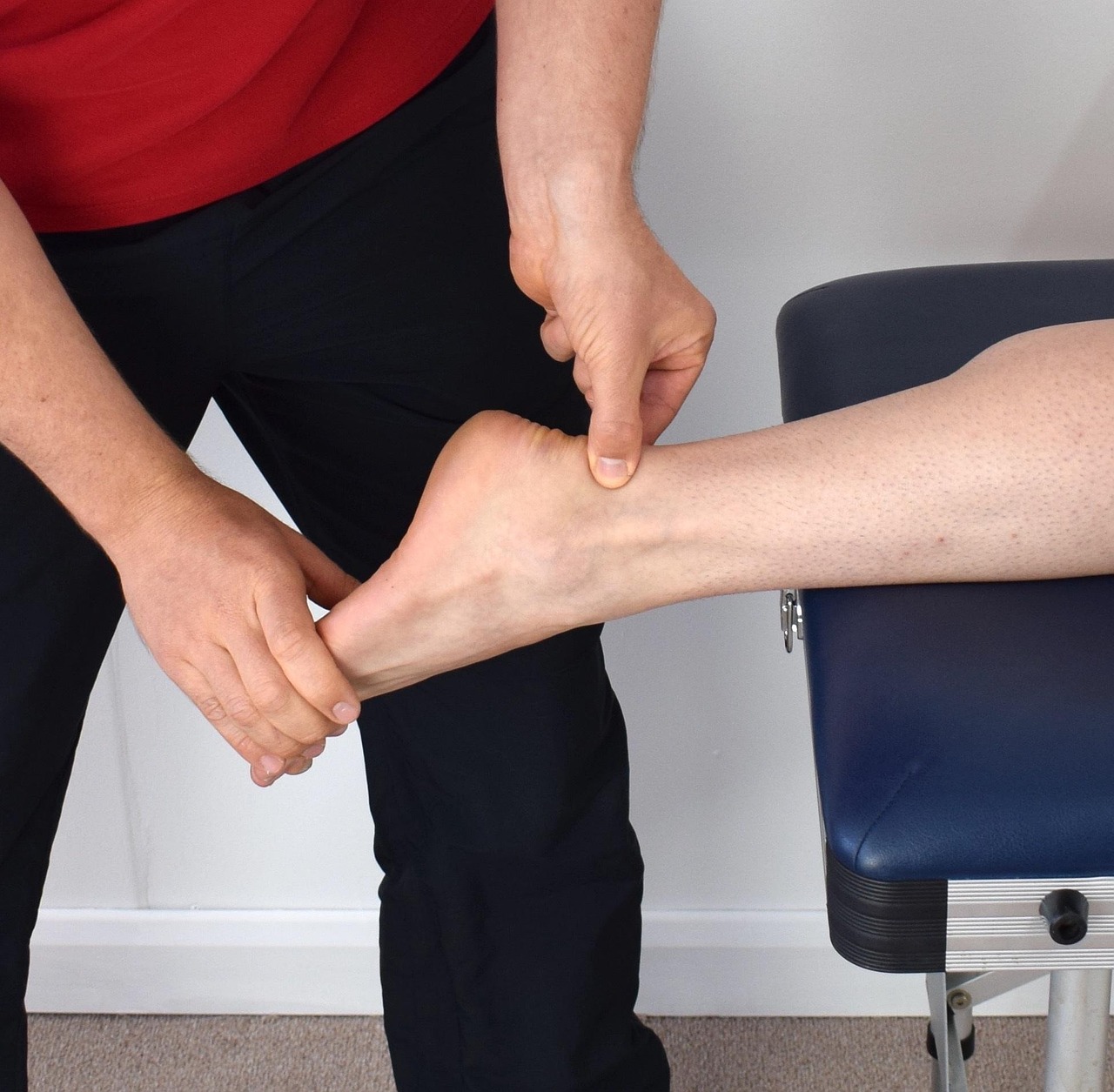
A PT visit starts with the tasks you cannot do right now. Your therapist asks about stairs, walking distance, driving, and sleep. They check swelling and range of motion. They test strength in the quads, hips, and calves. They also watch how you walk and how you step down. This matters because knee pain often comes from load problems, not just a sore spot.
PT Treatment Types Many People Get And Why They Work
PT uses a mix of hands-on care, guided exercise, and movement coaching. Each piece has a job. Pain relief helps you move again. Strength work helps the knee handle load. Control work helps the joint feel stable during turns and quick steps. People often ask one question: “Is PT just stretching?” No, PT builds strength and control so your knee holds up in real life.
- Swelling and pain control: Calms the knee so walking feels less sharp
- Range of motion work: Restores bending and straightening for smoother steps
- Strength training: Builds quads, glutes, and calves for better support
- Balance and stability drills: Improves control during turns and uneven ground
- Gait and stair training: Fixes limping and makes stairs feel safer
- Activity planning: Sets clear limits so you stay active without flare-ups
When PT Can Help You Avoid Surgery
Many knee problems improve when you restore motion, strength, and control. PT also helps you stop the habits that put stress on the knee, like letting the knee cave in or avoiding a full bend. Surgery carries real downsides. You deal with higher cost, time off, and post op pain. You also face risks tied to any procedure. PT gives you a low-risk way to improve function first.
When Surgery Makes Sense, And PT Still Helps
Some injuries need surgical input, like certain ligament tears or mechanical locking. Even then, PT plays a key role. It can reduce swelling, restore motion, and build strength before a procedure. That can make post op rehab smoother. If you do not need surgery, the same PT work often becomes your main treatment plan.
Let Modern Physical Therapy & Sports Medicine of Tucson, AZ Help
Call Modern Physical Therapy & Sports Medicine of Tucson, AZ, or fill out the online form to request an appointment. You will get a plan that targets mobility, strength, and stability so you can return to normal movement.