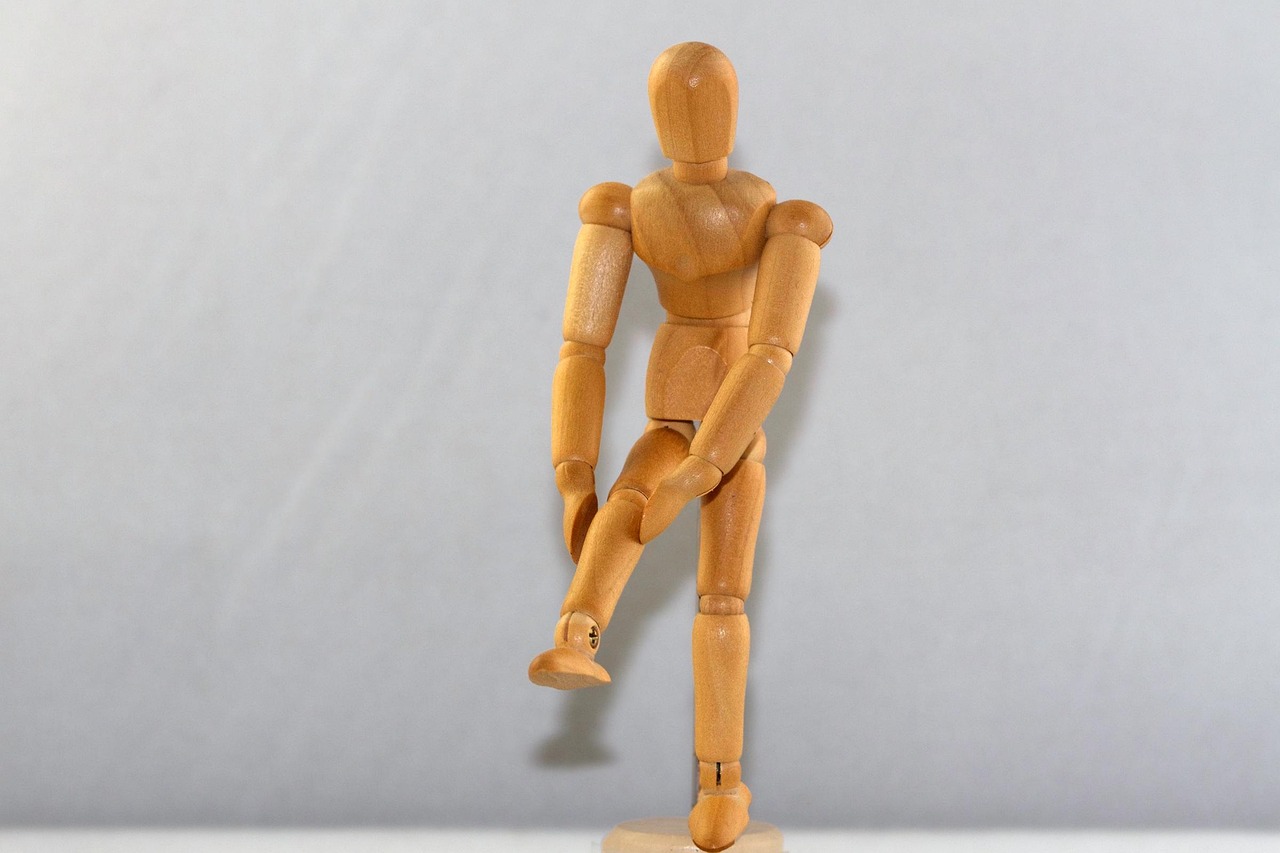
 We see this every day. Someone comes in and says, “Nothing happened, but I hurt all the time.” The pain might be in the lower back, neck, hips, or knees. It can drift, flare, then calm down again. Many people wake up stiff, loosen up a bit, then feel worse after sitting, driving, or doing a normal day of errands. The confusing part is the lack of a clear cause. That does not mean nothing is going on. It often means the body has been guarding for a long time, and movement has slowly narrowed down to a few “safe” patterns that keep the cycle going.
How It Often Builds Over Time
Chronic pain without recent trauma usually starts with something small that never got fully addressed. A back strain. A shoulder that stopped reaching overhead. A knee that hurts after you quit walking for a few months. Then people adjust. They move less, rest more, brace more, and avoid anything that triggers symptoms. That makes sense in the moment, but it can shrink strength and tolerance. Poor sleep and stress can add fuel, too. When the body stays on alert, muscles tighten faster, and pain signals can fire sooner than they used to.
What We Look ForIn A PT Evaluation
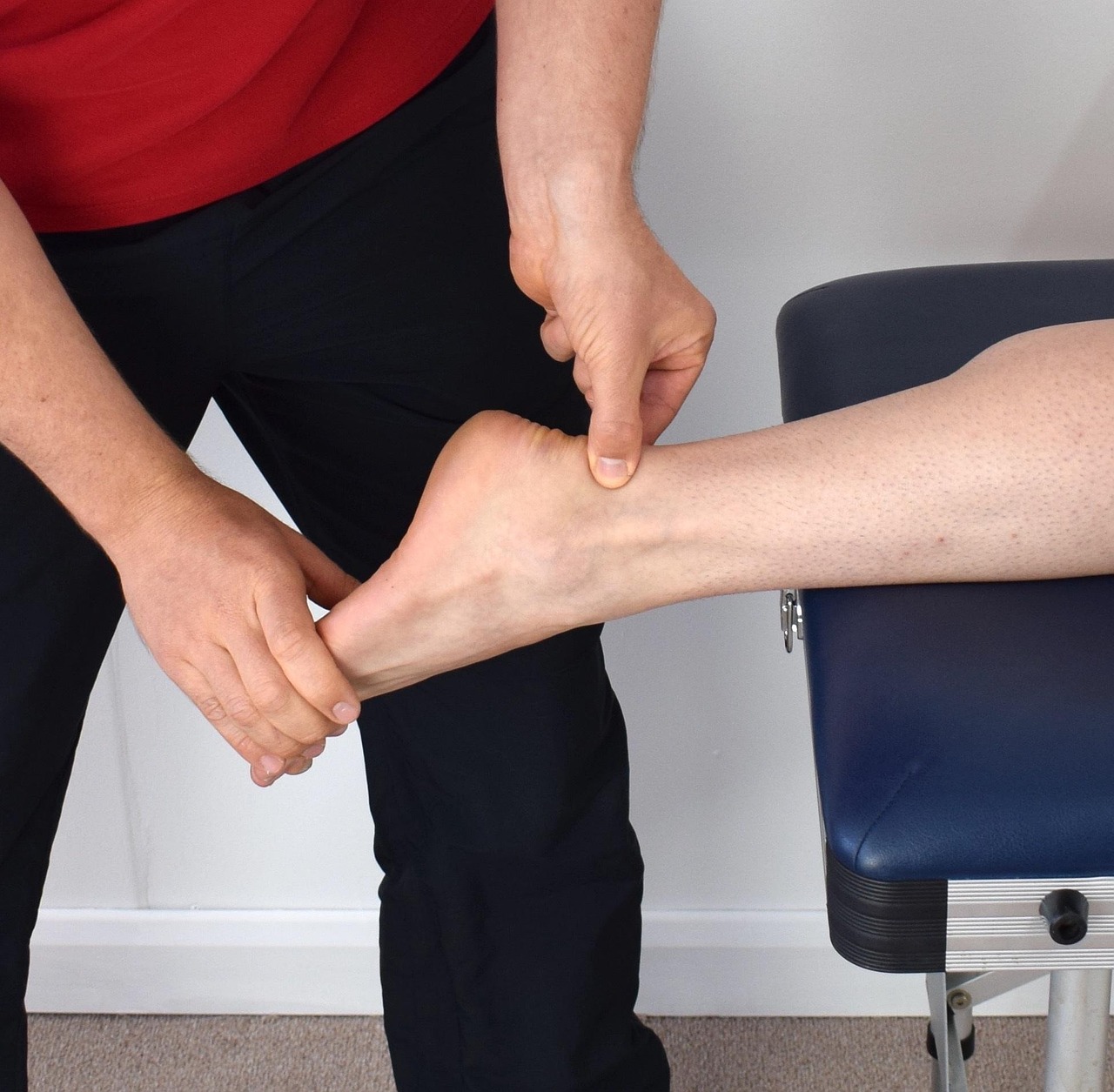
We do not treat this like a quick “here are stretches” visit. We want to know what your day looks like and what you miss doing. Then we look at how you move. We check strength, mobility, balance, and basic patterns like bending, reaching, walking, and getting up from a chair. We also look for habits that keep pain going, like holding your breath, clenching through movement, or doing too much on a good day and then crashing for three days. The goal is to find a starting point you can repeat without paying for it later.
How PT Helps When Pain Has Been Around A While
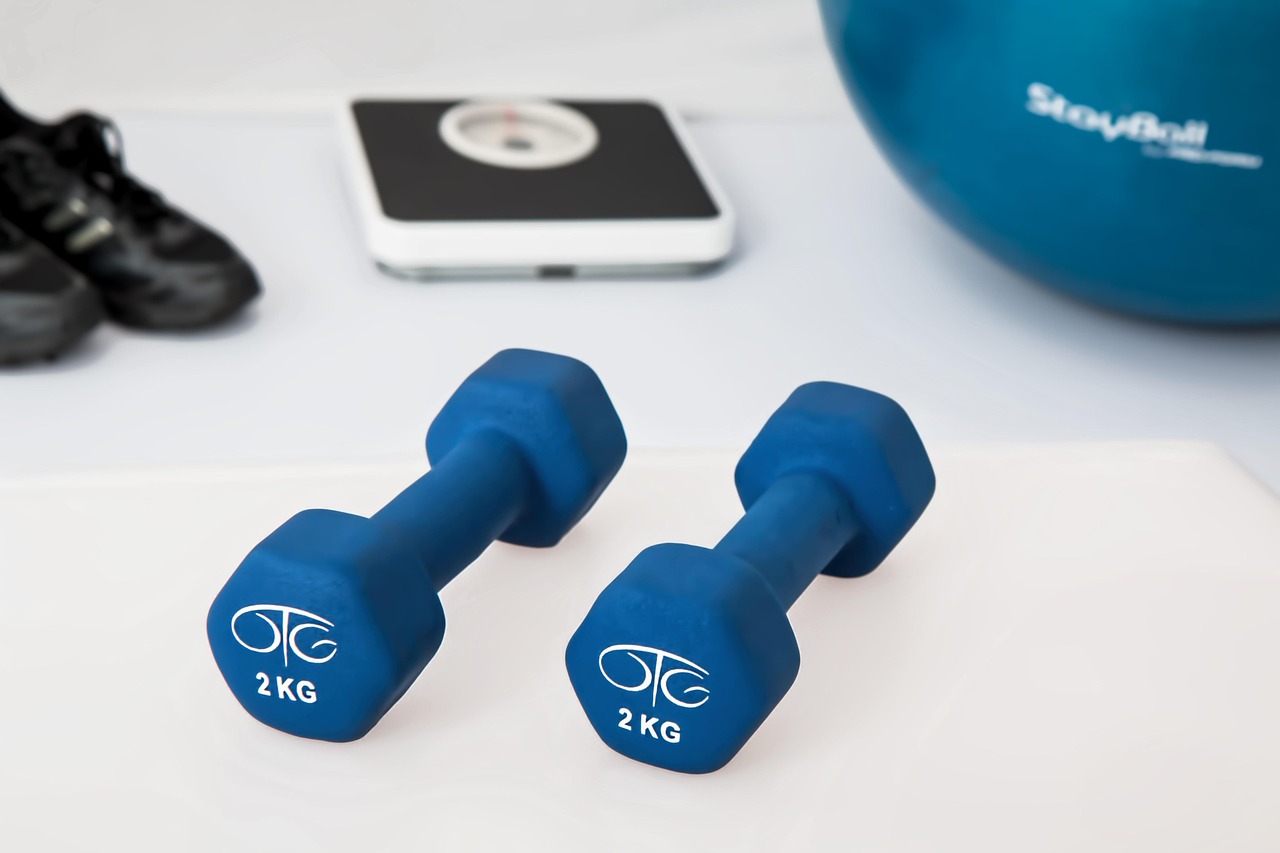
The plan usually has two jobs. First, help your body feel safer with movement again. Second, rebuild capacity so daily tasks stop wiping you out. We use gradual loading and consistent practice to widen what you can do. That might mean improving hip and core support for back pain, restoring shoulder blade control for neck and shoulder issues, or building leg strength so stairs stop feeling like a threat. We also coach pacing, because chronic pain often follows an all-or-nothing pattern.
When Imaging Or Procedures Come Up
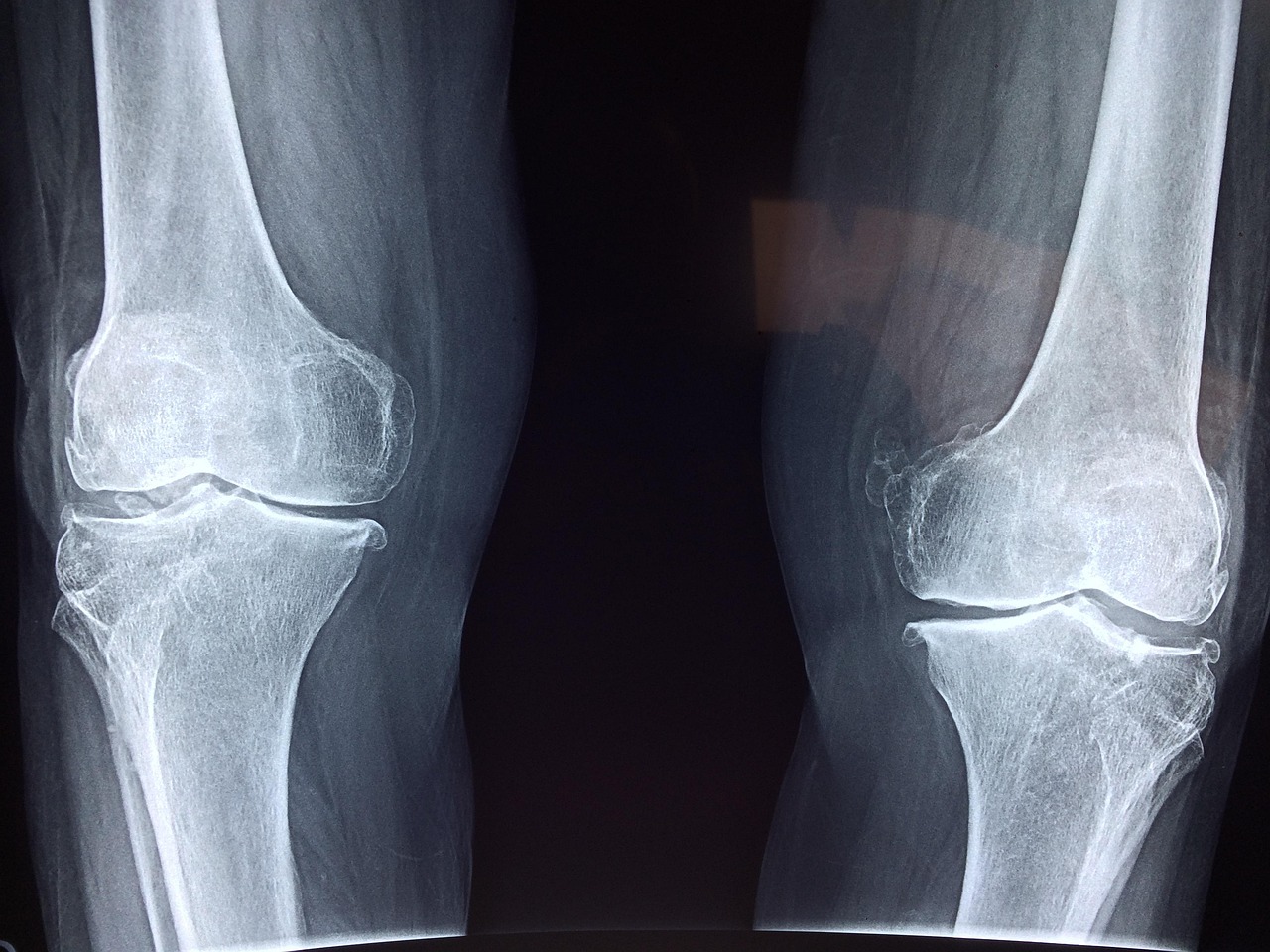
Some patients assume they need an MRI right away. Sometimes imaging helps, especially if there are red flags or symptoms that don’t fit the usual picture. Still, many scan findings are common in people who feel fine, so the image alone does not explain your pain. If injections or other procedures are discussed later, PT still matters because it changes strength, movement patterns, and tolerance. That’s what helps results last.
If pain has been hanging around and there was no recent trauma, you still have options. Schedule an evaluation with Modern Physical Therapy & Sports Medicine of Tucson, AZ, and get a plan built around steady progress and real-life function.
We see this every day. Someone comes in and says, “Nothing happened, but I hurt all the time.” The pain might be in the lower back, neck, hips, or knees. It can drift, flare, then calm down again. Many people wake up stiff, loosen up a bit, then feel worse after sitting, driving, or doing a normal day of errands. The confusing part is the lack of a clear cause. That does not mean nothing is going on. It often means the body has been guarding for a long time, and movement has slowly narrowed down to a few “safe” patterns that keep the cycle going.
How It Often Builds Over Time
Chronic pain without recent trauma usually starts with something small that never got fully addressed. A back strain. A shoulder that stopped reaching overhead. A knee that hurts after you quit walking for a few months. Then people adjust. They move less, rest more, brace more, and avoid anything that triggers symptoms. That makes sense in the moment, but it can shrink strength and tolerance. Poor sleep and stress can add fuel, too. When the body stays on alert, muscles tighten faster, and pain signals can fire sooner than they used to.
What We Look ForIn A PT Evaluation
We do not treat this like a quick “here are stretches” visit. We want to know what your day looks like and what you miss doing. Then we look at how you move. We check strength, mobility, balance, and basic patterns like bending, reaching, walking, and getting up from a chair. We also look for habits that keep pain going, like holding your breath, clenching through movement, or doing too much on a good day and then crashing for three days. The goal is to find a starting point you can repeat without paying for it later.
How PT Helps When Pain Has Been Around A While
The plan usually has two jobs. First, help your body feel safer with movement again. Second, rebuild capacity so daily tasks stop wiping you out. We use gradual loading and consistent practice to widen what you can do. That might mean improving hip and core support for back pain, restoring shoulder blade control for neck and shoulder issues, or building leg strength so stairs stop feeling like a threat. We also coach pacing, because chronic pain often follows an all-or-nothing pattern.
When Imaging Or Procedures Come Up
Some patients assume they need an MRI right away. Sometimes imaging helps, especially if there are red flags or symptoms that don’t fit the usual picture. Still, many scan findings are common in people who feel fine, so the image alone does not explain your pain. If injections or other procedures are discussed later, PT still matters because it changes strength, movement patterns, and tolerance. That’s what helps results last.
If pain has been hanging around and there was no recent trauma, you still have options. Schedule an evaluation with Modern Physical Therapy & Sports Medicine of Tucson, AZ, and get a plan built around steady progress and real-life function.
Tucson, AZ – Physical Therapy Services for Chronic Pain Without Recent Trauma
SYNOPSIS: This article covers why pain can keep showing up in your body without a new injury, what we look for in a PT exam, and how therapy helps you move more and hurt less over time.
Chronic Pain When There’s No New Injury To Report
BY: Josh Adams, Modern Medicine of Tucson, AZ
We see this every day. Someone comes in and says, “Nothing happened, but I hurt all the time.” The pain might be in the lower back, neck, hips, or knees. It can drift, flare, then calm down again. Many people wake up stiff, loosen up a bit, then feel worse after sitting, driving, or doing a normal day of errands. The confusing part is the lack of a clear cause. That does not mean nothing is going on. It often means the body has been guarding for a long time, and movement has slowly narrowed down to a few “safe” patterns that keep the cycle going.
How It Often Builds Over Time
Chronic pain without recent trauma usually starts with something small that never got fully addressed. A back strain. A shoulder that stopped reaching overhead. A knee that hurts after you quit walking for a few months. Then people adjust. They move less, rest more, brace more, and avoid anything that triggers symptoms. That makes sense in the moment, but it can shrink strength and tolerance. Poor sleep and stress can add fuel, too. When the body stays on alert, muscles tighten faster, and pain signals can fire sooner than they used to.
What We Look ForIn A PT Evaluation
We do not treat this like a quick “here are stretches” visit. We want to know what your day looks like and what you miss doing. Then we look at how you move. We check strength, mobility, balance, and basic patterns like bending, reaching, walking, and getting up from a chair. We also look for habits that keep pain going, like holding your breath, clenching through movement, or doing too much on a good day and then crashing for three days. The goal is to find a starting point you can repeat without paying for it later.
How PT Helps When Pain Has Been Around A While
The plan usually has two jobs. First, help your body feel safer with movement again. Second, rebuild capacity so daily tasks stop wiping you out. We use gradual loading and consistent practice to widen what you can do. That might mean improving hip and core support for back pain, restoring shoulder blade control for neck and shoulder issues, or building leg strength so stairs stop feeling like a threat. We also coach pacing, because chronic pain often follows an all-or-nothing pattern.
When Imaging Or Procedures Come Up
Some patients assume they need an MRI right away. Sometimes imaging helps, especially if there are red flags or symptoms that don’t fit the usual picture. Still, many scan findings are common in people who feel fine, so the image alone does not explain your pain. If injections or other procedures are discussed later, PT still matters because it changes strength, movement patterns, and tolerance. That’s what helps results last.
If pain has been hanging around and there was no recent trauma, you still have options. Schedule an evaluation with Modern Physical Therapy & Sports Medicine of Tucson, AZ, and get a plan built around steady progress and real-life function.