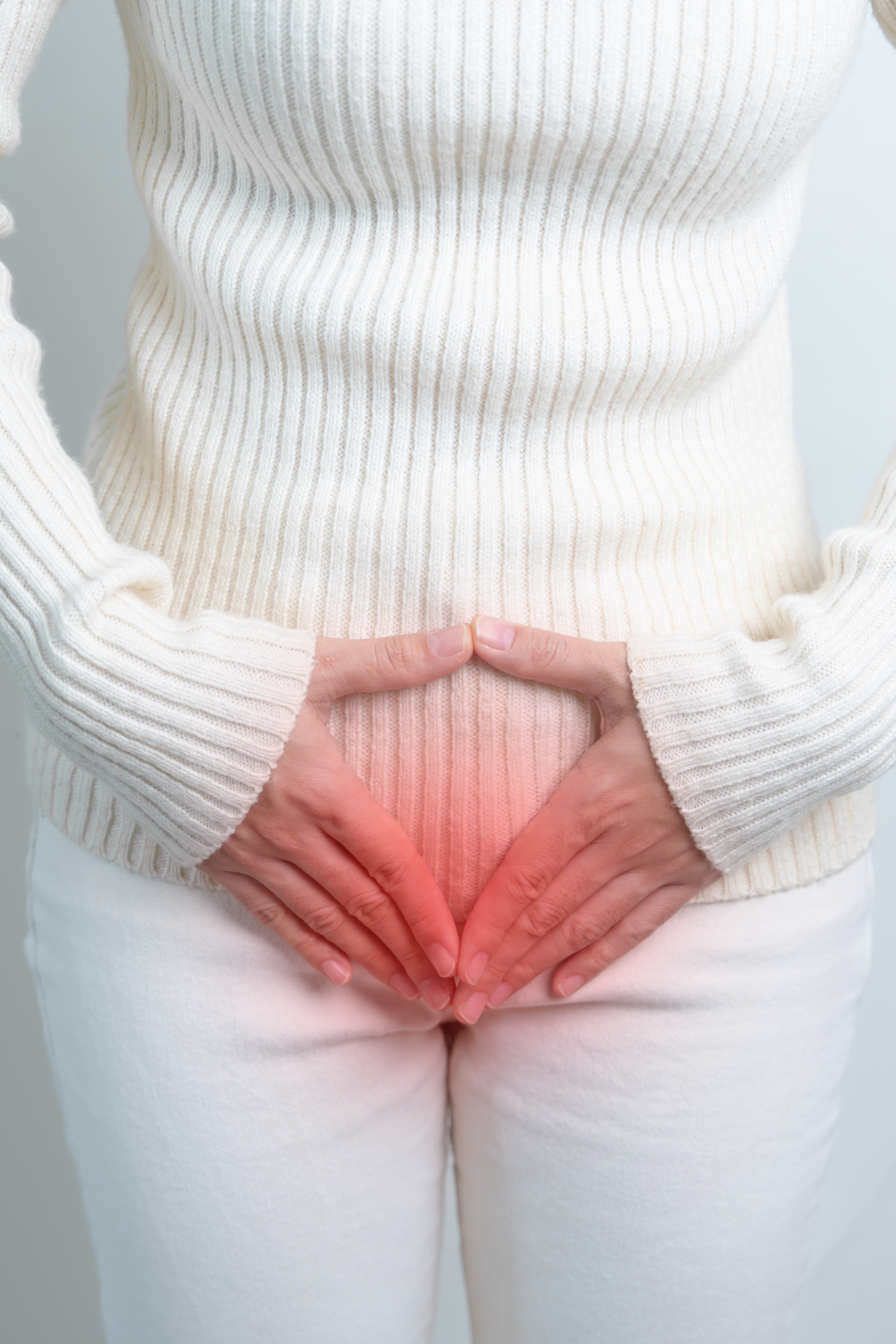
A lot of people walk in and say, “Something feels off.” They do not always have sharp pain. They mention pressure after a longer walk, leaking when they cough, or a low back that gets tired halfway through errands. Some describe a tailbone ache after driving across town. Others say they avoid stairs because they feel wobbly or they brace without thinking. When we hear those patterns, we start looking at how the deep core, hips, and pelvic floor work together, or do not.
How These Issues Often Start
Sometimes there’s a clear starting point like pregnancy, delivery, or a C-section. Other times, it stacks up slowly. Desk work, repeated heavy lifting, chronic coughing, constipation, or a fall can change how you manage pressure through your abdomen and pelvis. Many patients also pick up habits that feel protective, like holding their breath when they lift or clenching through stress. That can leave the pelvic floor overworked and still not doing its job when you need support.
How It Can Affect Your Day
This can show up in annoying ways that are easy to brush off at first. You might shift your weight all the time when you stand. You may tighten your stomach just to get through a grocery trip. Sitting at a desk can bring on a heavy feeling by mid-afternoon. Workouts can feel unpredictable, especially with jumping, running, or heavier weights. Sleep can take a hit, too. If rolling over or getting out of bed feels strained, your body never fully settles.
Signs It’s Time To Get Checked
If you keep changing how you move to avoid symptoms, it’s worth an evaluation. These are some of the reasons we see patients schedule pelvic therapy:
- Breathing and pressure control for lifting, stairs, and exercise
- Pelvic floor coordination, which may include relaxation or strengthening
- Hip and glute strengthening to support pelvic position
- Deep core retraining that fits your body and your symptoms
- Movement coaching for getting out of the car, getting off the floor, and carrying loads
- Home steps that feel doable on a busy week
Why PT Usually Comes First
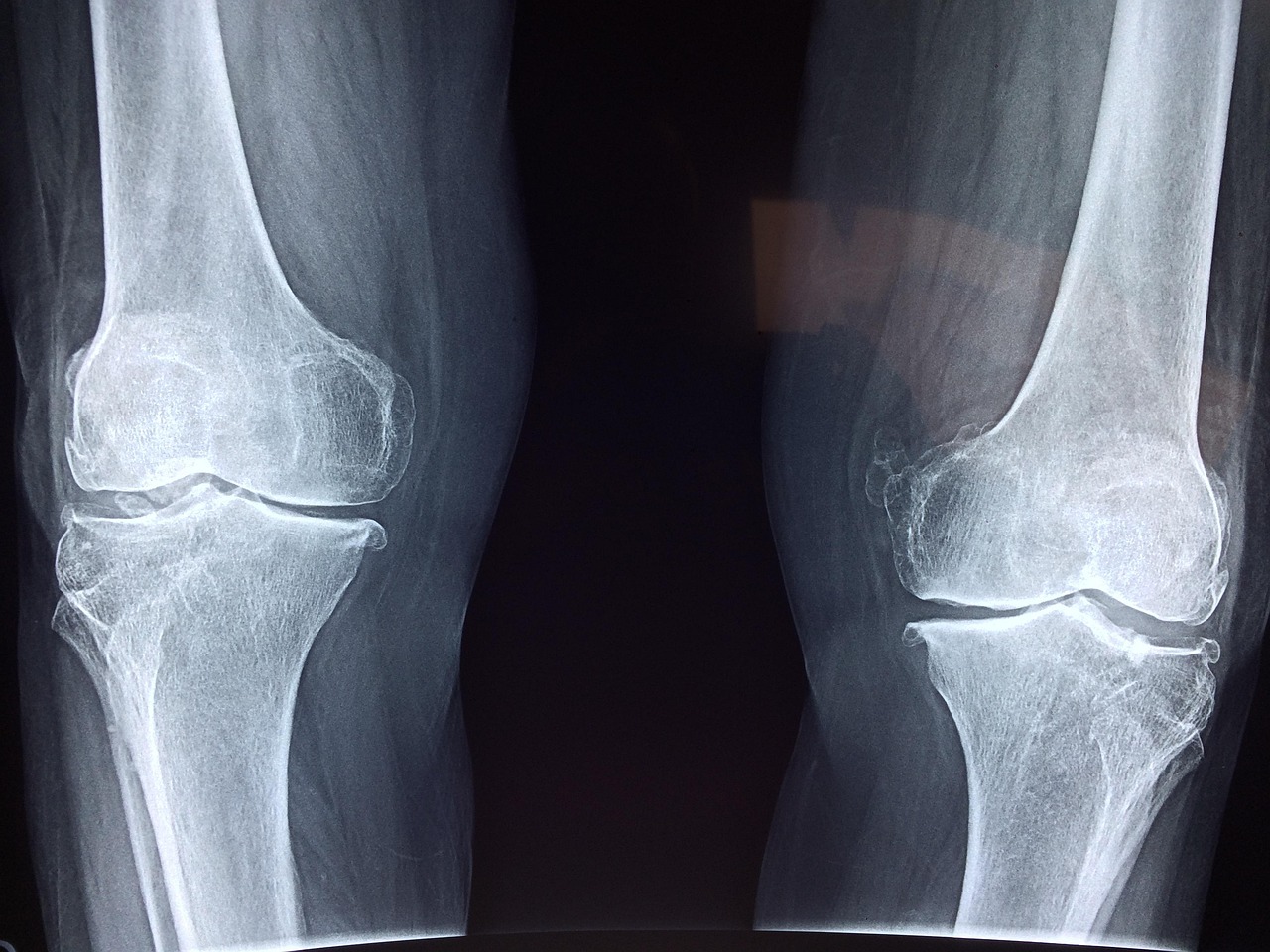
Most pelvic stability and core control problems improve with physical therapy because the main issue is coordination, weakness, or over-tension, not a quick-fix problem. Imaging can help when symptoms suggest a structural concern or progress stalls. Injections may calm a specific pain source in certain cases, but they do not retrain how your core and pelvic floor work together. Surgery comes up when there’s a clear structural reason and conservative care has not been enough, and therapy still supports results before and after.
Schedule a Session for Pelvic Therapy Today
If you feel pressure, leaking, or instability that keeps messing with normal days, let’s get a clear starting point. Schedule an evaluation with Modern Physical Therapy & Sports Medicine of Tucson, AZ, so we can pinpoint what’s driving it and build steadier support you can use outside the clinic.