 A lot of people treat tight hamstrings as a leg problem. They stretch the backs of their thighs and move on. What often gets missed is how closely those muscles are tied to the lower back.
Lower back pain linked to hamstring tightness is especially common in people who sit a lot, feel stiff after standing up, or notice discomfort when bending forward.
Where The Hamstrings Actually Are
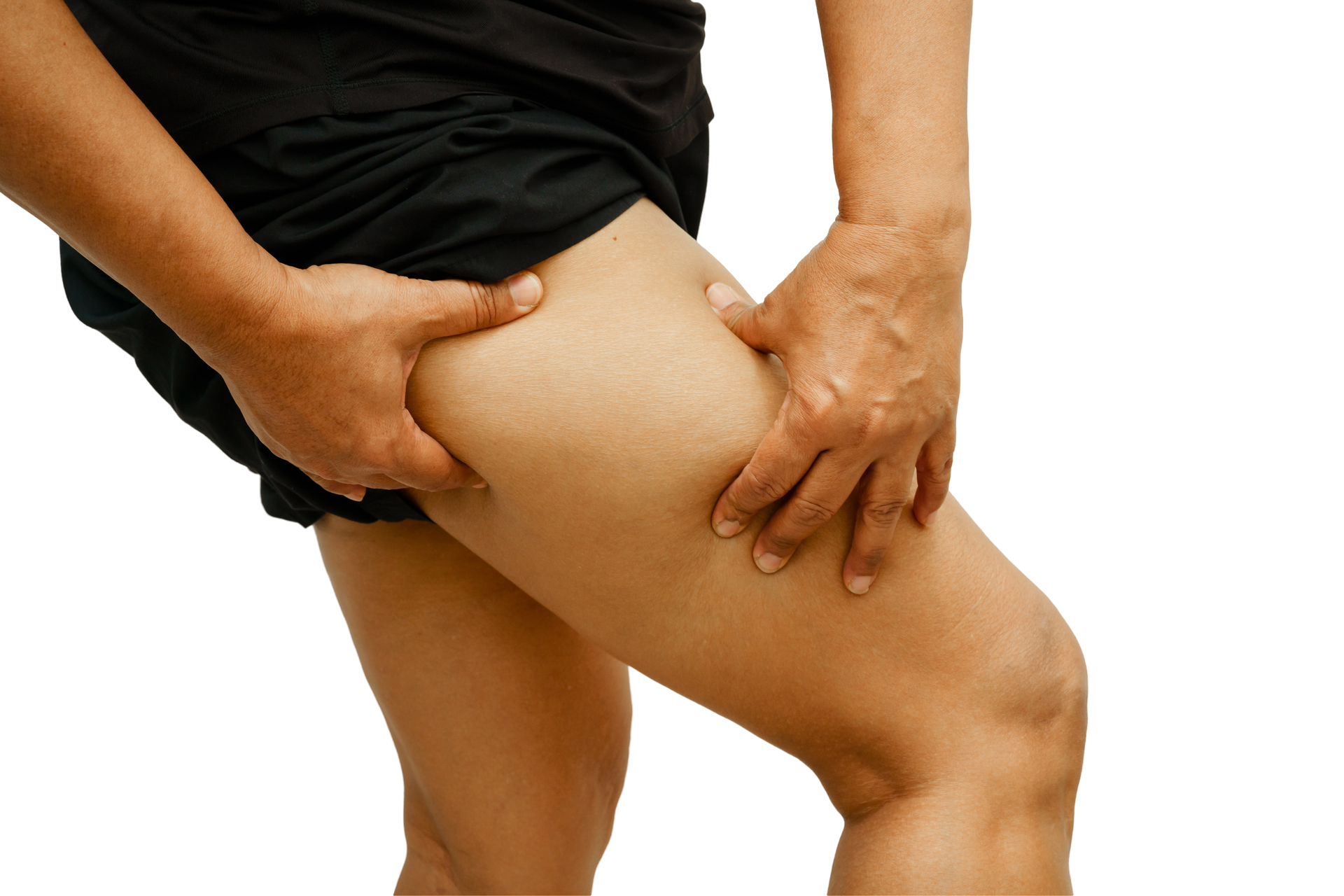
The hamstrings run along the back of each thigh. They start up near the pelvis and attach below the knee. That upper attachment is important. Because the hamstrings connect to the pelvis, they influence how the pelvis tilts.
The pelvis sits between the legs and the spine. When the hamstrings pull on it, the lower back feels that pull too. This is why tight hamstrings can affect posture, bending, and standing, even if the pain shows up higher.
How Tight Hamstrings Start Stressing The Lower Back
When hamstrings do not lengthen well, forward movement becomes limited. The body still needs to bend, so the lower back moves more to make up for it. That extra motion adds strain over time.
People often notice lower back tightness after sitting, stiffness when standing up, or discomfort during simple tasks like tying their shoes. The back is not the original issue. It compensates for limited movement in the legs.
Why Sitting Makes The Pattern Worse
Sitting keeps the hamstrings in a shortened position for long periods. Over time, they adapt to that length. When you stand up, they resist stretching out.
That resistance often shows up as back stiffness during transitions. Getting out of a chair or stepping out of bed feels harder because the legs are not sharing the work. The lower back takes on more load instead.
Why Stretching Alone Often Falls Short
Stretching can help, but it is rarely enough on its own. Many people stretch their hamstrings daily and still feel tight.
That usually happens because weak hips and core muscles leave the hamstrings overworked. Without better support, the muscles tighten back up. Stretching without strengthening often turns into a cycle that never quite resolves.
How Physical Therapy Helps Relieve The Strain
Physical therapy looks at how the hamstrings, hips, and lower back work together. The goal is to restore balance so the back is not forced to compensate.
Care often includes gradual hamstring stretching, hip and core strengthening, and guidance on bending and movement during daily tasks. These changes help spread movement more evenly through the body.
What People Notice As Things Improve
Most people notice changes during normal activities. Bending feels smoother. Standing up feels less stiff. Sitting no longer triggers the same tight pull in the back.
Those improvements usually show up outside the clinic, not during exercises.
An Easier Way To Address Back Pain
Lower back pain does not always start in the back. When tight hamstrings are part of the problem, physical therapy can help restore balance and ease daily movement. Addressing the full chain often makes back pain feel less stubborn. Visit us at Modern Physical Therapy & Sports Medicine of Tucson, AZ, and let us help.
A lot of people treat tight hamstrings as a leg problem. They stretch the backs of their thighs and move on. What often gets missed is how closely those muscles are tied to the lower back.
Lower back pain linked to hamstring tightness is especially common in people who sit a lot, feel stiff after standing up, or notice discomfort when bending forward.
Where The Hamstrings Actually Are
The hamstrings run along the back of each thigh. They start up near the pelvis and attach below the knee. That upper attachment is important. Because the hamstrings connect to the pelvis, they influence how the pelvis tilts.
The pelvis sits between the legs and the spine. When the hamstrings pull on it, the lower back feels that pull too. This is why tight hamstrings can affect posture, bending, and standing, even if the pain shows up higher.
How Tight Hamstrings Start Stressing The Lower Back
When hamstrings do not lengthen well, forward movement becomes limited. The body still needs to bend, so the lower back moves more to make up for it. That extra motion adds strain over time.
People often notice lower back tightness after sitting, stiffness when standing up, or discomfort during simple tasks like tying their shoes. The back is not the original issue. It compensates for limited movement in the legs.
Why Sitting Makes The Pattern Worse
Sitting keeps the hamstrings in a shortened position for long periods. Over time, they adapt to that length. When you stand up, they resist stretching out.
That resistance often shows up as back stiffness during transitions. Getting out of a chair or stepping out of bed feels harder because the legs are not sharing the work. The lower back takes on more load instead.
Why Stretching Alone Often Falls Short
Stretching can help, but it is rarely enough on its own. Many people stretch their hamstrings daily and still feel tight.
That usually happens because weak hips and core muscles leave the hamstrings overworked. Without better support, the muscles tighten back up. Stretching without strengthening often turns into a cycle that never quite resolves.
How Physical Therapy Helps Relieve The Strain
Physical therapy looks at how the hamstrings, hips, and lower back work together. The goal is to restore balance so the back is not forced to compensate.
Care often includes gradual hamstring stretching, hip and core strengthening, and guidance on bending and movement during daily tasks. These changes help spread movement more evenly through the body.
What People Notice As Things Improve
Most people notice changes during normal activities. Bending feels smoother. Standing up feels less stiff. Sitting no longer triggers the same tight pull in the back.
Those improvements usually show up outside the clinic, not during exercises.
An Easier Way To Address Back Pain
Lower back pain does not always start in the back. When tight hamstrings are part of the problem, physical therapy can help restore balance and ease daily movement. Addressing the full chain often makes back pain feel less stubborn. Visit us at Modern Physical Therapy & Sports Medicine of Tucson, AZ, and let us help.
Oro Valley, AZ - How Tight Hamstrings Affect Lower Back Pain | Orthopedics News
SYNOPSIS: This article covers where the hamstrings are, how tightness in those muscles affects the lower back, and how physical therapy helps relieve pain by improving movement and support.
Why Tight Hamstrings Can Keep Your Back Sore
BY: Josh Adams, Modern Medicine of Tucson, AZ
A lot of people treat tight hamstrings as a leg problem. They stretch the backs of their thighs and move on. What often gets missed is how closely those muscles are tied to the lower back.
Lower back pain linked to hamstring tightness is especially common in people who sit a lot, feel stiff after standing up, or notice discomfort when bending forward.
Where The Hamstrings Actually Are
The hamstrings run along the back of each thigh. They start up near the pelvis and attach below the knee. That upper attachment is important. Because the hamstrings connect to the pelvis, they influence how the pelvis tilts.
The pelvis sits between the legs and the spine. When the hamstrings pull on it, the lower back feels that pull too. This is why tight hamstrings can affect posture, bending, and standing, even if the pain shows up higher.
How Tight Hamstrings Start Stressing The Lower Back
When hamstrings do not lengthen well, forward movement becomes limited. The body still needs to bend, so the lower back moves more to make up for it. That extra motion adds strain over time.
People often notice lower back tightness after sitting, stiffness when standing up, or discomfort during simple tasks like tying their shoes. The back is not the original issue. It compensates for limited movement in the legs.
Why Sitting Makes The Pattern Worse
Sitting keeps the hamstrings in a shortened position for long periods. Over time, they adapt to that length. When you stand up, they resist stretching out.
That resistance often shows up as back stiffness during transitions. Getting out of a chair or stepping out of bed feels harder because the legs are not sharing the work. The lower back takes on more load instead.
Why Stretching Alone Often Falls Short
Stretching can help, but it is rarely enough on its own. Many people stretch their hamstrings daily and still feel tight.
That usually happens because weak hips and core muscles leave the hamstrings overworked. Without better support, the muscles tighten back up. Stretching without strengthening often turns into a cycle that never quite resolves.
How Physical Therapy Helps Relieve The Strain
Physical therapy looks at how the hamstrings, hips, and lower back work together. The goal is to restore balance so the back is not forced to compensate.
Care often includes gradual hamstring stretching, hip and core strengthening, and guidance on bending and movement during daily tasks. These changes help spread movement more evenly through the body.
What People Notice As Things Improve
Most people notice changes during normal activities. Bending feels smoother. Standing up feels less stiff. Sitting no longer triggers the same tight pull in the back.
Those improvements usually show up outside the clinic, not during exercises.
An Easier Way To Address Back Pain
Lower back pain does not always start in the back. When tight hamstrings are part of the problem, physical therapy can help restore balance and ease daily movement. Addressing the full chain often makes back pain feel less stubborn. Visit us at Modern Physical Therapy & Sports Medicine of Tucson, AZ, and let us help.