Ankle mobility is something most people barely think about. You only notice it when it starts getting in the way. Maybe you feel tight when you crouch down. Maybe your heel pops up when you walk downhill. Maybe squats just feel awkward now. These changes seem small, but they reshape how the whole leg moves.
Poor Ankle Mobility On Its Own
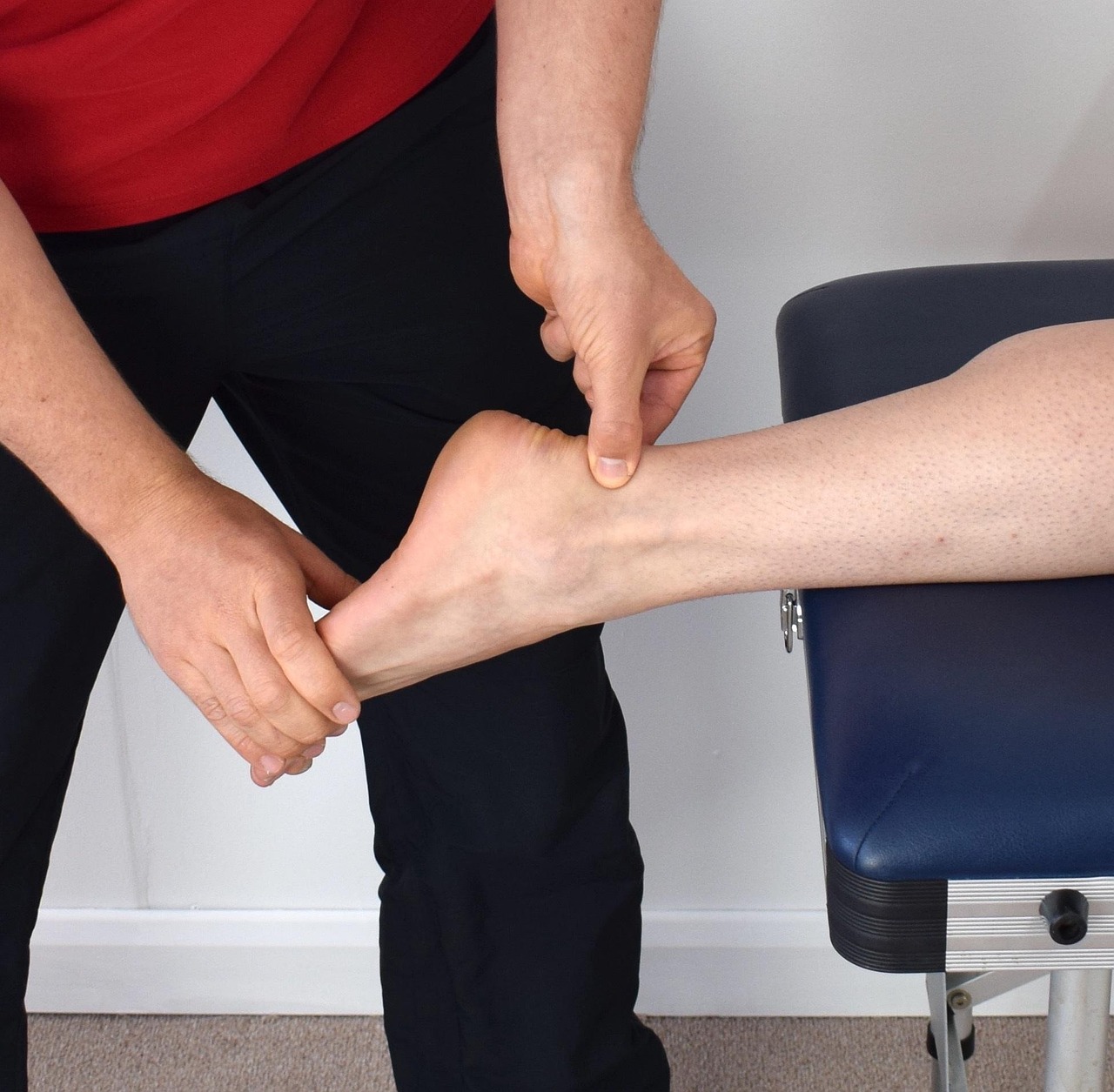
A stiff ankle can come from old injuries, shoes that don’t let your foot move much, long periods of sitting, or just years of not bending it through a full range. When the ankle can’t move, the body doesn’t stop. It simply works around the restriction. The foot turns out. The knee shifts inward. The hips compensate. You don’t notice it happening. It becomes your new normal.
People with limited ankle motion often feel a tight calf, a shallow squat, tension when stepping off curbs, or a little “block” feeling at the front of the ankle.
Chronic Knee Pain On Its Own
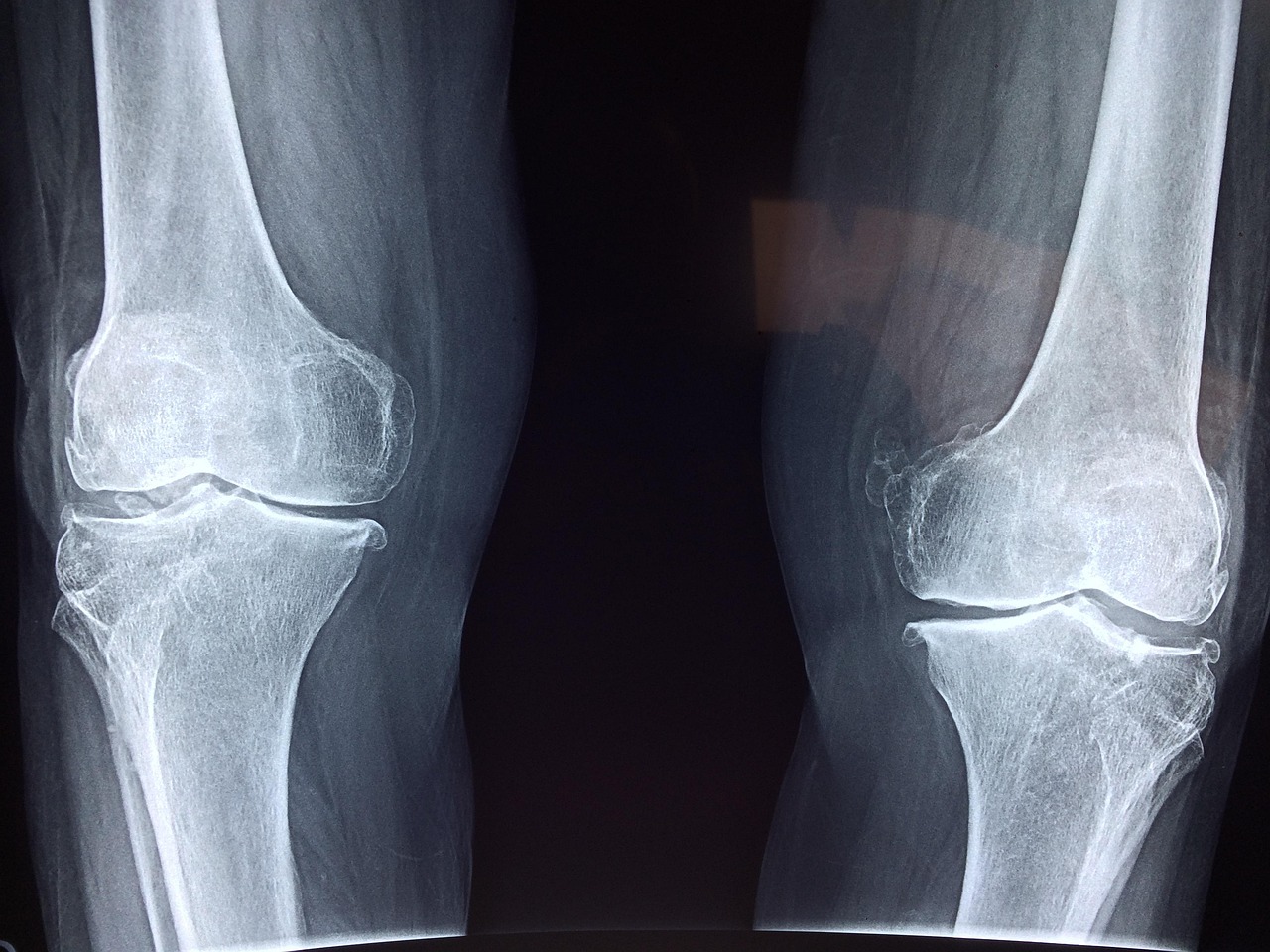
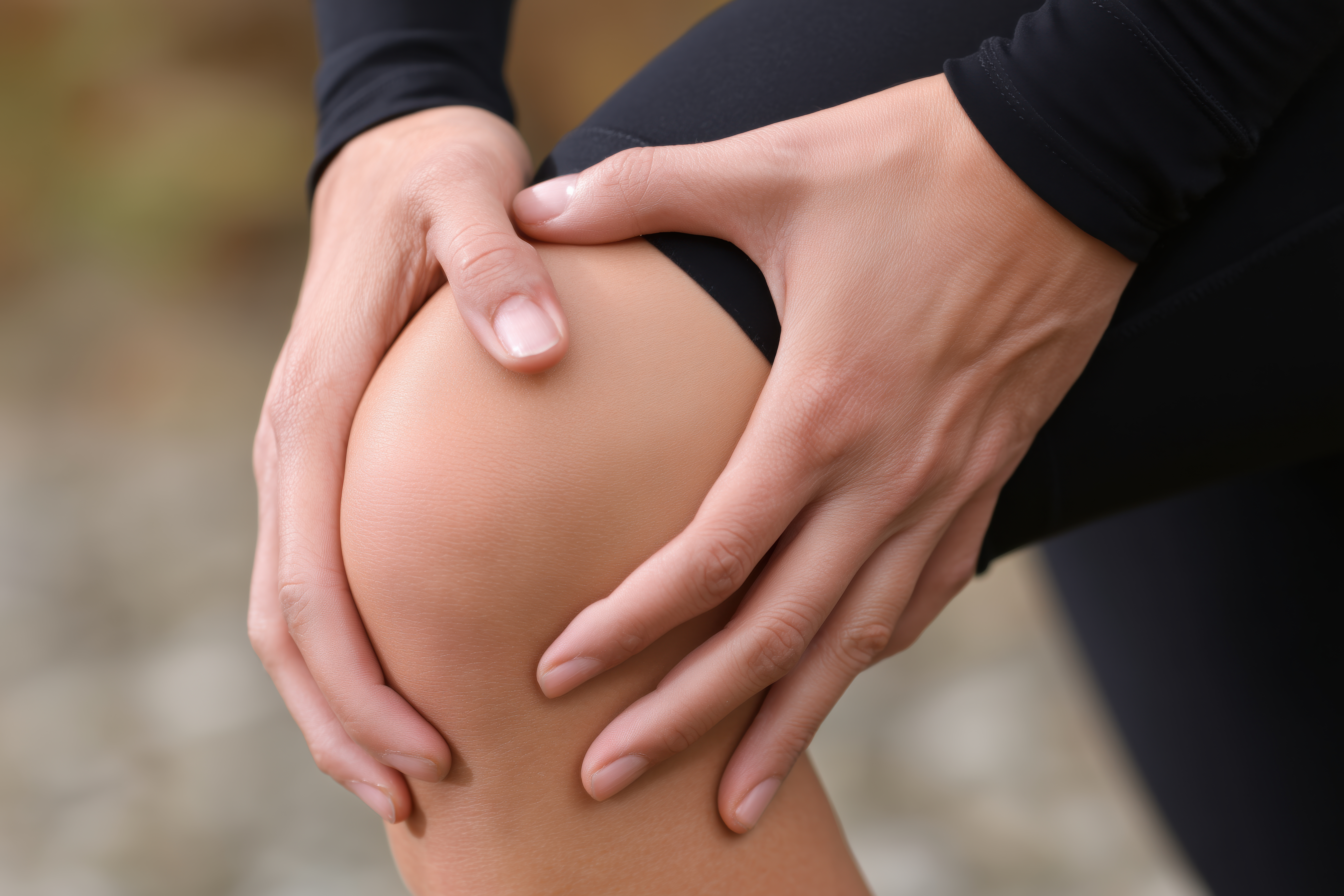
Knee pain usually builds slowly. A little stiffness after sitting. A mild ache after errands. A sore spot on the outside or inside of the knee. You go on with your day, but the pattern repeats. The knee sits between the hip and the ankle, so it absorbs the problems from both directions. If either one is off, the knee pays for it.
Common signs include:
- Pain during stairs
- Swelling after activity
- A dull ache at night
- Stiffness when standing up after sitting
How These Two Problems Connect
If the ankle doesn’t bend enough, the knee has to bend more. And twist more. And track in ways that place stress on tissues not built for that kind of load. This happens with every step. Every squat. Every time you stand up or shift your weight. Over time, the knee gets irritated for reasons that seem unrelated to the ankle.
It often looks like this: tight ankle leads to altered movement leads to irritated knee leads to guarded movement leads to a tighter ankle.
Why Fixing The Ankle Helps The Knee
Once the ankle moves again, the knee can stop doing double work. People suddenly notice they can walk smoothly. Stairs feel easier. Squats feel less forced. The knee tracks straighter, which lowers stress on the joint and reduces flare-ups.
Even small wins make a difference: a little more bend in the ankle, a little less knee collapse, a little smoother stride.
Why PT Looks At Both Together
Treating only the knee misses the root cause. Treating only the ankle leaves the knee irritated. PT looks at the entire chain. That includes the hips, the foot position, your balance, and how you move during daily tasks. When all three areas work together, the leg stops fighting itself.
A PT plan often includes:
- Simple ankle mobility drills
- Hip and thigh strength to support the knee
- Footwork to help alignment
- Movement training that removes stress from the knee
Modern Medicine Physical Therapy & Sports Medicine of Tucson, AZ, is ready to help. Call or fill out the online form to get started.