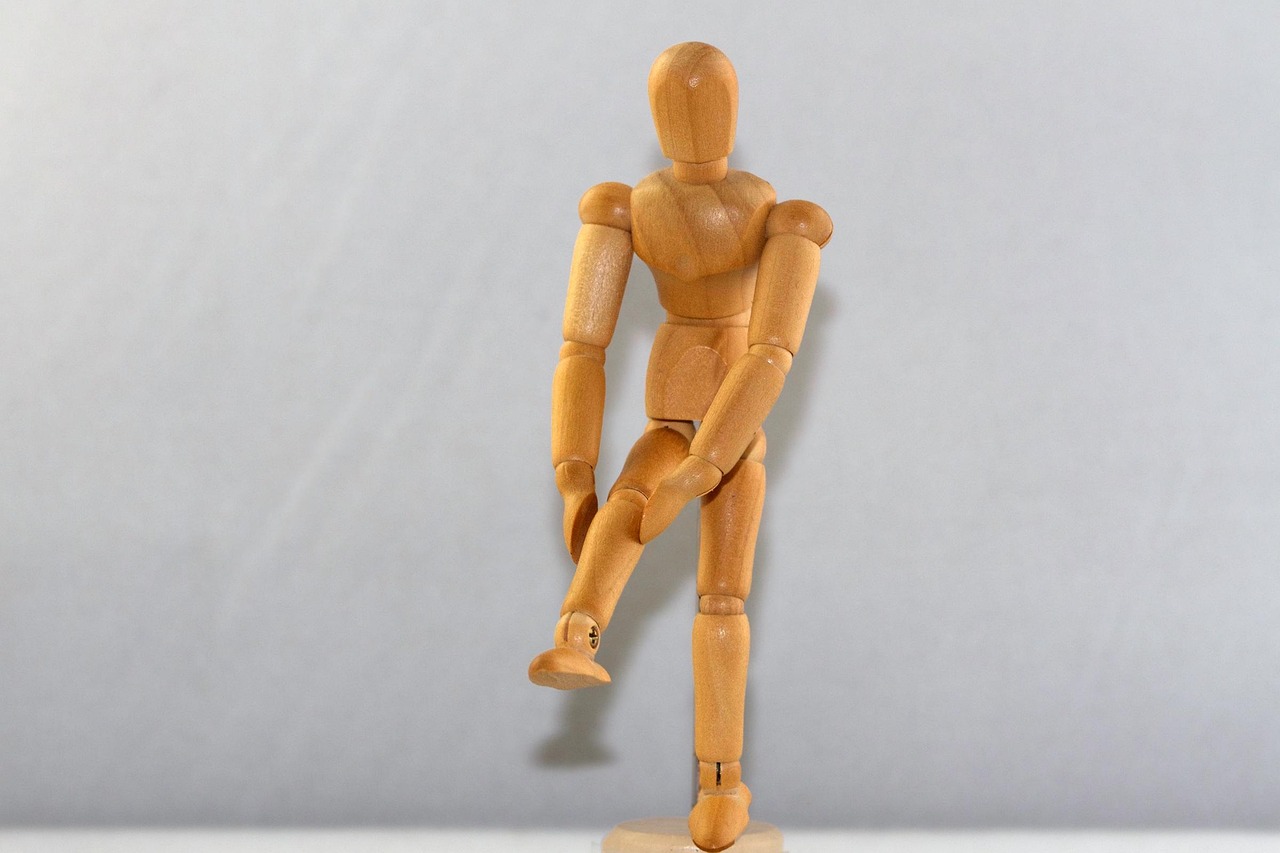
Thoracic dysfunction sounds complicated, but it simply means the mid-back isn’t moving the way it should. The thoracic spine is built for rotation, bending, and steady support for the ribs. When it stiffens, everything around it works harder. Your neck strains to make up the difference. Your lower back bends more than it should. Even your breathing feels shallow because the ribs don’t move well. The mid-back becomes a bottleneck in your whole system.
What Thoracic Dysfunction Feels Like
Some people feel a deep ache between the shoulder blades. Others feel a pinch when turning. You might notice you can’t twist during daily tasks. You might feel pressure under the shoulder blade that never quite loosens. Sitting too long makes it worse. Reaching overhead can feel limited or awkward. Simple motions start to feel stiff, like the spine forgot how to glide.
People often notice things like:
- A dull, stubborn ache
- Tightness when rotating
- Pain from long sitting
- Stiffness when breathing deeply
- A sense of being “locked up” in the middle of the back
How Thoracic Dysfunction Happens
The thoracic spine stiffens when the body spends long hours in the same position. Desk work. Driving. Looking down at screens. Even stress can make the area tighten. Old injuries, poor posture habits, and weak upper-back muscles also play a role. When one part of the spine moves too little, the areas above and below overwork. Over time, that turns into mid-back pain that doesn’t go away on its own.
Why It Impacts More Than The Mid-Back
Your thoracic spine connects to almost everything. If it’s stiff, the ribs don’t expand well, which can affect breathing. The neck moves more to compensate, which creates tension and headaches. The lower back twists more, which leads to soreness or fatigue during lifting or walking. Thoracic dysfunction rarely stays in the mid-back. It spreads into whatever area tries to pick up the slack.
How PT Helps Thoracic Dysfunction
Physical therapy focuses on restoring movement to the thoracic spine so the rest of the body doesn’t have to overwork. PT gives you controlled ways to rotate, bend, and breathe without making the area tighten more. Once the thoracic spine starts moving again, the whole chain above and below it feels easier.
PT often includes:
- Mobility drills that unlock stiff segments
- Gentle strengthening for the upper back
- Breathing work to help the ribs move
- Posture changes that take pressure off the spine
- Movement patterns that prevent guarding
How Better Movement Reduces Pain
When the thoracic spine starts moving the way it’s supposed to, the low back stops over-twisting. The neck stops reaching too far. The ribs expand more easily, which helps the muscles around the spine relax. Pain starts to fade because the pressure is finally shared instead of being stacked onto one spot.
Modern Medicine Physical Therapy & Sports Medicine of Tucson, AZ is Your Next Step Toward A Looser, Calmer Mid-Back
If mid-back pain is limiting your day and you want a plan that actually fits your body, reach out to Modern Medicine Physical Therapy & Sports Medicine of Tucson, AZ. Schedule your visit and get care that helps your thoracic spine move the way it’s meant to.