The temporomandibular joint, or TMJ, is small, but when it becomes irritated, the pain can feel significant. Patients describe clicking, popping, aching, and even headaches that seem to start at the jaw and crawl into the temples. A lot of people wake up with tightness from grinding at night. Others clench their jaw without realizing it until the pain flares. The result is a problem that interferes with daily life in ways you wouldn’t expect.
Common Symptoms We See
TMJ pain doesn’t look the same for everyone. Some of the most common complaints include:
- Jaw stiffness or difficulty opening wide
- Grinding or clicking noises when chewing
- Headaches near the temples or behind the eyes
- Soreness that spreads to the neck and shoulders
- Morning pain after clenching or grinding during sleep
One patient told us, “I thought it was stress. I chewed gum, took pain relievers, but nothing changed. The pain just stayed.” For many, that’s the moment they realize it’s time to seek help.
How Physical Therapy Helps TMJ Pain
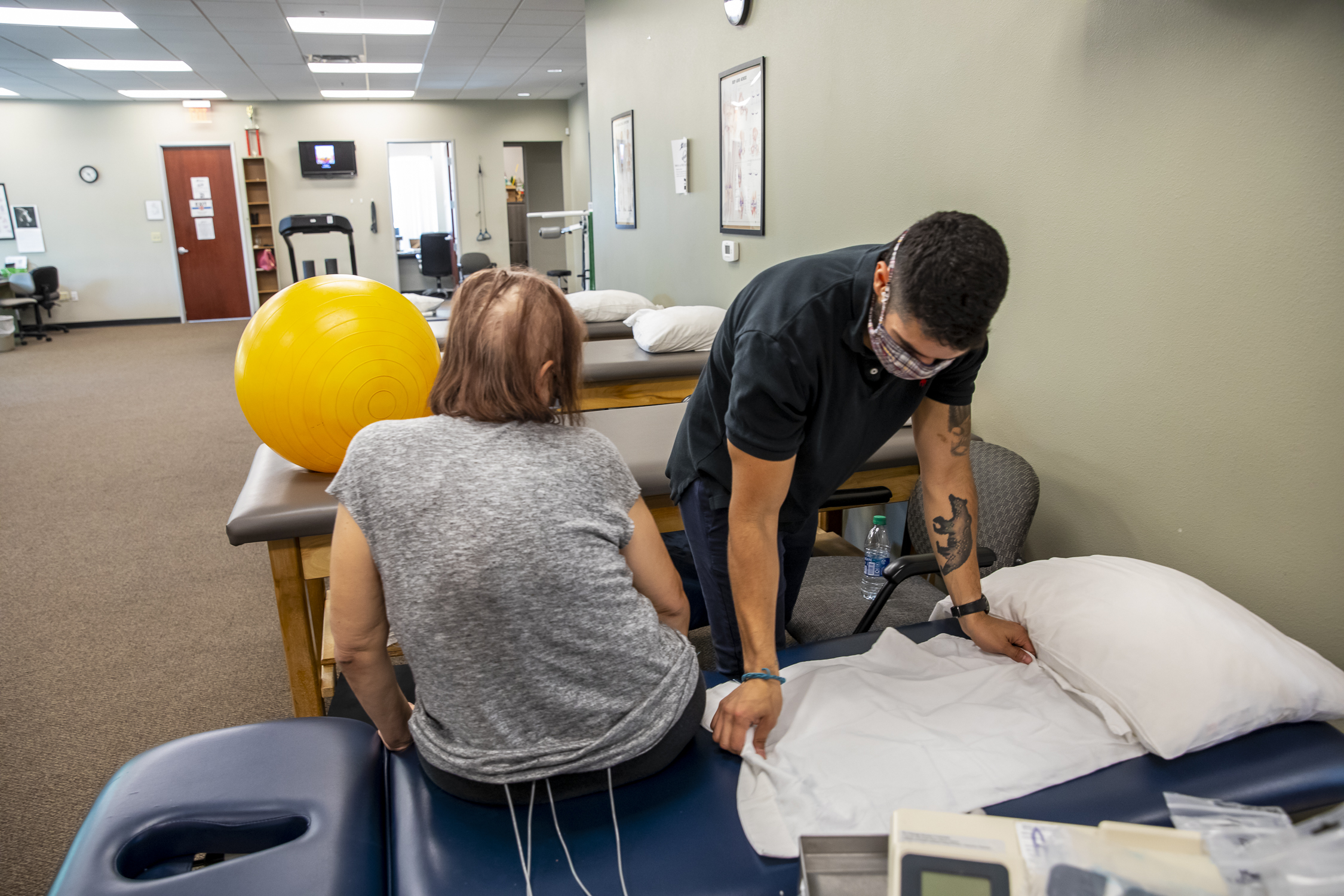
The goal of PT is to give patients relief without surgery. We do this through a combination of hands-on techniques, guided exercises, and education. A session might look like this:
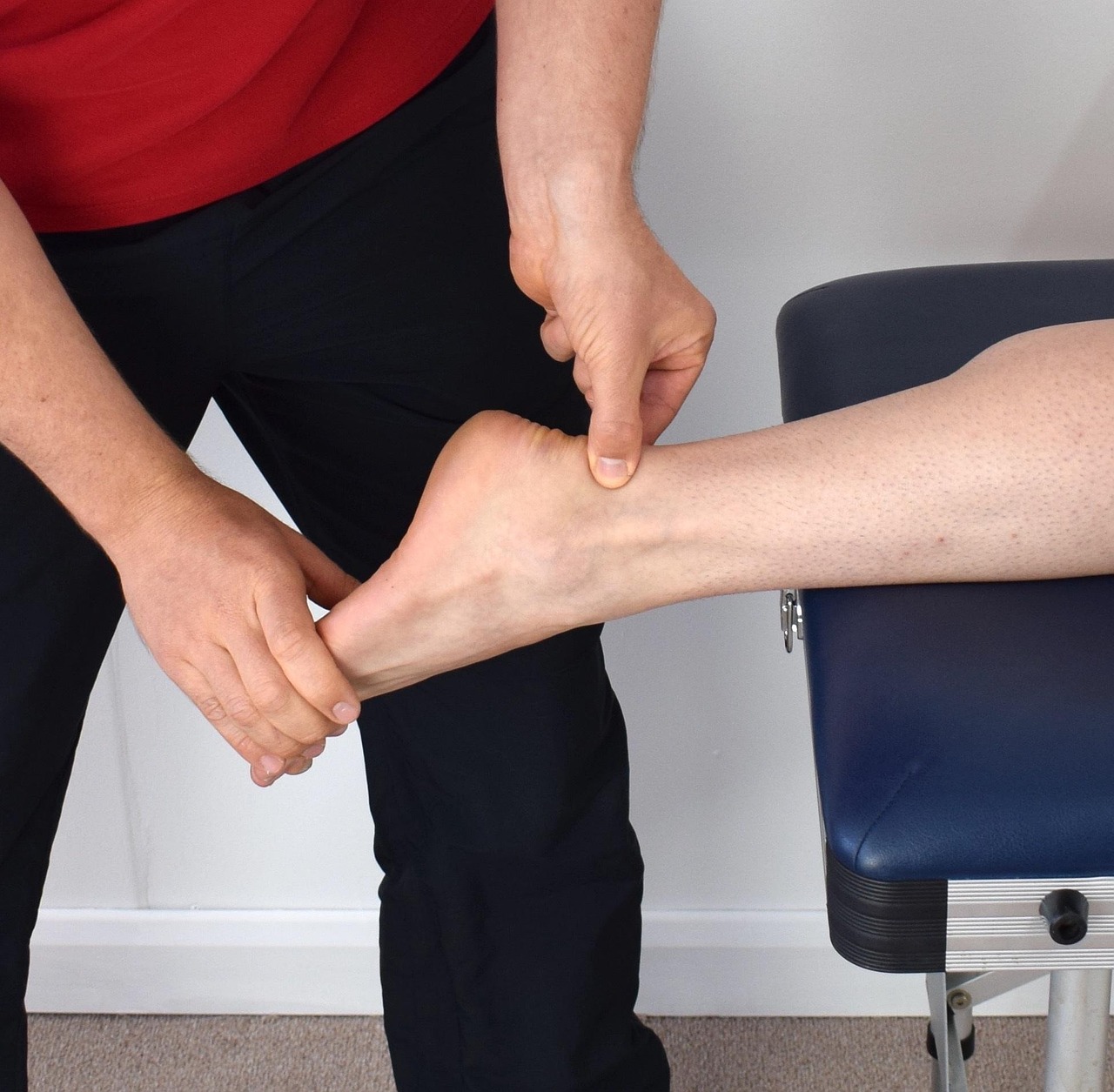
- Manual therapy: gentle massage and mobilization to loosen tight muscles around the jaw and neck.
- Strengthening and stretching: targeted exercises to restore balance in the jaw muscles.
- Posture correction: simple changes that reduce strain on the jaw, especially for patients who sit at computers.
- Relaxation training: techniques to ease clenching and reduce tension.
Patients often notice changes in everyday things first. Eating feels easier. Yawning doesn’t trigger sharp pain. One patient said, “I finally finished a meal without needing to stop and rub my jaw.”
Why Waiting Usually Makes It Worse
You may consider holding out, hoping that the pain in your jaw will subside after rest or with smaller bites. For some, it does. Chronic pain in the TMJ, however, rarely disappears on its own. The longer it lingers, though, the more habits like clenching, avoidance of certain foods, or changing posture become second nature. That makes recovery slower. PT intervenes in that process and instructs individuals how to move throughout without placing greater stress on the joint.
The Emotional Side of TMJ Pain
TMJ pain is frustrating in ways most people don’t talk about. It changes how you eat, how you speak, even how you sleep. Some patients feel embarrassed by the noises their jaw makes. Others worry that chewing will damage it more. That stress can make the problem worse. Having a therapist explain what’s happening and how to manage it eases a lot of that fear. Confidence grows when patients know which movements are safe and what steps help reduce pain.
Jaw pain does not have to take over your meals, your conversations, or your mornings. At Modern Medicine of Tucson, AZ, we use proven therapy to ease TMJ pain without surgery. If you’ve been struggling with stiffness, clicking, or headaches that just won’t quit, call us today. We’ll help you find relief and get back to living more comfortably.