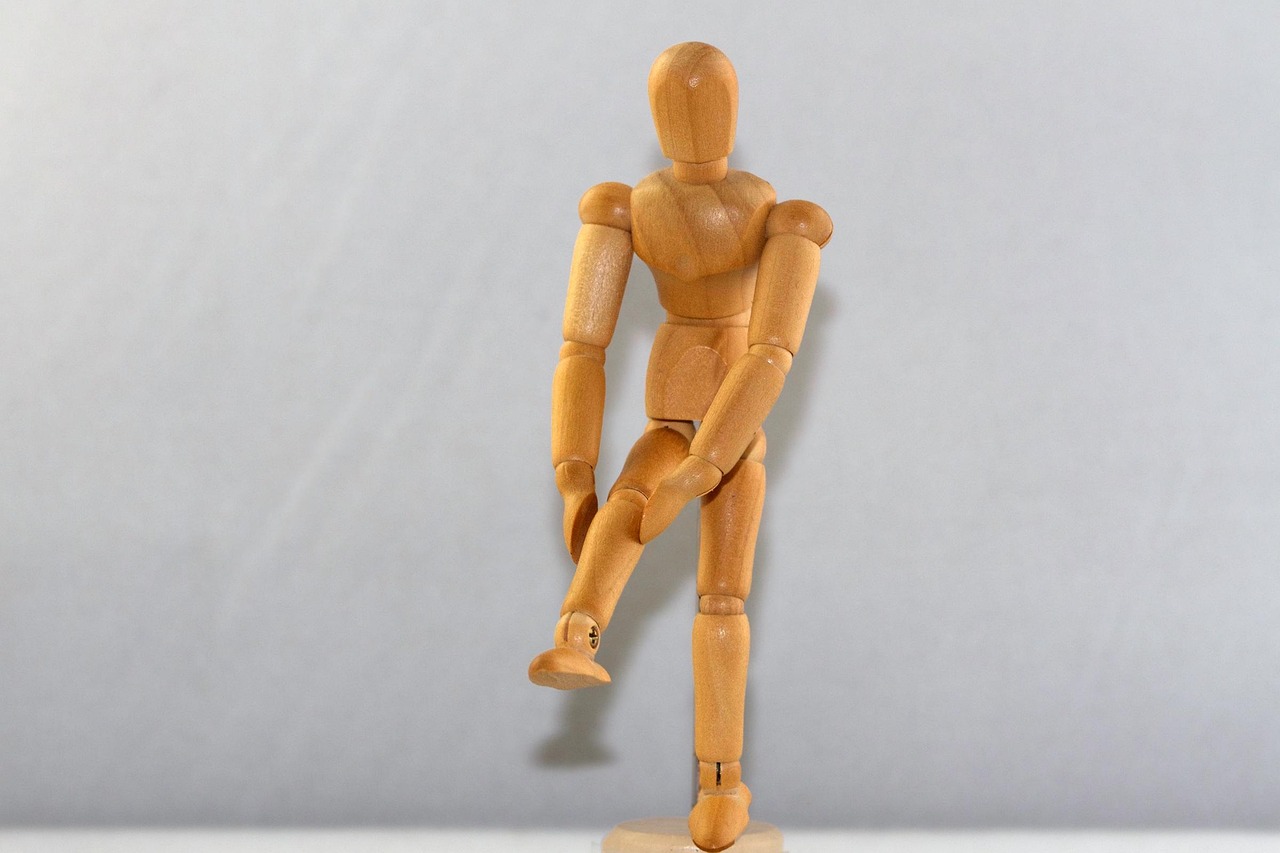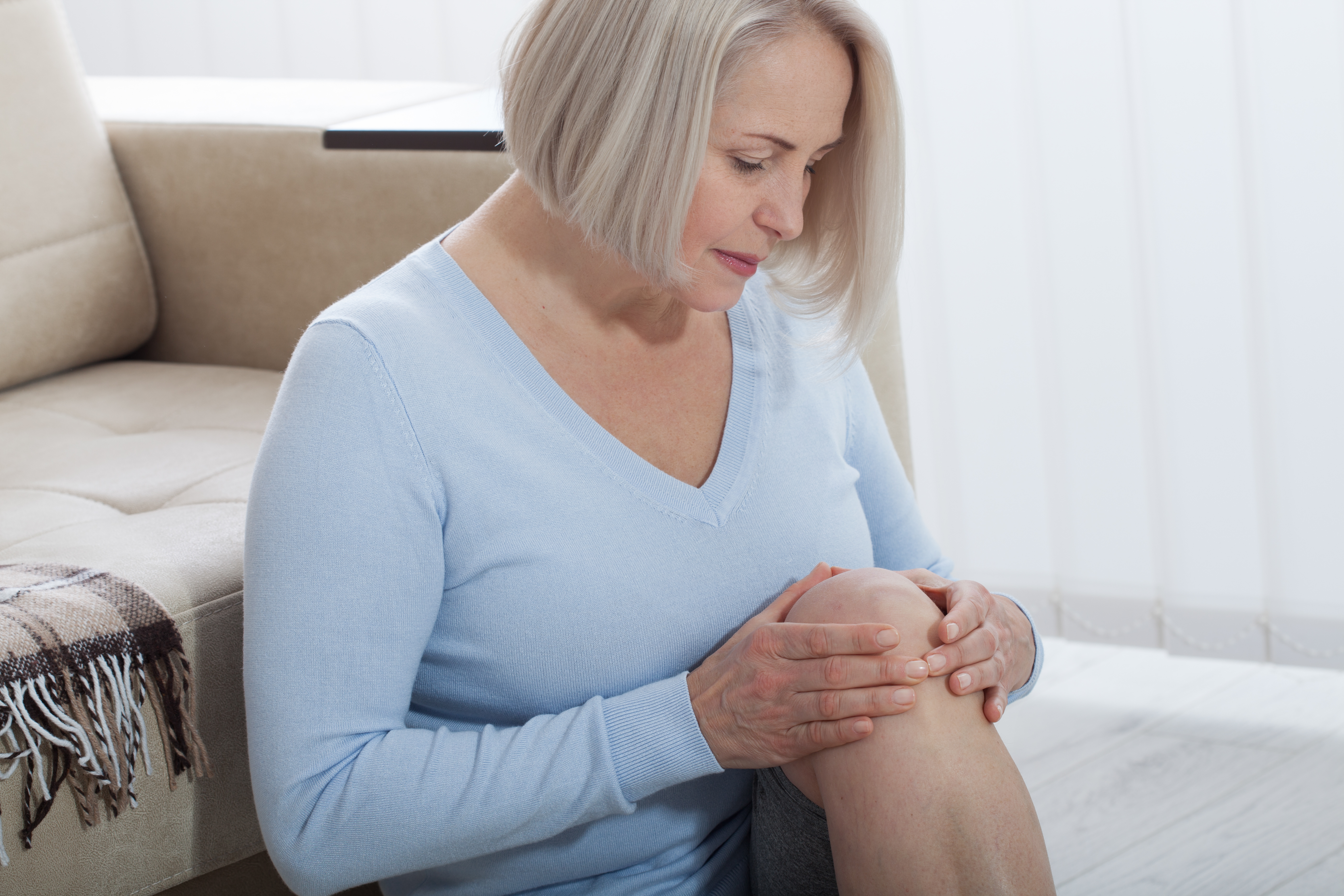
It might not stop you at first. A little stiffness in the knee. Some shoulder pain after workouts. Maybe your hip starts feeling tight after long walks. For a while, you work around it. Then the workarounds start changing how you move, and that’s when everything starts to feel off.
Joint pain doesn’t always mean something is broken. But it does mean something isn’t working quite right. And the longer it’s left alone, the more other areas start to compensate.
What Causes Joint Pain in Active Adults?
For many adults who stay active, joint pain builds slowly. Overuse, muscular imbalances, and movement compensation patterns can create stress in one area until your body says, “enough.”
Common causes include:
- Muscle weakness or asymmetry
- Poor mobility in surrounding joints
- Repetitive stress from running, lifting, or sports
- Old injuries that never fully resolved
- Changes in training volume or technique
- Loss of stability with age-related changes in tissue
Pain often shows up in the knees, hips, shoulders, ankles, or lower back. The solution is usually changing how you move.
What Sports Medicine Does Differently
The focus isn’t just on the joint that hurts. It’s on everything around it. Sports medicine combines orthopedic knowledge with movement-focused rehab. It’s designed to keep people doing the things they love, just with fewer setbacks and less guesswork.
You’ll start with a full evaluation that looks at strength, mobility, alignment, and functional movement. From there, your team builds a plan that addresses the source of the pain.
Treatment may include:
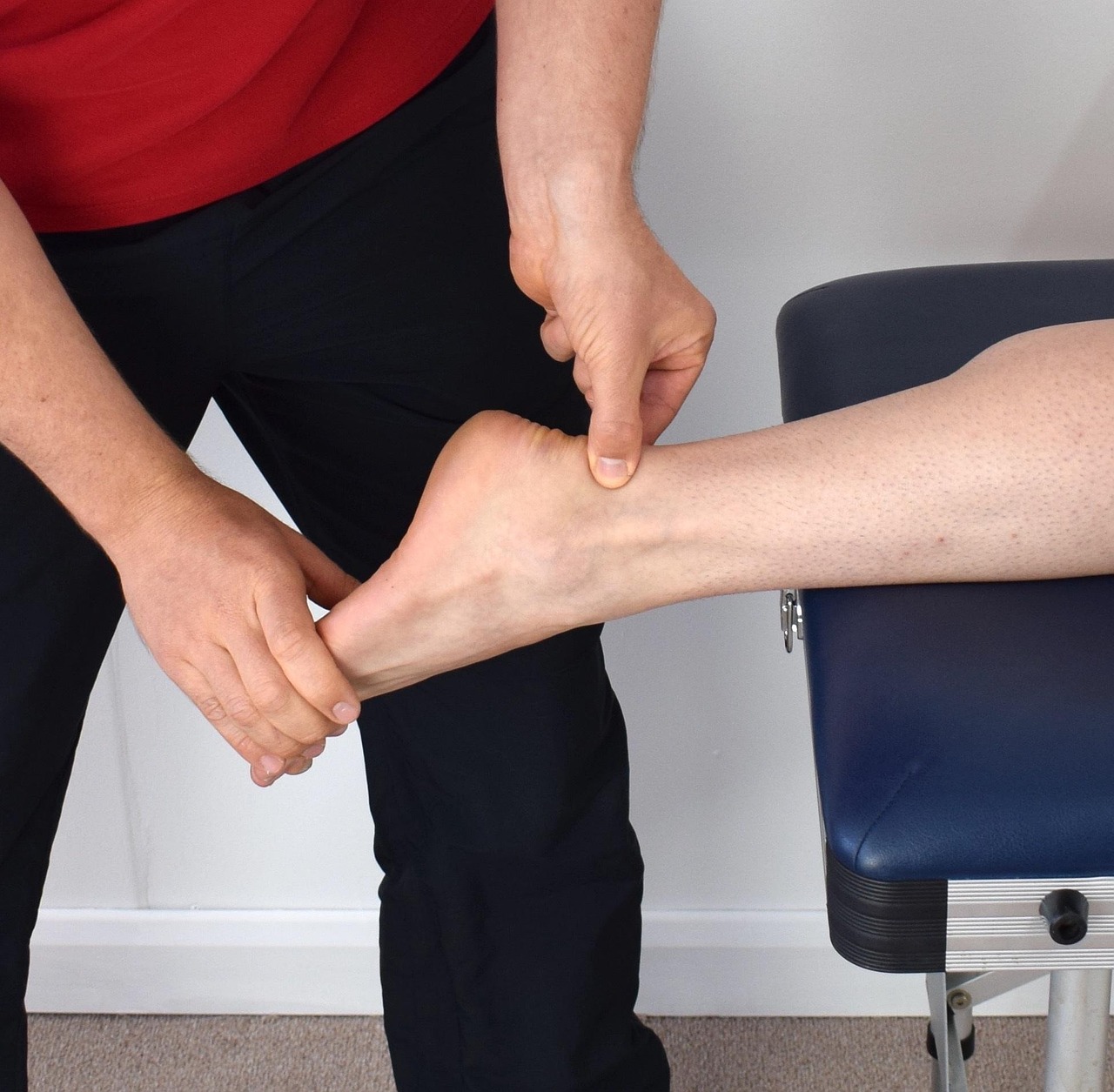
- Manual therapy to reduce stiffness or muscle restriction
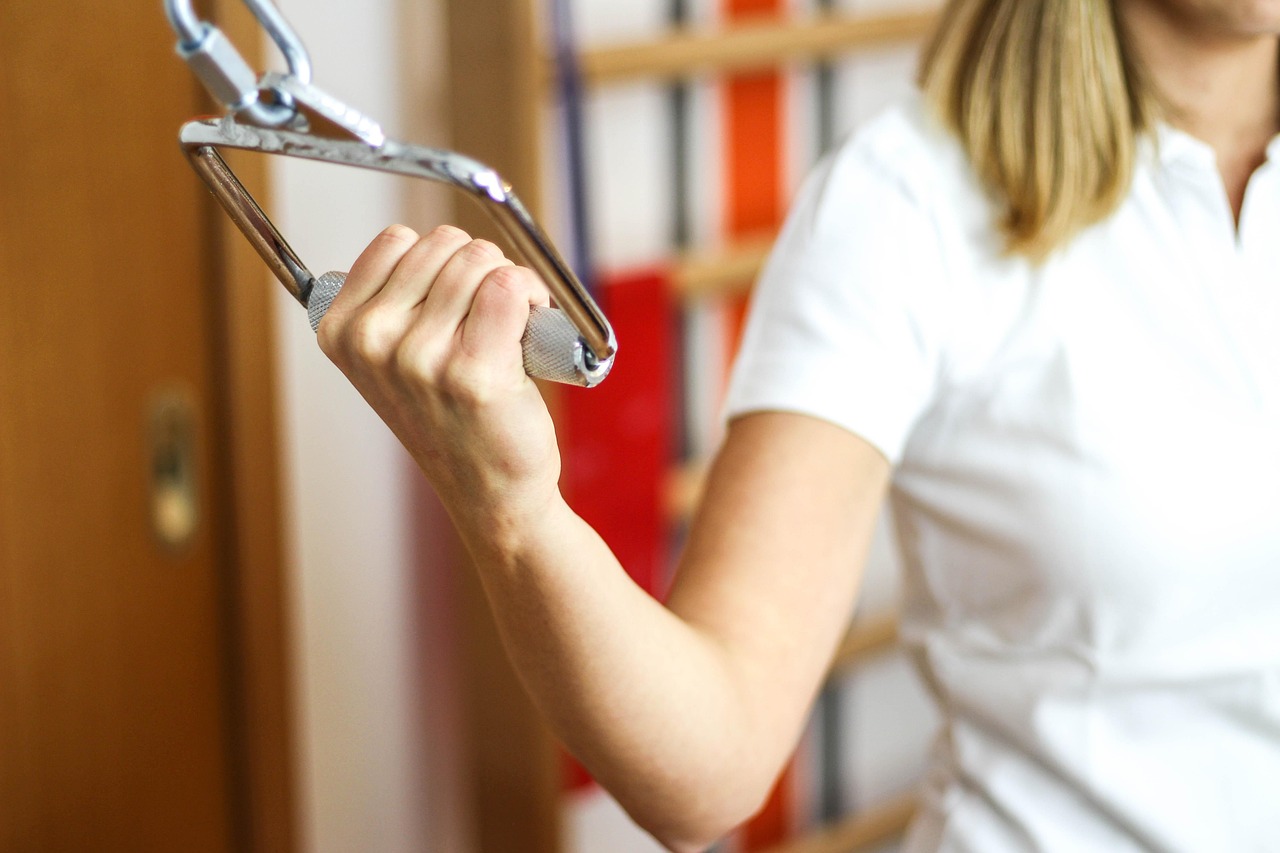
- Strength work to support joint control
- Mobility training for surrounding joints
- Movement re-education for better patterns
- Cross-training guidance or sport-specific drills
- Load management so you can stay active while healing
- Education around warmups, recovery, and self-care strategies
This type of care helps improve not just pain levels but performance and durability, too.
You Don’t Have to Give Up Your Routine
The goal isn’t to shut everything down. It’s to adjust what’s not working and rebuild from there. For many adults, that means continuing to walk, bike, lift, or play, just with better mechanics and smarter support.
Progress might mean fewer flare-ups. More stable knees. A shoulder that actually recovers between sessions. And a plan that grows with you instead of holding you back. You shouldn’t have to choose between staying active and staying pain-free. With the right care, you can have both.
Contact us today to learn more about how sports medicine for joint pain at Modern Physical Therapy & Sports Medicine of Tucson, AZ, can help you move like you used to.