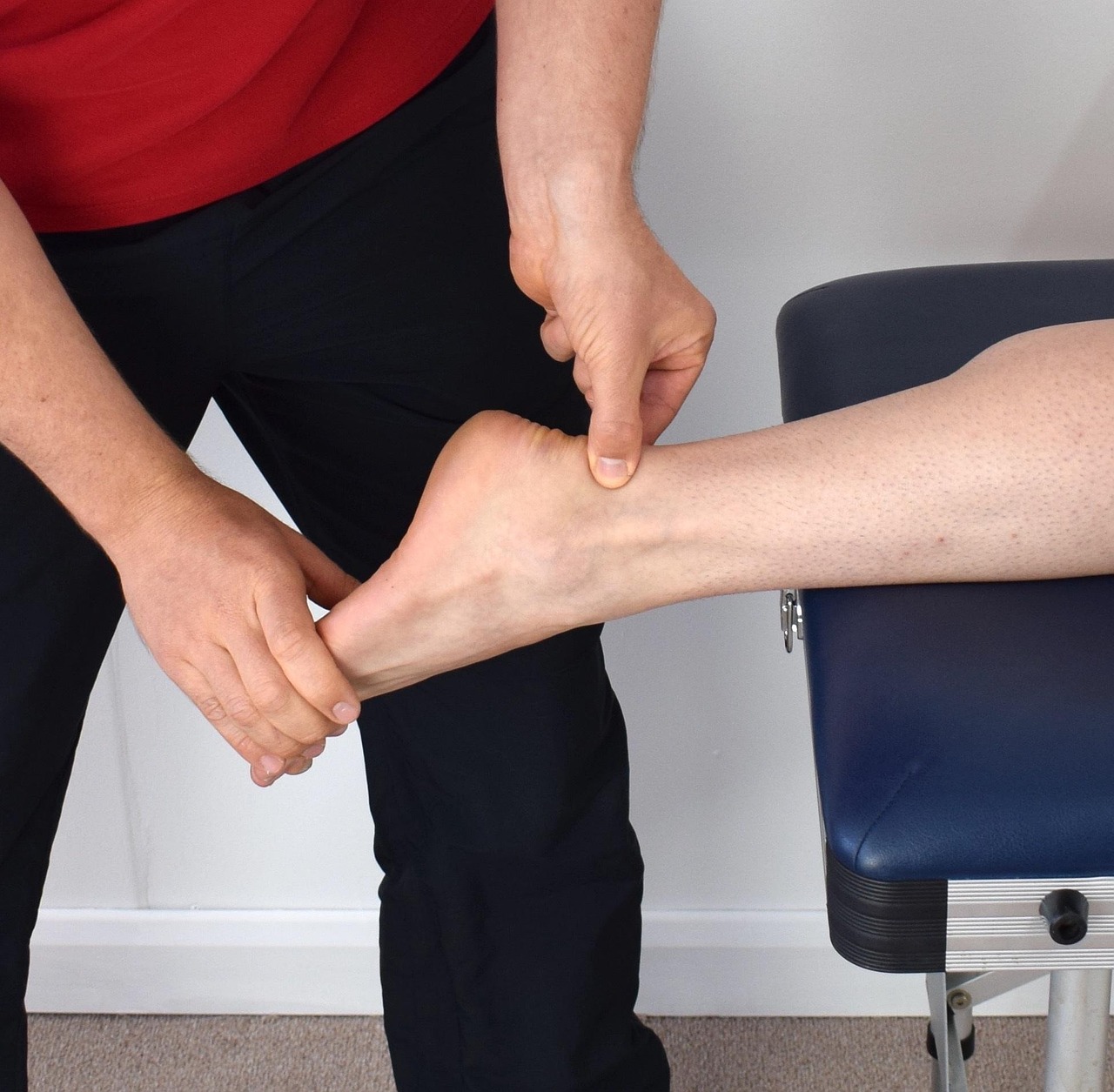
For athletes, surgery isn’t always the end of the problem but the beginning of a new phase. It could be an ACL repair, a shoulder stabilization, or a meniscus cleanup; the real work starts after the procedure is done. You will need to focus on rebuilding strength, restoring mobility, and regaining control and confidence in the joint. That’s what physical therapy is designed to support.
What Makes Rehab for Athletes Different
If you’re just trying to walk without pain, that’s one thing. But if your goal is to cut, sprint, throw, or lift competitively, your recovery has different needs.
Athletes need explosive power. Balance under fatigue. Joint control at speed. Sports-focused rehab targets those areas with movement that mimics what you actually do in your sport. It’s tailored and progressive. And it builds confidence as much as strength.
What the Process Usually Looks Like
Every injury is different. So is every athlete. But most post-surgical rehab plans follow a few key stages.
Here’s a general outline:
- Phase 1: Reduce swelling, protect the repair, and begin gentle movement
- Phase 2: Activate muscles that have shut down, restore baseline strength
- Phase 3: Build full-body control and increase functional strength
- Phase 4: Reintroduce jumping, cutting, or impact-based training
- Phase 5: Return to sport with performance testing and advanced drills
Progress isn’t based on time alone but on what your body can safely do.
What’s Actually Happening in a Session?
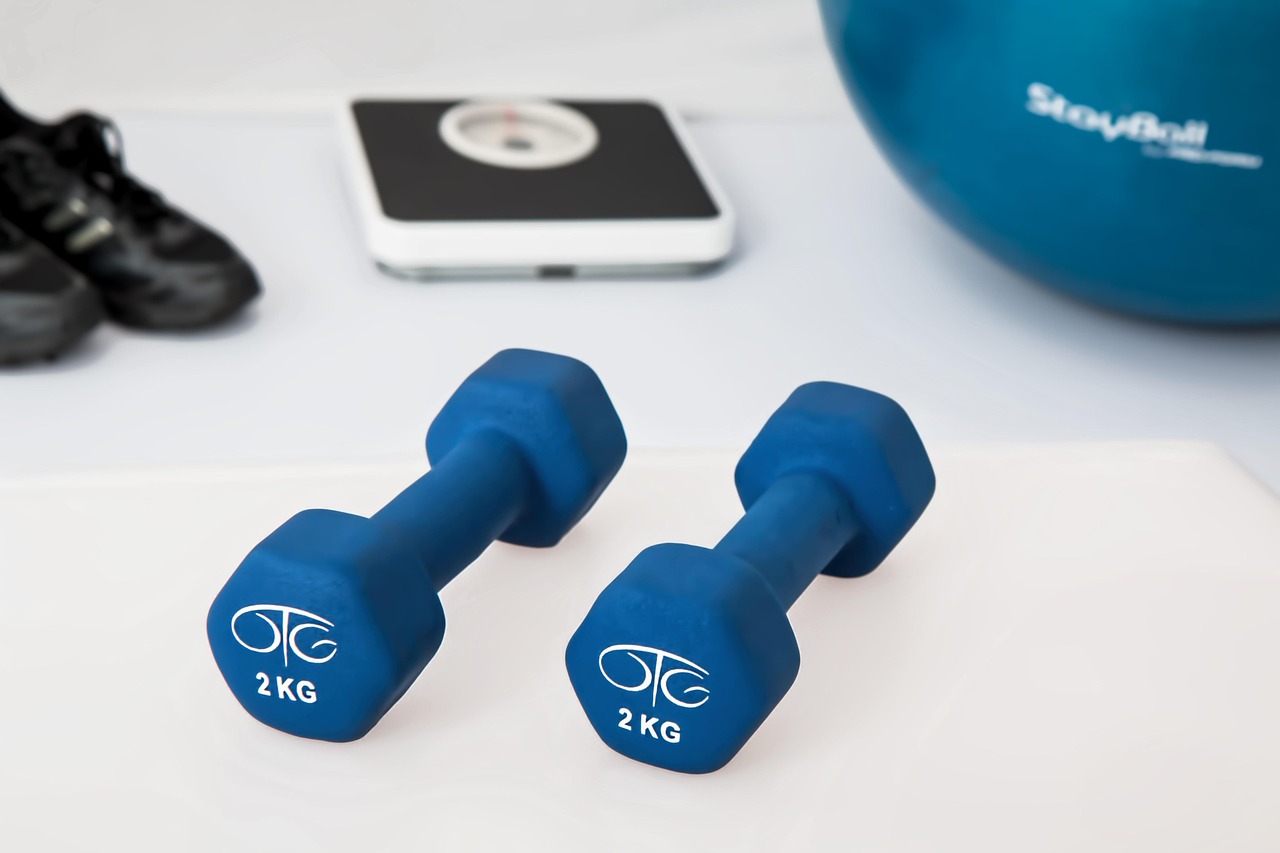
You’re not just stretching or lifting. You’re retraining movement patterns. That might mean fixing how you land. Teaching your body to rotate without stress. Building strength in the areas that support the joint.
Expect a mix of:
- Stability and balance drills
- Core and hip integration
- Plyometric prep for return to speed or agility
- Corrective strength work that targets imbalances
- Functional training that relates to your sport or position
It’s detailed. It’s athlete-specific. And it’s always adjusted based on how your body responds.
Recovery Doesn’t Just Happen in the Joint
One of the biggest parts of recovery is mental. After surgery, athletes often hesitate. The fear of re-injury is real. Physical therapy helps build trust back in the joint and in your ability to move with power and control.
Each phase is designed to move you forward while keeping the risk low. That’s how you rebuild momentum without setbacks.
How Long Does It Take?
It depends on the surgery and the sport. Some athletes are back within a few months. Others need longer to meet the demands of their position or performance goals. The key is not to rush it and not to stall either. Working with a team that knows how to pace recovery for athletes is what makes the difference.
Visit our team at Modern Physical Therapy & Sports Medicine of Tucson, AZ, today and help your recovery be quick and effective.