You’ll hear the word “functional” a lot at PT. We just mean movement that gets something done. Getting off the toilet counts. So does dragging the trash bin out on Tuesday night, or hoisting yourself up into the cab of a pickup. A leg press can build your thighs up all day long and you still might need the armrest to get off a low couch, which is why we spend so much time on the real thing.
What We Practice
Your day runs on a pretty short list of movements, and those are what we train:
- You sit down and stand back up, from chairs of different heights, slower than you’d like, until your hands can stay in your lap.
- You bend to the floor for a dropped pill or the cat’s water bowl, letting your hips do the work instead of your back.
- You step up and down. Going up is one thing, but stepping down off a curb or out of the RV is where a lot of people get nervous, so we spend extra time there.
- You carry a gallon of milk or a case of water in one hand without leaning way over to the side.
- You reach up to the top cabinet and twist around to look over your shoulder in the car.
- You get down to the floor and back up. Lots of people haven’t tried it in years, and it’s a good thing to know you can do if you ever fall.
Whose List Is It?
The list is yours, and it looks different for everybody. A retired soldier who wants to get back up Carr Canyon needs lots of stepping on loose rock. If you stand behind a register in Sierra Vista all day, you need eight hours on your feet and a back that turns without hurting. A brand-new grandma needs to lift a wiggly twelve-pound baby out of a crib without thinking twice.
So on day one you tell us what’s gotten hard and then you show us. We’ll pick it apart from there. Trouble getting off the couch might come down to weak hips, or stiff ankles, or a bit of both. We strengthen the weak link and then practice the whole thing again.
Inside a Session
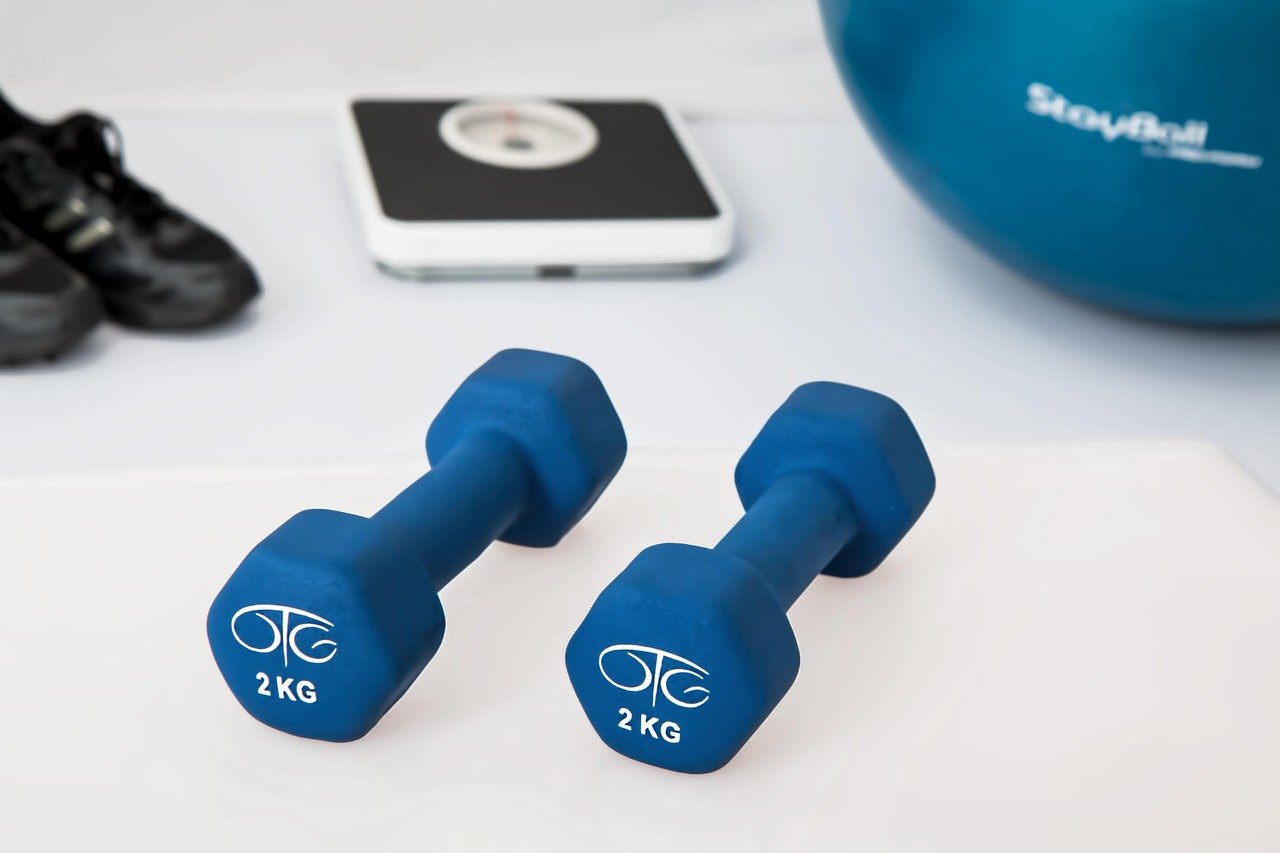
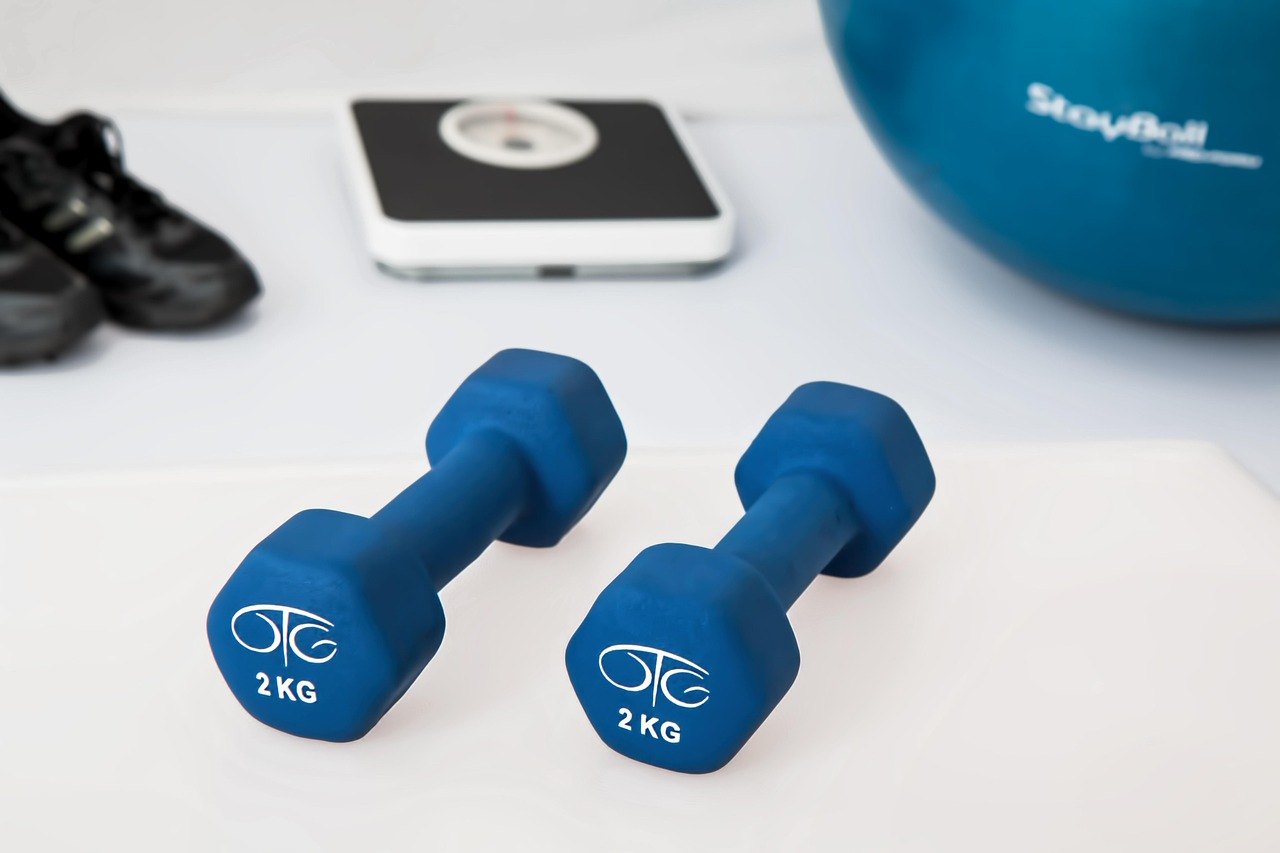
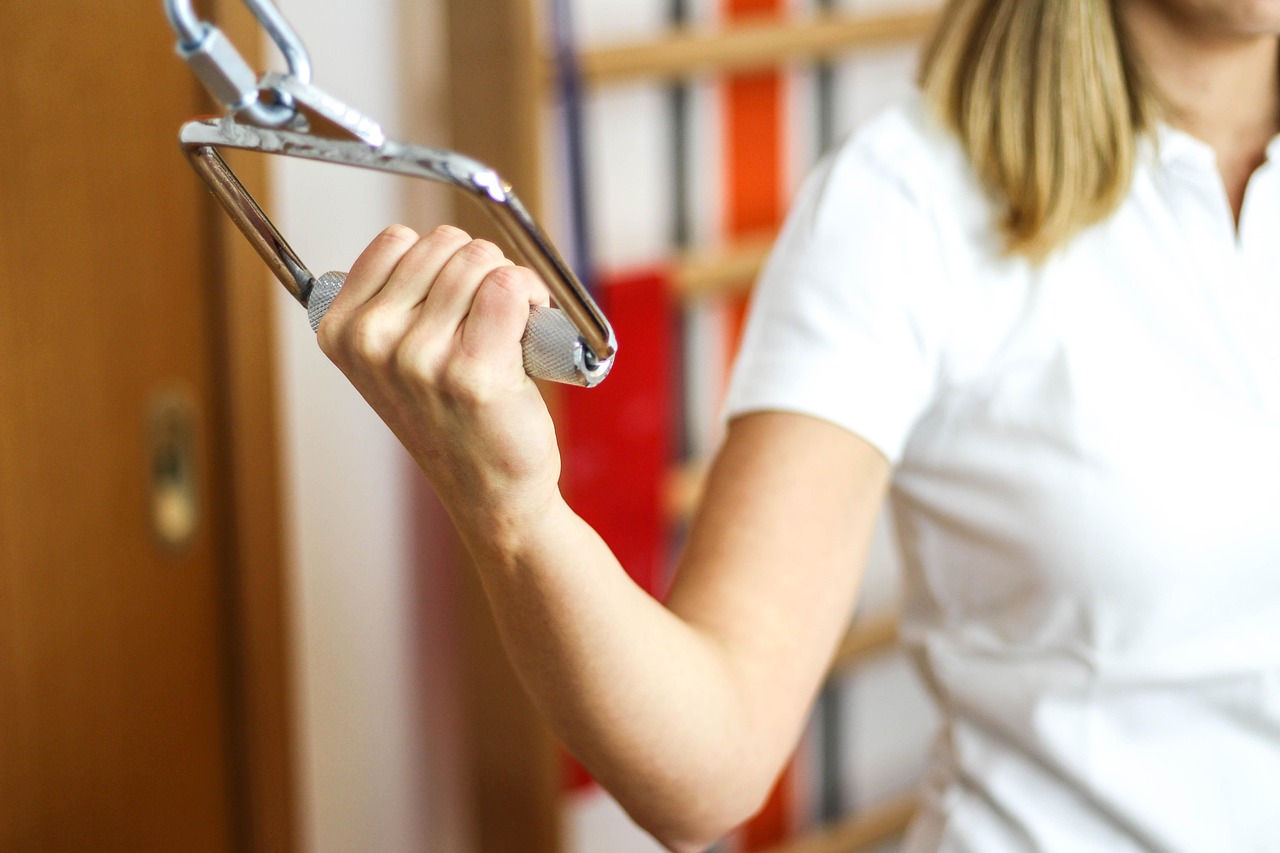
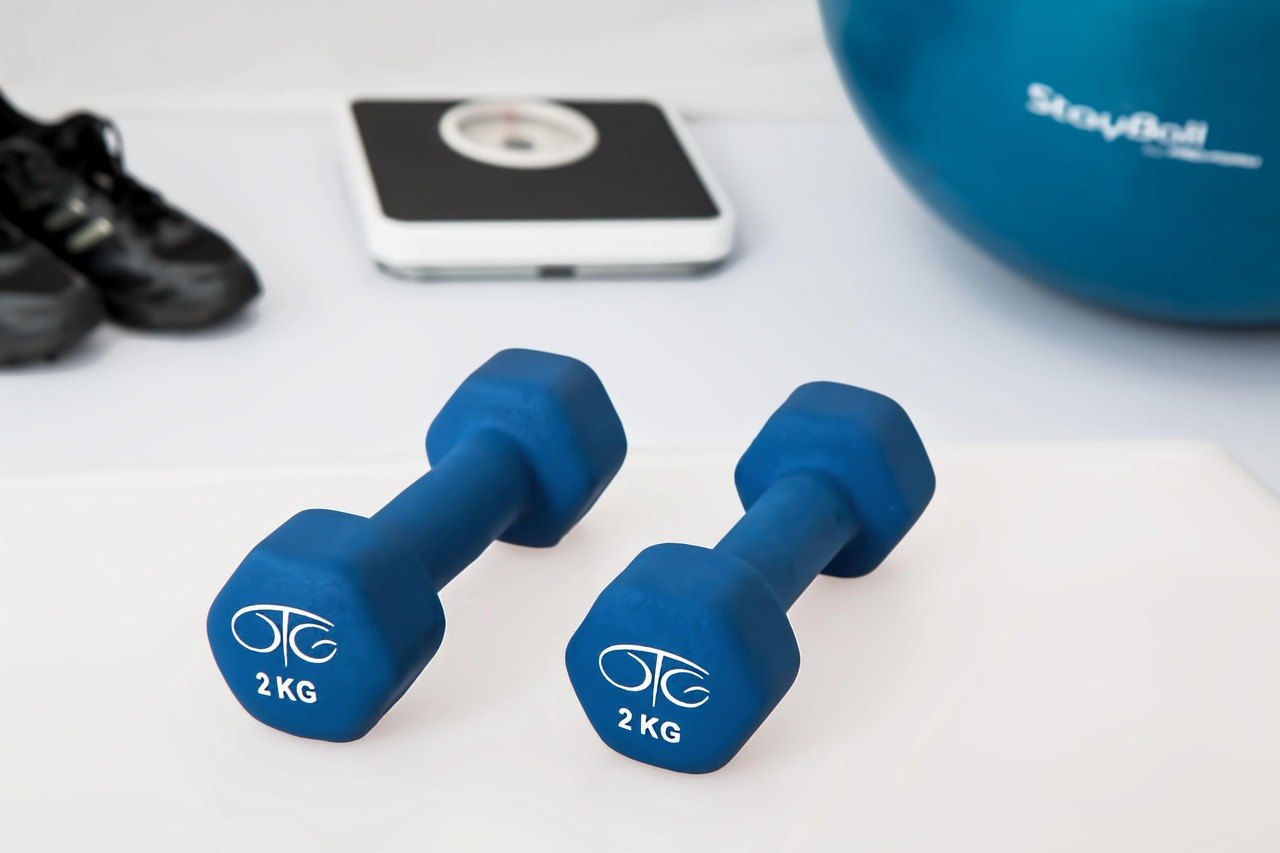
Some of it looks like a gym, with bands, dumbbells, and foam pads to balance on. The rest looks oddly like your house. We’ll pull over a low chair, set out a step, toss a few pounds into a grocery bag, and you’ll practice. You go home with a short routine based on whatever gave you the most trouble.
Four to six weeks in, most people stop planning how they’re going to get up and just stand. That’s the point where we start spacing out visits and letting the home routine take over.
If everyday movements have started to feel like hard work, call Modern Medicine of South East Tucson, AZ to set up an evaluation.