Halfway around the block, your calf locks up. Or it’s the shoulder, every time you go for the coffee mugs on the top shelf. By the time most people in Green Valley call us, they’ve been through the heating pad, the cream from the pharmacy, and a couple of weeks of “taking it easy.” PT has more than one answer for this kind of pain.
Loading the Tendon
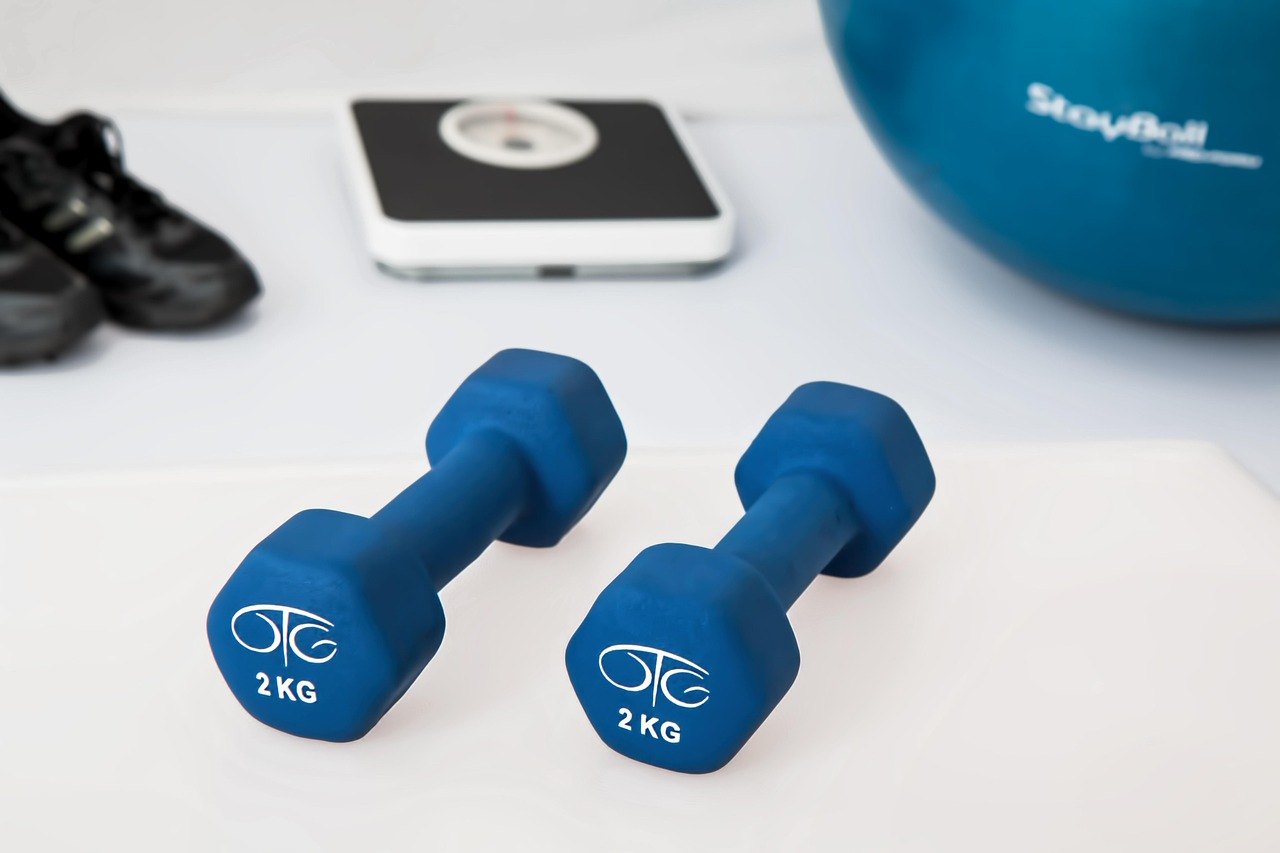
Nearly everyone gets this. Months of soreness usually leave a tendon weaker than before. Weak tendons get stronger from work, not rest, as long as the work ramps up slowly. Expect a dumbbell or a band and some slow reps aimed right at the sore spot. It should feel like effort. A little ache during the set is fine. Waking up the next morning feeling normal is the sign you got it right. We add weight every week or two, and around week four or five, carrying the laundry basket stops being a problem.
Hands on the Sore Spot
Your therapist might spend part of the visit working on the tight muscle and any stiff joints nearby. On its own, that won’t make a tendon stronger. It does settle things down enough that the exercises afterward feel a whole lot easier. For a lot of people, that’s the difference between doing the home exercises and skipping them.
Dry Needling
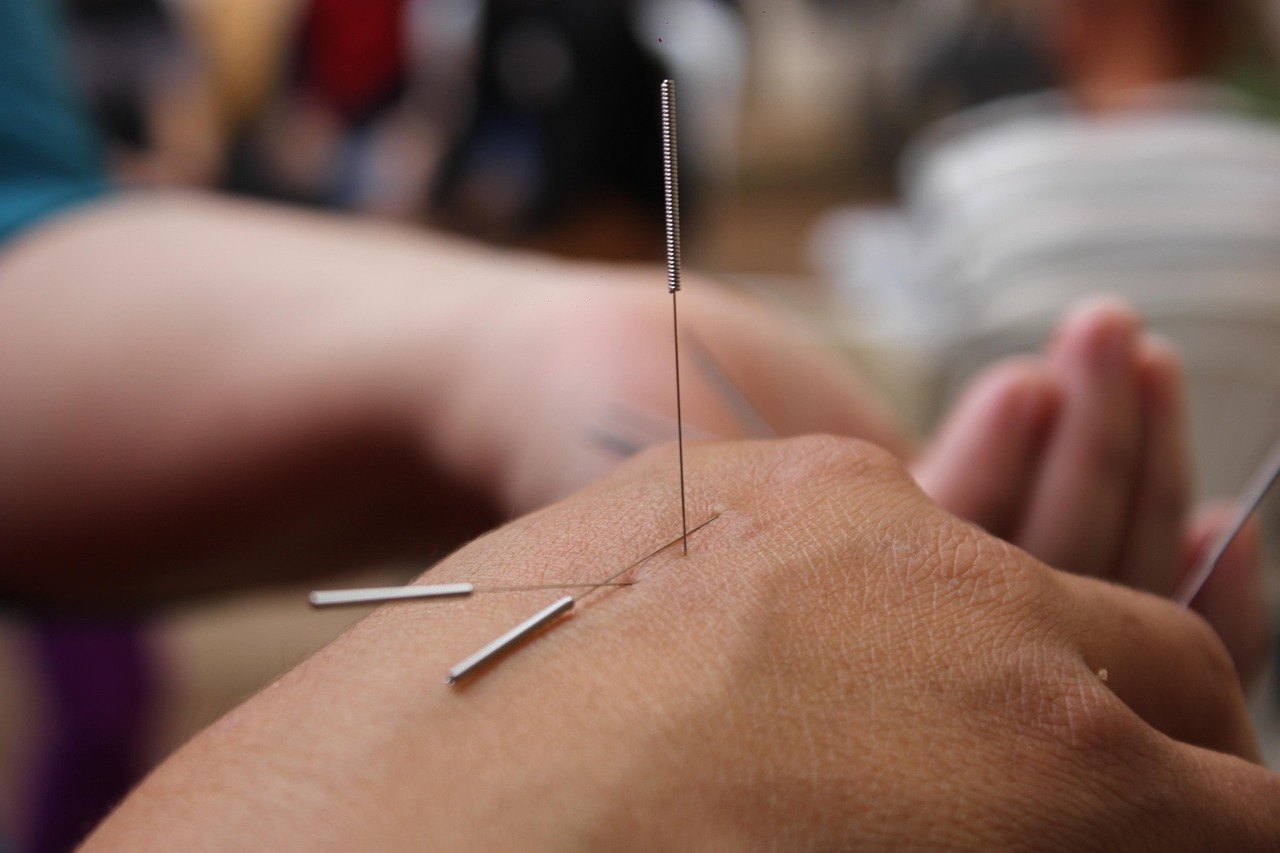
Do you have a hard knot in the muscle that you can press on and feel all the way down your arm? A thin needle in that spot can get it to relax. Some people love it and some would rather not, and either is okay with us. We use it alongside exercise, and we’ll walk you through it first.
Little Changes at Home
Sometimes the problem is the setup. Here’s what we run into a lot:
- People squeeze the golf club or the pickleball paddle much harder than they need to.
- The raised garden bed sits low, so you’re hunched over it all morning.
- Those walking shoes have a few hundred miles on them.
- Yard work goes three hours with no break because you want it done.
We’ll pick one or two of these to change first. Trying to fix everything at once rarely sticks.
Knowing What’s Normal
After months of pain, it’s easy to get nervous about moving at all. We’ll explain what’s safe, what soreness is okay, and what to do on a bad day, so one rough afternoon doesn’t turn into a week on the couch. Once the pain makes sense to you, it gets less scary, and you’ll probably find yourself moving more.
How Long Does It Take?
Most plans start with the strength work and add whatever else helps. Give it six to twelve weeks for a muscle or tendon that’s been sore a long time, and plan on ten to fifteen minutes of homework on the days you’re not with us.
If a muscle or tendon has been bothering you for months, call Modern Medicine of South East Tucson, AZ to set up an evaluation.