You booked for your lower back, or maybe your hip. Then visit two rolls around and you’re flat on a mat, breathing out slowly through your mouth, with two of your therapist’s fingers pressed just inside your hip bone. It can feel like a detour. It isn’t. Core stability shows up in a lot of PT plans for a pretty simple reason.
It’s Not About a Six-Pack
When we say core, we don’t mean the muscles that show up in a beach photo. It’s everything that circles your middle. There’s a deep belly muscle on the sides, small ones along your spine in the back, the diaphragm up top, and the pelvic floor down low. Add in the glutes and hips, because they’re what connect that middle section to your legs.
Crunches mostly train one thin strip in the front. The deep muscles need a different kind of work, and it’s a lot less sweaty than people expect.
What Your Core Does All Day
Here’s a normal Tuesday for those muscles:
- You bend for the laundry basket, and a split second before your hands touch it, they’ve already tightened.
- Your dog spots a rabbit and lunges, and somehow you’re still standing.
- Your purse slides behind the passenger seat, so you stretch for it, and your body stays put while your arm does the reaching.
- You miss a curb in the parking lot, and they’re the reason you don’t end up on the asphalt.
When those muscles are slow or weak, something else picks up the slack. Usually that’s your lower back. Sometimes it’s a hip, a knee, or the muscles around your shoulder blade.
What the Core Work Looks Like
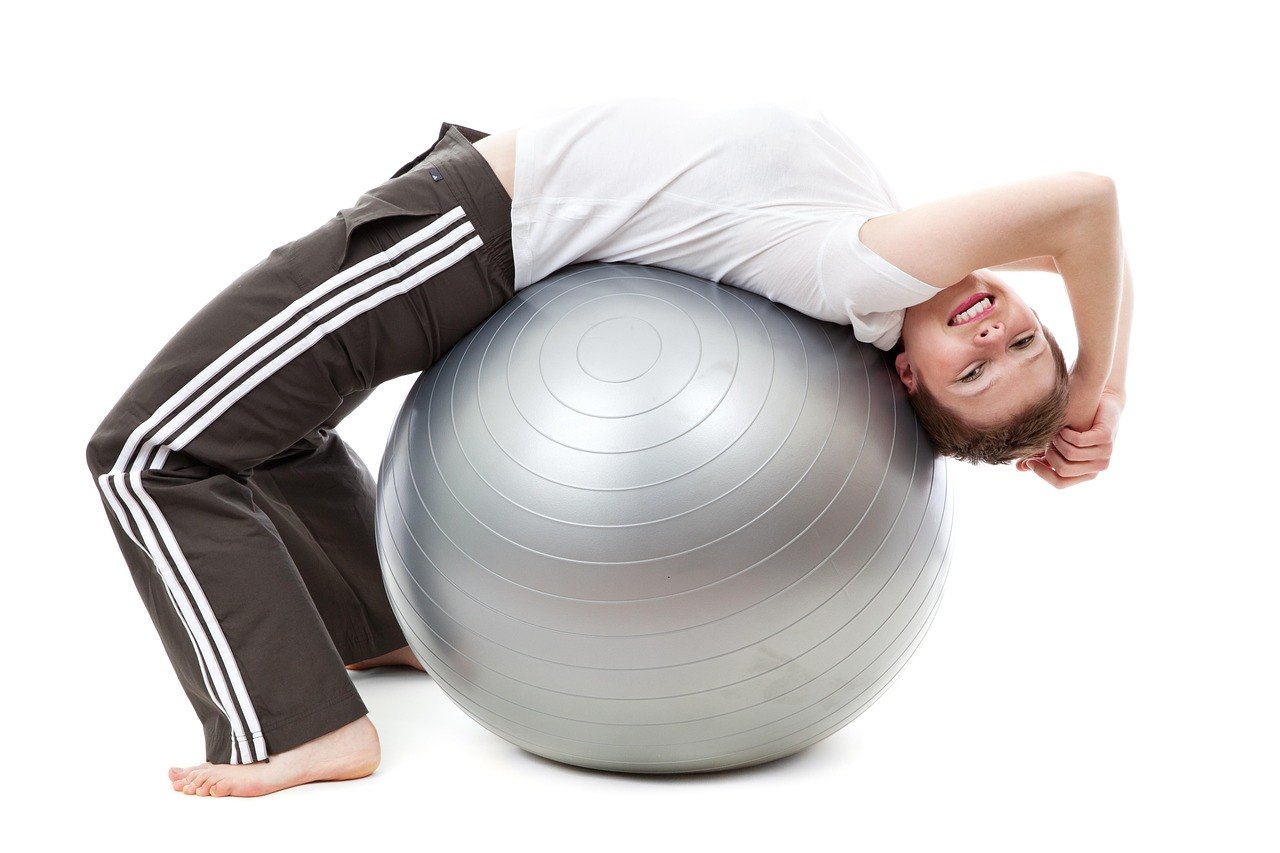
It starts small. First you learn to switch on the deep belly muscle while still breathing normally, which is harder than it sounds, on your back with knees bent. Then we add movement. You’ll lift your hips off the mat in a bridge, and you’ll get on your hands and knees and reach one arm and the opposite leg out without wobbling. Side planks from the knees come next. A favorite of ours is walking down the hallway with a weight in one hand while trying not to lean toward it.
After a few weeks, we take it off the mat. You’ll pick up a box, twist to set a can of paint on the garage shelf behind you, and step onto a stool like you’re changing a light bulb. Golfers and pickleball players practice rotating from the hips and middle, which takes a lot of stress off the lower back.
Homework is roughly ten minutes, most days of the week. By week four, five, or six, you’ll probably notice you aren’t bracing yourself every time you pick something up.
Has nobody ever checked your core, even though your back, hip, or knee keeps hurting? Call Modern Medicine of South East Tucson, AZ and set up an evaluation.