Hardly anyone can name the exact day their tendonitis started. It just builds. You spend three Saturdays in a row hauling rock for the new backyard border. You sign up for a 10K and jump from ten miles a week to twenty. You take a new job that has you on a scanner gun or a keyboard all shift. Nothing happens on day one. A week or so later, though, there’s a nagging ache at the back of the heel or on the bony part of the elbow. Each time you go back to it, the ache is a bit worse than last time.
Why Tendons Get Cranky
Picture the ropey part at the very end of a muscle, where it anchors onto bone. That’s your tendon. It’s tough stuff, but it’s slow about adjusting. Your calf muscle can get stronger in two weeks of training, while the Achilles attached to it needs more like two or three months. Jump your mileage too fast and the muscle’s fine, but the tendon is way behind and starts to hurt. If you keep at it, an ultrasound might show it puffing up, and pretty soon even a walk to the mailbox bothers it.
Where We See It in Tucson
Tendonitis can pop up anywhere, but a few spots keep coming through our door. These are the regulars:
- The Achilles, on runners doing loops at Udall Park and hikers coming down off Mount Lemmon.
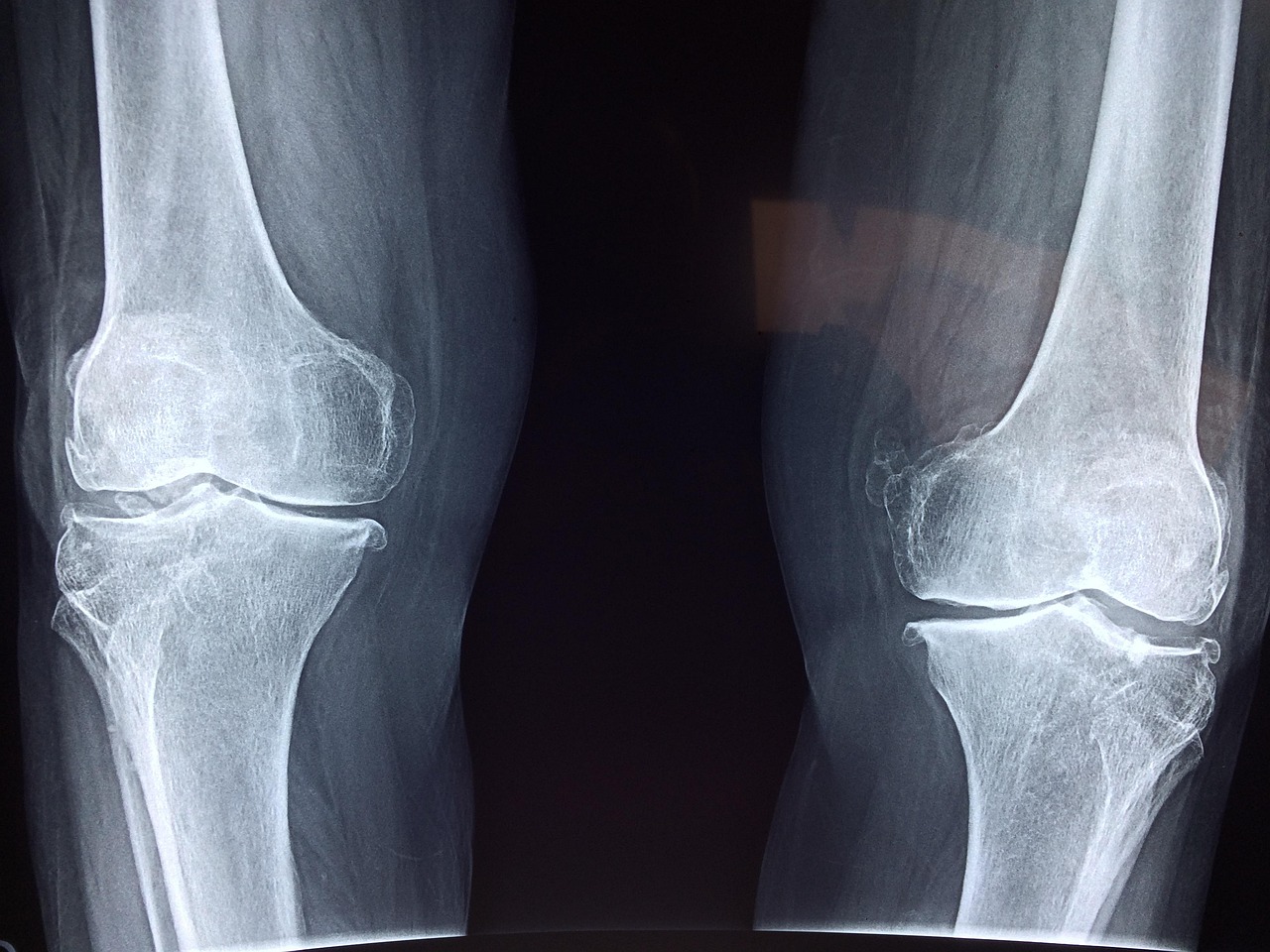
- The front of the knee, just under the kneecap, from stairs, squats, and pickup basketball.
- The rotator cuff, on swimmers, painters, and anybody lifting boxes overhead.
- The outer elbow, from tools, rackets, and the mouse.
- The side of the hip, especially in walkers and people who sleep on that side.
What PT Does About It
First we’ll try to find what changed. Did you buy new running shoes? Did you start a new job, or spend a long weekend laying pavers? There’s almost always a culprit. After that, we test your strength and how you move, because a weak hip or a tight ankle often makes the tendon pick up the slack.
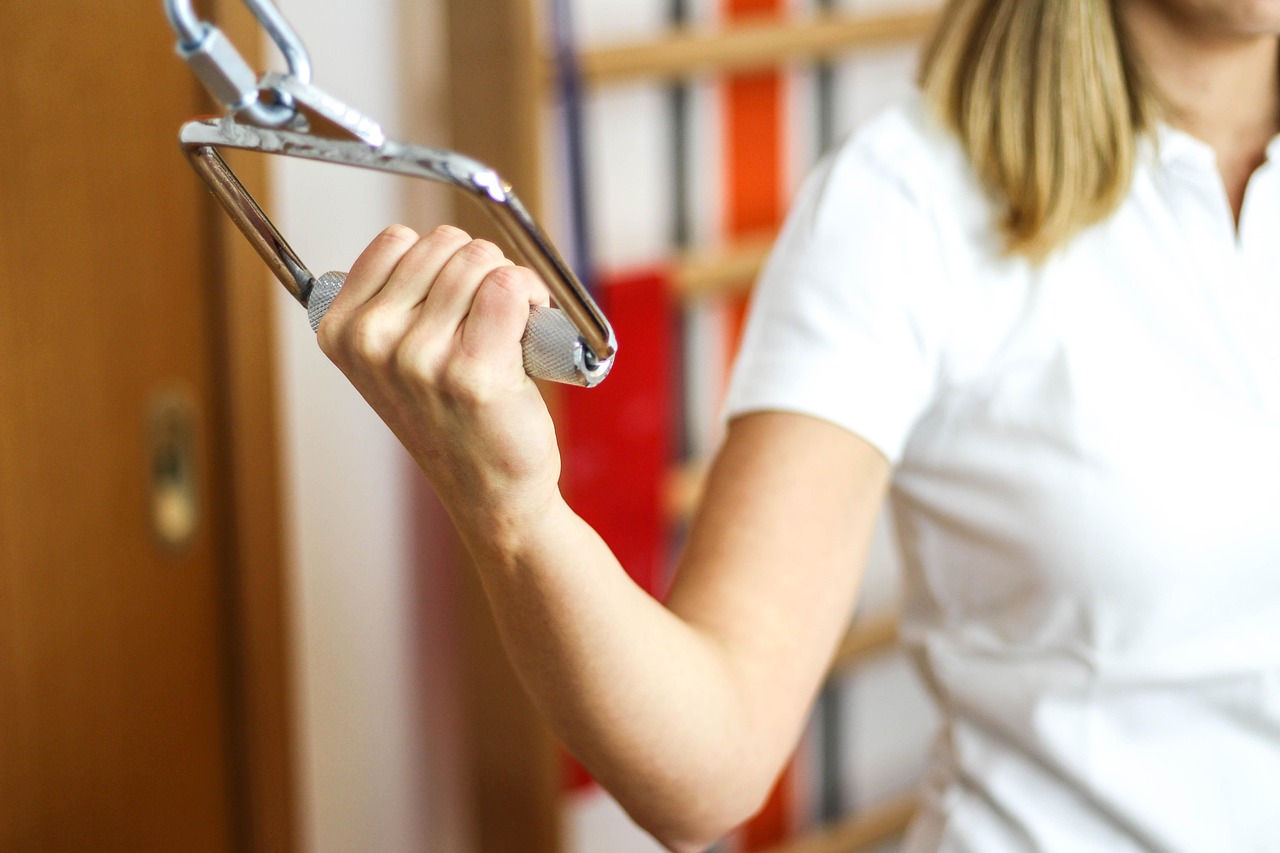
The heart of treatment is loading the tendon on purpose, just in the right amount. For an Achilles, that might be slow calf raises off a step. Knees get wall sits, where you hold a squat against the wall for half a minute and try not to complain. Elbows get a two-pound dumbbell that you lower slowly over a count of four. It’s fine if it aches a little while you’re doing it. What we watch is the next morning, and if it’s back to normal by then, you’re on track, and we’ll add a bit more next week.
Laying off the one thing that sets it off is smart for a bit. Sitting on the couch for a month isn’t, because the tendon gets even weaker. Runners might hop on the bike for a while, and lifters might drop the weight and do more reps. Some people like tape or a strap, and some get hands-on work. If none of that helps, we’ll talk about a shot.
Most tendons need six to twelve weeks of steady work. If one of yours has been sore longer than it should be, call Modern Medicine of South East Tucson, AZ, and we’ll help you get it back on track.