You know the spot. Maybe it’s the hard little lump at the top of your shoulder that you dig your thumb into at red lights. Maybe it’s deep in the back pocket area after a long day on a ladder, or down the outside of the thigh after training for the Tucson Marathon. Foam rolling helps for an hour. Massage helps for a day. Then it’s right back, tight as ever. For knots like that, dry needling is one of the tools we reach for.
So What Is a Knot, Anyway?
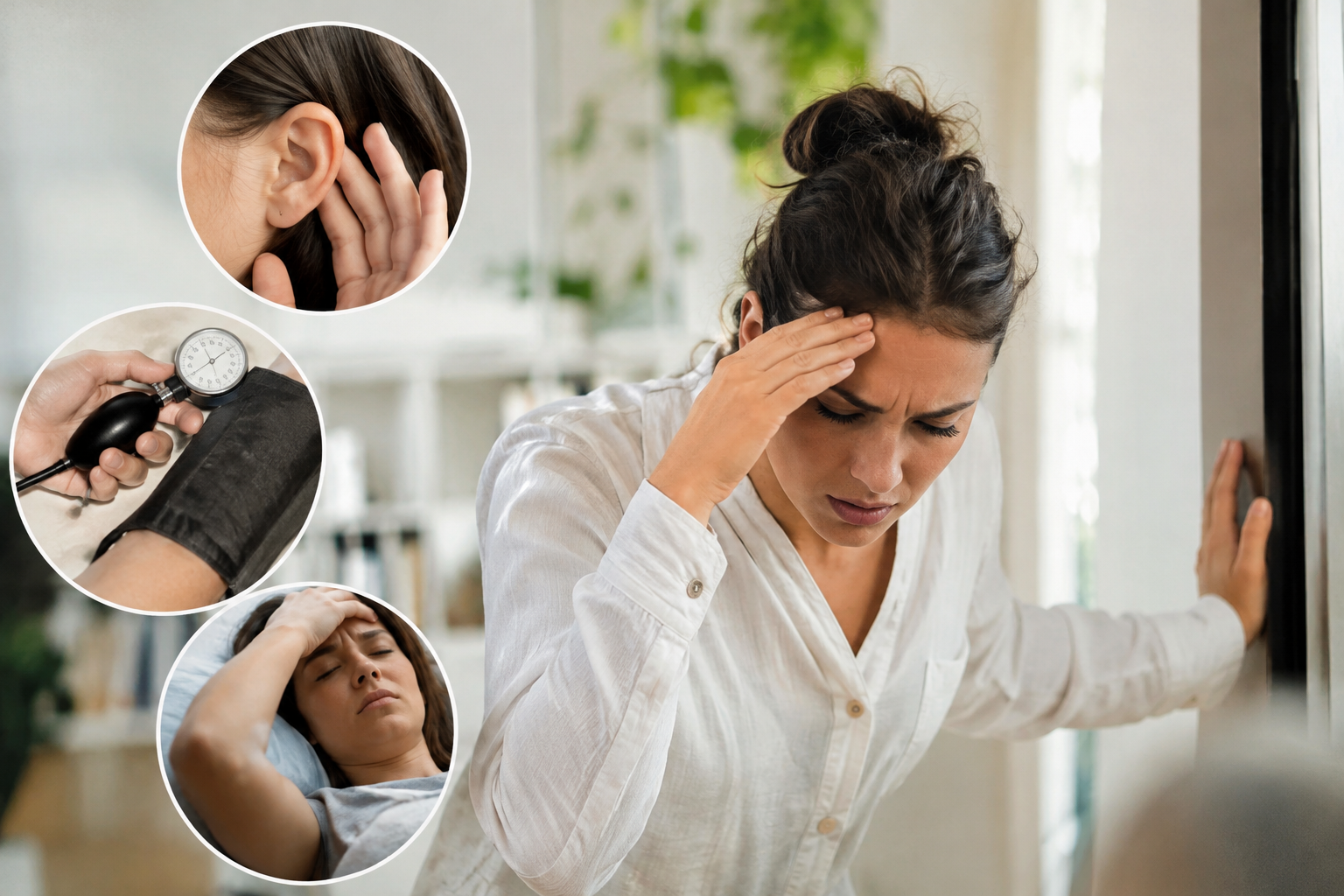
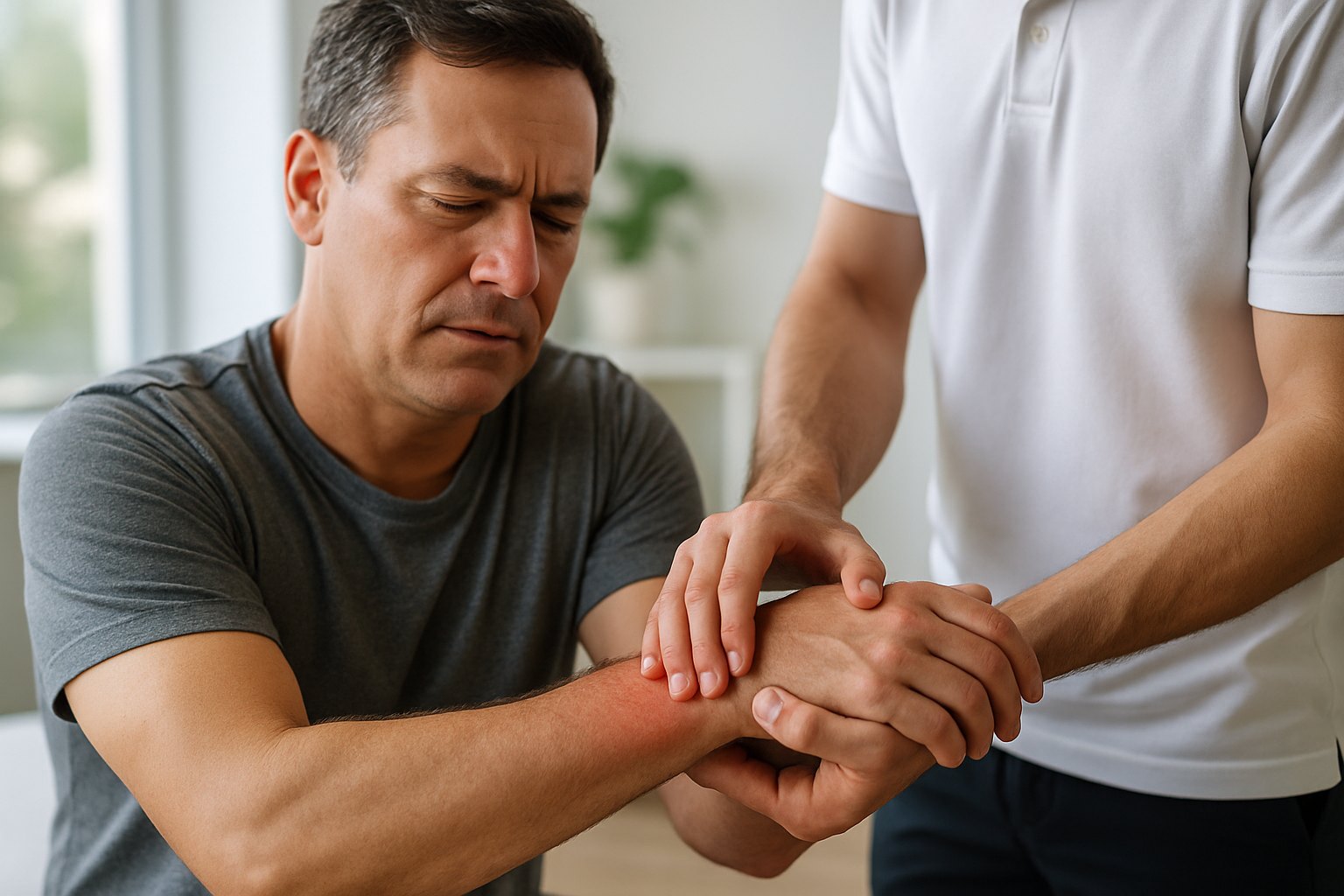
We call them trigger points. A handful of fibers in the muscle tighten up and just stay that way. Run a finger across the muscle and you’ll hit it: a firm little ridge, and yep, it’s tender. The weird thing is they can throw pain somewhere else. A knot on top of the shoulder might be what’s behind that ache over your left eye every afternoon. We find them all the time in nurses after a string of twelve-hour shifts, in mechanics, in people at a desk, and in runners. If a joint has been sore for months, the muscles around it usually have a few too.
How Dry Needling Works
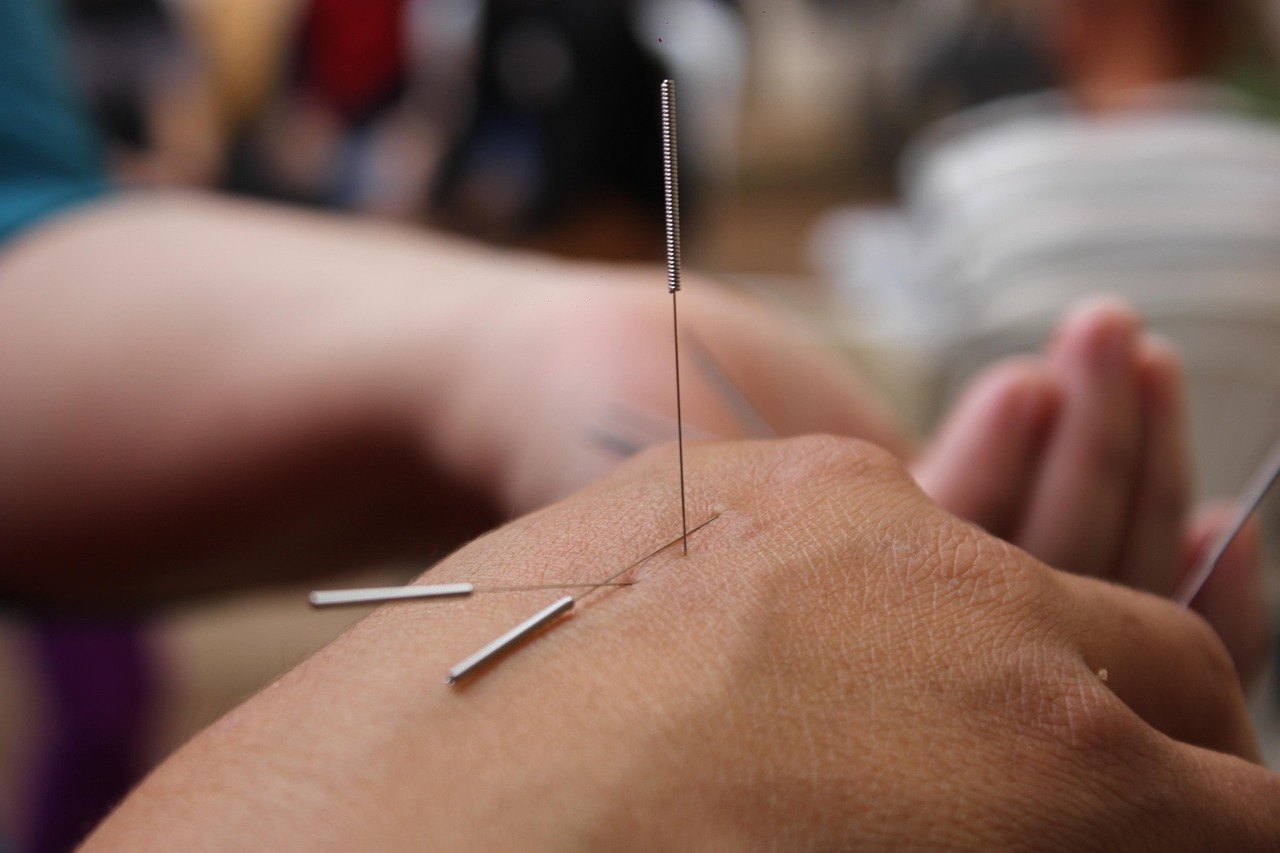
The needle is tiny, way skinnier than what they use for a flu shot. Your therapist taps it through the skin and aims right for the knot. Nothing gets injected. That’s the “dry” part. When it finds the spot, the muscle jumps. It’s a little twitch you can see and feel, and right after, the knot softens under the therapist’s fingers. More blood moves into the area, and the nerves that kept that muscle buzzing seem to settle down.
People ask us all the time if this is acupuncture. It’s not. It uses the same kind of needle, but the idea behind it is different. Acupuncture follows meridians from Chinese medicine. With dry needling, we’re aiming for the lump we can feel with our fingers.
How It Feels
Honestly, the needle going in is barely a pinch. The twitch is what surprises people. Some say it’s a quick cramp, and others say a deep, dull ache that’s gone in a second or two. That evening and maybe the next day, you might feel like you did a tough workout. To take the edge off:
- Get a big glass of water down after you leave.
- Go for an easy walk around the block that evening.
- Put a heating pad on it while you watch TV.
- Hold off on a heavy workout for that muscle until the next day.
Why We Pair It With Exercise
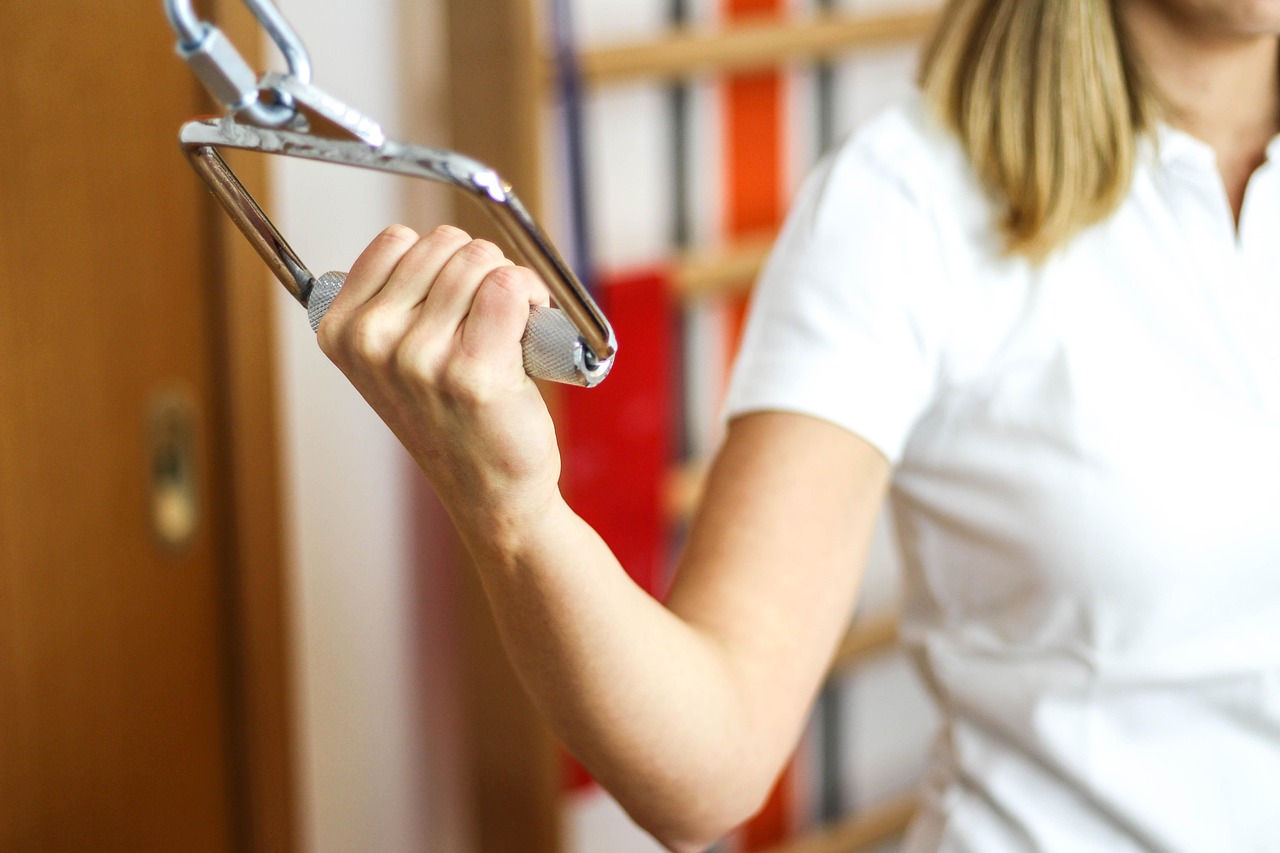
After needling, the muscle stays loose for a while, and that’s the best time to stretch it and strengthen what’s around it, so we do that right away, on the same visit. Then we hunt down whatever keeps causing the knot. That might be a monitor that’s too low, the way you carry your grandchild on one hip, or a stride that pounds one leg harder than the other.
If a stubborn knot has been bugging you for weeks, call Modern Medicine of South East Tucson, AZ. Ask about dry needling, and we’ll see if it’s a good fit for you.