Lost movement shows up in small ways first. The seat belt is harder to reach. Stairs get taken one at a time, holding the rail with both hands, and socks go on with your foot up on the mattress. A PT clinic nearby can help you get that motion back. Honestly, the nearby part matters a lot.
Where People Usually Start
Some come to us a week after surgery. The new knee won’t bend past a certain point, the thigh muscle is weak and slow to fire, and the walker is still parked by the bed. We get going early and stay inside whatever limits your surgeon gave, and yes, there will be ice packs, and a couple of days you’d rather cancel. Most people come two or three times a week at first, then less as things loosen up.
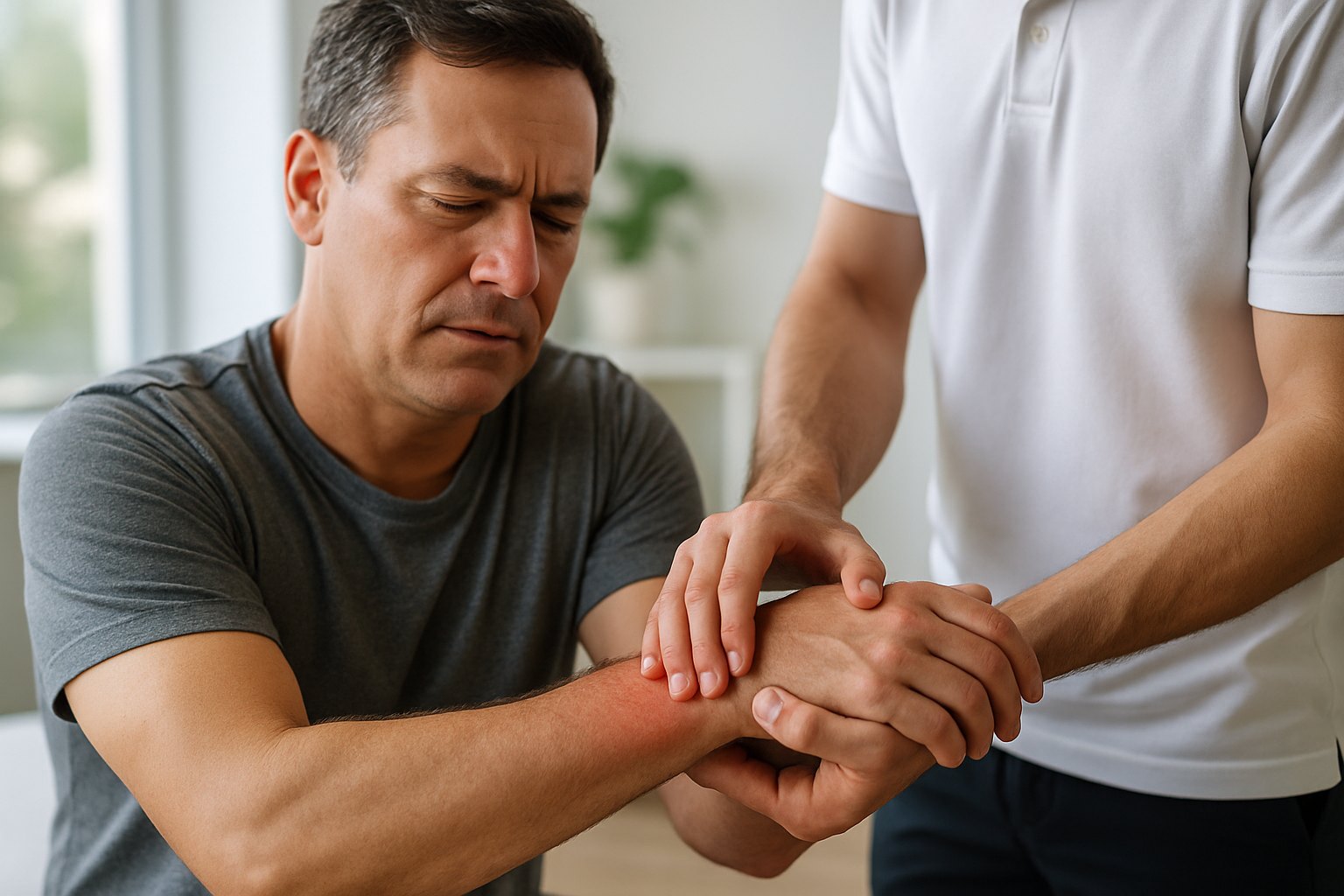
Others never had an injury at all. Year after year, the shoulder reached a little less. Then getting off the couch turned into a rock, a push, and a grunt. For them, we loosen things up by hand first and then build strength through the motion they get back, so it doesn’t slip away again.
And then there’s the flu that turned into two weeks in bed, or the trip on the garage step. Your legs lose more in those weeks than you’d guess. Day one might just be five sit-to-stands and a lap of the hallway. Later on come curbs, the stairs, and hauling a grocery bag in from the car, since that’s real life.
Why Close to Home Helps
Plenty of people in Sierra Vista have made the drive up to Tucson for an appointment. Once is fine. Twice a week for two months gets old fast, and a lot of people quietly stop going. Being close by helps in some plain, practical ways:
- Nobody skips a Thursday visit over a ten-minute drive.
- Do you want to walk the San Pedro River trail again? We can practice on the same kind of uneven dirt and gravel you’ll find out there.
- Something feels weird on a Tuesday, so you swing by and ask.
- Your spouse or daughter can come along and learn how to help.
Keeping Score
On day one, we put a goniometer, which is basically a big plastic protractor, on the stiff joint and write down the number. A few weeks later, we do it again. We’ll also time you walking down the hall and count how many times you can stand up from a chair in thirty seconds. The number matters, but honestly the better sign is when you reach the seat belt without thinking about it. Some people tape a list of “can’t do yet” items to the fridge and cross them off.
Four to eight weeks gets most people a clear change. Surgery recovery can take longer, and we’ll tell you upfront.
If you’ve lost movement and want it back, call Modern Medicine of South East Tucson, AZ, to schedule a visit.