You're driving your Grand Cherokee along Dublin Boulevard when the ABS light and the traction control light come on together. The brake pedal feels the same, and the Jeep stops the way it always has. Your everyday brakes are still working as long as the red brake warning light stays off. What's switched off is the antilock function, and on a Grand Cherokee the traction and stability control switch off with it. At Driven Auto Care of San Ramon, we find which wheel set the fault and repair the part behind it.
Why the Brakes Feel Normal With the Light On
Your pedal pushes fluid to the brakes the same way with or without ABS. The antilock system only steps in during a hard stop or on a slick road, when a wheel starts to lock. It pulses the brake on that wheel so the tire keeps turning and you can still steer around trouble.
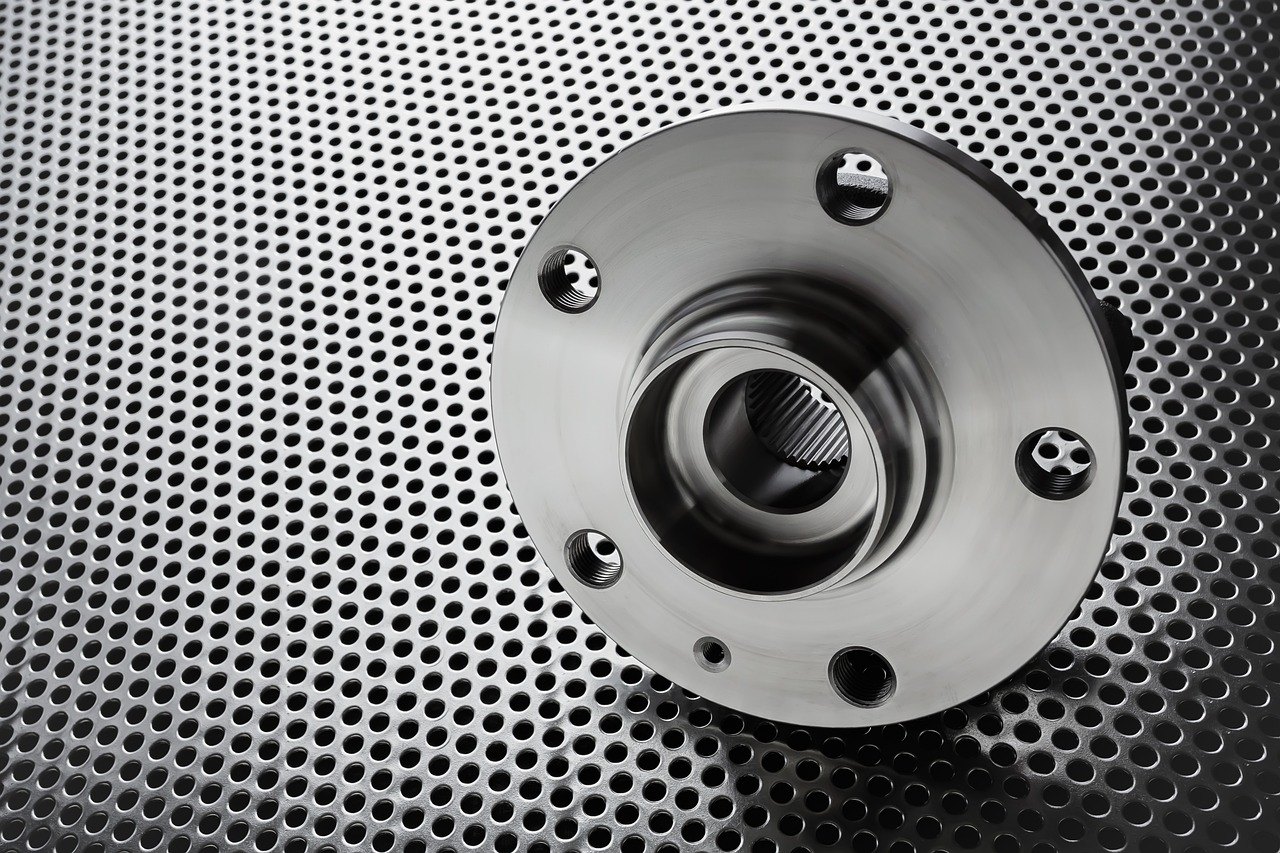
To do that job, the ABS module needs a speed reading from every wheel, many times a second. Each wheel has a sensor that picks up a ring turning with the hub. When one of those readings goes missing or jumps around, a code is stored and the antilock function shuts off. Traction and stability control use the same wheel speeds, so their light comes on too. With the first rains of the season on the roads, those are the systems you want working.
How We Find the Wheel That Dropped Out
We start with the code, which names the wheel circuit at fault. To find what failed at that wheel, we connect a scan tool to the ABS module and watch the speed from all four wheels on one graph while the Grand Cherokee drives. On a healthy Jeep, the four lines rise and fall together. A faulty corner looks different on the graph. Its line falls to zero for a moment, jumps around, or lags behind the other three.
We sort the cause by how that line drops out. When it cuts out as the suspension moves over a bump, we go to the wire. When the dip repeats once per wheel revolution, we go to the ring the sensor picks up. When it reads zero all the time, we test the sensor and its connector.
What Usually Fails at the Wheel
The sensor wire runs from the body out to each wheel, and it flexes every time the suspension moves. That wiring runs through the wheel wells, where road grit and water reach it. Over the years a wire can crack inside its insulation, or a connector can corrode, and the signal cuts out over bumps before it fails for good. We check that wire and connector along their length before we replace a sensor.
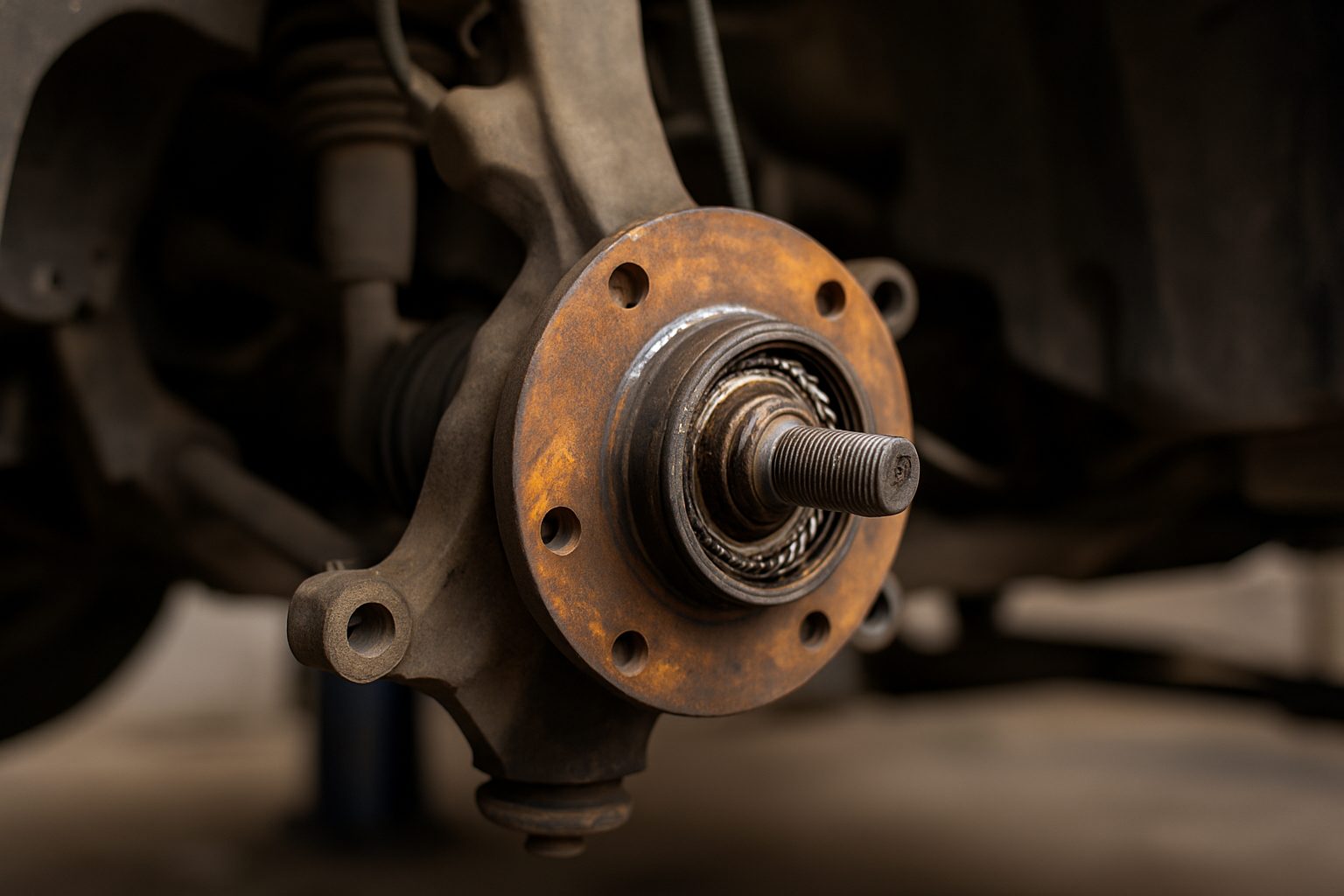
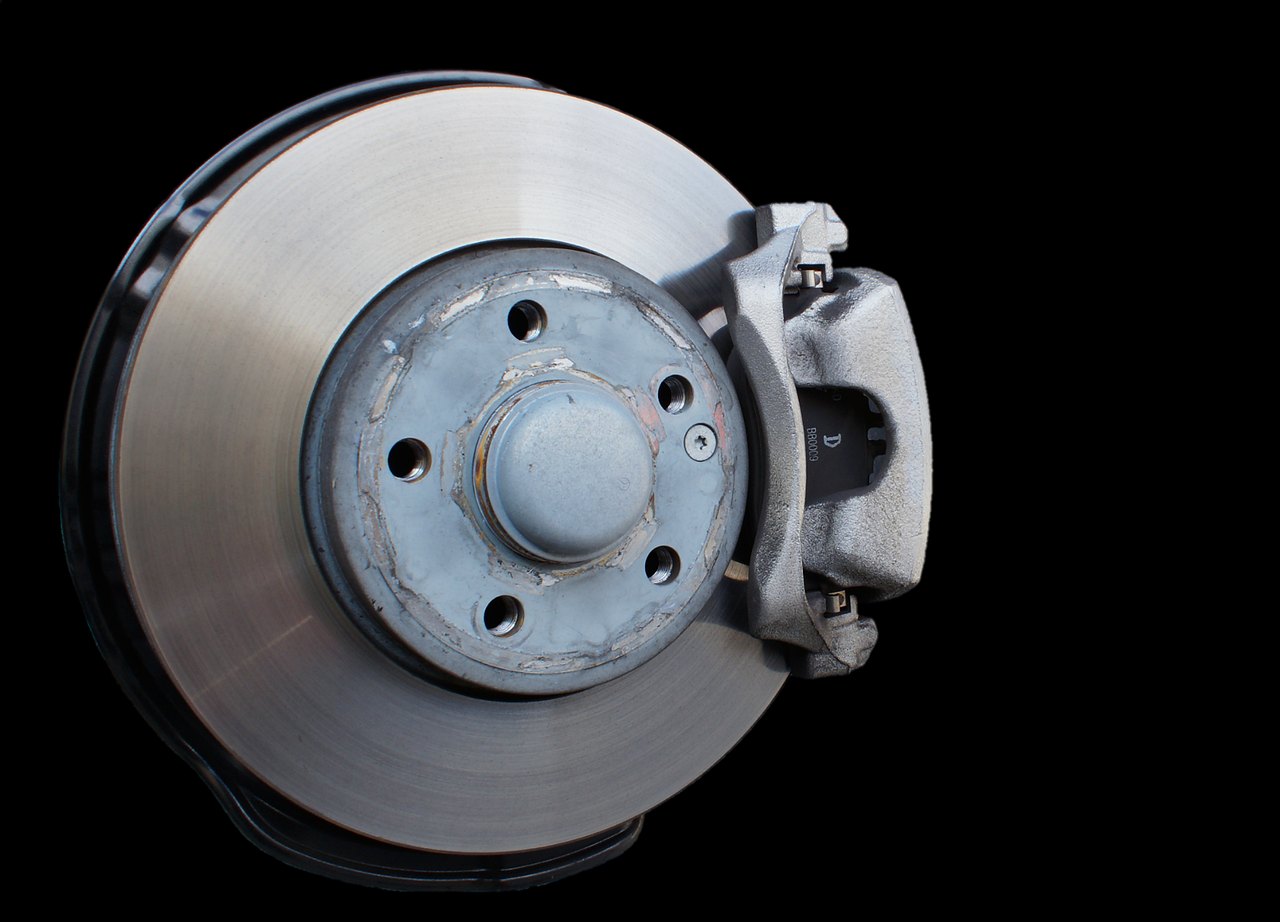
The ring the sensor picks up can cause the same light. Metal dust from the brakes and rust can build up on the sensor tip or the ring, and a cracked or rusted tooth on the ring causes a dip once per revolution. Cleaning the tip and ring fixes some of these, and a damaged ring gets replaced. When the sensor itself has failed, a new one goes in and the line comes back with the other three.
The ABS module can fail as well, so we test the wheel signals first. We look up any open recalls on your VIN, and we check the power and ground feeding the module before we replace it.
After the Repair
Once the repair is done, we erase the stored codes and drive the Jeep again with the graph running. All four wheel speeds track together, and the ABS and traction lights stay off. Antilock braking and stability control work again for the next hard stop. If the red brake warning light ever comes on with the ABS light, or the pedal starts to sink, pull over and have the Jeep towed to us.
Getting Your Grand Cherokee's ABS Working Again
Call Driven Auto Care of San Ramon at (925) 830-4701 to have the ABS codes read and the wheel sensors tested on your Grand Cherokee. We find the wheel that dropped out, repair the wire, ring or sensor behind it, and confirm all four wheels read together. Your antilock brakes and traction control then work when you need them.