At freeway speed your CR-V picks up a low hum, and it grows louder as you sweep through a long curve. The hum rises and falls with road speed rather than engine speed, which fits a worn wheel bearing. Each wheel turns on a sealed bearing, and as the hard steel surfaces inside it wear, the rolling balls begin to growl. At Driven Auto Care of San Ramon, our first job is to find which of the four corners is making it before we order a part.
Which Side a Freeway Curve Loads
In a curve, the weight of the CR-V shifts toward the outside wheels. Sweep right and the left-side bearings carry the extra load, and sweep left and the right side carries it. The extra weight makes a worn bearing hum harder, so when the hum is louder through right-hand curves than left-hand ones, we look at the left side first.
On a Honda, that change can be small. Honda uses an angular contact design for its wheel bearings, and on many of them the hum changes very little when the car shifts from side to side. A hum that stays steady through a curve can still come from a bearing, so we keep testing before we settle on a side.
Telling Bearing Hum From Tire Hum
Worn tires can hum much like a bearing, especially tread that has worn into uneven scallops. We use the road surface to sort the two. Tire hum changes as the pavement goes from smooth asphalt to coarse concrete, while bearing hum stays the same over both. We also run a hand across the tread, because scalloped wear is easier to feel than to see. On the drive, we shift into neutral at the speed where the hum is loudest. When the hum carries on with the engine back at idle, it's coming from the wheels and not from the engine or transmission.
Why the Hubs Go Up on a Lift
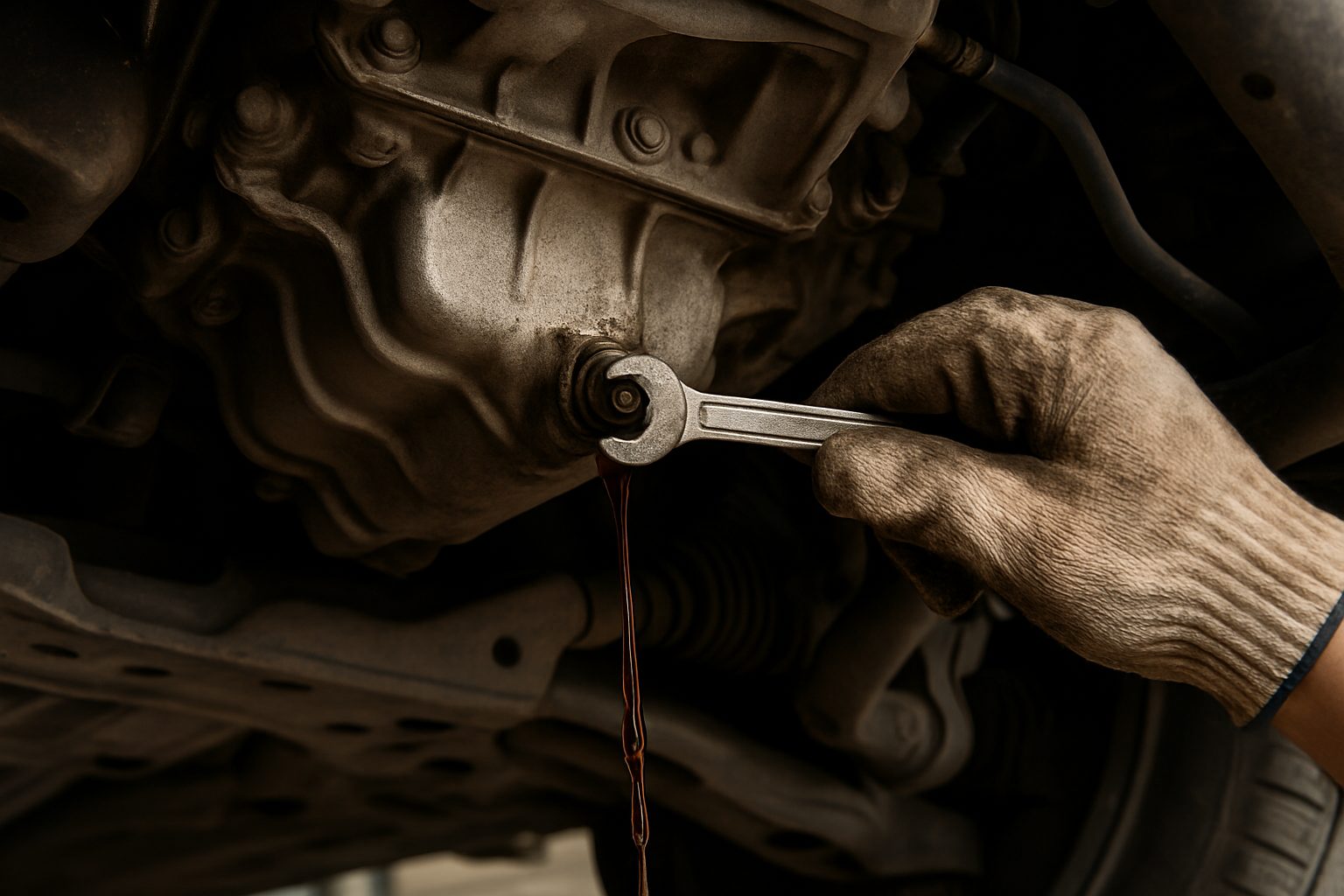
A bearing that hums on the road can make no sound once the CR-V is in the air, because the wheels hang free with no weight on them. For that reason the drive comes first and the lift second. On the lift we spin each wheel by hand and feel the bearing for roughness, comparing left against right. We also rock each wheel to check for play, since a worn bearing loosens over time and that looseness can show up in how the steering feels.
What the Repair Involves on a CR-V
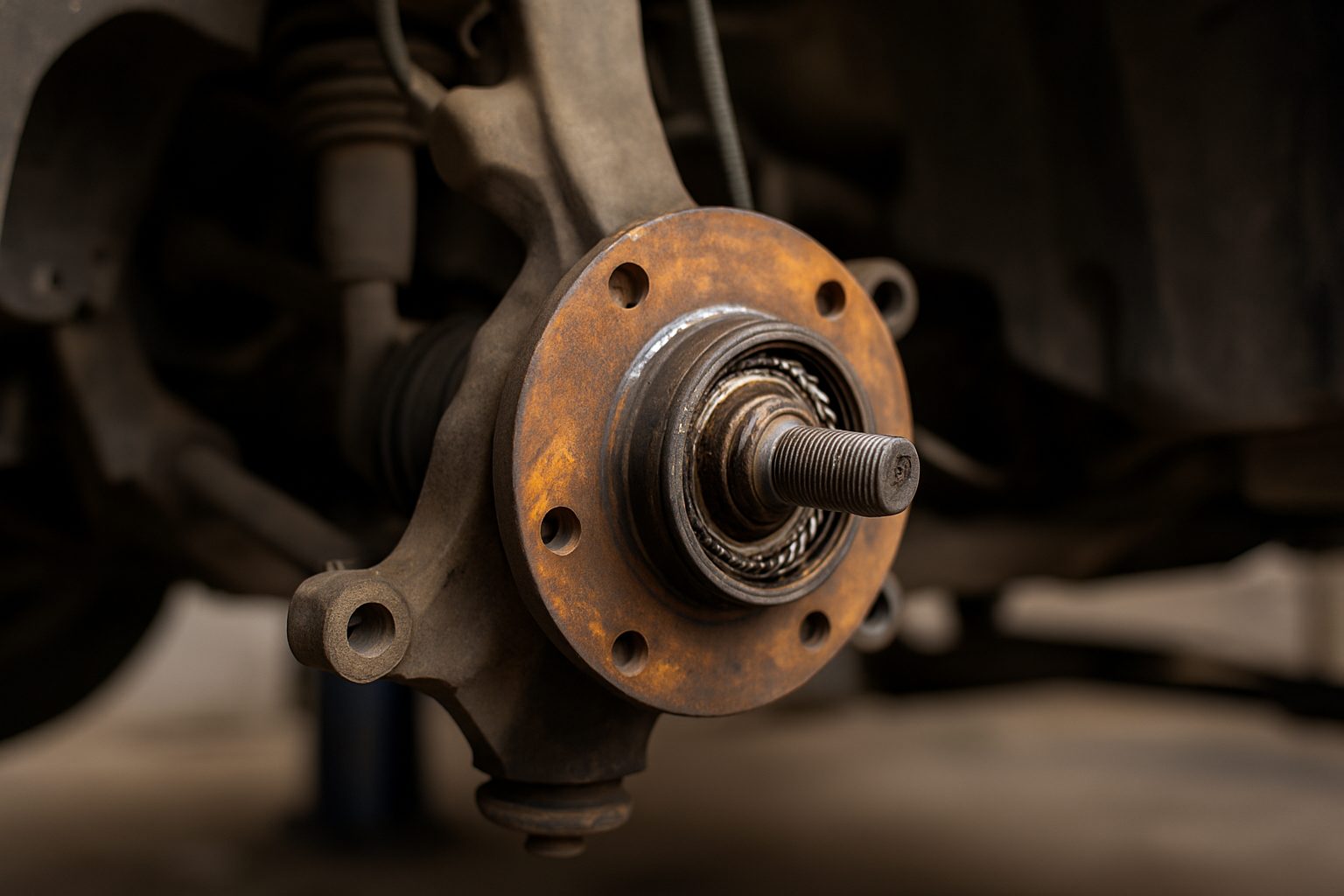
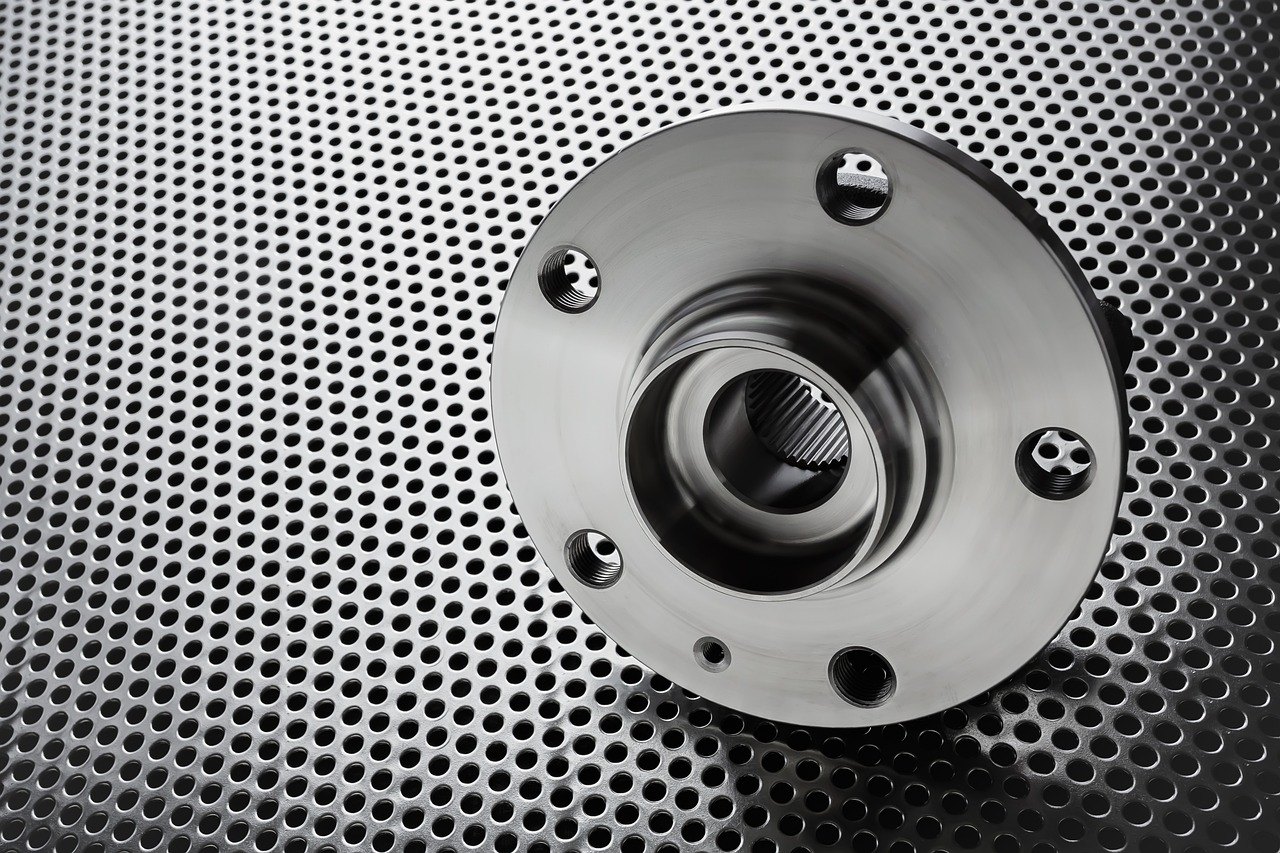
On 2007 to 2016 CR-Vs, the front and rear bearings are built differently. The rear bearing comes as a complete hub assembly that bolts to the suspension, so the whole unit is replaced. The front bearing is pressed into the steering knuckle, the part the wheel and brake mount to. For a front bearing, the knuckle comes off the CR-V so the old bearing can be pressed out and a new one pressed in.
The ABS wheel speed sensor picks up its signal from a magnetic ring on the bearing, so the new bearing goes in with that ring facing the inside of the knuckle. Fitted the wrong way around, the bearing leaves the sensor without a signal and the ABS light comes on. Once the knuckle is back in place, we check the wheel alignment and adjust it if it needs it.
Getting the CR-V Hubs Checked
Call Driven Auto Care of San Ramon at (925) 830-4701 and tell us which way the curve bends when the hum grows. We'll take your CR-V for a drive and then check each hub on the lift. When the hum comes from a front or rear bearing, we replace the bearing at that corner, and the freeway hum is gone.