You turn the key or press the button in your Tahoe and hear one sharp click from under the hood, then nothing. The gauges sweep and the dash lights stay bright, so the battery is not flat. That single click is the starter's solenoid snapping in, and the engine never turns behind it.
From that click we know the crank command reached the starter, so the fault sits in the starter itself or in the path that feeds it, meaning the heavy cables and a battery that has to hold its voltage while cranking. At Driven Auto Care of San Ramon, we measure those cables during a crank attempt to find which one it is. Danville drivers get that answer from a reading at our San Ramon shop, because the click sounds identical either way.
What We Learn From The Single Click
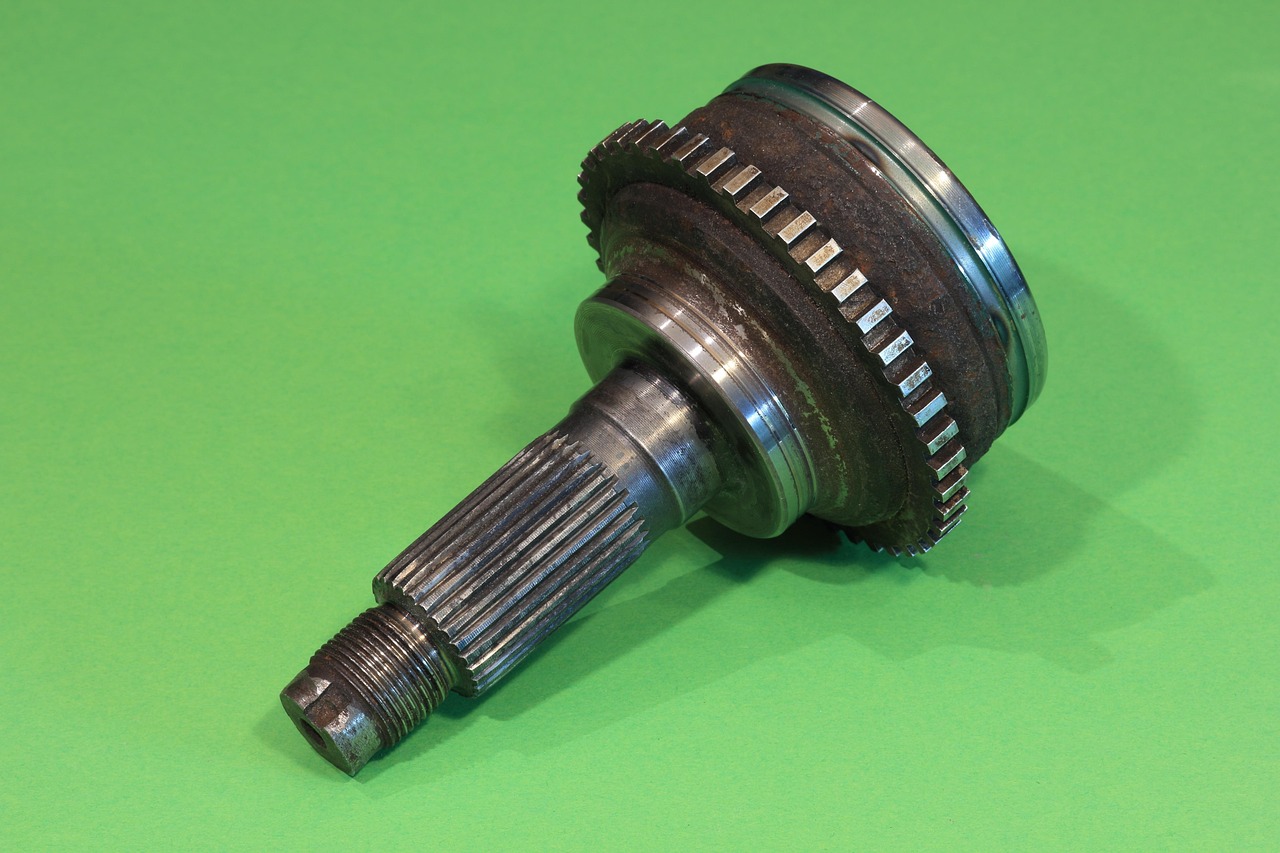
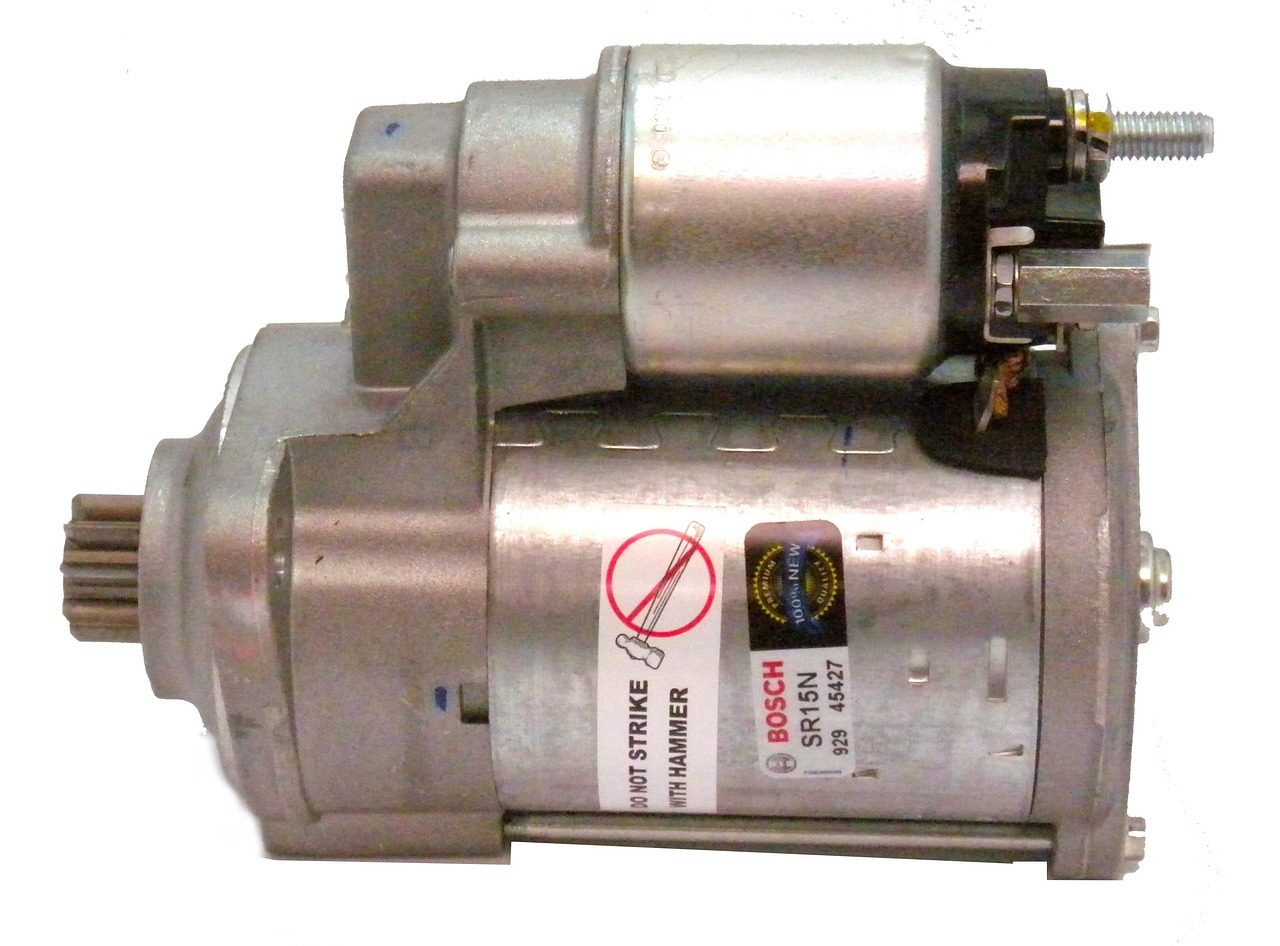
The click you heard came from the solenoid, the switch mounted on your Tahoe's starter motor. On the crank command, it pushes a small gear into the engine's ring gear and closes heavy contacts that send battery current to the motor. Its click is the plunger pulling in, so the command arrived, though a solenoid with burned contacts clicks the same way and passes no current to the motor. A still engine means the motor failed or too little current reached it.
That second possibility is why a bright dash proves less than it seems. Dash lights and the radio draw a small current, while cranking a V8 draws many times that. A loose or corroded connection can carry that small current and still fail to carry the cranking current. The lit dash rules out a flat battery and leaves open whether it holds up under load and whether the current reaches the starter. That shortfall in current is also what a hot restart brings out.
Why A Hot Restart Brings It Out
The click can also come only after a short errand on a hot day, along with slow cranking, and then fade once the Tahoe has sat a while. This pattern is heat soak, the engine heat that builds in nearby parts after shutoff, with no airflow to carry it away. Inside a tired starter, worn contacts and windings gain resistance as they heat, and that resistance leaves the motor short of the current it needs. A marginal cable connection gains resistance as it heats too, so when the drag comes only after a stop, we take the cable reading on a hot engine. Jump-starting adds battery power, so it helps only when the battery is the weak link, and a worn starter or loose cable end stays in place for the next start.
Is It The Starter Or The Cables?
Current leaves the battery through the positive cable to the solenoid and returns through the engine block and a ground strap. While the engine cranks, we read the voltage from one end of each cable to the other, positive and ground sides separately, and any voltage that shows up across a cable is voltage the starter never receives. Once a cable or ground loses more than about half a volt, the starter gets too little current, and that connection becomes the repair. On the 2018 Tahoe with the 5.3L V8, some early-production trucks had no-crank complaints traced to a loose positive cable connection at the starter solenoid. For those trucks the complaint was no crank or a starter that would not engage, and the fix was tightening the battery positive terminal at the starter.
The Reading That Names The Starter
First we measure the battery under load, because a weak battery under load mimics a slow starter. When the battery holds full voltage under load and neither cable loses meaningful voltage, a click with no crank leads us to the starter itself, since the click already showed the command arriving. Silence with a bright dash is a different complaint, because a faulty transmission range switch can block the crank command before it reaches the solenoid. A crankshaft sensor fault is one cause of an engine that cranks at full speed and does not start, a separate complaint from the starter. For grinding or a harsh whir at start, we look at the drive gear and the flexplate ring-gear teeth it meshes with.
From One Click To The Failed Part
When you call Driven Auto Care of San Ramon at (925) 830-4701, mention whether the click comes on a cold morning or only after a hot stop. If your Tahoe won't crank, the tow can leave it at our San Ramon shop through after-hours drop-off. You'll leave knowing which part stopped the crank and the reading that settled it.