When a BMW 4 Series overheats, the water pump is the first part we check, and on the cars built with an electric coolant pump, most drivers don’t expect the way it fails. On a lot of vehicles, a worn water pump leaks or whines for weeks first, so you have time to plan the repair. The electric pump on these cars rarely fails that slowly. It usually stops all at once, and the temperature needle climbs before a single drop reaches the driveway. At Precision Auto Care, we treat a climbing gauge on this pump as the failure already in progress.
Why an Electric Pump Fails All at Once
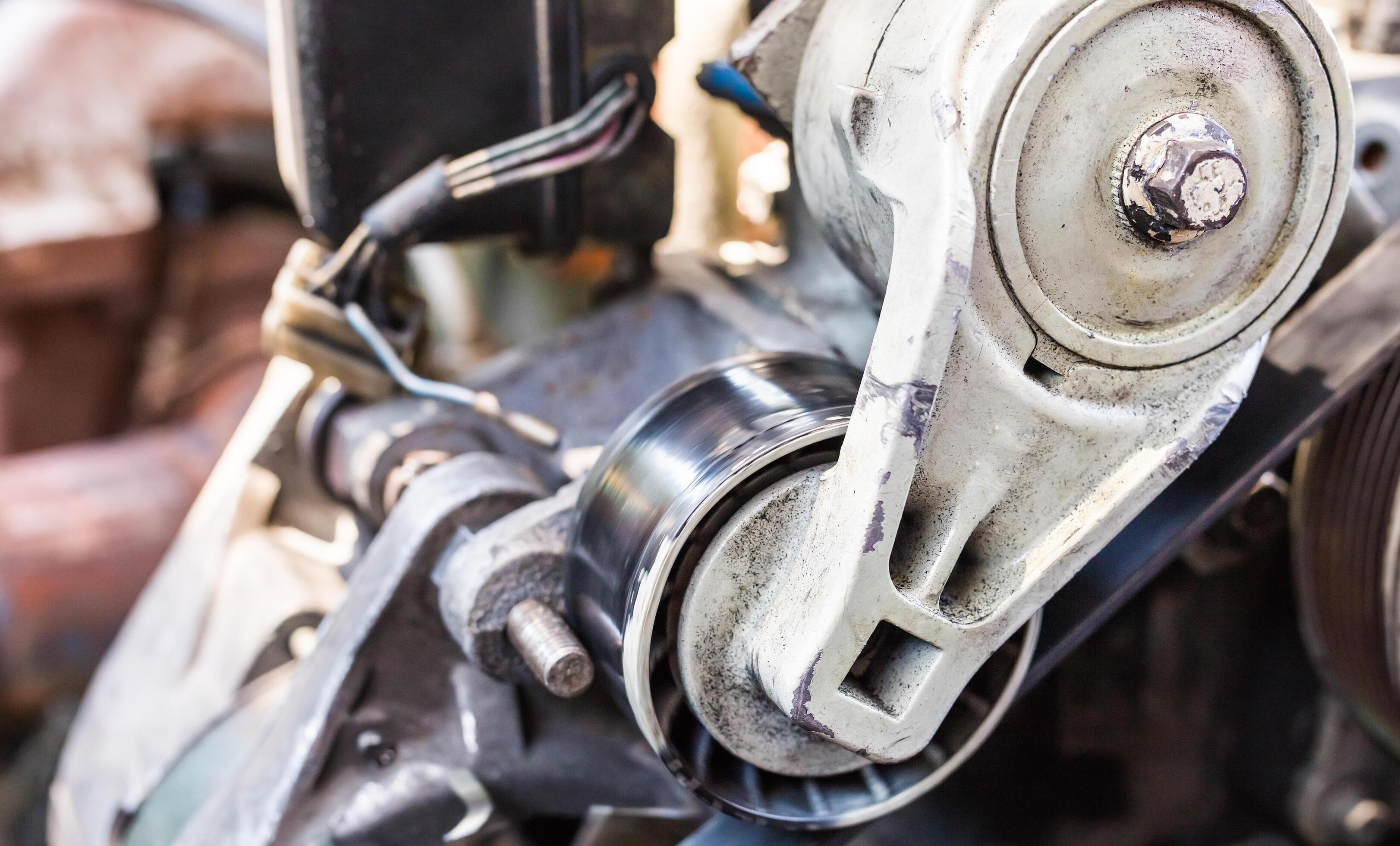
A belt-driven water pump wears in a way you can hear and see. The bearing dries out and whines, or the shaft seal seeps coolant, and either sign shows up over weeks. The electric pump on these cars works differently. A sealed motor and a small circuit board drive the impeller, and the electronic side can fail while the mechanical parts are still sound. When the circuit fails, the impeller stops turning, and coolant circulation drops sharply.
That is why the failure looks sudden from the driver’s seat. No drip appears in the driveway and no whine builds over a month, because the part that failed is electronic, not mechanical. One week the cooling system holds steady, and the next the gauge is well into the red before you reach the freeway. The comforting assumption that you get an early warning does not hold on this design. On these model years, we plan around an abrupt failure from the start.
When to Stop and When to Schedule
A climbing gauge does not by itself mean you pull over this second, so read the pattern before you decide. If the needle swings into the red and you smell hot coolant or see steam, stop driving and shut the engine off, because heat past that point can warp an aluminum cylinder head. If the gauge still reads normal but you are adding coolant every week, that’s the slower case, and it earns a pressure test within a day or two. The trap is the middle move most drivers make, which is topping off the coolant and watching it, because a leak only grows once it starts. Each top-off lasts a shorter while as the leak grows, until the loss outruns the refill and the gauge climbs mid-drive. Catch a real overheat early and the repair usually stays limited to the pump, while the head and gasket around it stay unharmed.
What We Confirm Before Naming the Pump
Overheating on these cars can start in more than one place, so we pin down the cause before we put a pump on the estimate. A stuck thermostat or a failing cooling fan can drive the same climbing gauge, and each one points to a different repair. We check whether the pump is still moving coolant, then pressure-test the system for a leak, so the estimate matches the failure we can find. Build year and engine matter here too, because some 4 Series carry this electric coolant pump and others a belt-driven one, so we confirm which pump your car has before we quote it.
Schedule the Diagnostic Step
Because the electric pump fails without a slow warning, treat a gauge change on your 4 Series as the signal to call now. If your temperature needle has climbed or you have topped off coolant more than once, call Precision Auto Care in San Leandro at (510) 351-8211 and describe when it happens.