Muscle pain has a way of changing your plans. One tough workout, a long shift, a weekend project, or a poor night of sleep may leave you moving like your body filed a complaint. At Recovery Lab of La Verne, CA, we work with clients who want relief, but also want to understand which recovery option makes sense for their body.
So, is red light therapy the best fix for muscle pain? It may be a strong option for many people, but "best" depends on why the pain started, how long it has been present, and what else your body needs. Red light therapy is not a cure-all. It is a recovery tool designed to support the body's natural repair process.
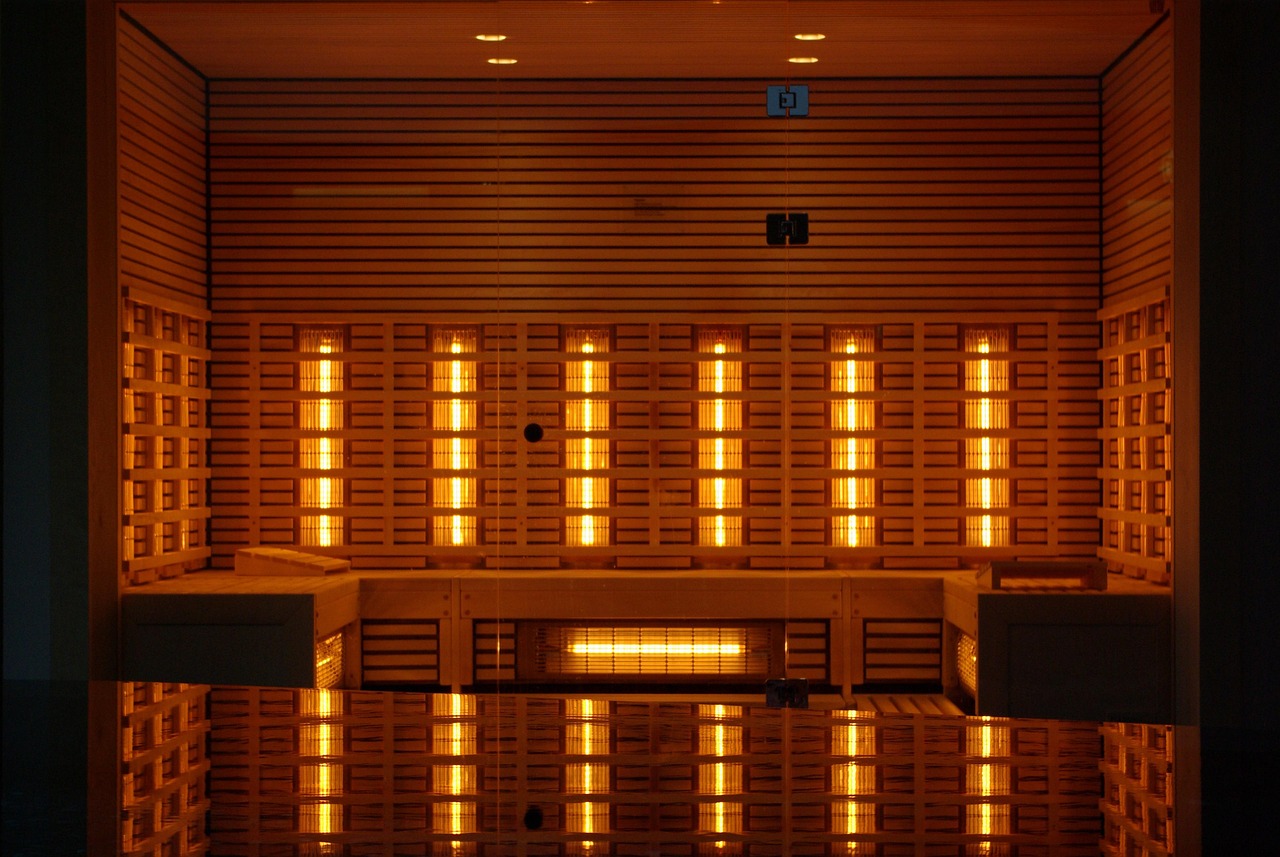
Red light therapy uses red and near-infrared light to penetrate tissue below the skin's surface. During a session, your cells absorb light energy. This process may support circulation, cellular activity, control of inflammation, and tissue repair. For sore or overworked muscles, those benefits may help reduce discomfort and promote easier movement over time.
Muscle pain may come from many sources. Common causes include overtraining, poor lifting mechanics, dehydration, sports injuries, stress, poor sleep positions, hard physical labor, or prolonged inactivity. Since the cause can vary so much, recovery should not rely on a one-size-fits-all plan. A sore hamstring after a run needs a different conversation than chronic tightness from desk posture or muscle pain after an old injury.
A red light session is simple and noninvasive. Before your visit, our team explains the basics, helps you get positioned, and makes sure your eyes stay protected. You relax while the light reaches the target area. Many clients appreciate how easy the session feels, with no pressure, no scraping, and no intense cold.
Some people feel looser or more comfortable after one visit. Others notice better results with consistent sessions. This is normal. Red light therapy often works through repeated support, not instant correction. We keep expectations realistic because lasting muscle relief usually comes from a combination of recovery habits, movement, and smart care.
Red light therapy may be especially helpful when soreness is associated with inflammation, fatigue, or slow recovery. Still, it may not be the right first step for every situation. If you have sharp pain, swelling after an injury, weakness, numbness, fever, unexplained pain, or worsening symptoms, speak with a health care provider before starting wellness services.
We may also recommend pairing red light therapy with other services. Mobility stretching may help improve the range of motion. Percussion therapy may help reduce stiffness and knots. Cupping may encourage circulation and ease tight connective tissue. Cryotherapy may help calm soreness after demanding activity.
The goal is not to chase every service. The goal is to build a practical recovery routine tailored to your body, activity level, and comfort. If muscle pain keeps interrupting workouts, workdays, or daily movement, contact Recovery Lab of La Verne, CA. We will help you decide whether red light therapy fits your recovery plan.