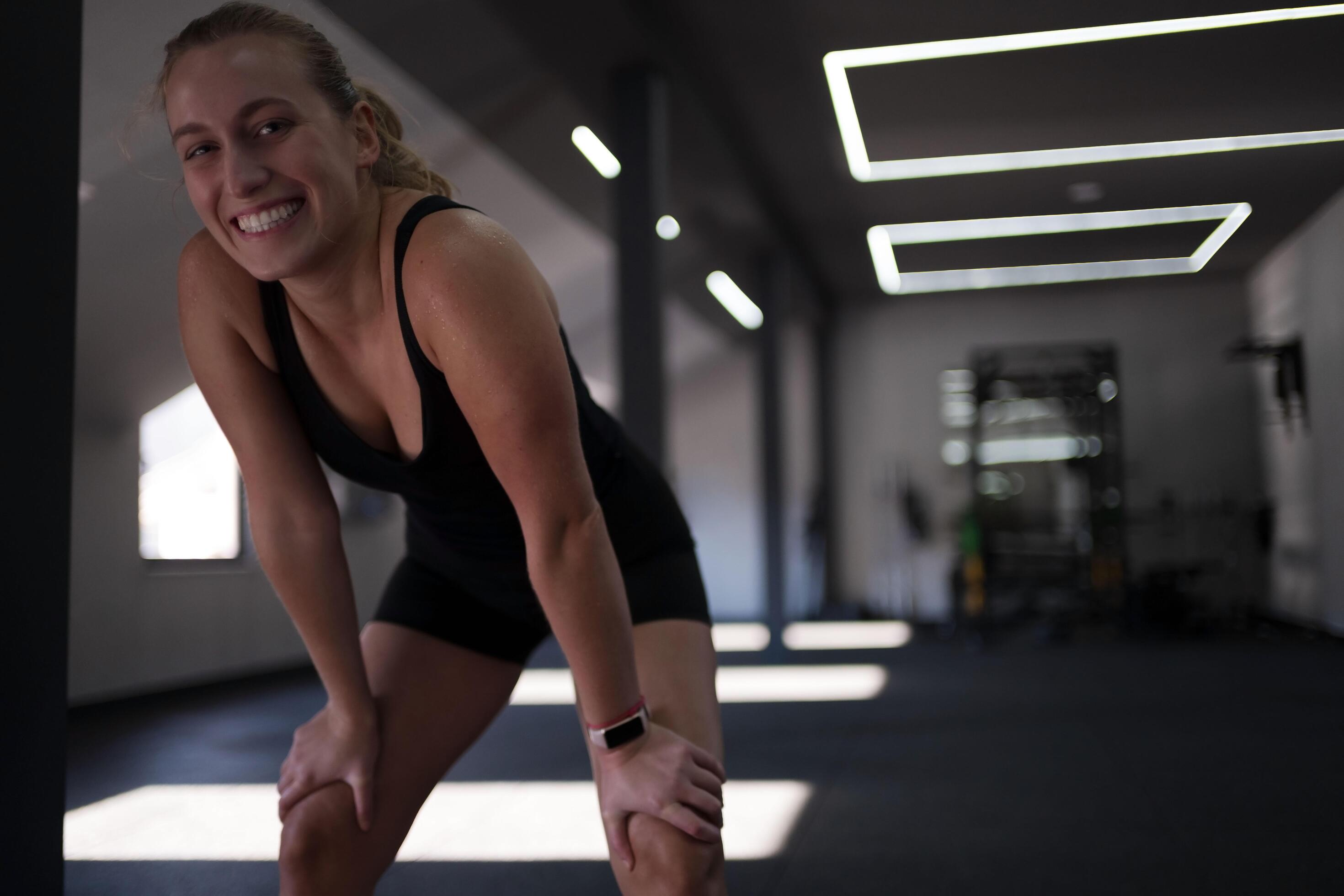
After a hard workout, recovery is more than waiting for soreness to disappear. Your muscles need rest, hydration, nutrition, circulation, and enough time to repair. Some athletes also explore lymphatic drainage massage when swelling, heaviness, or post-exercise discomfort makes recovery feel slower.
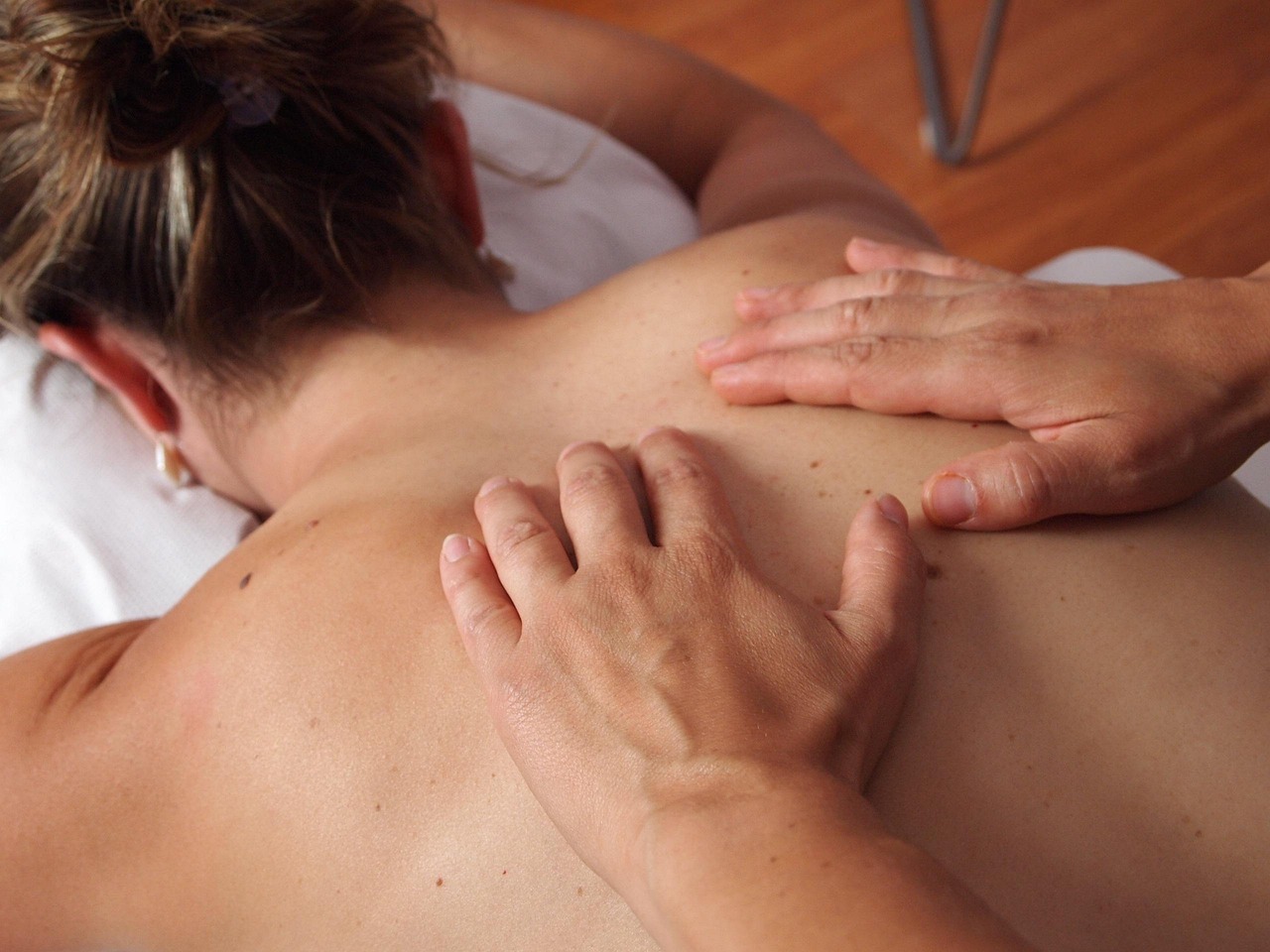
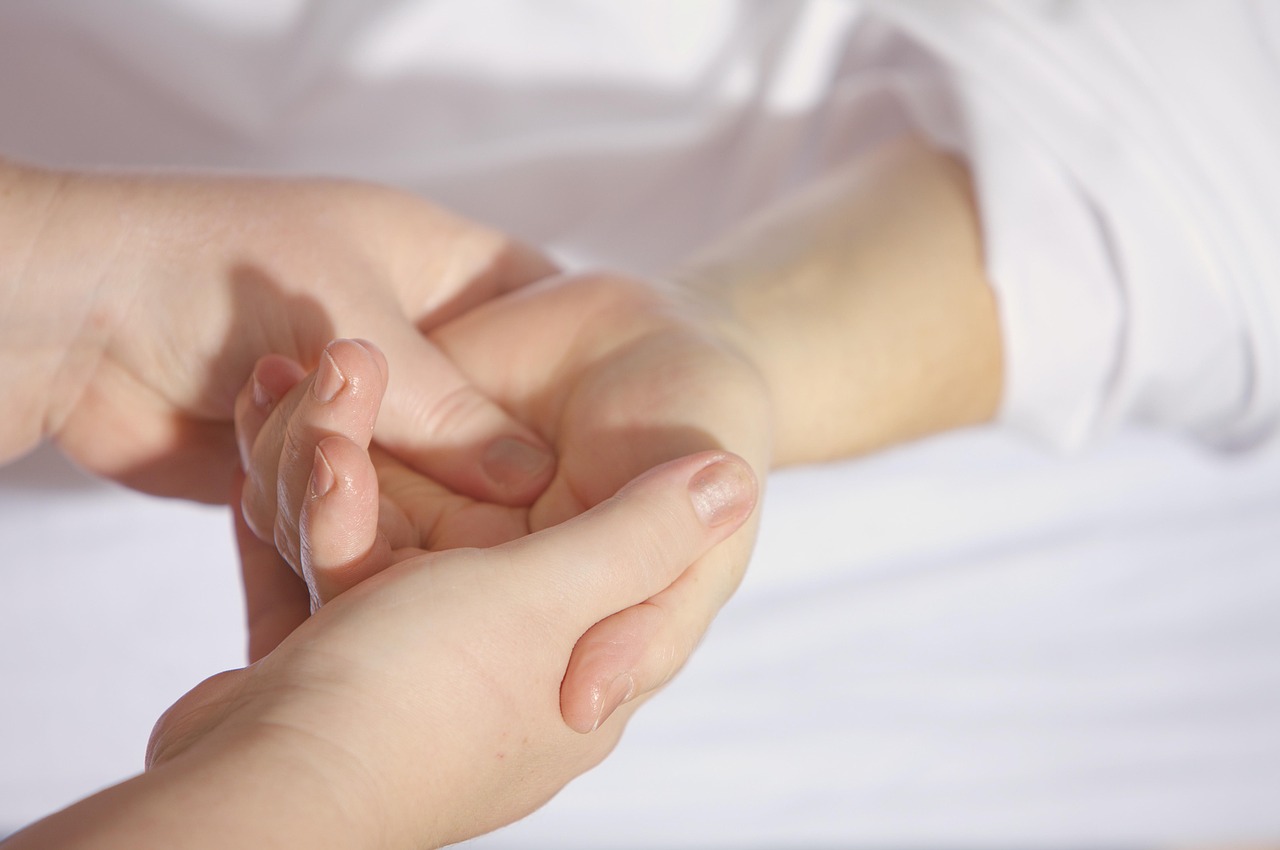
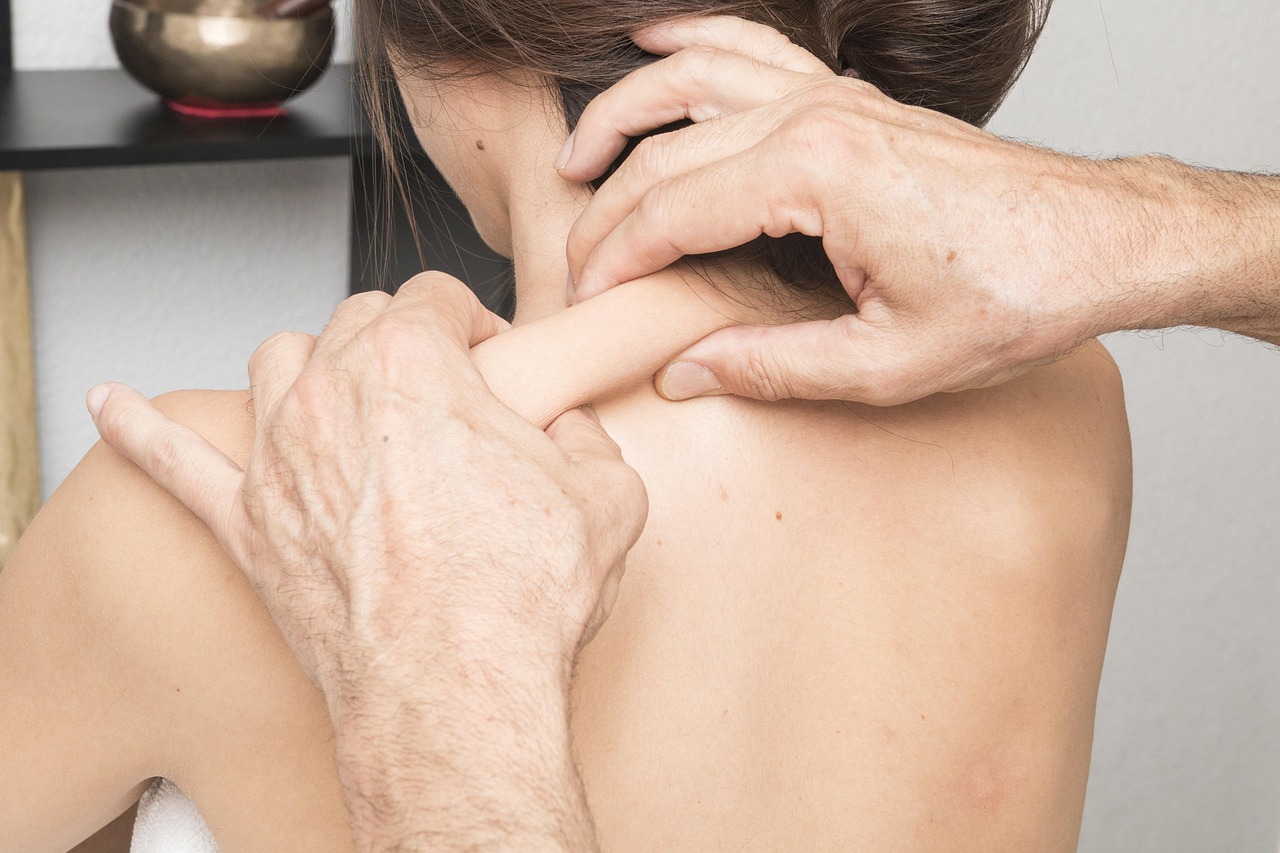
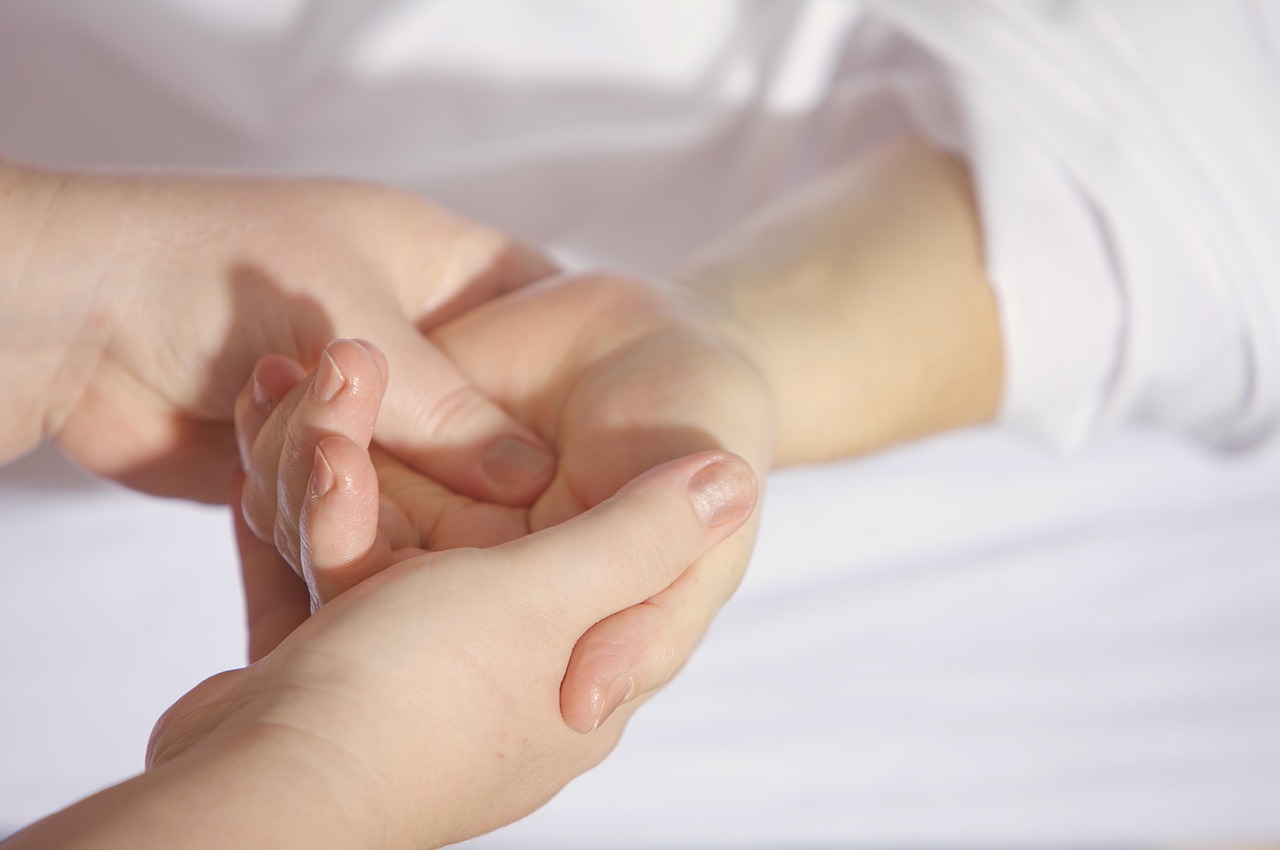
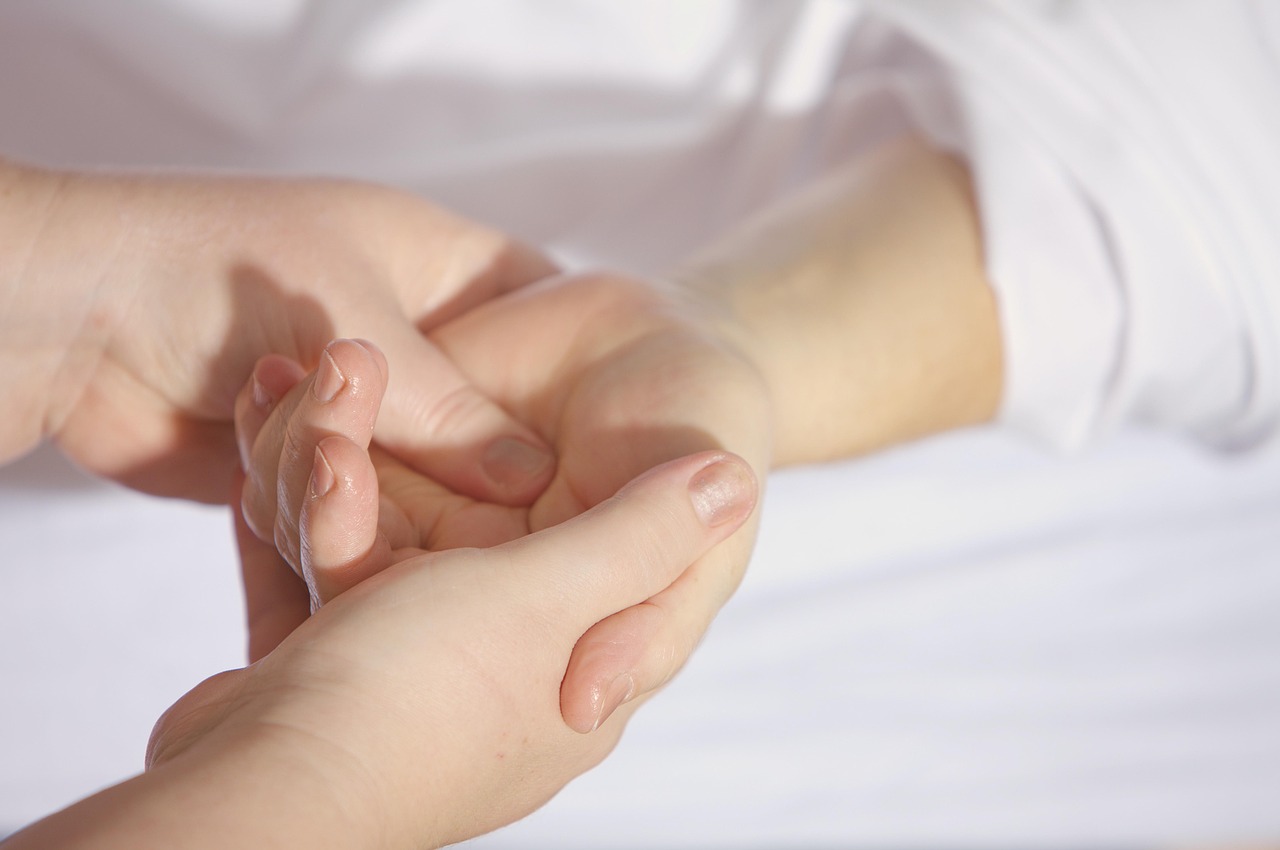
At Recovery Lab of La Verne, CA, we believe recovery works best when clients understand what each wellness method is designed to do. Manual lymphatic drainage is a gentle, specialized technique intended to encourage the flow of lymph fluid throughout the body. It is different from deep-tissue or sports massage, which usually focuses more directly on muscles, knots, and soft-tissue tension.
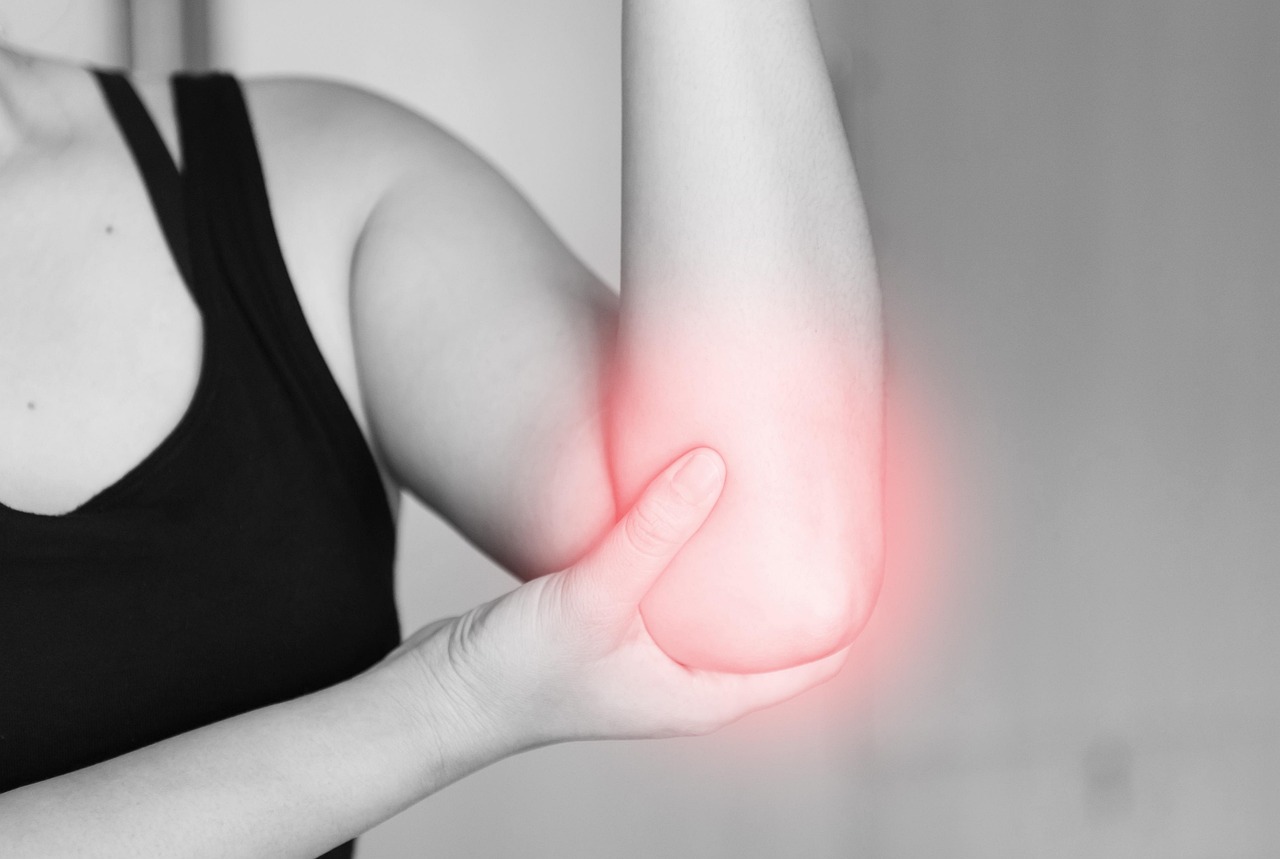
The lymphatic system helps move fluid through tissues and plays a role in immune function, nutrient transport, and fluid balance. After exercise, temporary swelling and tissue stress may leave certain areas feeling heavy or tight. Gentle lymphatic techniques may help move excess fluid toward functioning lymph vessels and nodes, thereby relieving discomfort when fluid buildup contributes to soreness.
Research on lymphatic drainage for athletic recovery is promising but still limited. Small studies have reported improvements in measures such as post-exercise muscle tension, pain, strength recovery, and certain markers of muscle damage. However, results are not strong enough to treat lymphatic drainage massage as a guaranteed shortcut to faster recovery. Responses may also vary based on workout intensity, training history, hydration, sleep, and the reason discomfort developed in the first place.
It is also important to separate muscle soreness from lymphedema. Lymphedema is a medical condition characterized by chronic accumulation of lymphatic fluid in tissues. Manual lymphatic drainage is commonly used in clinical care for the treatment of lymphedema. Still, anyone with diagnosed or suspected lymphedema should work with a qualified medical professional or lymphatic specialist before starting a new recovery routine.
For everyday muscle recovery, the basics still carry most of the workload. Sleep gives the body time to repair. Hydration replaces fluids lost through sweat. Nutrition supports muscle rebuilding. Gentle movement promotes circulation, while proper warmups, cooldowns, and rest periods help manage training stress. Lymphatic drainage may complement those habits rather than replace them.
Our current wellness services take a similar whole-body approach. Mobility stretching may help loosen stiff muscles and improve range of motion. Percussion therapy targets tight areas and muscle knots. Cupping may encourage local circulation and reduce soft-tissue tension. Cryotherapy may help with temporary soreness and swelling. Our site also discusses NormaTec compression, which uses sequential compression around the limbs to support circulation and fluid movement.
This broader approach matters because recovery needs often change from one day to the next. Heavy legs after a long run may call for a different strategy than tight shoulders after strength training. A useful recovery plan should respond to your body instead of forcing every concern into the same service.
Choosing a recovery method should depend on how your body feels and what you are trying to accomplish. Persistent swelling, unexplained pain, skin changes, warmth, redness, or one-sided limb swelling deserve medical evaluation before massage, compression, or other wellness services.
Muscle recovery is rarely about finding one perfect technique. It is about combining useful tools with consistent recovery habits. If soreness, stiffness, or heavy-feeling muscles keep slowing you down, contact Recovery Lab of La Verne, CA. We will help you explore the recovery services available at our La Verne wellness center and discuss which options may fit your goals.