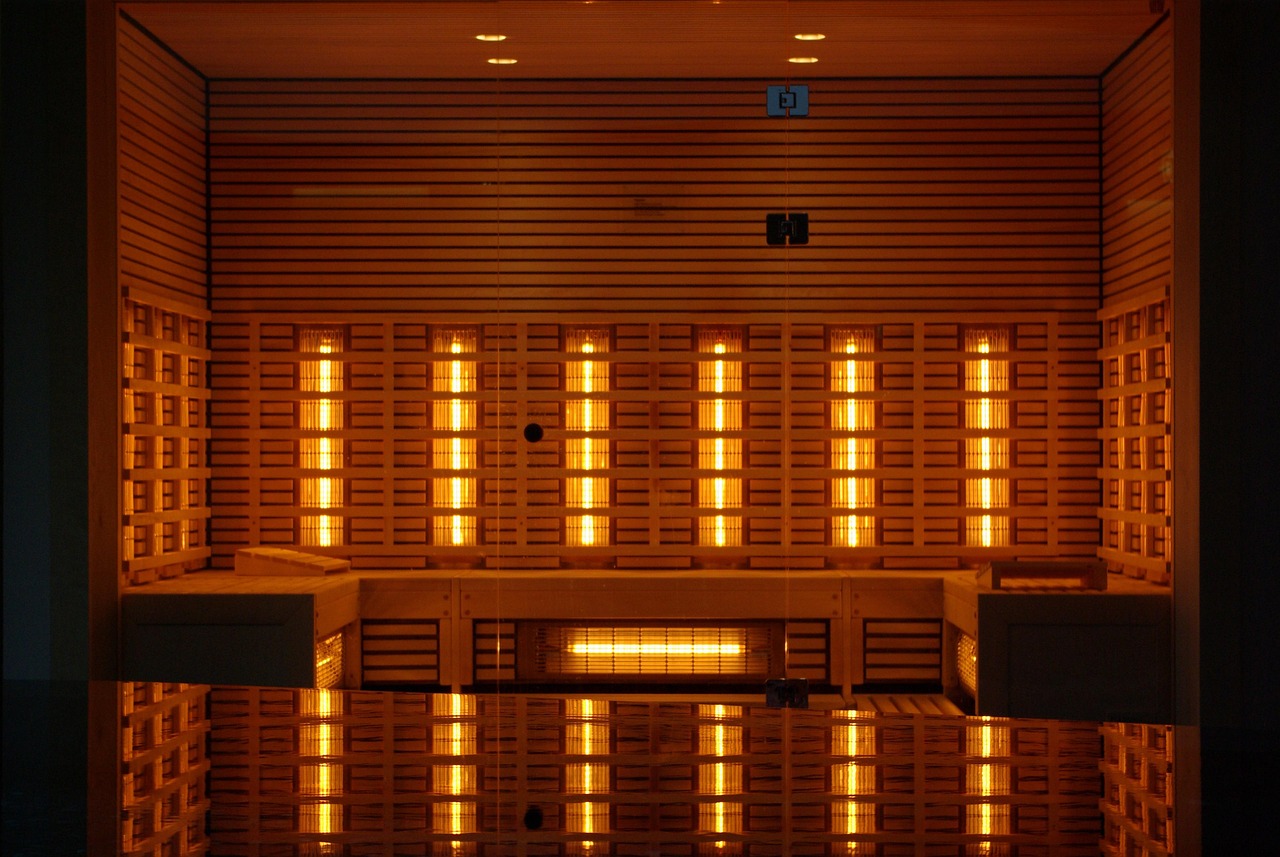
Muscle soreness can turn an ordinary day into a slow-moving one. A hard workout, long shift, weekend project, or extra miles on the trail may leave your body feeling stiff, heavy, and ready for a break. Infrared sauna therapy has become popular among people seeking warmth, relaxation, and relief for tired muscles.
At Recovery Lab of La Verne, CA, we believe good recovery starts with understanding what each wellness tool actually does. Infrared saunas use infrared energy to warm the body while operating at lower air temperatures than many traditional saunas. The heat encourages sweating and increases blood flow, which may help tight or sore muscles feel more relaxed after physical activity.
For muscle recovery, heat can be especially appealing when stiffness is the bigger problem. Increased circulation brings more oxygen and nutrients to working tissues, while warmth may help muscles loosen and feel less guarded. Some people also appreciate the mental side of the experience. Sitting quietly in a warm space gives the nervous system a chance to slow down after a demanding day.
Relaxation matters more than people sometimes realize. Stress often shows up physically through tight shoulders, clenched muscles, poor sleep, or difficulty winding down. A sauna session may offer a simple period of stillness away from screens, work, and training demands. When paired with hydration and sensible recovery habits, this quiet time may help the body and mind shift into a more restful state.
Still, infrared sauna therapy is not a shortcut around recovery basics. Sleep, fluids, balanced nutrition, rest days, and appropriate movement remain essential. Heat may help you feel better, but it does not replace medical care, injury rehabilitation, or a well-designed training plan.
Hydration deserves special attention. Sauna use increases sweating, so drinking water before and after heat exposure is important. Sessions should also stop if you feel dizzy, weak, nauseated, lightheaded, or unusually uncomfortable. People who are pregnant, have heat intolerance, take medications affected by heat, or manage certain heart or blood pressure conditions should speak with a health care provider before using a sauna.
It is also useful to understand how infrared sauna therapy differs from red light therapy. Infrared saunas rely on heat and whole-body sweating. Red light therapy uses red and near-infrared wavelengths, produces little heat, and focuses more directly on cellular activity and targeted recovery support. The two approaches may sound similar, but the experience and goals are different.
Our current La Verne service lineup includes red light therapy, cryotherapy, mobility stretching, hyperbaric therapy, cupping, percussion therapy, and NormaTec compression. These options allow us to help clients address soreness, tightness, mobility, circulation, and post-workout recovery without relying on one method for every concern.
The best recovery approach depends on what your body needs. Heat may feel useful for stiffness and relaxation, while other services may better fit inflammation, restricted mobility, or localized muscle tension.
If sore muscles keep following you from one workout or workday into the next, contact Recovery Lab of La Verne, CA. We will help you explore our available recovery services and build a practical plan around your goals, comfort level, and routine.