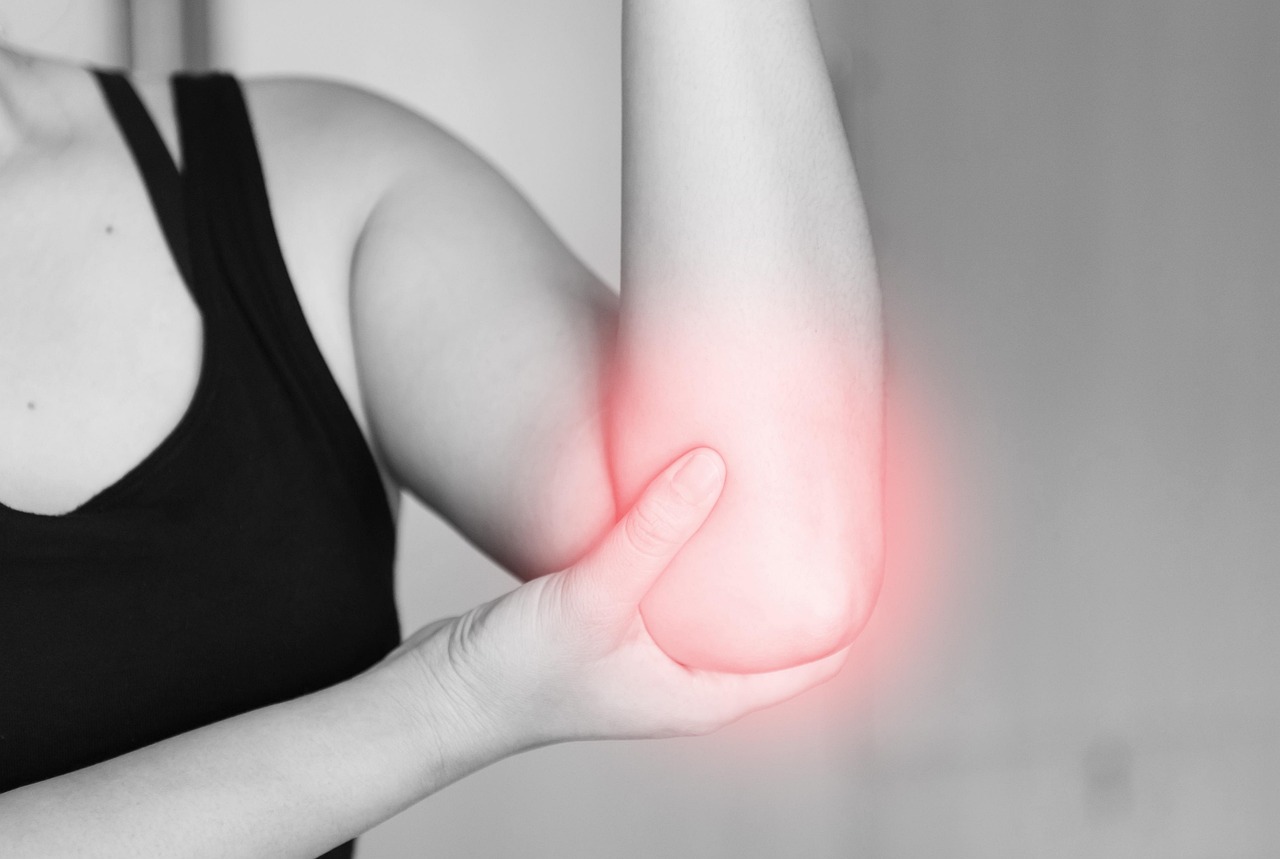
Joint pain can make normal movement feel harder than it should. Stairs, workouts, long drives, yard work, or even getting out of a chair may become uncomfortable when knees, hips, shoulders, wrists, or ankles feel sore. At Recovery Lab of La Verne, CA, we help clients explore recovery options designed to support comfort and movement without promising a one-size-fits-all solution.
Cryotherapy is one option many people consider when joint pain comes with soreness, swelling, or inflammation. Our whole-body cryotherapy sessions use extremely cold, dry air for a short period of time. Unlike an ice bath, there is no water involved, and clients remain dry throughout the session. We also provide protective gloves, socks, and slippers while a Recovery Specialist guides the experience.
Why might cold help? Cold exposure temporarily narrows blood vessels and may help reduce swelling while also dulling pain signals. This can make cryotherapy appealing after demanding workouts, repetitive activity, or periods when joints feel irritated. Recovery Lab also offers localized cryotherapy for clients dealing with discomfort in a specific area rather than widespread soreness.
Joint pain has many possible causes, though, so understanding the bigger picture matters. Repetitive motion, athletic training, aging, injuries, inflammatory conditions, and infections may all contribute to joint discomfort. If the pain is new, severe, worsening, or paired with redness, fever, major swelling, weakness, or an injury, medical evaluation should come first.
For ongoing soreness, cryotherapy may fit alongside other wellness services. Our joint pain options include red light therapy, hyperbaric oxygen therapy, and cupping. Each service works differently. Red light therapy focuses on light-based cellular support. Cupping encourages circulation and may reduce tension around a sore joint. Hyperbaric therapy uses increased pressure and oxygen availability to support the body’s natural healing processes.
Movement still plays an important role. Gentle exercise, stretching, and maintaining strength around a joint may help reduce stiffness and support function. Cryotherapy should complement healthy movement and recovery habits rather than replace them. Sleep, hydration, nutrition, and appropriate rest also influence how your body responds after activity.
What should you expect from a cryotherapy visit? Sessions are brief, but the chamber gets extremely cold. Clients often describe feeling chilled or tingly during the experience. Our Recovery Specialists explain the process beforehand, provide protective gear, and help keep each session safe and comfortable. If you have circulation concerns, nerve problems, uncontrolled blood pressure, heart conditions, or another medical issue, ask your health care provider whether extreme cold exposure is appropriate for you.
A trusted wellness center should also be willing to say when a service may not be the right fit. Joint pain is a symptom, not a diagnosis. Our role is to help you understand the recovery tools available and use them responsibly alongside medical care when needed.
If joint soreness keeps interfering with exercise, work, or everyday movement, contact Recovery Lab of La Verne, CA. We will discuss your goals, explain our cryotherapy options, and help you decide whether cold therapy belongs in your recovery routine. We keep recommendations practical, measured, and personal.