Muscle soreness does not always stay where it starts. A hard workout may leave your calves tight, your shoulders knotted, or your legs feeling heavy the next morning. For active adults in Claremont, percussion therapy offers a focused way to work on sore muscles without scheduling a long massage session.
At Recovery Lab of La Verne, CA, our percussion therapy uses a handheld device designed to deliver rapid, repeated pressure into muscle tissue. The motion combines vibration with a deeper pulsing action, which may help tight areas relax and feel less restricted. Our Recovery Specialists control the angle and pressure, so the session can focus on specific muscles instead of treating every area the same way.
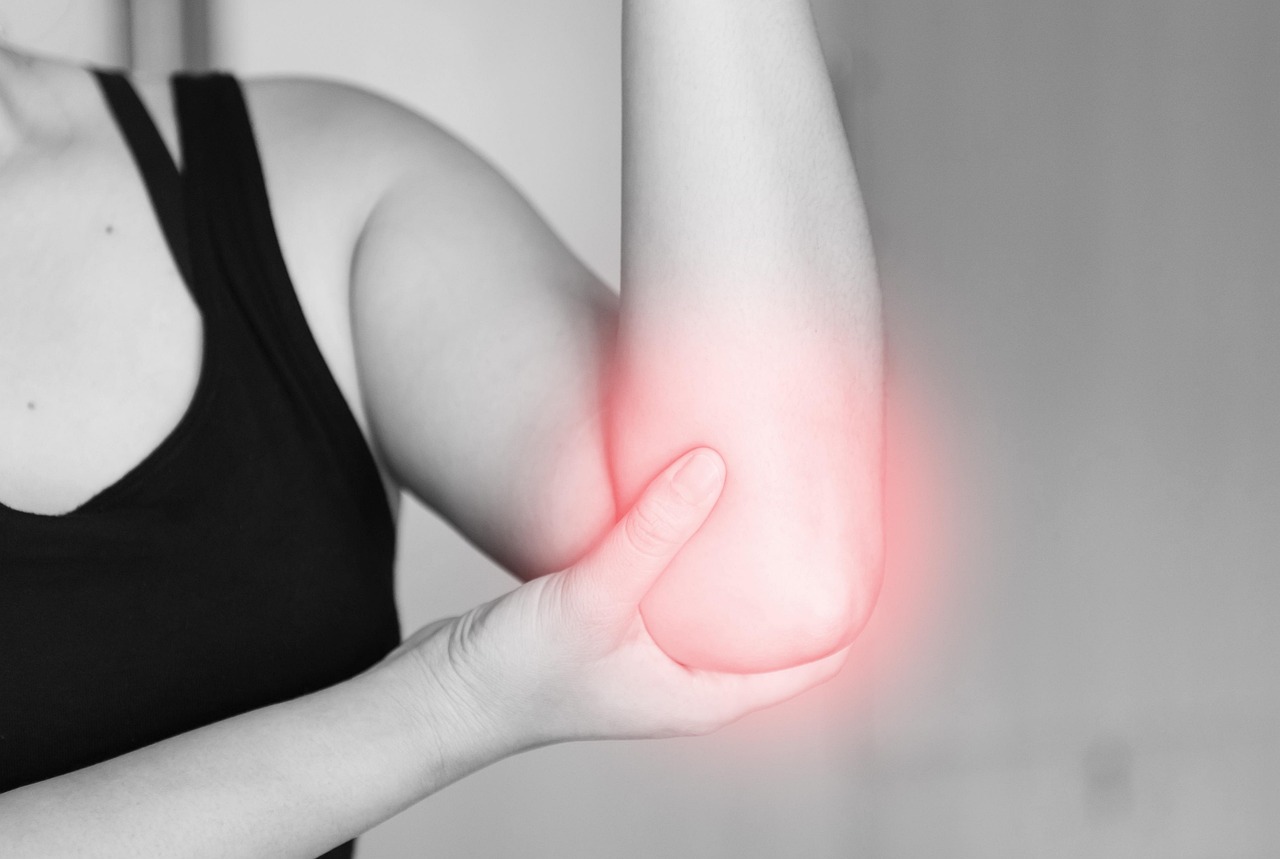
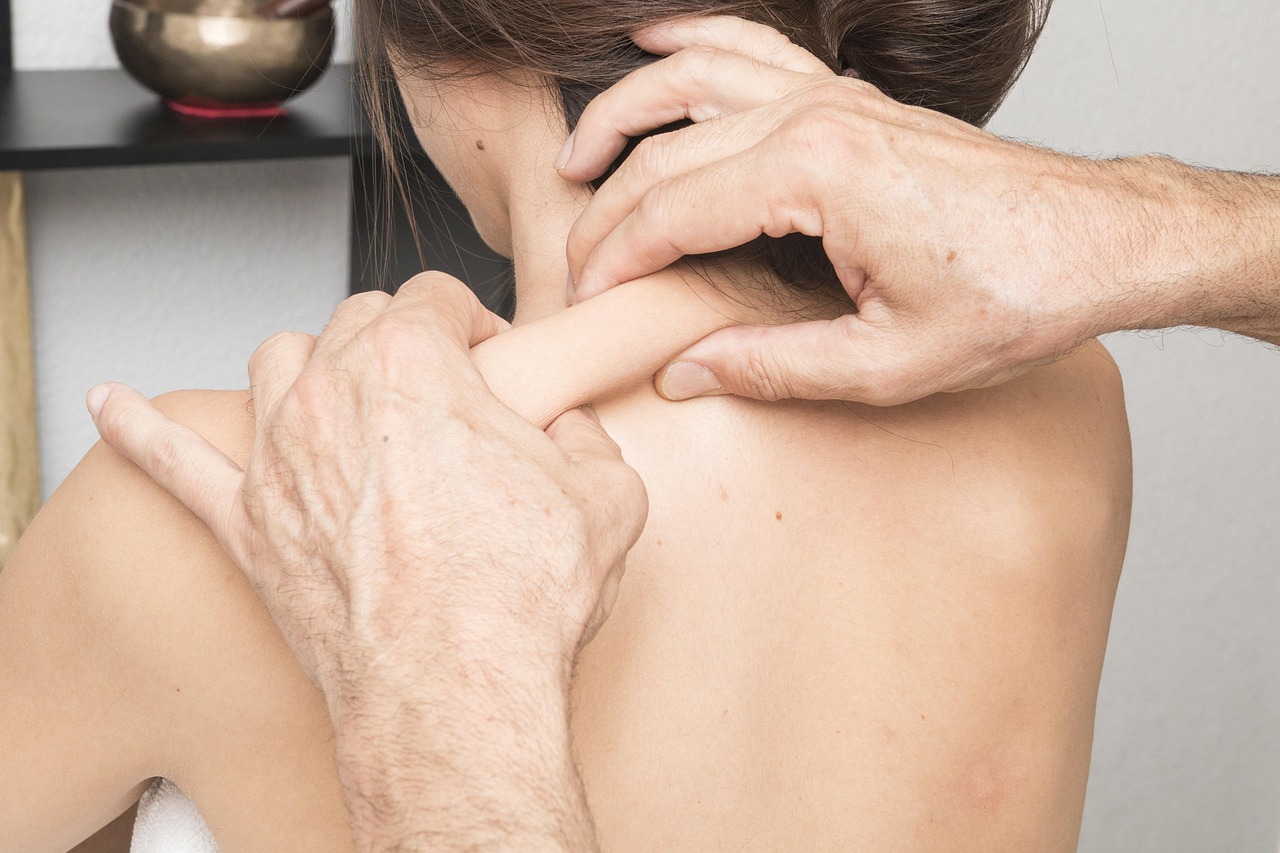
Why does this matter for soreness and tension? Muscles often tighten after strenuous exercise, repetitive movement, prolonged sitting, or physical labor. Stress may also lead people to hold tension in the neck, shoulders, and back. When muscles stay tight, everyday movement can feel stiff or uncomfortable.
Percussion therapy may help by temporarily increasing local circulation and working through areas of muscle tightness. Research on massage guns suggests short-term improvements in flexibility and range of motion are possible. Some studies also report reduced musculoskeletal pain with repeated use. However, results vary, and newer research has not found consistent benefits for delayed-onset muscle soreness or strength recovery after hard exercise.
This is why we keep expectations practical. Percussion therapy is a recovery tool, not a cure. A session may help muscles feel warmer, looser, or less tense, but sleep, hydration, nutrition, rest, and appropriate training still do much of the long-term recovery work.
Your session begins with a conversation. We ask which muscles feel sore, where tension tends to build, and whether you are using percussion therapy before or after activity. A Recovery Specialist then applies the percussion device while adjusting position, angle, and pressure as needed. Working over a stubborn knot may feel temporarily uncomfortable, similar to focused massage pressure, but you should always speak up if the sensation becomes too intense.
Timing also matters. Before activity, lighter percussion may help muscles feel warm and mobile. After activity, some people use it for stiffness or tightness. Research has not established one perfect protocol for everyone, so more pressure or longer treatment is not automatically better.
Percussion therapy may also work alongside other services. Mobility stretching may help when restricted range of motion contributes to discomfort. Cupping may support circulation around tight soft tissue. Red light therapy may support inflammation management and tissue recovery, while cryotherapy may help with temporary soreness after demanding activity.
Not every pain belongs under a massage gun. Sharp pain, major swelling, bruising, numbness, weakness, or symptoms following a serious injury deserve medical evaluation first. Percussion should also be avoided directly over bones, open wounds, or areas where your health care provider has advised against deep pressure.
If sore muscles and recurring tension keep interfering with workouts, work, or daily movement, contact Recovery Lab of La Verne, CA. We serve clients from Claremont and surrounding communities and will help you decide whether percussion therapy fits your recovery routine.