Numbness, tingling, burning, or weakness can make people wonder whether better circulation and oxygen delivery might help irritated nerves recover. At Recovery Lab of La Verne, CA, we offer hyperbaric oxygen therapy as one recovery option, but nerve symptoms deserve a careful approach because the cause matters.
Hyperbaric oxygen therapy, often called HBOT, involves resting inside a pressurized chamber while breathing in an oxygen-rich environment. The increased pressure allows more oxygen to dissolve into the bloodstream and reach tissues. Our La Verne hyperbaric service focuses on improved oxygen delivery, circulation, and recovery support.
For healing, oxygen matters because injured tissues need it for cellular repair, nutrient delivery, and normal recovery processes. Medical hyperbaric therapy is already used for selected difficult-to-heal wounds, certain infections, crush injuries, and other approved conditions where tissue oxygenation plays an important role. This does not mean every injury or nerve complaint will improve with HBOT.
Research on peripheral nerve injuries is encouraging but still developing. Clinical and laboratory studies have explored whether increased oxygen delivery may support nerve regeneration after certain traumatic injuries or surgical nerve repair. Some studies have reported faster recovery or improved nerve function, yet researchers still call for larger, well-designed trials. In other words, HBOT shows promise in specific nerve-injury settings, but it is not an established treatment for every type of neuropathy, numbness, or nerve pain.
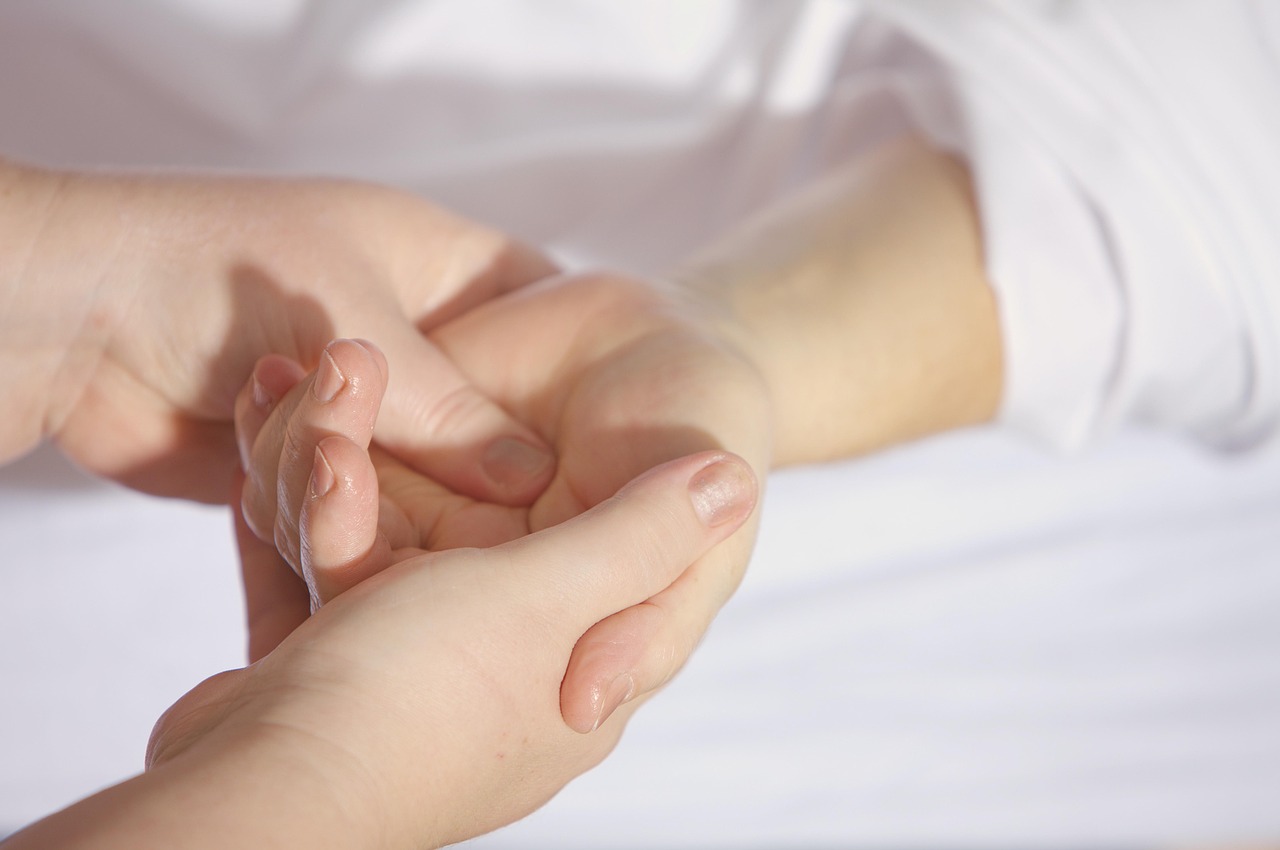
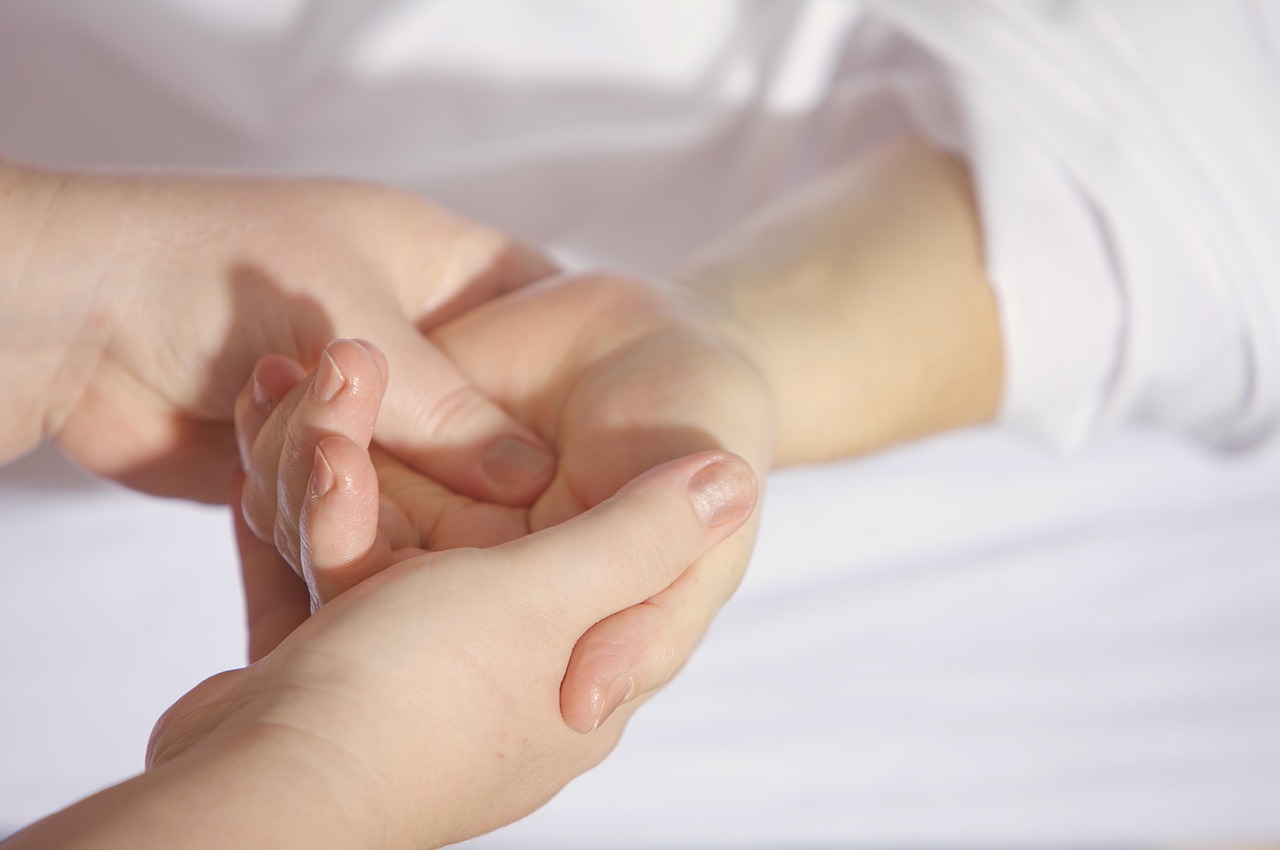
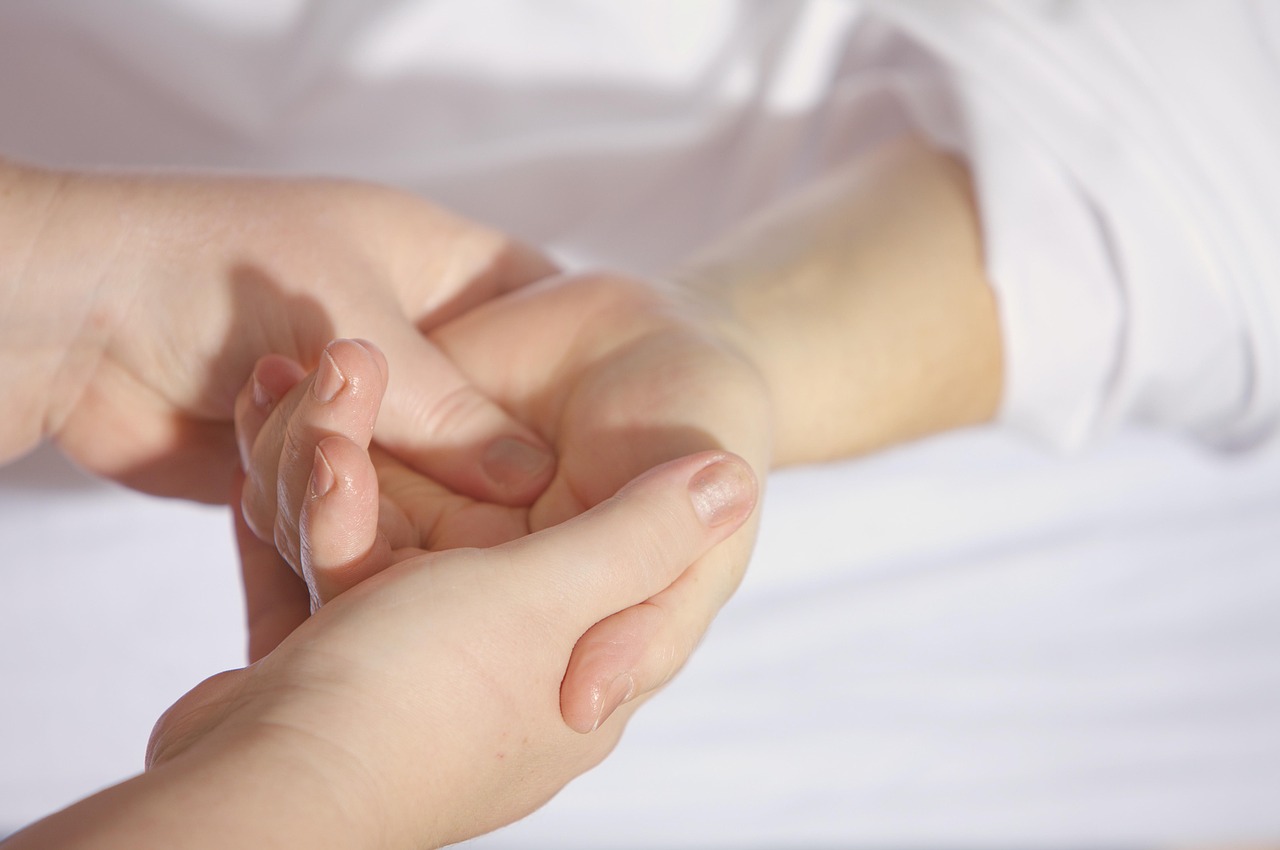
This distinction is important. Nerve symptoms can come from diabetes, a pinched nerve, spinal problems, repetitive strain, trauma, vitamin deficiencies, infections, medication effects, or other medical conditions. A wellness session cannot identify the cause. If you have new numbness, progressive weakness, loss of coordination, severe pain, changes in bladder or bowel control, or symptoms after a serious injury, seek medical evaluation promptly.
For clients who have already discussed their condition with a health care provider, hyperbaric therapy may become one part of a broader recovery routine. During a session, you lie down and breathe while the chamber gradually pressurizes. Many people notice pressure in their ears, much like airplane travel. Our trained Recovery Specialists explain the process, help you get comfortable, and monitor the equipment.
Safety also deserves attention. Increased pressure may not be appropriate for everyone, including people with certain ear problems or a history of collapsed lung. Hyperbaric treatment may also cause ear or sinus discomfort, temporary vision changes, or, rarely, more serious complications. Medical guidance is especially important when HBOT is being considered for a diagnosed condition.
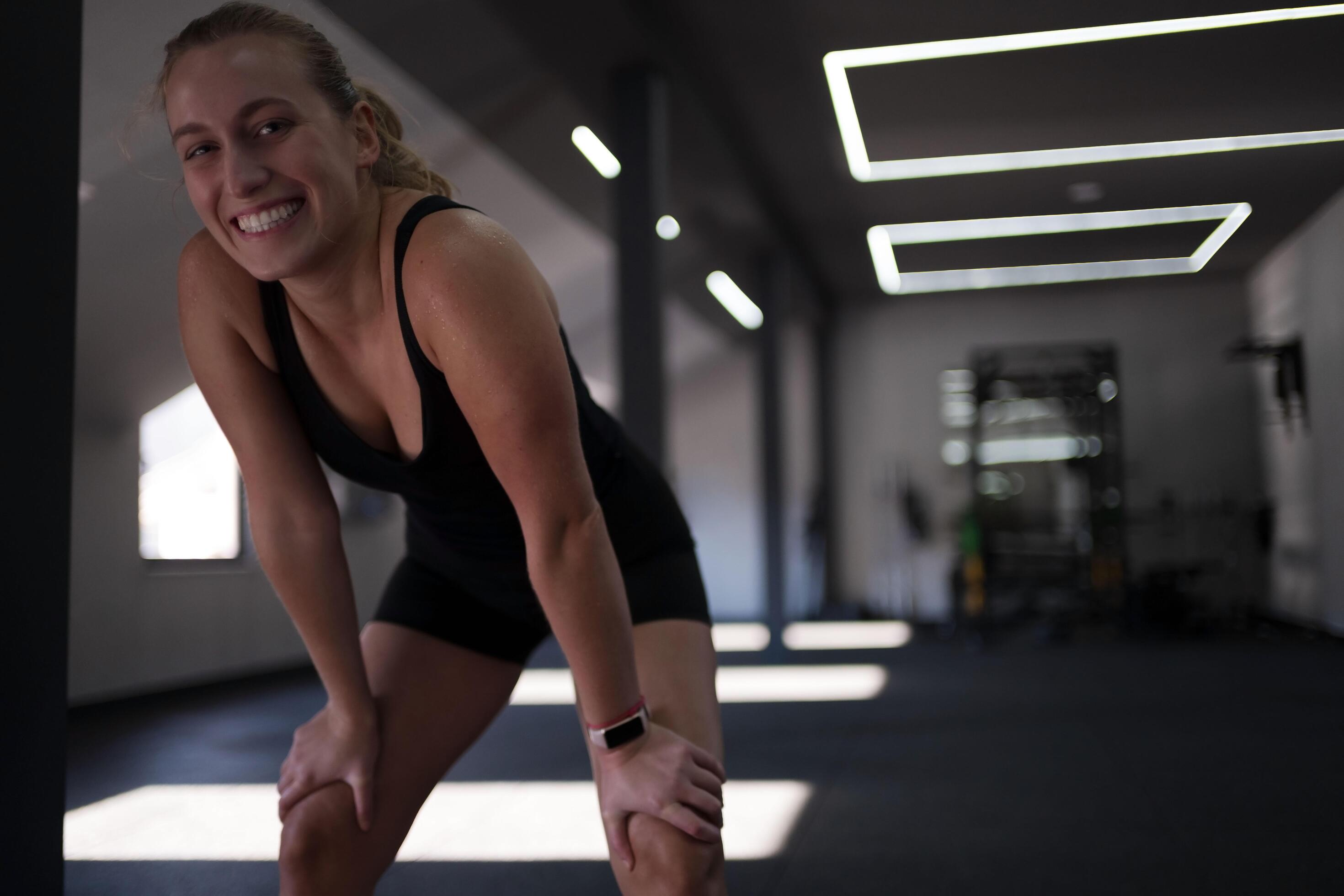
Recovery rarely depends on one tool. At our La Verne facility, hyperbaric therapy may be combined with other wellness services based on your goals. Mobility stretching may help with restricted movement, red light therapy may support tissue recovery, and cryotherapy may help manage soreness or inflammation.
If nerve-related discomfort or slow healing is affecting your routine, start with the cause, not the promise of a quick fix. Contact Recovery Lab of La Verne, CA, to learn how hyperbaric therapy works and discuss whether it may fit alongside your current medical and recovery plan. Our team will answer your questions before you begin.