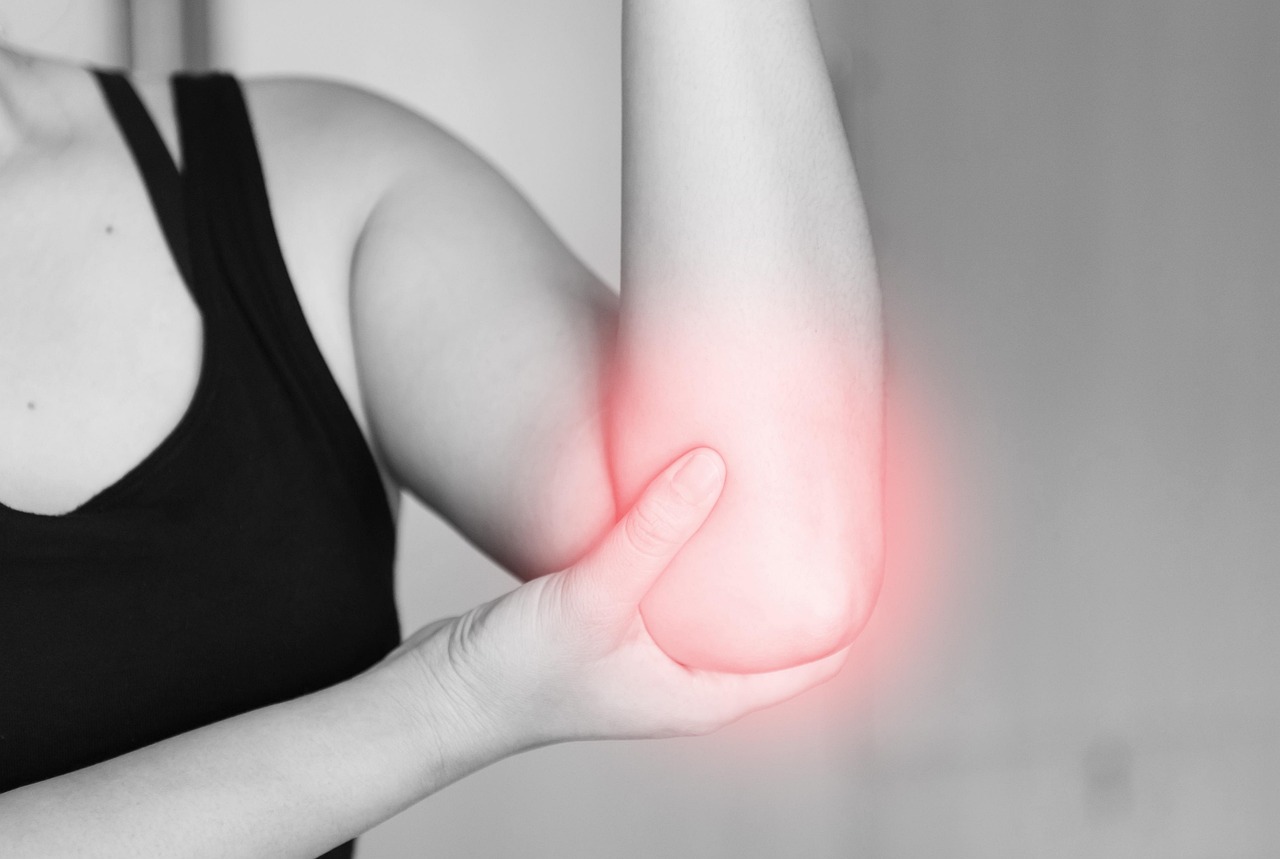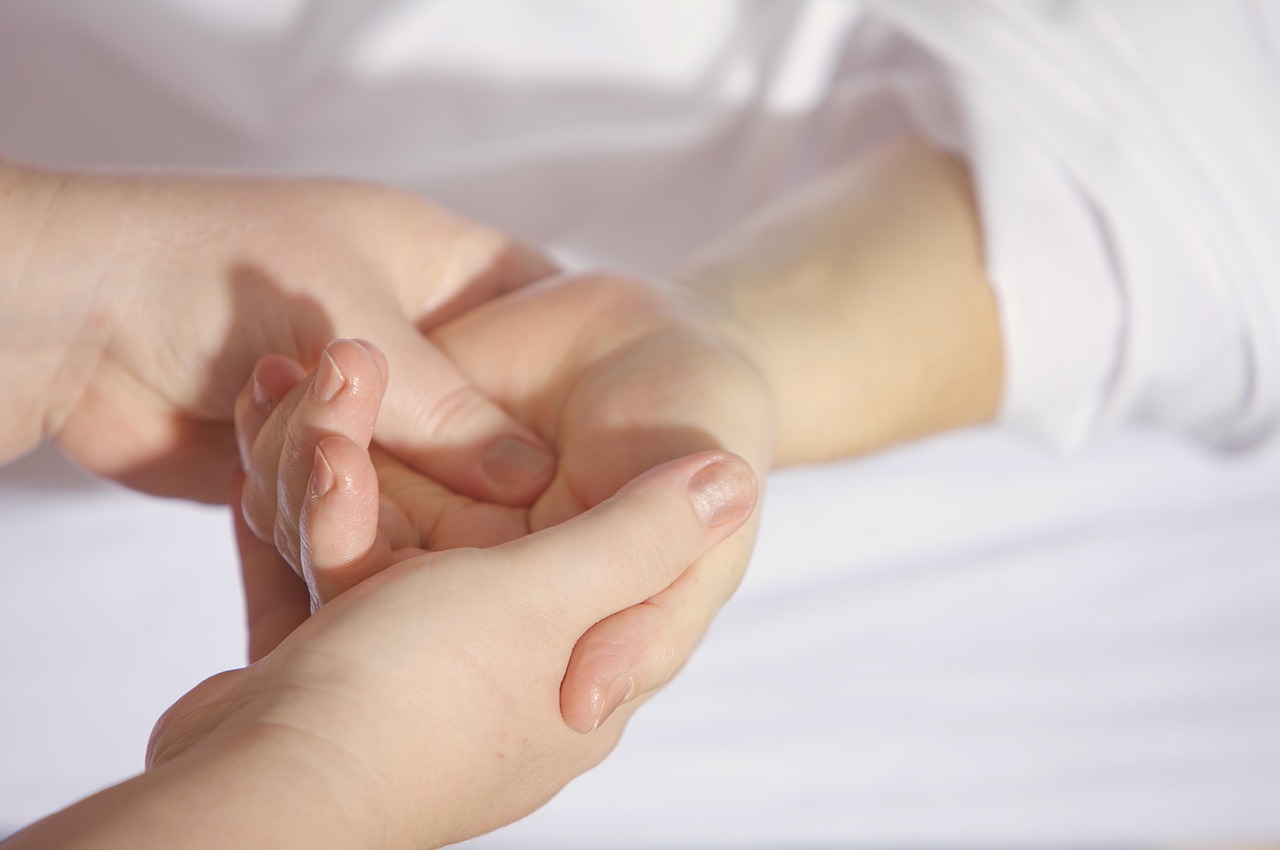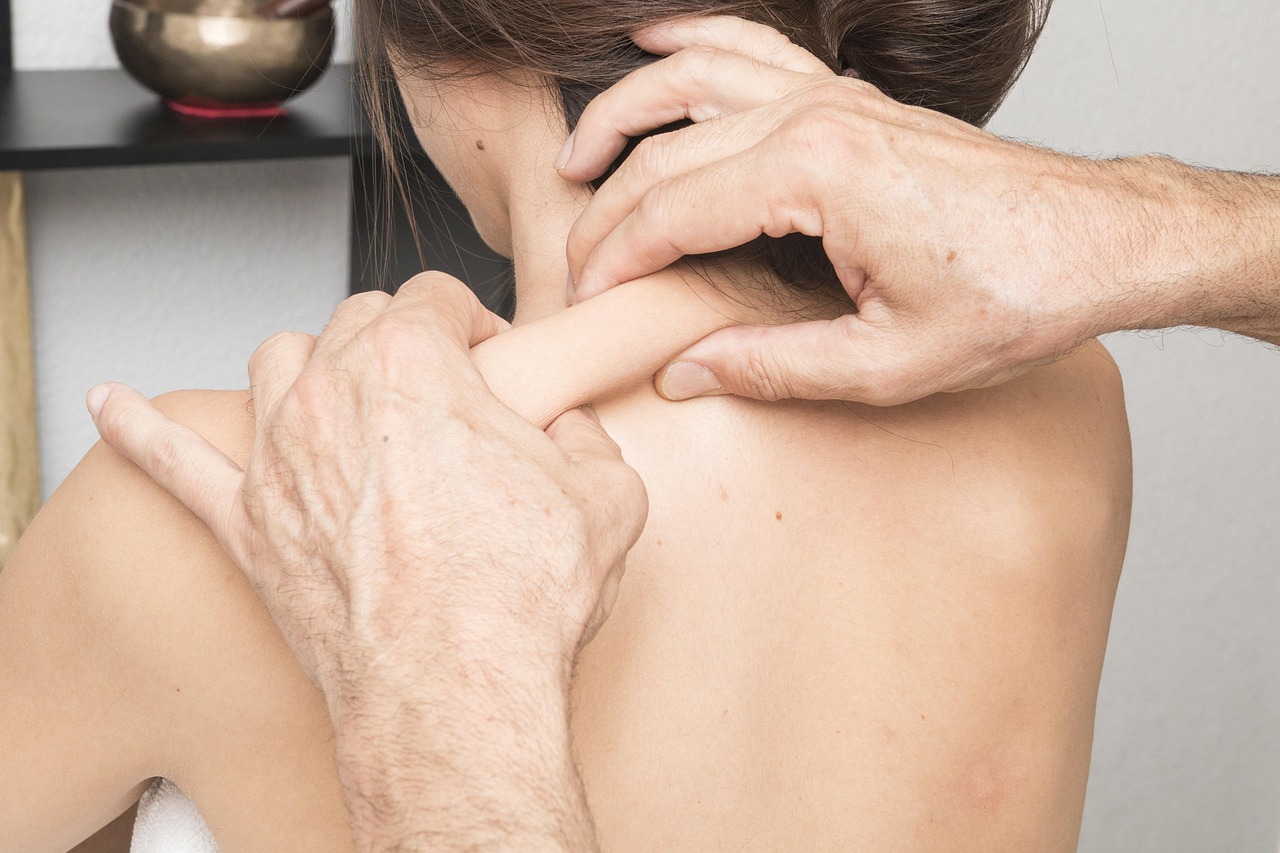
Chronic muscle pain can make normal movement feel like work. Tight shoulders, aching legs, stubborn knots, or back soreness may interfere with sleep, exercise, and everyday routines. For many people in Claremont, deep tissue massage is a logical place to start because it focuses on the deeper layers of muscle and connective tissue.
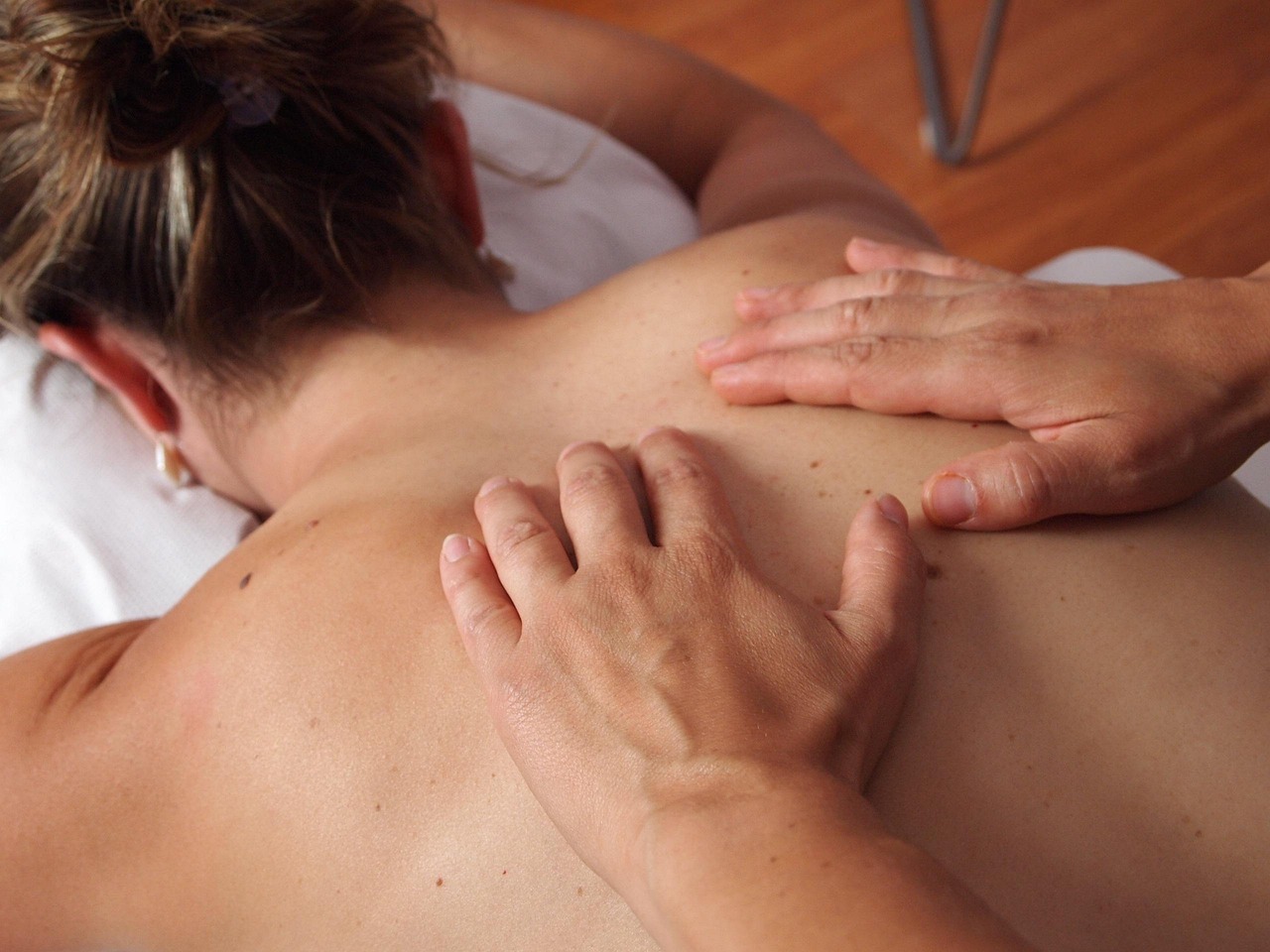
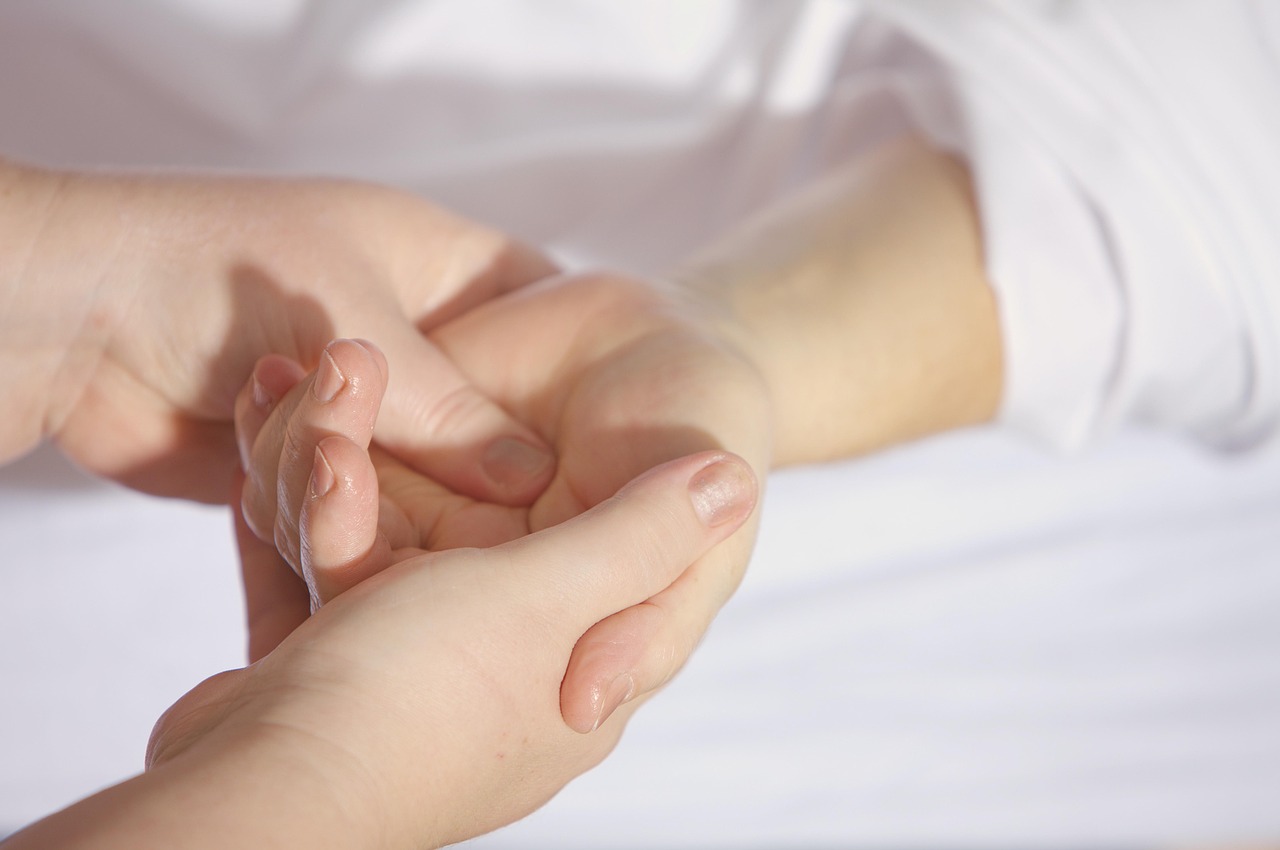
Deep tissue massage uses slower strokes and firmer pressure than many relaxation-focused massage styles. The goal is to work through areas of tension, stiffness, and restricted tissue. Some people find this approach helpful for short-term relief from sore or overworked muscles, especially when discomfort is tied to tightness or repetitive activity.
Still, deep tissue massage is not a guaranteed long-term fix for chronic muscle pain. Research on massage for persistent pain shows possible short-term benefits in some conditions, but evidence varies depending on the source of pain. Chronic discomfort may come from repetitive strain, old injuries, posture, limited mobility, overtraining, stress, or an underlying medical condition. Lasting improvement often requires more than one technique.
At Recovery Lab of La Verne, CA, deep tissue massage is not currently listed among our core services. Instead, we offer several recovery options designed to address concerns often connected with chronic muscle pain. For Claremont clients seeking hands-on or targeted recovery support, percussion therapy, cupping, and mobility stretching may be useful alternatives, depending on the problem.
Percussion therapy uses rapid, focused pulses to work into tight muscles and areas where knots develop. Our service is designed to support myofascial release, reduce stiffness, and help muscles feel more relaxed. For someone who likes the targeted feel associated with deeper bodywork, percussion therapy may provide a practical option without a traditional massage session.
Cupping approaches muscle tension differently. Cups create negative pressure, gently lifting skin, fascia, and soft tissue instead of pressing downward. This may encourage local circulation and help loosen areas where muscles and connective tissue feel restricted. Mobility stretching takes a different approach, focusing on range of motion, flexibility, and movement restrictions.
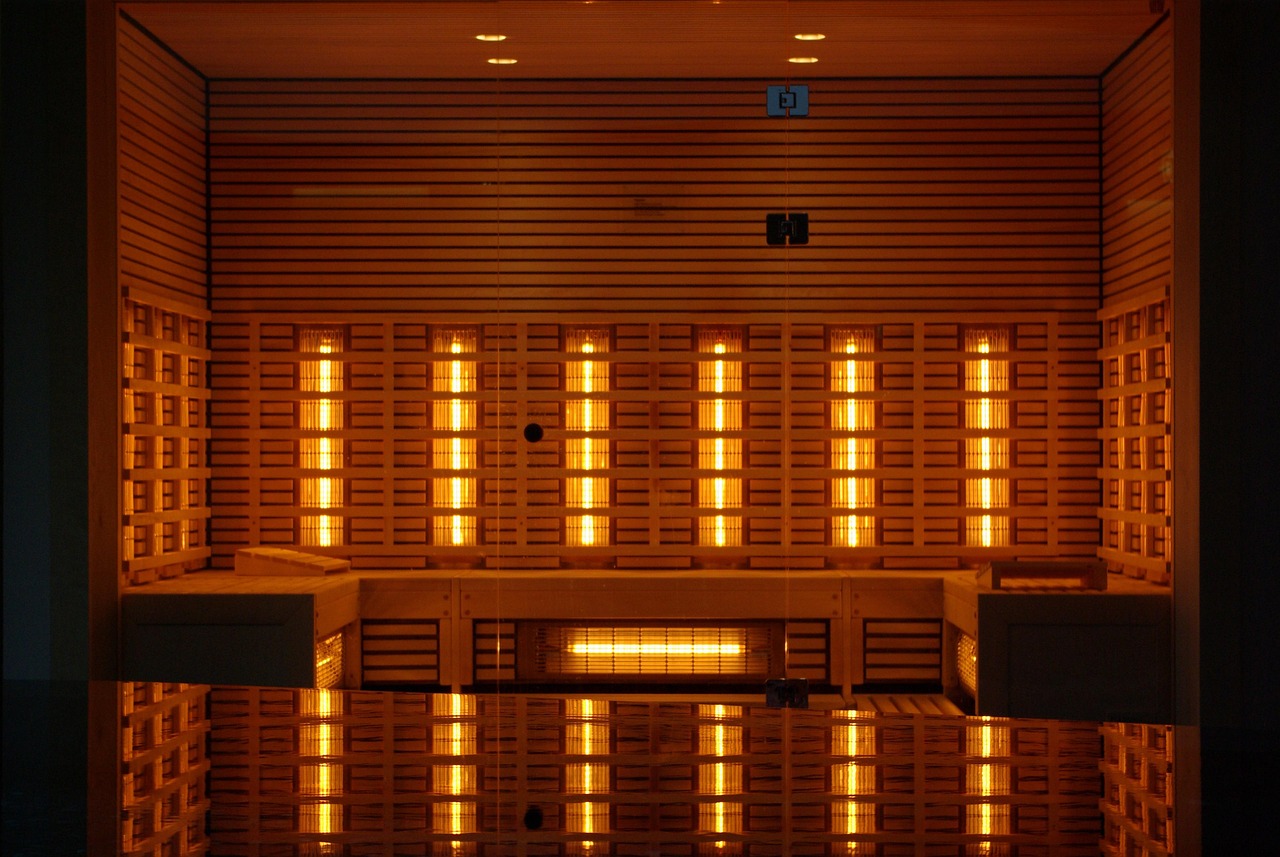
Red light therapy and cryotherapy may also fit a broader recovery plan. Red light therapy uses specific wavelengths of light to support cellular activity and recovery, while cryotherapy uses brief cold exposure to help manage temporary soreness and inflammation. The right combination depends on how your pain feels, how long it has lasted, and what activities tend to make it worse.
Chronic pain deserves extra attention. New pain, worsening symptoms, weakness, numbness, major swelling, fever, or pain following a serious injury should be evaluated by a health care provider. Deep pressure massage also may not be appropriate for people with certain bleeding disorders or those taking anticoagulant medications.
Our goal is not to push one recovery method as the answer for every aching muscle. We want to help you understand your options and choose services suited to your comfort, activity level, and goals.
If chronic muscle pain keeps limiting your workouts, workdays, or favorite activities, contact Recovery Lab of La Verne, CA. We will discuss what you are experiencing and help you explore recovery services available for clients from Claremont and surrounding communities.