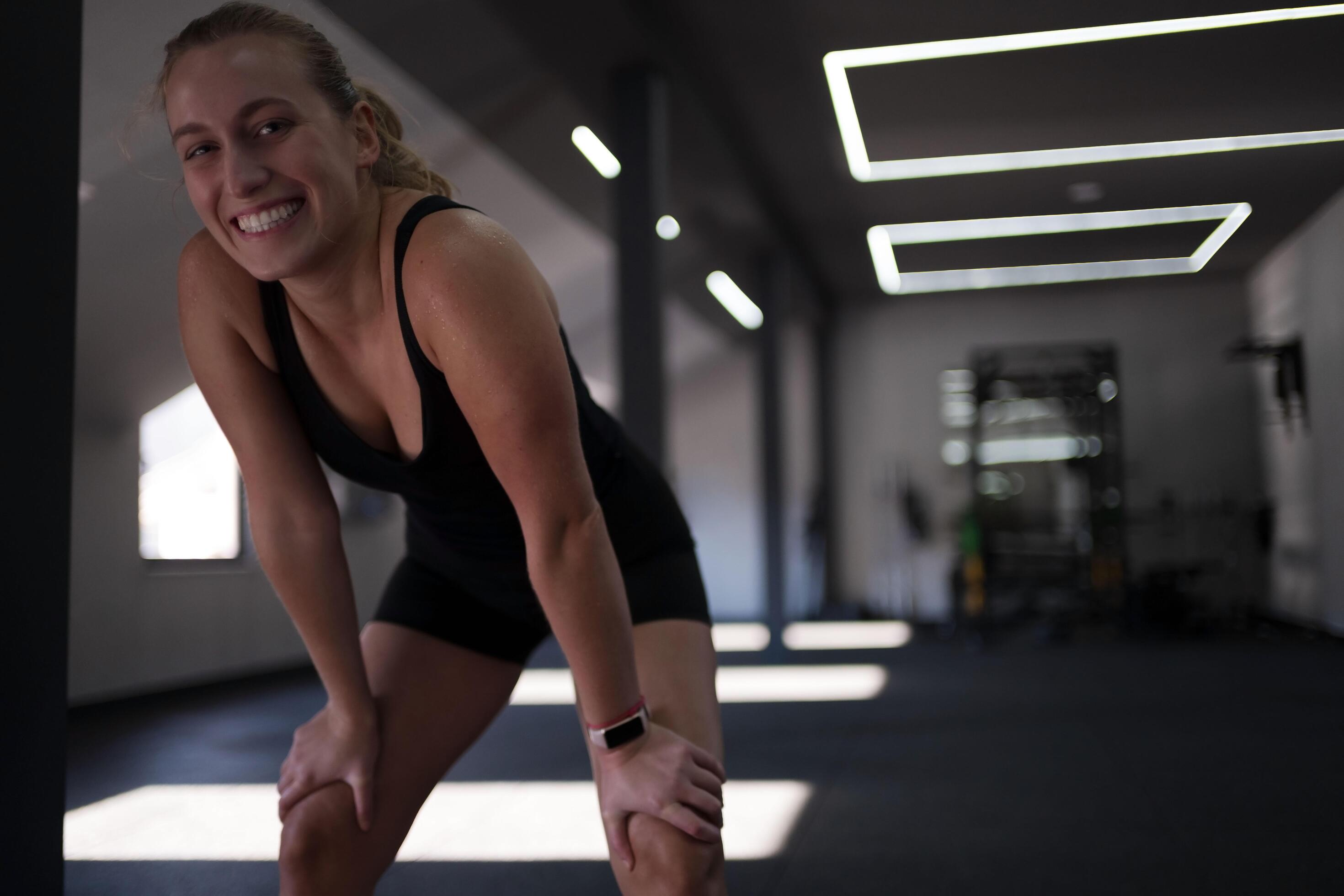
After a hard workout, your body usually gives you a report before your mind gets a vote. Legs feel heavy. Shoulders tighten. Joints feel cranky. Even simple movements, such as getting out of the car or walking up the stairs, may feel harder than expected. At Recovery Lab of La Verne, CA, we work with athletes, active adults, and weekend warriors who want to recover well enough to keep moving.
So, can cryotherapy really help you recover faster? For many people, it may support short-term recovery by easing soreness, calming inflammation, and helping the body feel less beat up after intense activity. However, it is not a magic reset button. Recovery still depends on sleep, hydration, nutrition, smart training, mobility work, and enough rest between hard sessions.
Cryotherapy uses cold, dry air for a short period. Unlike an ice bath, you do not sit in water or leave soaked afterward. During a whole-body cryotherapy session, you step into a cold chamber while our team helps you stay safe, prepared, and comfortable. We provide protective items such as gloves, socks, and slippers, and a Recovery Specialist will explain the process before you begin.
The main reason clients choose cryotherapy after workouts is simple: soreness gets in the way. Delayed-onset muscle soreness, localized swelling, tight muscles, and temporary joint irritation may all slow your routine. Cold exposure may help dull discomfort and reduce swelling by changing blood flow during and after the session. Many people feel looser, lighter, or more refreshed afterward.
Timing matters. If your goal is to build strength, your body needs part of its natural repair process. Some inflammation is part of how muscles adapt after training. For this reason, cold therapy may not be necessary after every lift, run, or class. If your goal is short-term comfort before another practice, event, workday, or active weekend, cryotherapy may fit your plan.
This is where guidance helps. Our team will talk through your goals, activity level, soreness pattern, and comfort with cold therapy. A runner training for longer distances may use cryotherapy differently than someone recovering from a high-intensity class or a parent trying to bounce back after a weekend tournament.
Safety also matters. Whole-body cryotherapy is brief, but the cold is intense. Clients should tell us about circulation concerns, nerve issues, heart problems, uncontrolled blood pressure, pregnancy, recent surgery, or any medical condition before starting. When needed, we recommend speaking with a health care provider first. Better recovery should never come at the expense of common sense.
Cryotherapy also works best as part of a wider recovery routine. Mobility stretching may help improve the range of motion. Percussion therapy may help reduce muscle stiffness. Red light therapy may support tissue recovery and help control inflammation. Compression, hydration, and rest also matter because recovery is rarely one single thing.
If post-workout soreness keeps interrupting your routine, contact Recovery Lab of La Verne, CA. We will help you decide whether cryotherapy is part of your recovery plan and walk you through what to expect before your first session.