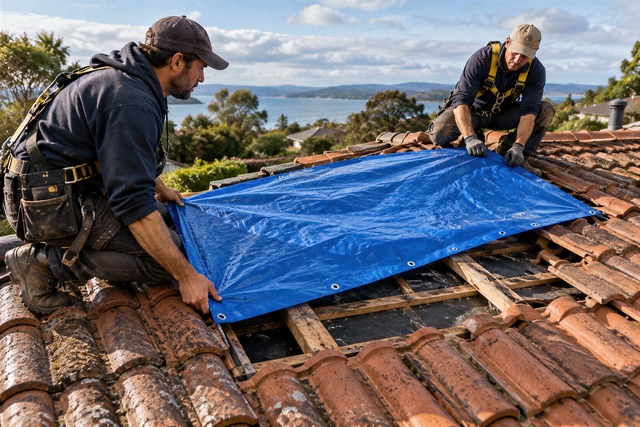
 PRG Roofing & Construction Inc. in Fort Myers builds and services built-up roofs on flat commercial buildings across Bonita Springs and the wider Southwest Florida area. The sections below walk through how the system is assembled and where its margin shows on a real building. They also cover what we settle before the plies go down, because a built-up roof only performs over a deck that drains.
What Is A Built-Up Roof?
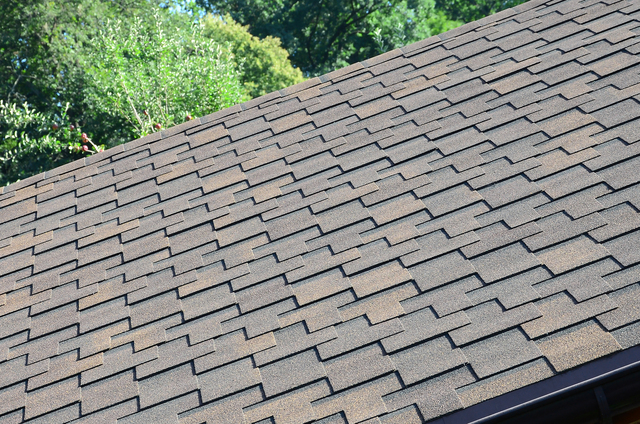
A built-up roof is assembled on site from layers. A base sheet anchors to the deck, several interply sheets of reinforcement and bitumen bond over it, and a cap sheet or a flood coat of bitumen with gravel or granule surfacing finishes the top. The result is one thick membrane made of many plies, which is where the older name, built-up, comes from. Each ply adds another continuous barrier over the deck, and the surfacing shields the plies below from the sun.
Why Do The Layers Matter On A Flat Roof?
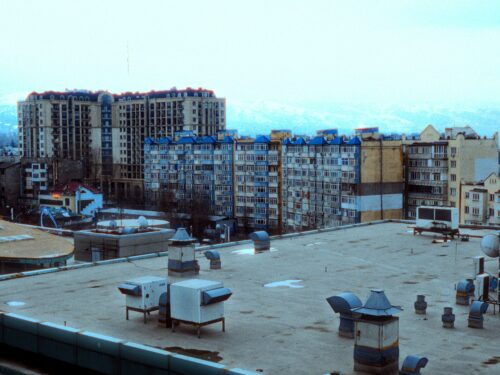
A cut or a blister in the top ply of a built-up roof is not yet a leak, because the plies beneath it still carry water to the drains. On a single-ply system, a puncture at the wrong spot reaches the deck in one step. The built-up roof leaves a building with margin, a stretch of time between surface damage and interior water, and that margin is what a property manager is buying. On a flat roof that a hailstone, a dropped tool, or a dragged condenser can nick, the extra plies keep one bad moment from becoming a tenant-space flood.
How Does It Handle Foot Traffic And Ponding?
Rooftop equipment means people on the roof, and a flat roof collects standing water after every hard Bonita Springs rain. A built-up roof takes both because the plies and the gravel or cap surfacing spread foot loads and shield the membrane from ultraviolet light and ponding wear. The surfacing also armors the roof against the daily heat cycle, when a Fort Myers-area rooftop climbs past 150 degrees in the afternoon and drops sharply overnight.
How Is The Roof Verified Before It Goes Down?
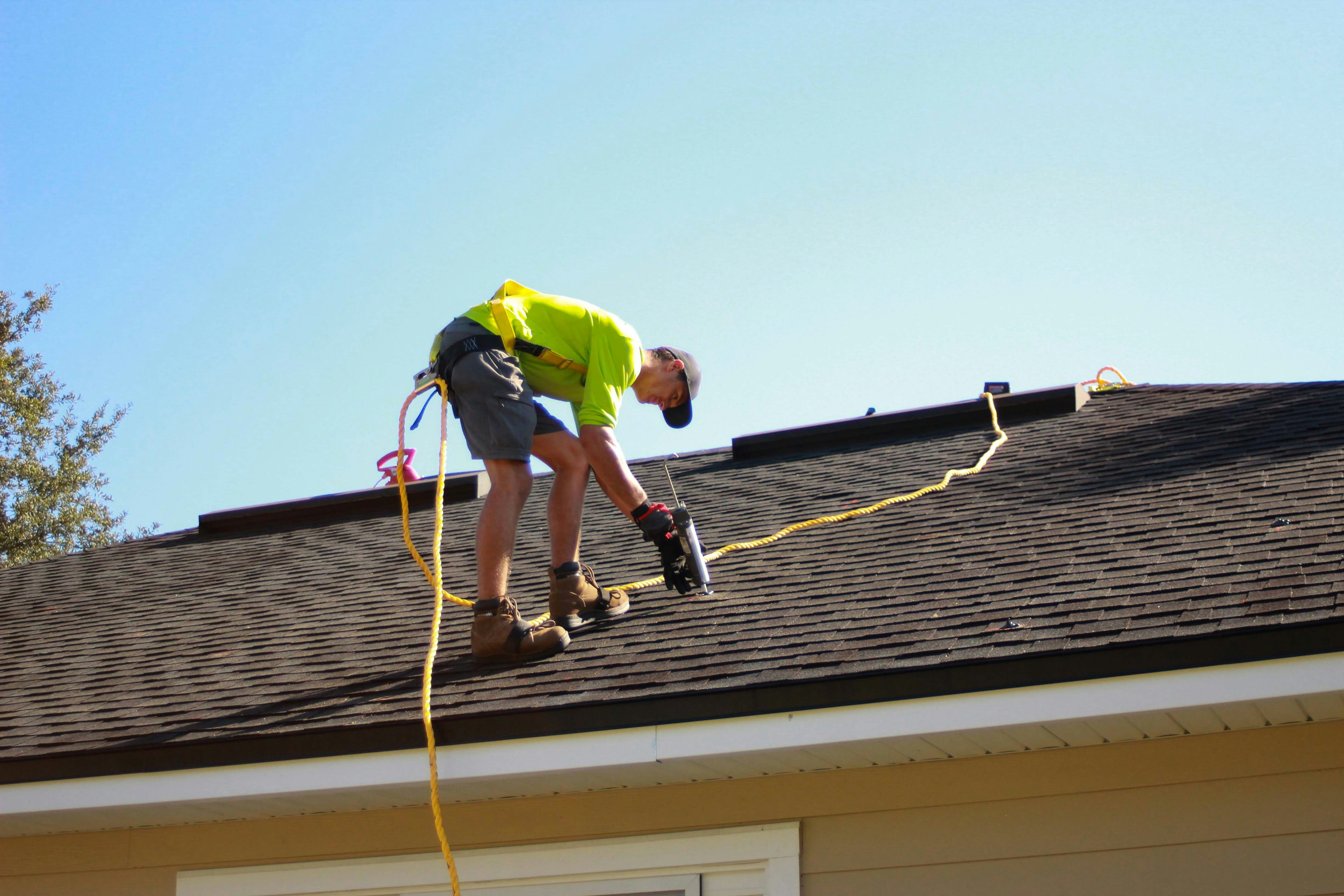
Redundancy only helps a roof that drains. Before any plies go on, our crew runs a laser slope check across the field and a live water flow test to confirm water reaches the drains instead of sitting on the membrane. The deck itself is read with a pin moisture meter, and any panel the meter readsover 18% moisture comes out before the base sheet is anchored, because fasteners driven into saturated sheathing work loose within a season. The drainage and the deck are settled first, so the layers go down over a sound, draining surface.
What Does The Code And Documentation Path Cover?
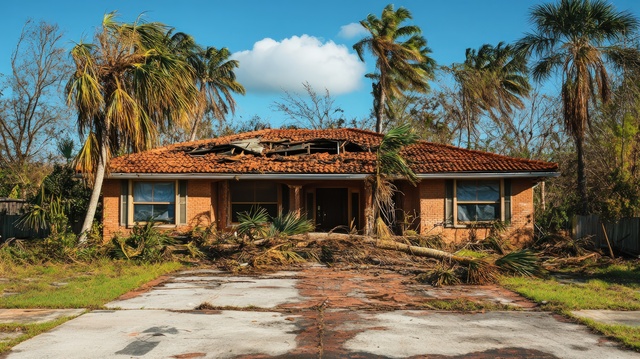
A commercial reroof follows the Florida Building Code path, which sets the reroofing and secondary water barrier requirements the assembly has to meet, and every approved system carries a Florida Product Approval for the local wind zone. Our crew verifies that approval before spec, and photographs each stage as the plies go down. The finished file is the record a property manager hands to a board reviewing the reserve study and to the insurance carrier after a wind event, so the reroof is provable straight from the record.
Weigh The System On Your Building
To weigh a built-up roof for a Bonita Springs building, call PRG Roofing & Construction Inc. in Fort Myers at (239) 237-2906 and book a commercial roof assessment. Our crew reads the deck and the drainage before recommending a system, so a roof with serviceable life left stays in service, and you plan the reroof on the building’s schedule.