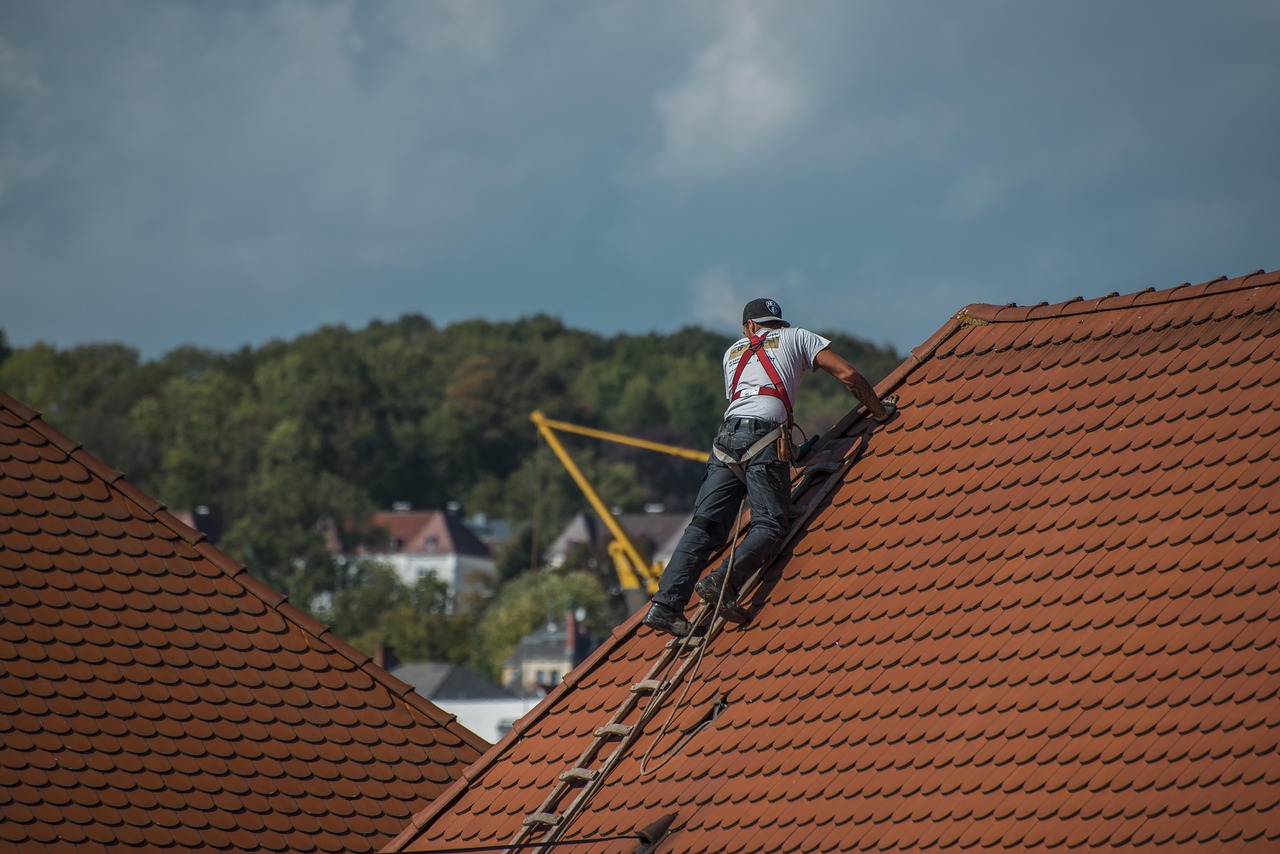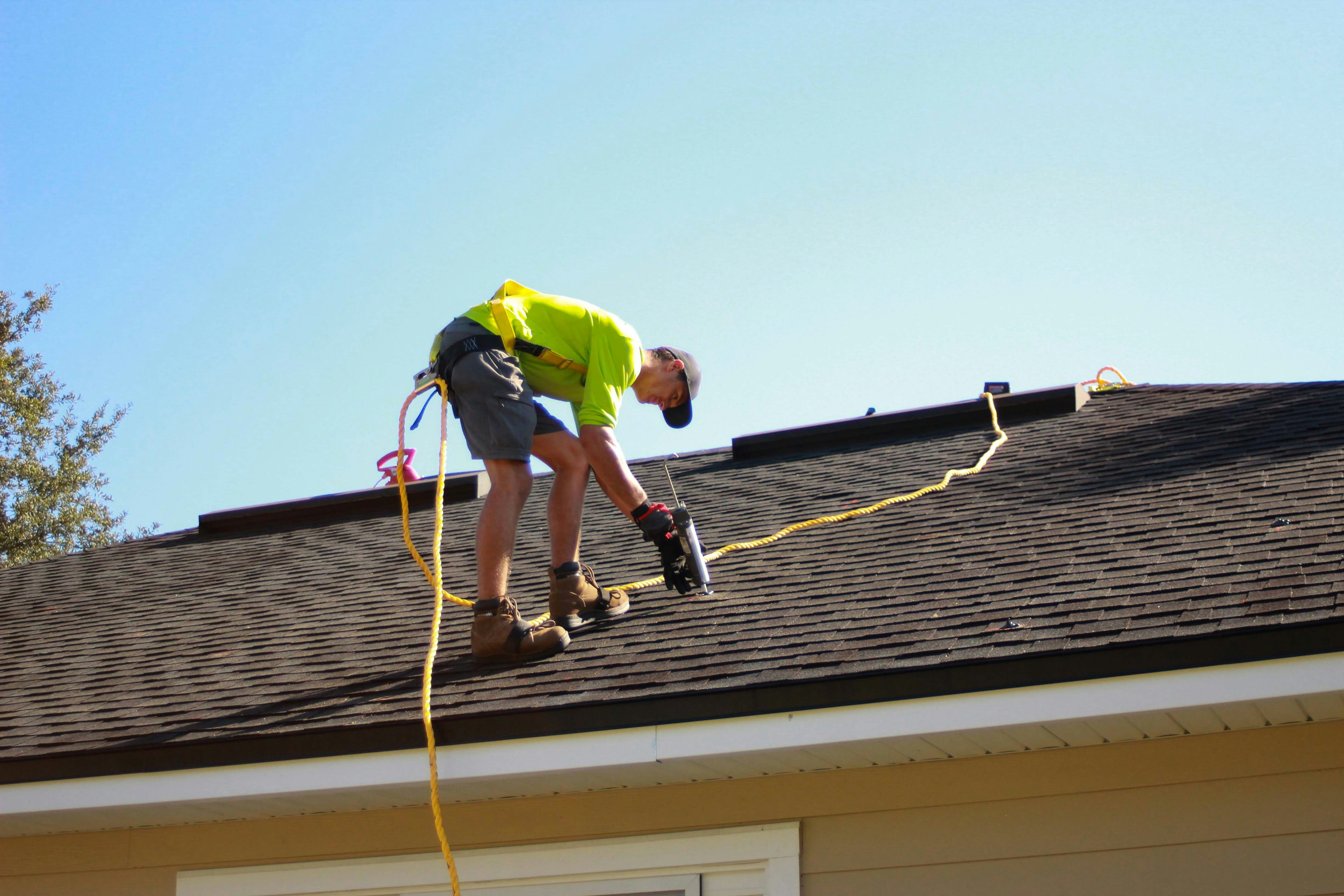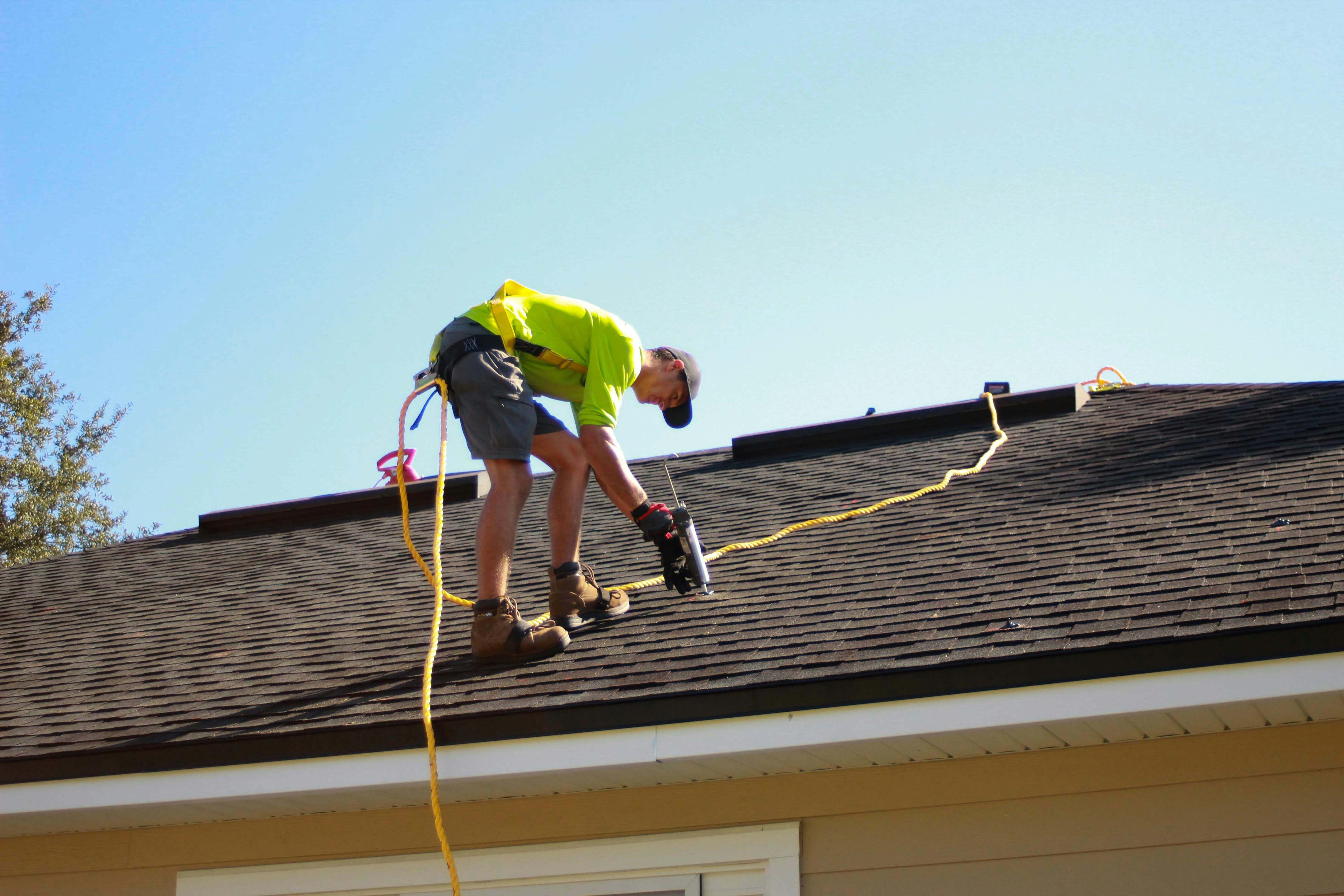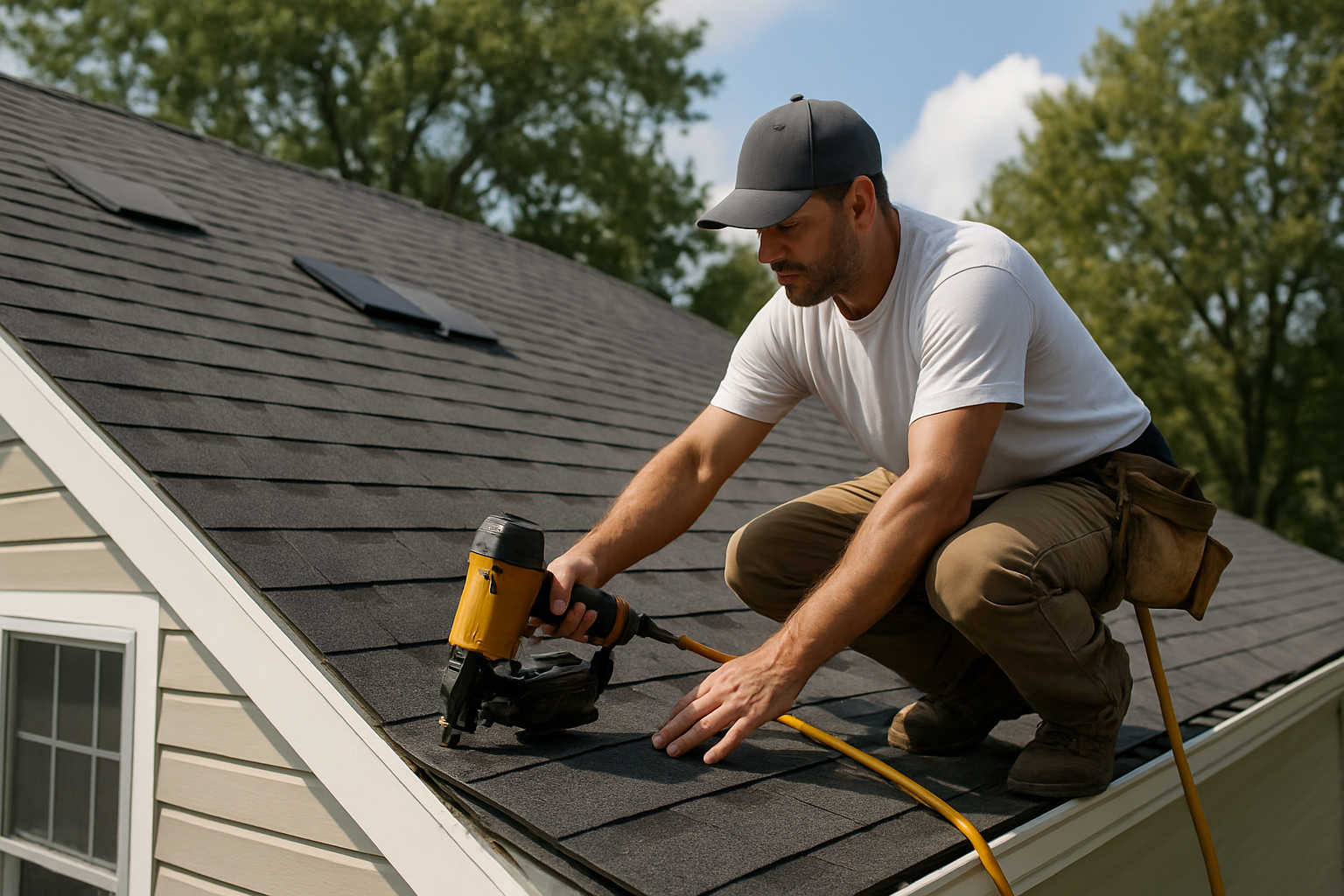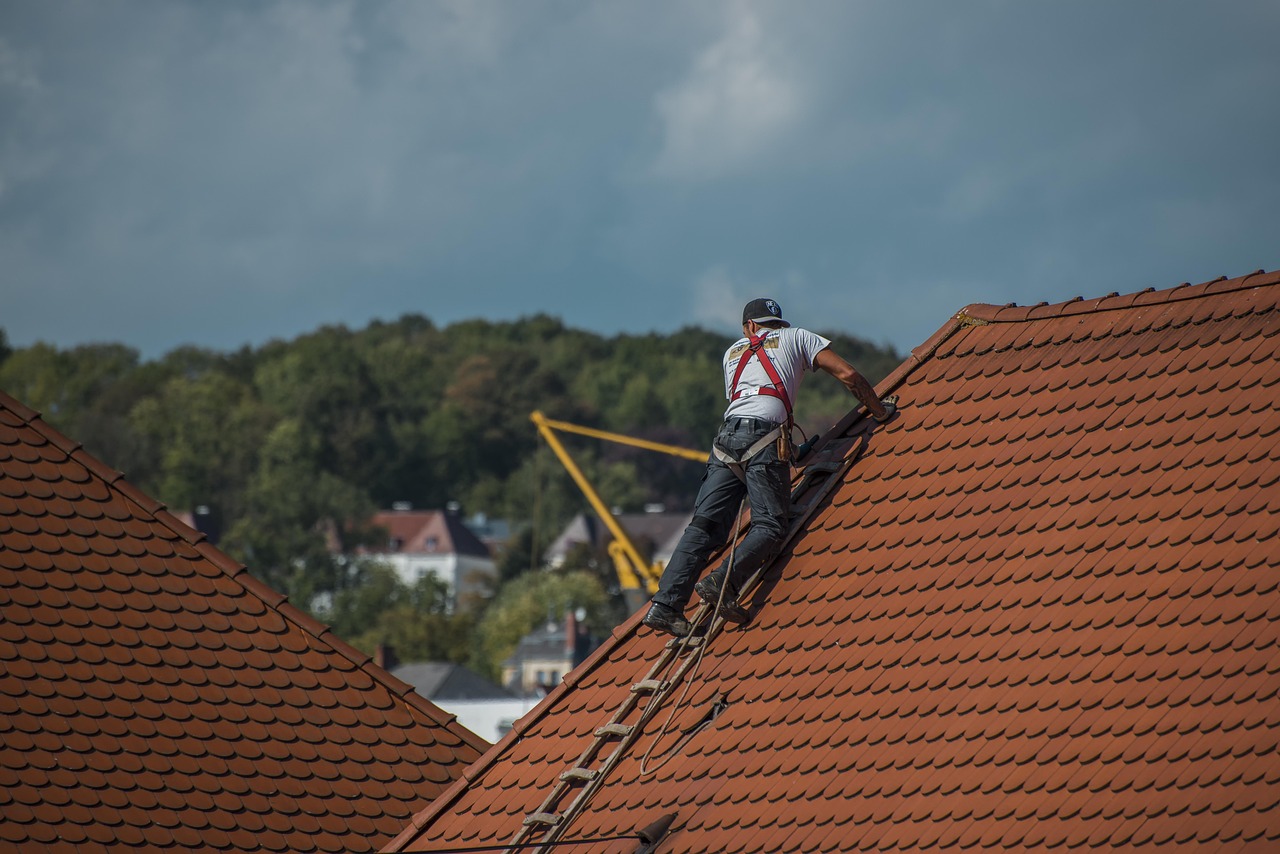
Picture one photo of your own drip edge, every fastener seated and the seal strip bonded tight, dated the week before a storm. Nobody can take that picture for you afterward. A preseason inspection produces two things quickly, a short list of small fixes at the edges where the wind hits first, and a dated set of photos of your roof before any storm gets to it. Here at PRG Roofing & Construction Inc. we deliver both on one free visit to Fort Myers homes, and both of them matter more in October than they do today.
Wind Pulls Hardest At The Corners
A storm loads the corners of your roof harder than anything in the middle, and the perimeter comes next. That's why failures start at the outside and work in, and why the useful work before a storm is concentrated in a band a few feet wide around the edge. Picture a west gable that takes every afternoon storm head on, and then look at how little is holding that first course down. The jobs a preseason inspection finds are a drip edge to refasten, a course that never sealed to hand-seal, and a pipe boot to reseal, and none of them takes long once it's found. They're the smallest jobs on a roof, and they're the ones a storm turns into the biggest.
We Test Every Seal By Hand
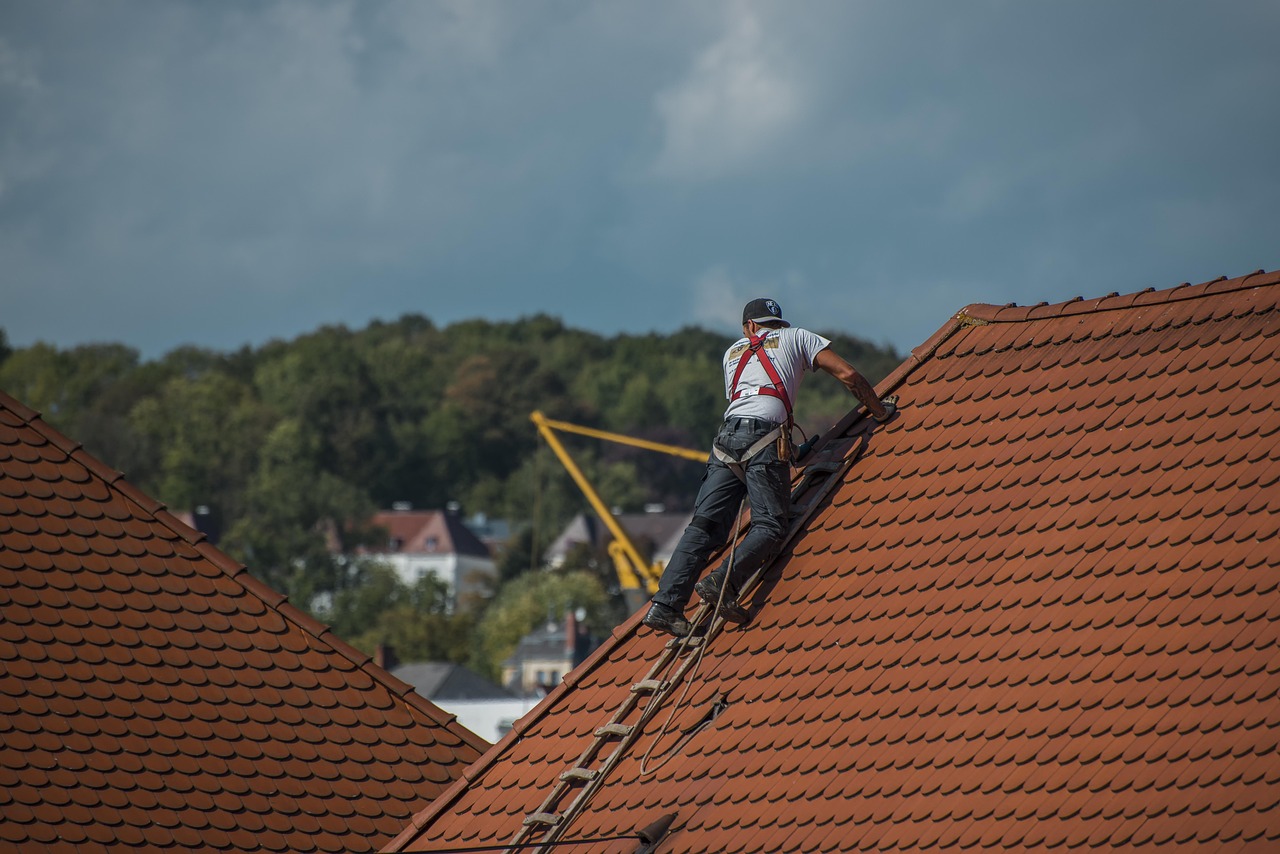
From twelve feet away a bonded seal and a broken one look identical, so our crew doesn't judge them from twelve feet away. The crew lifts tabs at the roof plane with two fingers, and the tab that comes up free is the one that gets hand-sealed. They put hands on the sealant at chimneys, skylights, and plumbing stacks, where most roof leaks start. In the attic they check the underside of the deck with a pin moisture meter and look at the soffit intake, because humidity and a choked intake cook shingles from below and nothing about that shows from the street. Our crew brings the ladders and the fall protection, so you stay on the ground.
The Photos Are The Second Product
Every inspection we run comes with a live CompanyCam photo report showing what we found and where. Go back to that drip edge from the first paragraph, photographed in September with the seal strip bonded and every fastener seated. Now picture the same drip edge in October, the seal strip lifted, and dirt packed under the tab where the wind got in. Side by side, those two pictures show what changed and roughly when, and the first one only exists because somebody took it before anything happened. That version of your roof existed before anyone had a reason to argue about it.
The Edge Is Holding Everything Else Down
Edge work looks like trim work, and it's what keeps the covering on the house. Wind driven rain gets pushed under laps and lifted edges by the pressure difference a storm builds across a roof, so an opening at the perimeter is an opening into the whole assembly. Our crew checks for the peel and stick secondary water barrier over the deck seams, which catches what gets past the covering, and for a fastened edge that keeps the covering from lifting in the first place. Those two things stand between a hard rain and your decking. The edge corrections are the ones we'd schedule first, and they're the smallest on the list.
What Changes Past Fifteen Years
We recommend a professional inspection once a year on any roof, ideally before hurricane season. Past 15 years we recommend two, because wear speeds up as materials near the end of their service life and more changes between visits. The assessment and inspection are free for residential and commercial properties, so the only thing the schedule costs you is a morning. Anything we find gets written up and scheduled as its own job, so you know what the visit covered and what it didn't.
Get The Pictures While The Roof Is Still Fine
If your roof hasn't been looked at since it went on, call PRG Roofing & Construction Inc. at (239) 237-2906, or send photos through the form on our site and we'll contact you to set the appointment. We'll check the edges, photograph the roof, and tell you what we find.