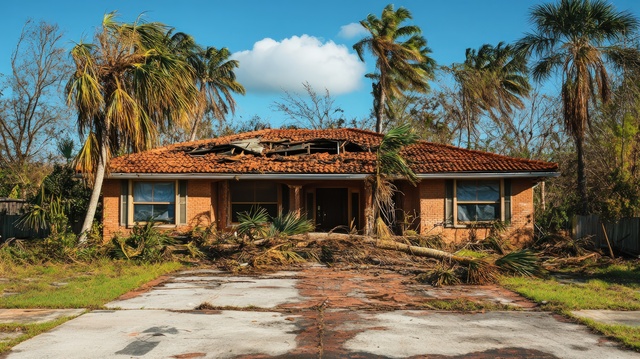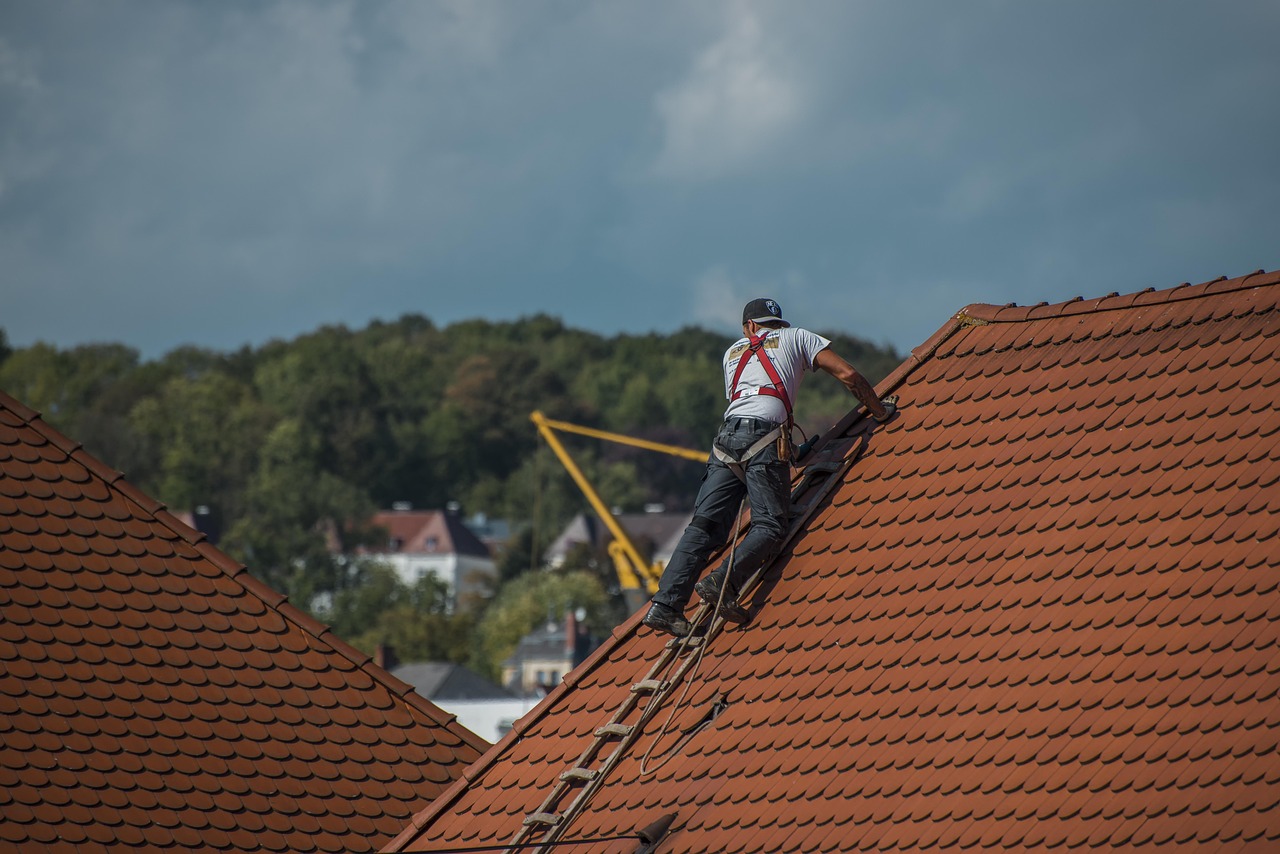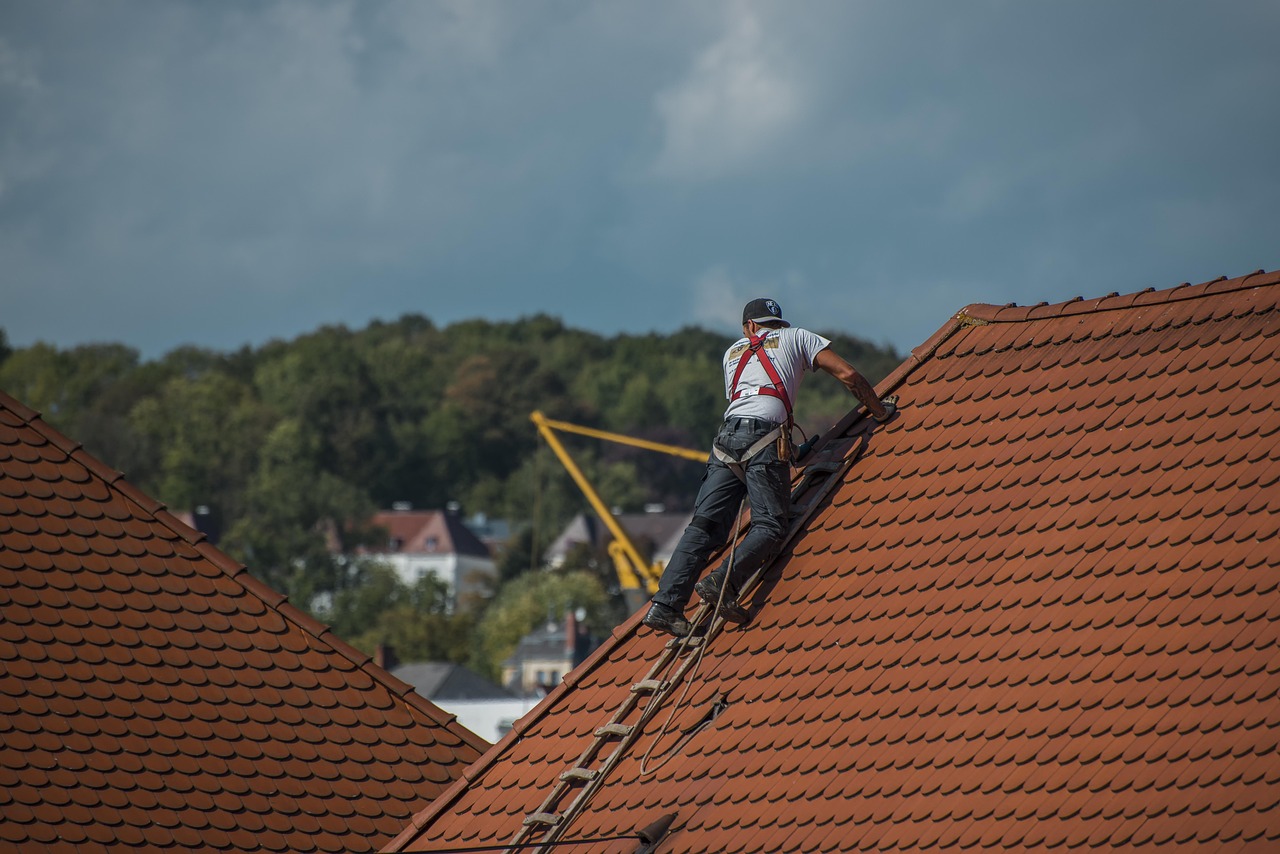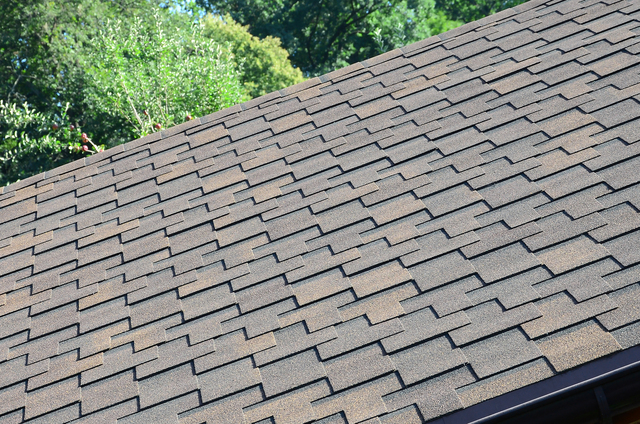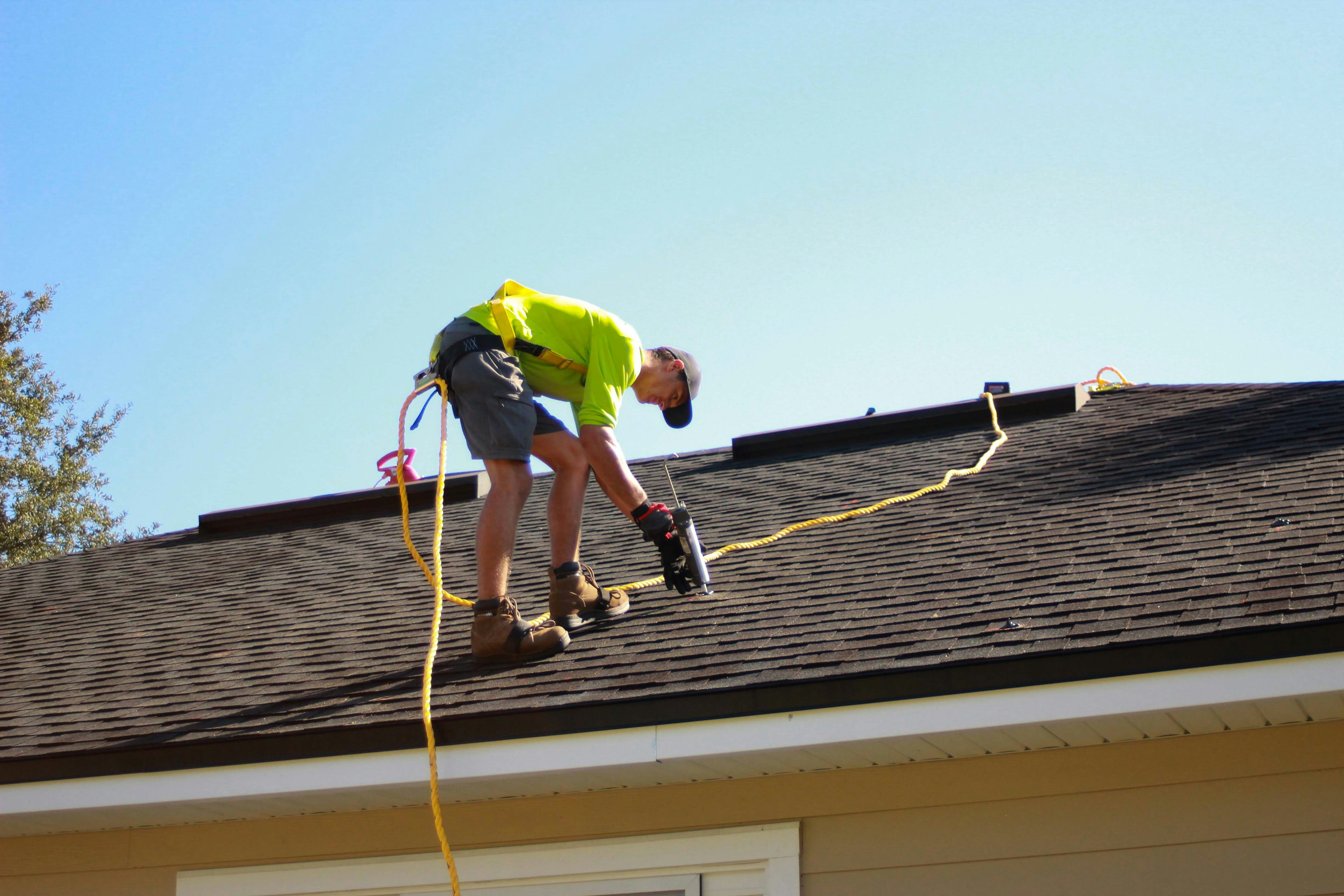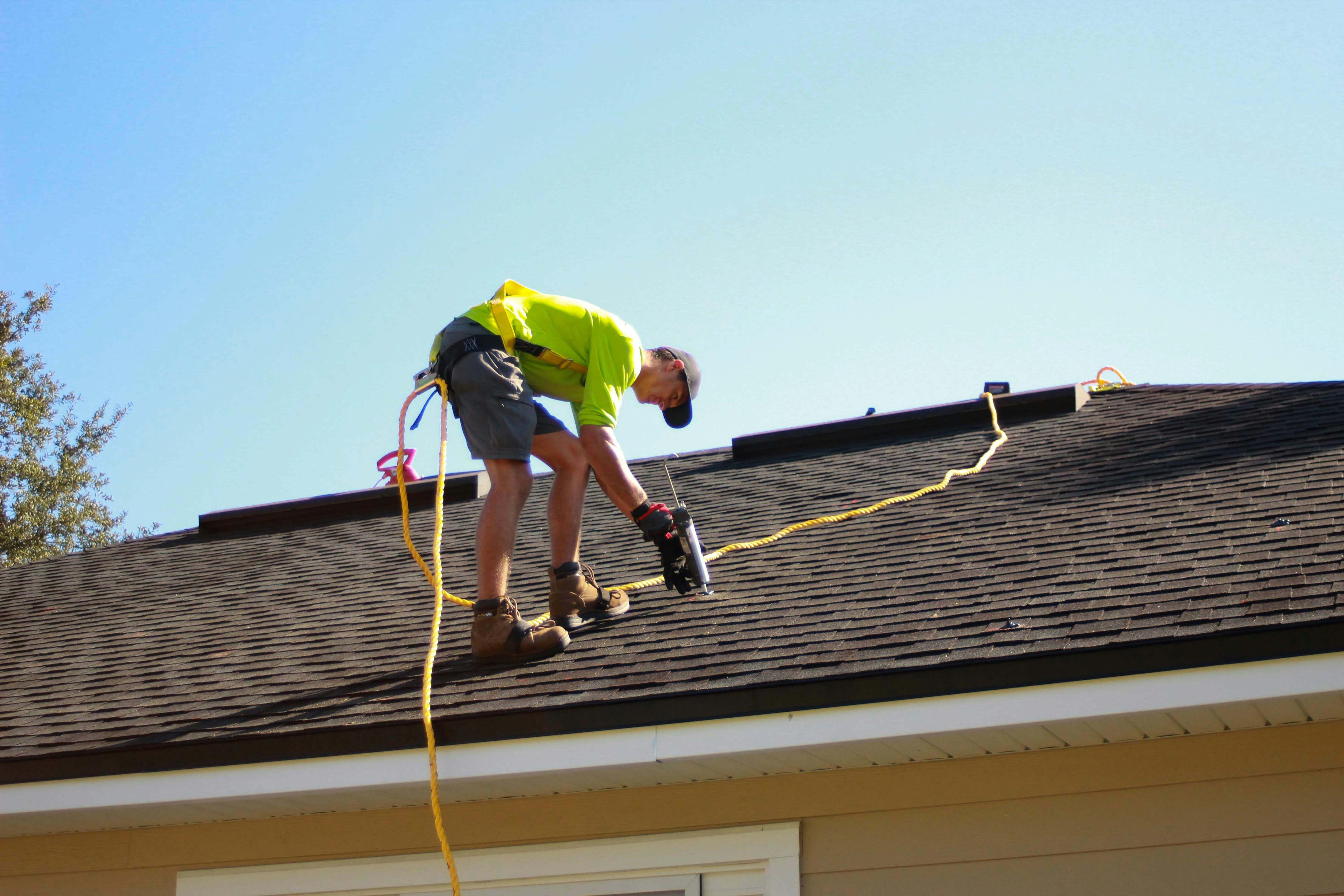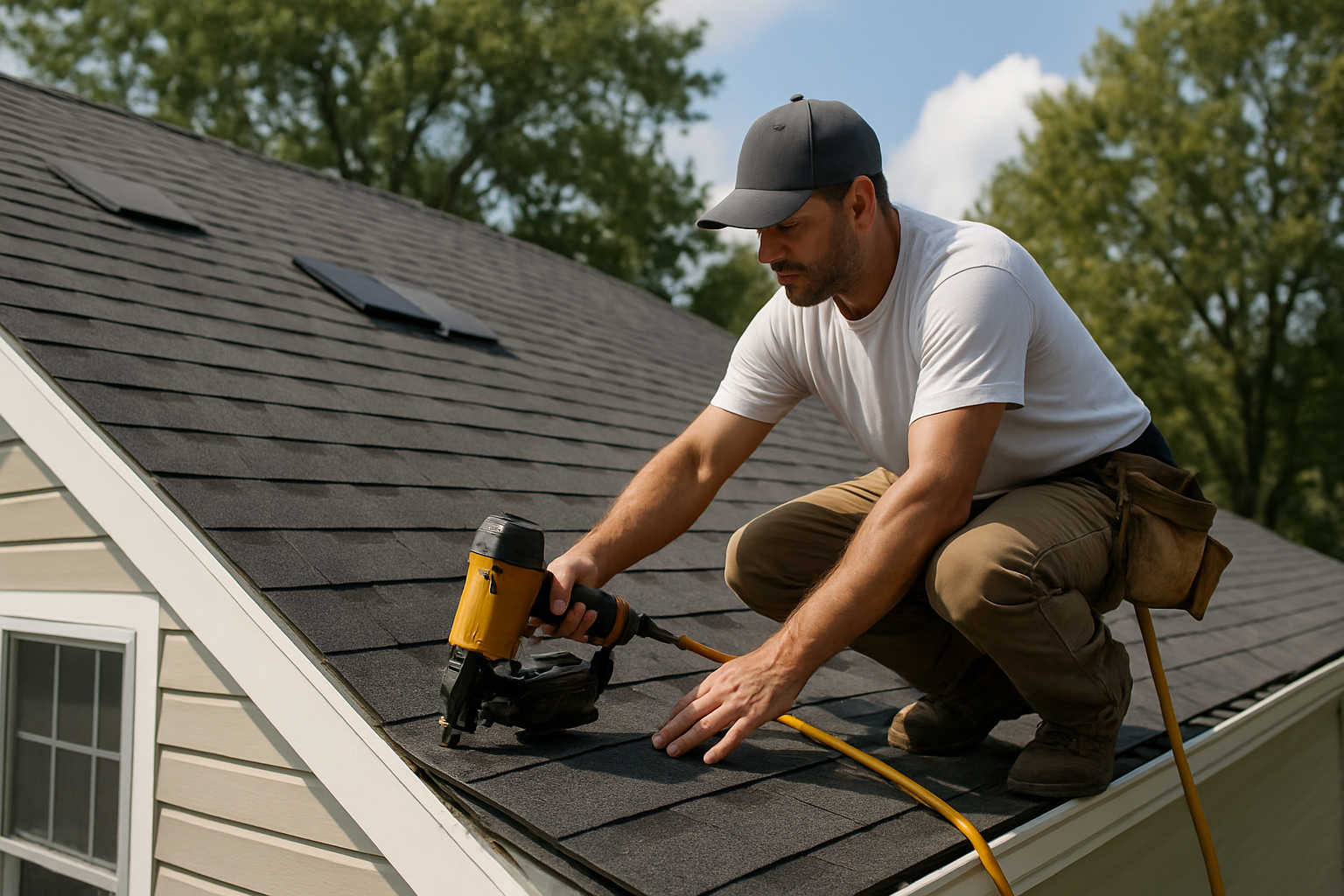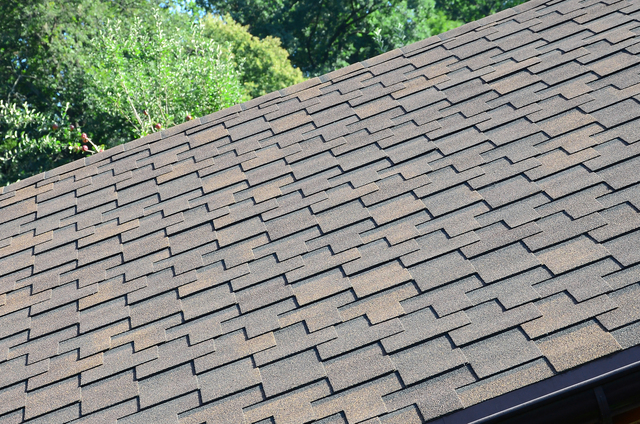
You've already got pictures of the ceiling stain, the shingles in the yard, and the tarp on the neighbor's roof for scale. Keep every one of them handy. What they're missing is everything an insurance adjuster wants to know before the picture means anything, which is when it was taken, where on the roof it came from, who took it, and what the person holding the phone saw. Our shop at PRG Roofing & Construction Inc. is in Fort Myers. On every storm inspection in Naples, those four details go onto every photo before it leaves the roof.
Documentation Support, Spelled Out
Documentation support for insurance claims is a phrase that gets used a lot, so here's what ours consists of. Our crew annotates photos of the flashings, the penetrations, and the attic side of the deck, with an arrow on each failure point. Every penetration and roof-to-wall transition gets a pin moisture meter reading. The crew writes a description of each failure, what caused it, and what we recommend doing about it, dated to the visit. All of it gets built in CompanyCam while the crew is still on your roof, and all of it is yours.
Time, Place, Name, Note
CompanyCam stamps the time on each photo as it's taken, which puts the picture on the calendar against the storm. It stamps the location, which puts the picture on your roof rather than some roof. CompanyCam also logs which crew member took it. The fourth detail is ours, a written note on the photo saying what the crew saw, since a lifted flashing and a shadow look alike at arm's length. Put those four on a photo and an insurance adjuster can work from it. Leave them off and it's a picture of a roof.
We Write What The Camera Can't See
A sharp photo of a lifted flashing shows a lifted flashing. It doesn't show that the fastener pattern under it let go two courses up, or that the fix is a new flashing and a refastened course rather than a bead of sealant. Our report puts that beside the photo, the cause our crew found and the repair we recommend, with repair or replacement called by how far the wind damage runs. When the report says one slope, the insurance claim stays one slope and doesn't get argued down to a patch. The insurance adjuster decides what your policy covers. Our job is to make sure that decision gets made from what our crew saw, in order, with the reasoning written down.
The Report Keeps Working After The Claim Closes
Storm paperwork gets filed and forgotten until the day a buyer's inspector or a shingle manufacturer asks what your roof looked like on a date two years back. We keep the package organized so it's there when that day comes, and you should keep your own copy too. After a named storm our crew photographs the sheathing joints and the peel and stick barrier whether or not the covering above them shows damage, and that's the picture that answers the question later. Between now and then your roof takes another summer of afternoon storms and salt air, and it won't look the same. A dated set of photos from this storm is how anyone separates this storm's damage from the next one's.
What You're Holding When The Truck Leaves
You have the photo report with every image timed and placed, plus the pin moisture meter readings and a written scope tying each problem to its cause and its fix. It sits under your address in CompanyCam, so you can open it on your phone without waiting on us. You send it when you're ready, to whoever you choose. That's the whole handoff, and it happens on one visit.
Get The Photos Taken Before The Insurance Adjuster Climbs
The right time for this is before your insurance adjuster walks the roof, so you're both looking at the same pictures and not two different descriptions. Call PRG Roofing & Construction Inc. at (239) 237-2906 and we'll schedule a documented storm inspection for your Naples home. You'll go into that conversation with dated photos and a written scope in hand.