 "So what is holding the metal down?" On a standing seam roof on your Fort Myers house, the panels show no screw heads anywhere, and the answer sits under every raised seam. A row of clips runs beneath each seam, tying the panel to the deck while the folded metal covers them. PRG Roofing & Construction Inc. builds these roofs so the parts a hurricane pulls on stay covered or fit tight. Every panel joint is a raised, locked seam with the panel fasteners under it, so the panel field has no exposed screws or open laps, and the edges, where uplift is strongest, are closed with trim our crew bends to fit. Choosing standing seam for your house comes down to how the seams hold at the edges and which finish suits its distance from saltwater.
The Seam Sits Above The Water
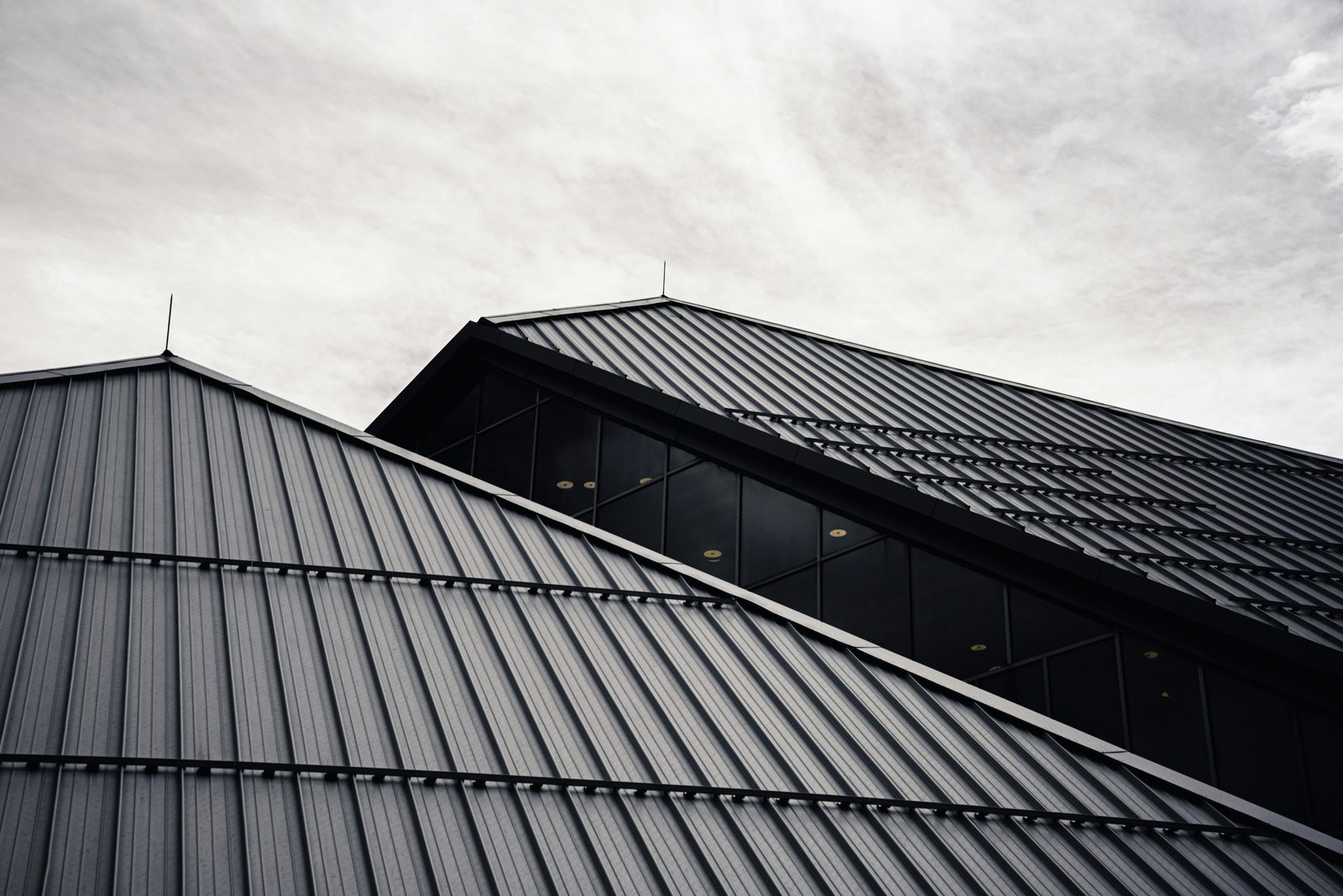
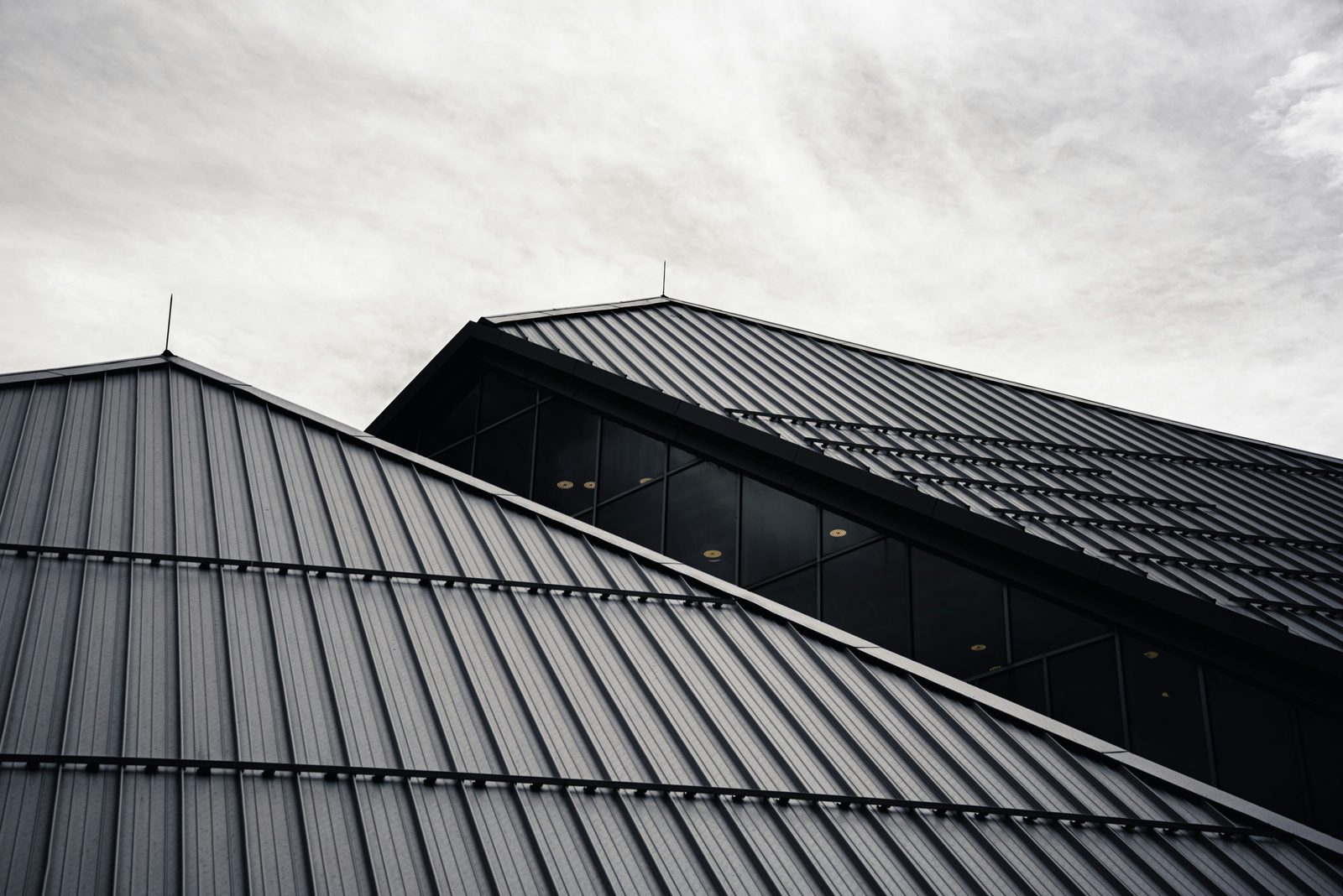
The lines running from the ridge down to the eave are the seams. Each one is the edge of one panel turned up and locked to the edge of the next, either snapped together or folded over with a seaming tool. That joint stands above the flat of the roof, so rain running down the panel passes beside it and never has to cross it. Wind can still blow rain at any seam, so a sealed underlayment goes under the panels to catch what gets past the metal. On your roof, water meets a raised joint first and a sealed layer second.
The Clips Stay Under The Seam
No screws pass through the face of the panel. Concealed clips fasten to the deck along the edge of each panel, and the next panel's seam locks over them. Once the seam is closed, the clip sits under folded metal, out of direct sun and rain. Through a Fort Myers afternoon the steel expands, and overnight it shrinks again. The clip lets the panel slide with that movement, so the daily heat cycle never works a fastener loose in its hole.
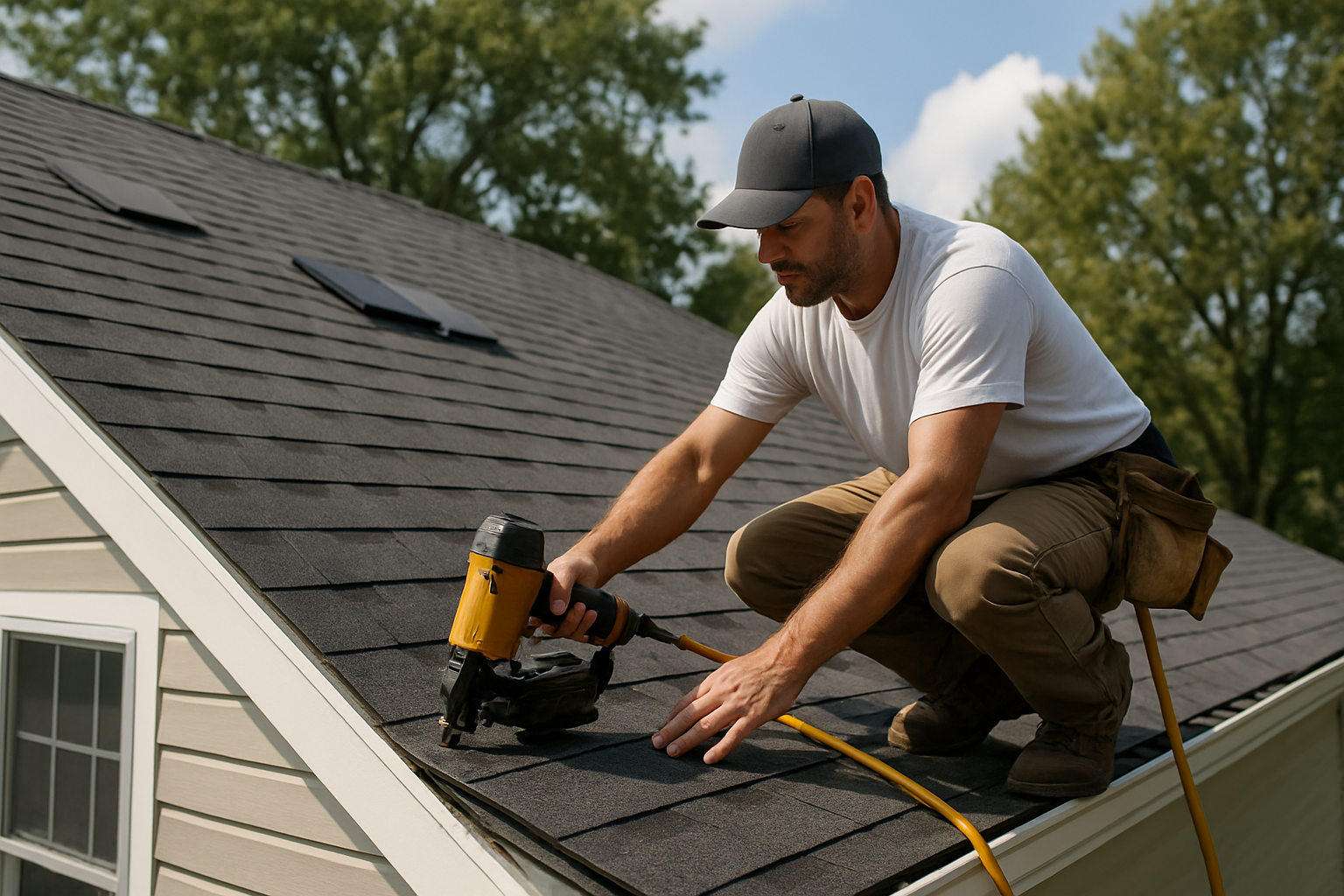
Exposed-fastener panels are screwed through the face, and each screw carries a neoprene washer that sun and temperature swings break down over the years. On a standing seam roof, no washer faces the weather anywhere in the panel field, and that hidden fastening is what you choose with standing seam. Only the trim and ridge pieces carry exposed fasteners on this roof, and the clip screws stay hidden under the seams.
The Seam Locked Over The Clip At The Edges
In full-scale tests under extreme wind, standing seam roofs let go where a seam locks over its clip, as uplift pulls the seams apart and off the clips. That joint carries the hold of the whole panel, and the load on it is heaviest at the eave and rake edges, most of all near a corner. So the way each seam closes is part of choosing the panel. Our crew bends the eave trim, the rake trim and the ridge cap on a portable brake at the job, to the angles of your roof. Bent to the real angle, each piece sits tight to the panel and the fascia along its whole length.
The Finish For A House Near Saltwater
Salt in coastal air corrodes fasteners and edge metal and lowers how well they hold. For a coastal home, that covered clip is part of the case for standing seam, since it sits out of direct spray. Salt air still reaches under the seams, which is why the finish counts for as much as the clip. Most standing seam steel carries Galvalume, a coating of aluminum and zinc bonded to the steel. That coating resists salt-air corrosion better than standard galvanized steel, and it suits a home that sits away from salt spray. For a lot right on the water, common Galvalume sheet warranties stop covering the steel, so for that house the finish is the choice we work through with you at the assessment.
Book A Metal Roof Assessment
To schedule a metal roof assessment at your Fort Myers home, call PRG Roofing & Construction Inc. at (239) 237-2906. On that visit, we'll go over whether standing seam suits your house. We'll also talk through which finish fits its distance from saltwater.